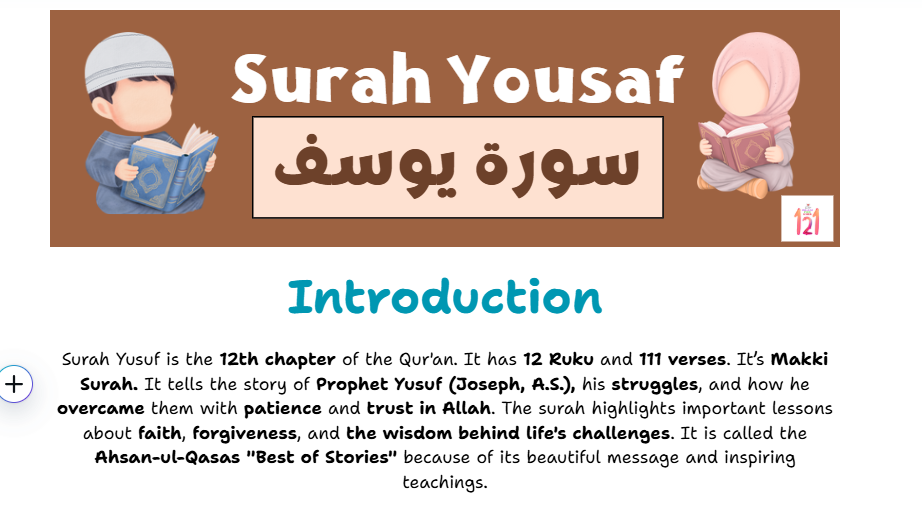
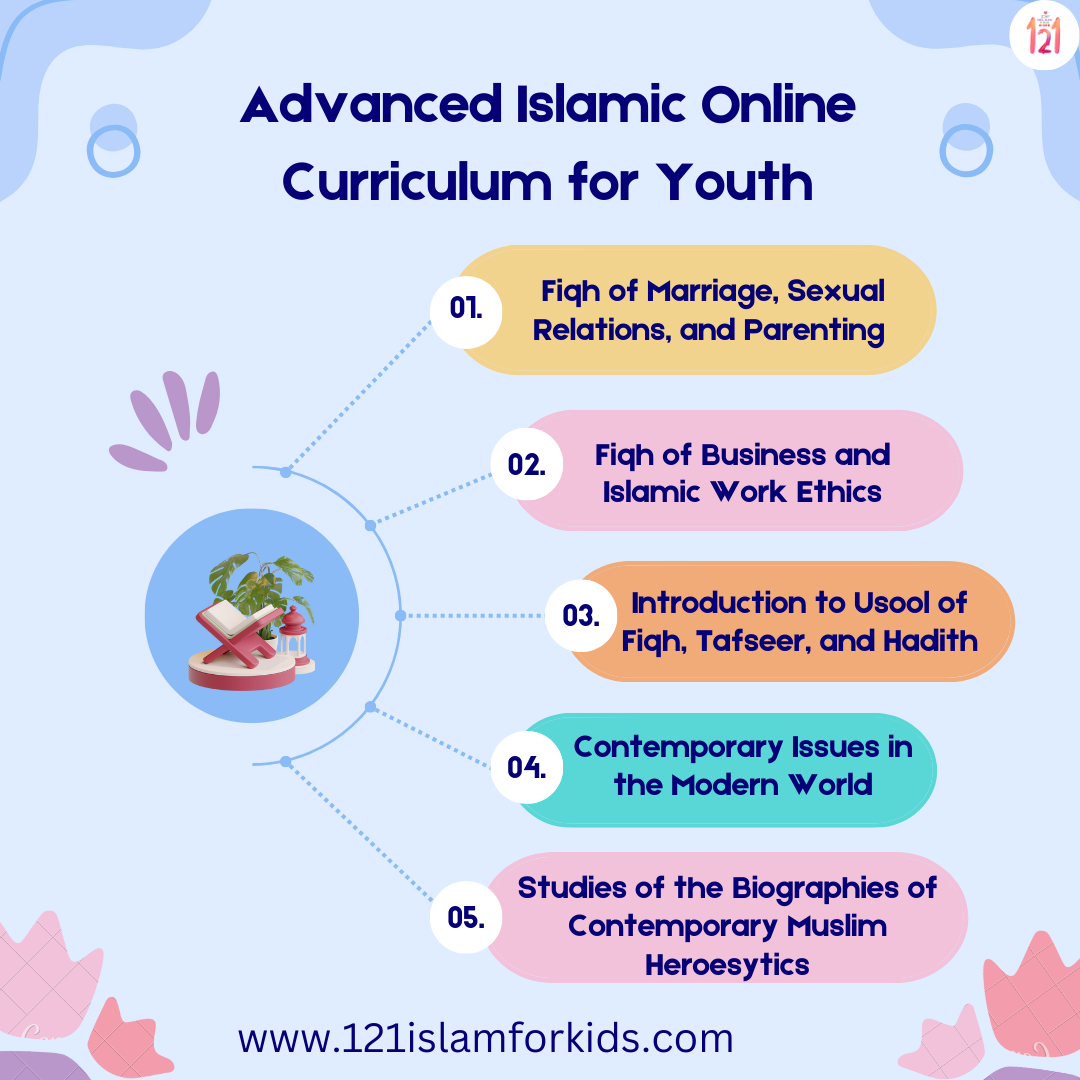
Course Title: Deep Dive into Surah Yusuf (A.S.) – A Journey of Wisdom, Faith & Self-Discovery Age Group: Teenagers & Young Adults (Ages 13 to 19) Course Duration: 12 Months (One Ruku per Month – Total of 12 Ruku) Language of Instruction: English (with Arabic Qur’anic verses and Urdu explanation when needed) Course Introduction Surah Yusuf is one of the most detailed and captivating stories in the Qur’an. It is a powerful narrative of hardship, purity, patience, loss, forgiveness, and divine wisdom. Through this course, students will explore each Ruku of the Surah deeply and meaningfully. We do not rush through verses; instead, each month is dedicated to just one Ruku, ensuring the heart of every lesson reaches the soul. Each verse is connected to our students’ lives—whether it’s sibling jealousy, struggling with temptations, emotional pain, or understanding divine plans. This course provides teens and new adults with a structured, spiritual, and emotionally intelligent journey rooted in Qur’anic values, personal growth, and practical action. It’s not just a Tafsir class—it’s a life training experience. Our Teaching Methodology We blend classical Tafsir knowledge with modern pedagogy and emotional intelligence techniques. Our methodology is designed for the teenage mind and heart: Monthly Ruku Outline (1 Ruku = 1 Month) Ruku 1: The Beginning of the Story (Verses 1–6) Ruku 2: Sibling Jealousy & Family Conflict (Verses 7–20) Ruku 3: Hope in Dark Times (Verses 21–35) Ruku 4: Prison, Dreams & Dawah (Verses 36–42) Ruku 5: Freedom & Trust (Verses 43–52) Ruku 6: Wisdom in Power (Verses 53–57) Ruku 7: Reunion & Family Secrets (Verses 58–68) Ruku 8: Tests Continue (Verses 69–76) Ruku 9: Helplessness & Hope (Verses 77–82) Ruku 10: The Truth Comes Out (Verses 83–87) Ruku 11: Joy & Reunion (Verses 88–98) Ruku 12: Fulfillment of the Dream (Verses 99–111) Course Benefits Innovative Initiatives Wisdom & Lessons from Surah Yusuf (A.S.) Conclusion This Surah is not just to be read, but to be lived. Through our unique monthly deep-dive structure, reflective activities, and emotionally safe classroom, every child will leave more connected to Allah, more aware of their emotions, and more inspired to live like Yusuf (A.S.). It’s more than a course—it’s an awakening. Included Materials: Let the journey begin. Enrol now Reference: The translation and tafsir have been taken from Tafsir Ibn Kathir.
Summer islamic courses for kids 2025 Online Pragrammes.
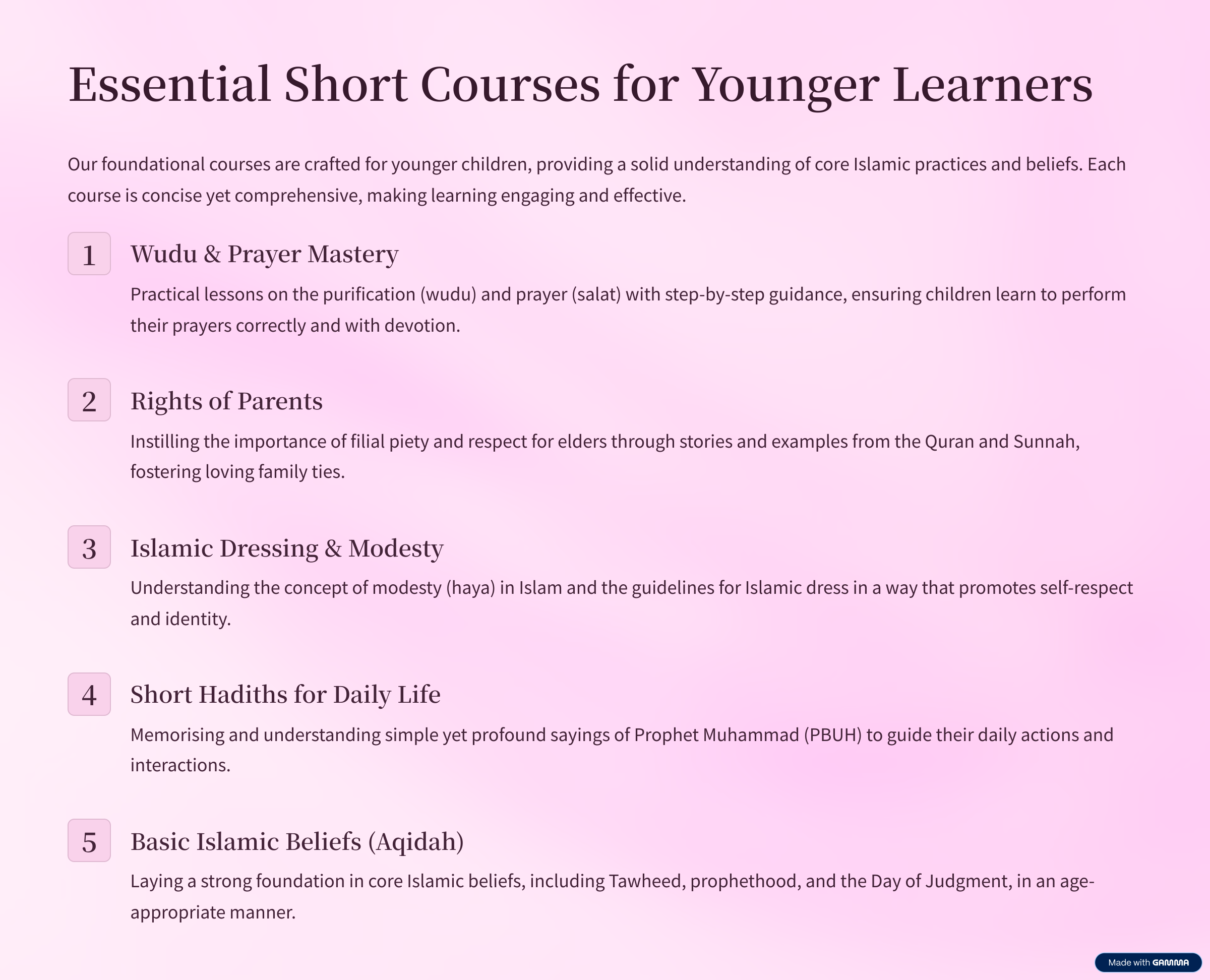
Summer Holidays Are Here—Strengthen Your Child’s Faith! The perfect time to enrich your child’s understanding of Islam is now. At 121 Islam for Kids, our summer programs offer engaging online courses designed to nurture their spiritual growth and moral character. Explore our diverse courses—from Quran recitation and Tafsir to Islamic manners and more—tailored for all ages! Why Join Our Summer Programs? Interactive, age-appropriate lessons Experienced and caring teachers Learn from home—all over the world Secure your child’s spot and let them thrive spiritually this summer! Scrol down to choose Summer islamic courses for kids. Visit our Enrol Now tab. and start your children’s fruitful journey towards Islamic education.
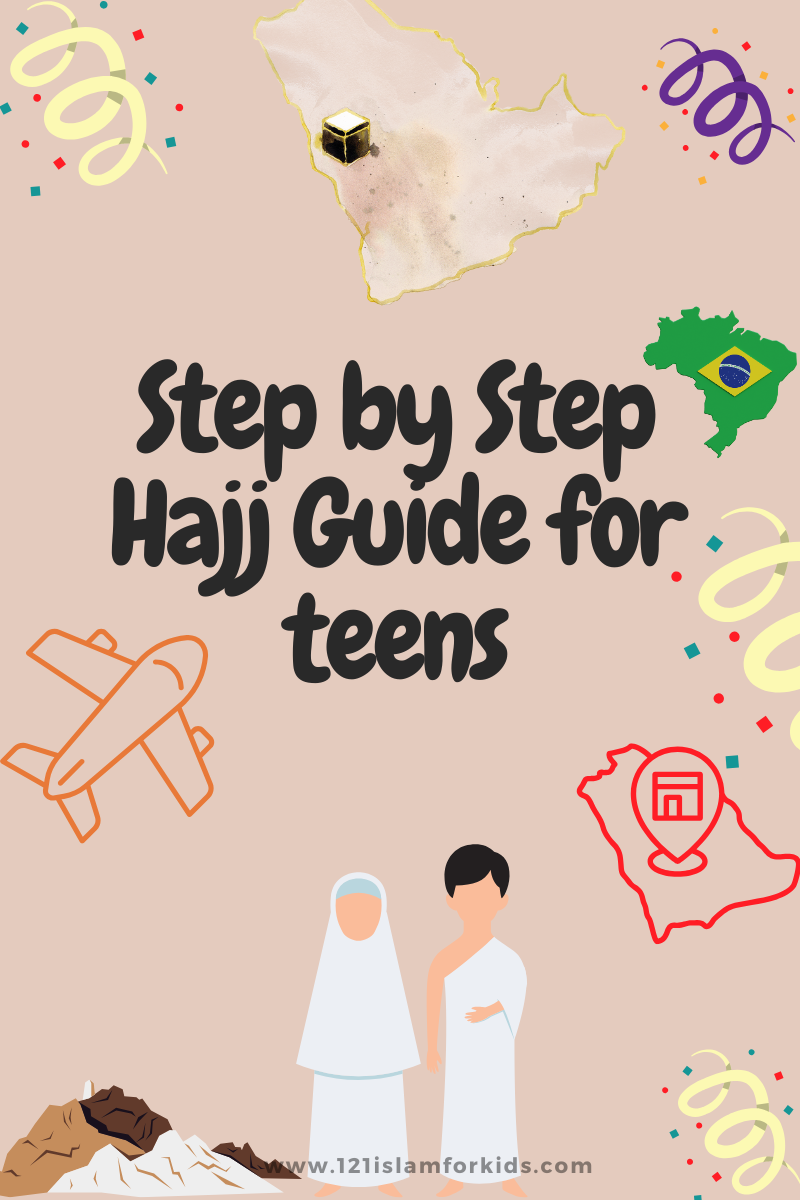
Hajj Guide for Teens: A Step-by-Step Spiritual Journey
Dive into a world of imagination and learning with our delightful collection of Urdu children stories, where each tale not only entertains but also imparts valuable life lessons and moral values. Our carefully curated stories aim to nurture young minds, encouraging curiosity and creativity while fostering a love for reading and cultural heritage. Whether you’re looking for enchanting narratives that spark joy or educational themes that inspire, you’ll find a treasure trove of stories that resonate with children and parents alike. Join us on this magical journey as we open the doors to countless adventures, enriching the lives of children one story at a time.
The Story of Prophet Isa A.S in Islam: A Messenger of Allah
The Story of Prophet Isa A.S in Islam One day, Usman, Hajra, and Ismail were sitting with their father, Usama. Usama said, “Today, I will tell you the story of Prophet Isa (A.S.).” The children leaned forward with interest, knowing this would be a special story. “Prophet Isa (A.S.) was a very special Prophet of Allah. Allah sent him to guide the people, just like He sent other Prophets, such as Prophet Adam, Prophet Nuh, Prophet Ibrahim, Prophet Musa, and Prophet Muhammad (PBUH). The purpose of the Prophets was to guide people to the right path, so they could worship Allah and do good deeds.” Usman asked, “But why were Prophets sent? Couldn’t people be good on their own?” Usama smiled and replied, “My son, Allah sent Prophets to show people the right way to live so that they don’t go astray. Humans are meant to worship Allah and do good to others, but sometimes they forget what is right and wrong. That’s why Allah sent Prophets—to remind us how to live our lives.” The Birth of Prophet Isa (A.S.) Usama then began to talk about the birth of Prophet Isa (A.S.). “Prophet Isa (A.S.)’s mother, Maryam (A.S.), was a very pious and righteous woman. One day, by the command of Allah, she became the mother of a son, even though she wasn’t married. This was a great miracle! Allah sent the angel Jibreel (A.S.) to tell Maryam (A.S.) that her son would be a Prophet of Allah, and he would spread Allah’s message to the world.” Hajra asked, “Wasn’t Maryam (A.S.) scared?” Usama said, “Yes, she was surprised at first, but she knew it was Allah’s command, and she had great faith. Allah comforted her, and the birth of Prophet Isa (A.S.) was a great sign that Allah can do anything.” The Miracles of Prophet Isa (A.S.) Ismail then asked, “Abu, you mentioned miracles. What are they?” Usama explained, “Allah gave His Prophets miracles to show people that they were telling the truth. Prophet Isa (A.S.) was given many miracles too. When he was just a baby, by Allah’s command, he spoke from his cradle and told people that he was a Prophet. He healed the blind, cured people with leprosy, and even brought the dead back to life, all by Allah’s permission. But remember, all of these miracles happened because of Allah’s power, not Prophet Isa (A.S.) himself.” Usman said, “But some people say that Prophet Isa (A.S.) is the son of God?” Usama shook his head and said, “This is a big misunderstanding. Prophet Isa (A.S.) was a human and a Prophet, just like the other Prophets. He was not the son of Allah. The Quran tells us that Prophet Isa (A.S.) was a messenger of Allah, and we Muslims honor and love him, but we do not believe he is the son of God. We worship only Allah, who has no partners or children.” Muslims Love Isa (A.S.) but Worship Only Allah Hajra asked, “How can we love Prophet Isa (A.S.)?” Usama replied, “We love Prophet Isa (A.S.) by following the message he brought. He called people to worship Allah and taught them to do good and stay away from evil. We do the same, but we never worship him. We only worship Allah, the One true God, and that’s what Islam teaches us.” Why Don’t Muslims Celebrate Christmas? Usman asked, “If Prophet Isa (A.S.) was such a great Prophet, why don’t we celebrate Christmas?” Usama explained, “Christmas is celebrated by Christians to honor the birth of Prophet Isa (A.S.), but over time, many traditions have been added that go against Islamic teachings. While we respect Prophet Isa (A.S.), we don’t believe in these traditions, and we worship only Allah. That’s why Muslims don’t celebrate Christmas.” Islamic Manners and the Teachings of Prophet Isa (A.S.) “Islam teaches us to always have faith in Allah and follow the guidance of His Prophets. Our manners and way of life are connected to the teachings of Prophets like Isa (A.S.). He taught people to do good, worship Allah, and be kind to others.” Hajra, Usman, and Ismail listened carefully, understanding that Prophet Isa (A.S.) was a great Prophet whose message still shines as a light for Muslims today. “Now we know why we love Prophet Isa (A.S.) and why we worship only Allah!” Usman said excitedly. “That’s right!” Usama smiled. “Remember, the message of all the Prophets calls us to worship Allah, and we should always follow their teachings.” This story will help children understand the life of Prophet Isa (A.S.) and his importance in Islam. It teaches that Muslims honor and respect him, but worship only Allah, and explains why we don’t celebrate Christmas. حضرت عیسیٰ علیہ السلام کی کہانی: اللہ کے نبی ایک دن عثمان، حاجرہ، اور اسماعیل اپنے والد، اسامہ کے ساتھ بیٹھے ہوئے تھے۔ اسامہ نے کہا، “آج میں تمہیں حضرت عیسیٰ علیہ السلام کی کہانی سناتا ہوں۔” بچے دلچسپی سے آگے جھک گئے، کیونکہ وہ جانتے تھے کہ یہ ایک خاص کہانی ہونے والی ہے۔ “حضرت عیسیٰ علیہ السلام اللہ کے ایک بہت ہی خاص نبی تھے۔ اللہ نے انھیں لوگوں کی ہدایت کے لیے بھیجا، جیسے دوسرے انبیاء جیسے حضرت آدم، حضرت نوح، حضرت ابراہیم، حضرت موسیٰ، اور حضرت محمد صلی اللہ علیہ وسلم کو بھی بھیجا تھا۔ انبیاء کا مقصد لوگوں کو صحیح راستے کی طرف رہنمائی دینا تھا، تاکہ لوگ اللہ کی عبادت کریں اور اچھے کام کریں۔” عثمان نے پوچھا، “لیکن انبیاء کو کیوں بھیجا گیا؟ کیا لوگ خود اچھے نہیں ہو سکتے تھے؟” اسامہ مسکرا کر جواب دیتے ہیں، “بیٹا، اللہ نے انسانوں کو صحیح راستے پر چلانے کے لیے انبیاء کو بھیجا تاکہ وہ بھٹک نہ جائیں۔ انسانوں کو اللہ کی عبادت کرنی چاہیے اور دوسروں کے ساتھ نیکی کرنی چاہیے، لیکن کبھی کبھی لوگ بھول جاتے ہیں کہ کیا صحیح ہے اور کیا غلط۔ اسی لیے اللہ نے انبیاء کو بھیجا، تاکہ وہ ہمیں یاد دلائیں کہ ہمیں کیسے زندگی گزارنی ہے۔” حضرت عیسیٰ علیہ السلام
Faith Boosting Course for kids|No Cristmas| Prophet Isa (A.S.)
Faith in Islam & Prophet Isa A.S in islam Day 1: Faith in Prophets and the Story of Prophet Isa (A.S.) Objective: To introduce children to the significance of faith in the Prophets and the story of Prophet Isa (A.S.) in Islam. What Does Faith in Prophets Mean? Believing in the Prophets is an essential part of a Muslim’s faith. Allah chose prophets to guide humanity, and Muslims believe in all the Prophets, including Prophet Isa (A.S.), as messengers of Allah. Reference: Story of Prophet Isa (A.S.) Prophet Isa (A.S.) was born miraculously to Maryam (A.S.), without a father, by the command of Allah. This was one of the signs of Allah’s power. Prophet Isa (A.S.) performed miracles like speaking from the cradle, healing the sick, and bringing the dead to life, all by Allah’s permission. However, over time, some people started to believe in him as the son of Allah, which is a misunderstanding in Islam. Reference: Discussion Points: Activity: Children will write a summary of what they understand about Prophet Isa (A.S.) and discuss how they can explain his story to others. Day 2: The Story of Ashab-e-Kahf and Surah Al-Kafiroon Objective: To teach children the importance of staying firm in their beliefs through the story of Ashab-e-Kahf and Surah Al-Kafiroon. The Story of Ashab-e-Kahf Ashab-e-Kahf (the People of the Cave) were young men who refused to follow their people’s idolatry. They fled to a cave to preserve their faith, and Allah caused them to sleep for 300 years, protecting them from the corrupt society around them. Reference: Surah Al-Kafiroon Surah Al-Kafiroon teaches Muslims to stay true to their faith while respecting the beliefs of others. It declares that Muslims do not worship what others worship and emphasizes the clear distinction between Islam and disbelief. Reference: Discussion Points: Activity: Children will practice reciting Surah Al-Kafiroon and discuss how they can apply it when they need to decline non-Islamic celebrations, such as Christmas. Day 3: The Miracles of Prophet Isa (A.S.), the Creation of Adam (A.S.), and Other Prophets Objective: To explain the miracles of Prophet Isa (A.S.), the creation of Prophet Adam (A.S.), and other examples of miracles given to Prophets in Islam. The Miracles of Prophet Isa (A.S.) Prophet Isa (A.S.) performed several miracles by the will of Allah, including: These miracles were signs from Allah to guide the people, but some misunderstood them and began to believe that Isa (A.S.) was divine, which is contrary to Islamic teachings. Reference: The Creation of Prophet Adam (A.S.) Prophet Adam (A.S.) was created by Allah from clay, without a father or mother. His creation is often referenced in relation to the miraculous birth of Prophet Isa (A.S.), as both were created by Allah’s will in unique ways. Reference: Other Prophets and Their Miracles These miracles were given to the Prophets as a means to show Allah’s power and guide people to the truth, not as proof of the Prophets’ divinity. Discussion Points: Activity: Children will create a visual representation (drawing or short writing) of one of the miracles they learned about and explain its significance. Conclusion:At the end of this 3-day course, children will have gained a deeper understanding of: How do I enroll in this course? Click here
Free Halloween Awareness Course for Muslim Children! Halloween in Islam
Free Halloween Awareness Course for Muslim Children! Dear Mothers, I’m excited to invite you and your children to a FREE Halloween Awareness Course for English-speaking students. This course is designed to help children understand why Halloween is not a celebration Muslims should participate in, and how it conflicts with our Islamic beliefs. In this one-day course, we will: By the end of the course, children will feel confident in saying no to un-Islamic celebrations and learn to embrace their Muslim identity with pride. Course Date & Time: For a complete list of time zones, please refer to the world clock for your region. This is an exclusive invitation for mothers only. No males are allowed in the group, ensuring a safe space for you and your children. To join, simply click the link below and become part of this important learning journey:Join the WhatsApp Group Make sure to share this post with others who might benefit! Welcome to the Course: Understanding Halloween: A Muslim Perspective! Teacher: Assalamualaikum, dear students! I’m so excited to see all of you here today. Welcome to our special course where we’ll explore Halloween and understand why it’s important for us as Muslims to approach this topic thoughtfully. 1. Introduction (30 minutes) Teacher: Let’s start by getting to know each other! I want each of you to introduce yourselves and share your favorite festive traditions. What do you love about your celebrations? (After everyone has shared) Teacher: That was wonderful! It’s great to hear about the beautiful traditions we have as Muslims. Now, let’s dive into our topic today. Can anyone tell me what they know about Halloween? (Allow students to share their knowledge) Teacher: Great! Halloween is a festival that many people celebrate on October 31st. People often wear scary costumes and go trick-or-treating. But have you ever wondered where it came from? 2. Understanding Halloween and Its Impact (45 minutes) Teacher: Halloween has roots in ancient beliefs that people had about spirits and the dead. They thought that on this night, spirits would come back to the world of the living. So, to protect themselves, they wore scary costumes. But as Muslims, we believe something different, right? (Engage children in discussing the story of Amina) Teacher: In our story, Amina felt left out because her friends were excited about dressing up as scary things. But what did Amina’s mom teach her? (Discuss Amina’s mom’s explanations) 3. The Concept of Trick or Treat (30 minutes) Teacher: Now, let’s talk about “Trick or Treat.” Can anyone tell me what that means? (Students respond) Teacher: That’s right! It’s when children go door-to-door asking for candy, and if they don’t get it, they play a trick. But this idea of threatening someone to get what you want isn’t kind or fair, is it? (Role-playing activity) Teacher: Let’s act this out! Who wants to play the role of someone asking for treats? And who can play the person giving out treats? (Encourage role-play and discuss how it feels to ask politely instead of threatening) 4. The Meaning of Dressing Up (30 minutes) Teacher: Next, let’s discuss dressing up. Why do some people like to dress up in scary costumes? (Allow children to share their thoughts) Teacher: Yes, but as Muslims, we should remember that Allah created us in the best form. We shouldn’t change our appearance to look scary or animal-like. Instead, let’s think of positive and respectful costumes! (Costume alternatives activity) Teacher: I want each of you to think of a costume that represents something positive, like a hero from Islamic history or your favorite cultural attire. Can anyone share their idea? 5. Negative Effects of Halloween (30 minutes) Teacher: Now, let’s talk about some of the negative effects of Halloween. How can celebrating something scary affect our minds? (Engage students in discussion) Teacher: It can create fear and anxiety, which isn’t what Allah wants for us. Instead, we should focus on things that make us feel good and safe. Let’s list some negative aspects we talked about. (Group brainstorming activity) Teacher: And now, let’s create our “Positive Celebration” list! What are some fun and kind things we can do instead? 6. Conclusion and Reflection (30 minutes) Teacher: As we wrap up our course, I want to hear your thoughts. What did you learn today? How do you feel about Halloween now? (Encourage sharing) Teacher: I’m so proud of all of you for staying true to your beliefs. Remember, as our beloved Prophet Muhammad (peace be upon him) said, “Whoever cheats is not one of us.” We should always be honest and kind in our actions. (End with a dua) Teacher: Let’s end with a prayer for guidance. May Allah help us stay true to our faith and guide our friends too. Thank you all for participating today! You’ve done an amazing job! (Smile and encourage children to keep learning and sharing) Thank You for Joining! Remember, it’s important to embrace our identity as Muslims and to celebrate in ways that reflect our values and beliefs. If you have any questions or want to share your thoughts later, I’m always here for you! This teaching approach focuses on engagement, interactive activities, and fostering a safe space for discussion, helping children understand the topic in a meaningful way.
Step-by-Step deep study of Surah Al-Humazah (Chapter 104)
Surah Humazah (Chapter 104) of the Quran in Arabic along with English translation and word-to-word meanings and various activities: Surah Humazah (Chapter 104) Arabic: بِسْمِ اللَّهِ الرَّحْمَٰنِ الرَّحِيمِ وَيْلٌ لِكُلِّ هُمَزَةٍ لُمَزَةٍ الَّذِي جَمَعَ مَالًا وَعَدَّدَهُ يَحْسَبُ أَنَّ مَالَهُ أَخْلَدَهُ كَلَّا ۖ لَيُنبَذَنَّ فِي الْحُطَمَةِ وَمَا أَدْرَاكَ مَا الْحُطَمَةُ نَارُ اللَّهِ الْمُوقَدَةُ الَّتِي تَطَّلِعُ عَلَى الْأَفْئِدَةِ إِنَّهَا عَلَيْهِم مُّؤْصَدَةٌ فِي عَمَدٍ مُّمَدَّدَةٍ English Translation: Step-by-Step teaching method Teaching Surah Al-Humazah (Chapter 104) comprehensively can be done through a structured step-by-step approach that incorporates various methods to engage learners. Here’s a suggested plan: 1. Introduction: 2. Word Meaning and Tafsir: 3. Memorization: 4. Infographics and Mindmaps: 5. Storytelling: 6. Activities: 7. Quiz and Exercises: By following this structured approach, learners can gain a comprehensive understanding of Surah Al-Humazah while also developing their memorization skills, critical thinking abilities, and moral awareness. Let’s start Surah Al-Humazah Step-by-step study 1.Intorduction Surah Al-Humazah was revealed in Makkah during the early period of Prophet Muhammad’s mission. Its revelation came as a response to the widespread mockery, slander, and arrogance prevalent among the Quraysh, particularly towards the Prophet and his followers. According to Tafsir and Seerah books, some of the prominent figures in Makkah who were known for their mockery and slander against the Prophet and the early Muslims included: These individuals, along with others from the Quraysh tribe, actively engaged in mocking, ridiculing, and slandering the Prophet and his followers, seeking to discredit Islam and undermine its message. The Prophet Muhammad (peace be upon him) continued his mission undeterred, guided by the light of truth and compassion, while those who had opposed him were left to face the consequences of their deeds in the Hereafter Surah Al-Humazah was revealed to condemn their behavior and warn them of the consequences of their actions in the Hereafter. 2. Word-by-Word meaning and translation بِسْمِ اللَّهِ الرَّحْمَٰنِ الرَّحِيمِ In the name of Allah, the Entirely Merciful, the Especially Merciful. Verse 1: Arabic: وَيْلٌ لِكُلِّ هُمَزَةٍ لُمَزَةٍ English: Woe to every scorner and mocker Verse 2: Arabic: الَّذِي جَمَعَ مَالًا وَعَدَّدَهُ English: Who collects wealth and [continuously] counts it. Verse 3: Arabic: يَحْسَبُ أَنَّ مَالَهُ أَخْلَدَهُ English: He thinks that his wealth will make him immortal. Verse 4: Arabic: كَلَّا ۖ لَيُنبَذَنَّ فِي الْحُطَمَةِ English: No! He will surely be thrown into the Crusher. Verse 5: Arabic: وَمَا أَدْرَاكَ مَا الْحُطَمَةُ English: And what can make you know what is the Crusher? Verse 6: Arabic: نَارُ اللَّهِ الْمُوقَدَةُ English: It is the fire of Allah, [eternally] fueled, Verse 7: Arabic: الَّتِي تَطَّلِعُ عَلَى الْأَفْئِدَةِ English: Which mounts directed at the hearts. Verse 8: Arabic: إِنَّهَا عَلَيْهِم مُّؤْصَدَةٌ English: Indeed, it [i.e., Hellfire] will be closed down upon them Verse 9: Arabic: فِي عَمَدٍ مُّمَدَّدَةٍ English: In extended columns. 3. Easy Tafsir of surah humazah You’re correct, the Bismillah is not included in Surah Al-Humazah (Chapter 104) of the Quran. Here’s a detailed Tafsir of Surah Al-Humazah according to Ibn Kathir’s interpretation: Verse 1: The word “Woe” is a severe warning from Allah to those who habitually engage in backbiting and slander. They are constantly looking for faults in others to mock and ridicule them. “Woe” is a warning of punishment for those who habitually ridicule and mock others. This indicates that mocking and making fun of people is a serious offense in the sight of Allah. Imagine if you worked hard on a drawing and someone laughed at it. That’s not nice, right? Verse 2: Allah describes the habit of such people, who amass wealth through any means possible and constantly count and hoard it as if their entire existence revolves around their wealth. Verse 3: These individuals have the false belief that their wealth will grant them eternal life and happiness as if they will never face any consequences for their actions. This verse talks about people who love to collect money and keep counting it all the time, thinking it’s the most important thing. It’s like someone who collects a lot of toys but never shares them with their friends. Verse 4: Allah refutes this false belief with a resolute “No!” They will not live forever in luxury; rather, they will be cast into the Crusher, a place of severe punishment in the Hereafter. Such a person believes that their wealth will make them immortal, showing their arrogance and false sense of security in their riches. But that’s not true because life is about more than just money. Even if you have lots of toys, you still need friends to play with. Verse 5: The severity of this punishment is emphasized, prompting reflection on its terrifying nature. This false belief is shattered by the reality of death and the Hereafter. They will be thrown into a crushing punishment Keep in mind, punishment is not just because of a lot of money or more toys. But it’s because of your arrogant behavior and showing off and denying to share it with others. It’s like when you build a sandcastle at the beach and then a big wave comes and washes it away. Just suppose you have a variety of dishes to eat. And someone in your neighbor is very hungry. The aroma of food is spread. But instead of sharing food, you are being rude to him. How would you feel if it happened to you? Verse 6: The Crusher is described as a fire kindled by Allah Himself, symbolizing the intense and unrelenting nature of the punishment awaiting the wrongdoers. Verse 7: This fire will leap onto the hearts of the offenders, causing them unbearable agony and distress. This fire burns so hot that it reaches right into people’s hearts, causing them pain and sadness. As they cause pain and sadness in the worldly life. Verse 8: They will be trapped in this torment, unable to escape or find any relief from its heat and pain. Verse 9: They will be confined in long columns in Hell, indicating the severity and permanence of their punishment, with no hope
“Eid Among the Stars: A Cosmic Ramadan Tale” Free Children’s Story
Ramadan story
“10 best Ramadan Rhymes: Joyful Poems for Muslim Kids”
“Rhymes: Joyful Poems for Muslim Kids” – A whimsical collection celebrating Ramadan’s magic, tailored for young Muslim kids. Fun, educational, and full of joy! 10 Pems About Ramadan Title: “My First Fast” My first fast, oh what a day,A special time, I must say.Waking up before the sun,Ready for the fast, my journey’s begun. With a growling tummy and a sleepy yawn,I know today will be a little drawn.No food or drink, just patience and prayer,In this blessed month, I’ll show I care. It’s hard at first, I must admit,But I know it’s a blessed deed, a perfect fit.For Allah’s love, I’ll fast and wait,Knowing it’s worth it, no debate. With each passing hour, I feel strong,My faith in Allah, like a beautiful song.I think of those who have less to eat,My heart swells with gratitude, so sweet. As the sun sets, it’s time to break,With dates and water, I partake.My first fast, a journey complete,In Allah’s love, my heart finds its beat. So to all the kids with their first fast,Know it’s hard but it won’t last.For Allah’s blessings, we patiently wait,In fasting, we find our faith so great. Title: “Ramazan Magic” In the month of Ramadan, magic fills the air,A time of blessings, a time so rare.When the crescent moon smiles in the night,Children’s hearts are filled with delight. Fasting from dawn till the setting sun,A special time for everyone.With empty tummies and hearts so true,We seek Allah’s blessings anew. As the sun dips below the horizon’s line,Families gather, a meal divine.Iftar, a feast with dates and delights,Sharing love and joy under starry lights. Prayers whispered in the still of the night,Guiding us towards the path that’s right.Reading the Quran, its pages so bright,Filling our souls with its heavenly light. Charity flows like a gentle stream,Helping those in need, a beautiful dream.Kindness and compassion, virtues we learn,In this blessed month, our hearts do yearn. Eid is the gift we await with glee,After a month of worship and humility.New clothes, sweet treats, and laughter’s sound,Celebrating with loved ones all around. So let’s cherish Ramadan, this magical time,A month of blessings, oh so sublime.For in our hearts, its spirit shall stay,Guiding us forever on our way. Title: “The Fasting Adventure” Fasting is a special quest we start,A journey of the mind and heart.When the sun rises, we don’t eat,Until the evening, we’ll complete. In the morning, we wake up with glee,Knowing we’re strong as can be.No food or drink till the day is done,A challenge we’ll gladly overcome. Our tummies may grumble and make a sound,But patience and strength in us are found.We think of those who have less to eat,And gratitude fills us with every beat. As the day goes on, we feel so proud,Our voices may be soft, not loud.We pray and read, our spirits high,Fasting makes us reach for the sky. When the sun sets, it’s time to break,With dates and water, we partake.The first bite, oh what a delight,Our fast is over, we’ve won the fight! Fasting teaches us patience, it’s true,And empathy for others in all we do.A month of blessings, a special time,Ramadan’s magic, oh so sublime. So let’s embrace this fasting grace,With smiles on our face, in every place.For in our hearts, the spirit will stay,Guiding us on this Ramadan day. Title: “The Quran’s Light” In the blessed month of Ramadan, so bright,The Quran was revealed, a guiding light.A book of wisdom, a book so grand,Sent down to Earth from Allah’s hand. In the quiet of the night, so serene,Angel Jibreel came with a message so clean.To the heart of Prophet Muhammad, it flowed,Words of guidance and love, it bestowed. The Quran’s verses, so pure and true,Teaching us the best of what to do.Stories of prophets and lessons to learn,In its pages, there’s so much to discern. Each word a treasure, each verse a gem,In Ramadan, we recite with a joyful hymn.From Surah Al-Fatiha to the very end,In the Quran’s wisdom, our hearts mend. It teaches us kindness, patience, and love,Guiding us to Allah, the One above.With each recitation, our souls ignite,In Ramadan, the Quran’s light shines so bright. So let’s open its pages, let’s explore,In this blessed month, let’s seek more.For the Quran’s guidance is our greatest friend,In Ramadan’s embrace, its wisdom we’ll lend. Title: “I’m Fasting, I’m Fasting” In Ramadan’s blessed days so bright,I’m fasting, I’m fasting with all my might.If someone tries to start a fight,I’ll say, “I’m fasting, I’m fasting,” with delight. No harsh words or fists will I send,In Ramadan’s grace, I’ll make amends.If anger rises, I’ll take a stand,“I’m fasting, I’m fasting,” my peaceful brand. When others test me, I won’t engage,In fasting’s calm, I’ll turn the page.With patience and love, my heart will sing,“I’m fasting, I’m fasting,” a peaceful wing. For in this month, a special test,To be our best, to be our best.So if troubles come, I’ll gently say,“I’m fasting, I’m fasting,” come what may. With every challenge, I’ll remain strong,In Ramadan’s peace, I’ll belong.“I’m fasting, I’m fasting,” my mantra will be,In Allah’s light, I’ll find my key. So to all the kids with hearts so bright,“I’m fasting, I’m fasting,” hold on tight.In this blessed month, let’s do what’s right,“I’m fasting, I’m fasting,” our guiding light. Title: “Ramazan Planner” In Ramadan’s month so dear,Let’s plan our days, so clear.With a Ramadan planner in hand,We’ll make the most of this blessed land. A diary for our thoughts and prayers,For all the moments we want to share.In our planner, we’ll mark each day,With fasting, prayers, and good deeds at play. A checklist for iftar treats so sweet,Dates and water, a special treat.In our diary, we’ll write our goals,To read the Quran, it’s our souls. In Ramadan’s planner, we’ll find our way,To make each moment count, come what may.With gratitude and love, our hearts ignite,In this blessed month, our spirits take flight. So let’s open our Ramadan planner with glee,With each page, a new opportunity.To grow closer to Allah, in every way,In our Ramadan planner, we’ll find
How was Eid al-Fitr of Prophet SAW? rituals, customs, and significance of Eid al-Fitr.
Eid al-Fitr, also known as the “Festival of Breaking the Fast,” is one of the most significant and joyous celebrations in Islam. This religious holiday marks the end of Ramadan, the holy month of fasting and prayer for Muslims worldwide. Eid al-Fitr holds great cultural, spiritual, and social importance, bringing communities together in a spirit of joy, gratitude, and generosity. In this essay, we will explore the origins, rituals, customs, and significance of Eid al-Fitr. I. Introduction Eid al-Fitr, which translates to “the festival of breaking the fast” in Arabic, is an essential Islamic celebration that signifies the conclusion of Ramadan, a month of fasting and spiritual reflection. It is a time for Muslims to come together with family and friends to celebrate the achievements and personal growth achieved during the fasting month. II. Historical Origins The historical roots of Eid al-Fitr can be traced back to the time of Prophet Muhammad (peace be upon him). The celebration began after the Prophet received revelations from Allah that fasting during the month of Ramadan would be obligatory for all able-bodied adult Muslims. The last ten days of Ramadan are considered particularly significant, as they include the “Night of Power” (Laylat al-Qadr) when the first verses of the Quran were revealed to Prophet Muhammad. Eid al-Fitr itself was established as a celebration to mark the end of Ramadan and the fulfillment of the month-long fasting obligation. The Prophet Muhammad is reported to have said, “When the month of Ramadan comes, the gates of Paradise are opened, and the gates of Hell are closed, and the devils are chained.” This reflects the spiritual significance of the month and the joyous occasion that follows. III. The Month of Ramadan Before delving into the specifics of Eid al-Fitr, it is crucial to understand the significance of Ramadan. Ramadan is the ninth month of the Islamic lunar calendar and holds immense spiritual importance for Muslims. It is a time of self-discipline, self-reflection, and heightened devotion to Allah. During Ramadan, Muslims fast from dawn to sunset, refraining from food, drink, and sinful behavior. The fast is not only a physical act but also a spiritual one, encouraging believers to develop empathy for those who are less fortunate and to purify their souls—the pre-dawn meal, Suhoor, and the evening meal, Iftar, bookend each day of fasting. IV. Preparations for Eid al-Fitr As the month of Ramadan progresses, excitement and anticipation build for the upcoming celebration of Eid al-Fitr. In the last ten days of Ramadan, Muslims intensify their prayers and engage in additional acts of worship. Many also seek to perform acts of charity and kindness, following the teachings of Islam to share their blessings with those in need. In the days leading up to Eid, families and communities start preparations for the festivities. This includes cleaning and decorating homes, shopping for new clothes, and planning special meals. Charity, known as Zakat al-Fitr, is another essential aspect of the preparations. Muslims are required to give a specific amount of money or food to those in need before the day of Eid to ensure that everyone can partake in the joy of the celebration. V. The Night of Eid The night before Eid is a time of heightened anticipation and spiritual reflection. Many Muslims spend the night in prayer, seeking forgiveness for any shortcomings during Ramadan and expressing gratitude for the blessings received. Special night prayers, known as Tarawih, are held in mosques, where verses from the Quran are recited, and believers engage in collective worship. VI. The Morning of Eid al-Fitr Eid al-Fitr begins with a special prayer known as Salat al-Eid. Muslims gather in large congregations, often in open fields, mosques, or designated prayer grounds, to perform this prayer. The prayer is led by an imam, and it includes specific supplications and rituals that distinguish it from the regular daily prayers. Before heading to the Eid prayer, it is customary for Muslims to perform Ghusl, a ritual purification bath, and to wear new or special clothes for the occasion. This symbolizes a fresh start and emphasizes the significance of the day. VII. Salat al-Eid Salat al-Eid consists of two Rak’ahs (units of prayer) and is offered in a congregation. The prayer is followed by a sermon delivered by the imam, who addresses the community with messages of gratitude, unity, and the importance of maintaining the values cultivated during Ramadan throughout the year. VIII. The Zakat al-Fitr Zakat al-Fitr is a mandatory charitable donation given by Muslims before the Eid prayer. This act of charity is meant to purify those who fast from any indecent act or speech and to help the poor and needy. The donation is intended to ensure that everyone can partake in the joyous festivities of Eid and experience a sense of financial relief. IX. The Joyous Celebration After the Eid prayer and sermon, the atmosphere transforms into one of joy and celebration. Families and friends exchange warm greetings of “Eid Mubarak,” which translates to “Blessed Eid.” Children, in particular, eagerly anticipate receiving Eidi, which are gifts, often in the form of money, given by elders. Homes are filled with the aroma of delicious meals prepared for the occasion. Special traditional dishes, sweets, and festive treats are shared with loved ones and neighbors. Sharing food symbolizes the spirit of community and generosity that defines Eid al-Fitr. X. Social Harmony and Unity Eid al-Fitr is a time when social and familial bonds are reinforced. Muslims are encouraged to reconcile with estranged family members or friends and to forgive and forget past grievances. The emphasis on unity and compassion during Eid extends beyond personal relationships to the community as a whole. People from diverse backgrounds and faiths join in the celebrations in many places, promoting interfaith understanding and harmony. Open houses, community events, and charity initiatives further strengthen the sense of unity among people of different cultures and beliefs. XI. Cultural Traditions and Customs While the core rituals of Eid al-Fitr remain consistent across the
What is Ramadan? A Free Ramzan boosting course Course with a Workbook
What is Ramadan: A Guide for Young Hearts with Worksheets. Children will learn the importance and rules of fasting and supplication. Ramzan Diary-based activities. This is a short course designed for kids. This is an activity-based work. Our activity book/Ramzan diary will help your child to books in Ramzan. I hope it will help you alot. Outline of the Course Section 1: Understanding Ramadan Section 2: Preparing for Ramadan Section 3: The Fasting Experience Section 4: Suhur and Iftar Section 5: Spiritual and Health Benefits Section 6: Acts of Charity Section 7: Quranic Reflections Section 8: Special Nights and Moments Section 9: Rewards and Reflections Conclusion Section 1: Understanding Ramadan What is Ramadan? Ramadan is a sacred month, a time when the Quran, the holy book of Islam, was revealed to Prophet Muhammad (peace be upon him). It’s not just a regular month; it’s like a friend who brings us blessings and joy.Allah says in the Quran, “The month of Ramadan [is that] in which was revealed the Quran, a guidance for the people and clear proofs of guidance and criterion.” (2:185) The significance of Ramadan is immense. It’s a month when Muslims all over the world fast from dawn to sunset, refraining not only from food and drink but also from negative actions and thoughts. Prophet Muhammad (peace be upon him) said,“When the month of Ramadan starts, the gates of the heaven are opened, and the gates of Hell are closed, and the devils are chained.” (Sahih al-Bukhari) Fasting: More than Abstaining from FoodFasting during Ramadan is a complete experience that involves more than just saying no to meals. It’s a holistic approach where our hearts, minds, and actions are tuned towards goodness. Allah instructs in the Quran,“O you who have believed, decreed upon you is fasting as it was decreed upon those before you that you may become righteous.” (2:183)Fasting is not just about feeling hungry; it’s about developing self-discipline and understanding the struggles of those who are less fortunate. Prophet Muhammad (peace be upon him) emphasized the broader purpose of fasting, saying,“Fasting is not [just abstaining] from eating and drinking. Fasting is [also] from vain speech and foul language.” (Sahih Bukhari) Purpose of Fasting The purpose of fasting extends beyond the physical act. It’s a journey of the soul, an opportunity for spiritual growth, and a means of enhancing empathy for others. Allah beautifully describes the essence of fasting, “O you who have believed, decreed upon you is fasting as it was decreed upon those before you that you may become righteous.” (2:183) During Ramadan, we strive to be kinder, more patient, and grateful for the blessings around us. The act of fasting is a powerful tool for self-reflection and self-improvement. Prophet Muhammad (peace be upon him) said,“The one who fasts experiences two joys: the joy of breaking his fast and the joy of meeting his Lord.” (Sahih Muslim) As young hearts embark on the journey of Ramadan, they learn that fasting is a beautiful tapestry of spiritual development, self-control, and a deepened connection with Allah. The month becomes a school of character-building and a pathway to becoming better individuals. Section 2: Preparing for Ramadan Excitement in the Air: Preparations and Decorations Before Ramadan arrives, there’s a buzz of excitement in the air. It’s like getting ready for a wonderful celebration. Prophet Muhammad (peace be upon him) said, “When the first night of Ramadan comes, the devils and rebellious jinn are chained, the gates of Hell are closed, and not one gate of it is opened. The gates of Paradise are opened, and not one gate of it is closed.” (Sahih al-Bukhari) To enhance this festive atmosphere, families decorate their homes. This isn’t just about making things look pretty; it’s about creating an environment filled with joy and anticipation. Verses from the Quran, like “Say, ‘In the bounty of Allah and in His mercy – in that let them rejoice; it is better than what they accumulate.’” (10:58), remind us to be grateful and celebrate the blessings Allah has bestowed upon us. Why Keeping a Ramadan Diary and Checklist is Cool for Kids: Your Ramadan Diary and Checklist: Your Ramadan Plan for Super Ibadah and Prayer: With your Ramadan diary, checklist, and plan for worship and prayer, you’ll have an amazing time, grow closer to Allah, and make this Ramadan the best one yet! Dos and Don’ts During Ramadan As we prepare for Ramadan, it’s important to understand the dos and don’ts – the etiquette and behaviors that make this month special. Prophet Muhammad (peace be upon him) taught us, “If someone does not give up false speech and act upon it, Allah does not need for him to give up his food and drink.” (Sahih al-Bukhari) Dos include being extra kind, patient, and grateful. It’s a time to share with others and lend a helping hand. The Quran advises, “And speak to people good [words] and establish prayer and give zakah.” (2:83) Don’ts involve avoiding negative behaviors such as lying, gossiping, and arguments. Allah reminds us, “O you who have believed, avoid much [negative] assumption. Indeed, some assumption is sin.” (49:12) Guided by these teachings, young hearts learn that Ramadan is not just about refraining from food but also about nourishing their souls with goodness and positive actions. It’s a time to cultivate a spirit of kindness and patience. Section 3: The Fasting Experience When child will start Fasting? In Islam, the obligation to fast during the month of Ramadan begins once a child reaches the age of puberty. However, parents are encouraged to gradually introduce their children to the practice of fasting before reaching puberty to familiarize them with its rituals and importance. Typically, children are encouraged to start fasting intermittently from around the age of seven. This practice helps them build resilience, discipline, and a sense of devotion to their faith. Parents may encourage children to fast for a few hours during the day, gradually increasing the duration as they grow older and
Demystifying Ramdan 2024: A Comprehensive Guide for Non-Muslims, New Converts, and the Curious
Ramadan serves as a profound opportunity for spiritual rejuvenation, self-discipline, and deepening one’s connection with the Divine. It’s believed to be the month when the Quran was first revealed to Prophet Muhammad (peace be upon him), offering guidance and enlightenment to humanity. Fasting, a central tenet of Ramadan, serves as a pillar of Islam, fostering empathy, gratitude, and spiritual growth.