preparing for ramadan
Understanding Religion and Its Role in Our Lives – A Guide for Muslim Kids (8-10)
A study for young learners on Religions definitions, role of religion, Islam, and different world religions. This outline is designed for our online students. For Full curriculum and course details, please visit this link. Religions definitions The term “religion” refers to a complex system of beliefs, practices, values, rituals, and moral codes centered around the worship of a higher power or divine being. It provides a framework for understanding the meaning and purpose of life, the nature of existence, and the relationship between humans and the spiritual realm. Religion plays a significant role in shaping individual and collective identities, influencing ethical and moral principles, and providing a sense of belonging and purpose to its followers. It has been a fundamental aspect of human history and culture, with numerous religions existing around the world, each with its unique beliefs and practices. Understanding Religion and Its Role in Our Lives – A Religion Guide for Muslim Kids Hello there, young learners! Today, we’re going to explore a fascinating topic – religion. You might have heard grown-ups talk about it or see your family follow certain traditions, but what exactly is religion, and why is it important? Let’s dive into this exciting journey to understand the role of religion in our lives, especially from a Muslim perspective. What is Religion? Religion is like a special road map that helps us connect with something bigger than ourselves. In Islam, the religion followed by Muslims, that something bigger is Allah, the One and Only God. Imagine Allah as your guide, your best friend, and the one who watches over you. Why Do We Need Religion in Our Lives? Religion is essential for several reasons, and here’s why it’s important for kids like you: How Does the Creator of the Universe Guide Us? Allah, the Creator of the universe, guides us through the Quran, which is like a special book full of stories, wisdom, and lessons. It teaches us how to be good, kind, and respectful to others. It’s like a magic book that shows us the way to live a happy and meaningful life. The major religions in the world Here are some of the major religions in the world, along with approximate estimates of their followers: The Prophet Muhammad (peace be upon him) is like our superhero in Islam. He showed us by example how to be a good and kind person. His life and sayings (Hadith) are like a light guiding us in the right direction. Similarities of Major religions of the world Islam shares several similarities and shared values with other major religions, including Judaism and Christianity, as well as with various aspects of other faiths. Here are some of the key similarities and shared values: Small religions of similarities and shared values: key differences between Islam and the religions mentioned above: In Conclusion So, religion is like a road map that helps us connect with Allah and become the best version of ourselves. It teaches us to be kind, loving, and helpful to others. Whether you pray, read the Quran, fast during Ramadan, or perform other religious acts, remember that being a good person is what matters most. Learning about your religion is a wonderful journey, just like exploring the most exciting adventure in the world. It’s a guide that will help you find happiness, kindness, and a connection to something special. Enjoy the journey! These are just some of the major religions worldwide, and there are many other smaller religions and belief systems practiced by diverse communities across the globe. It’s important to recognize and respect the rich diversity of religious and spiritual traditions that exist within humanity. Method of Teaching a Muslim child about other religions Teaching a Muslim child about other religions can be approached thoughtfully and respectfully. It’s essential to promote an understanding of different faiths while maintaining a strong foundation in their own beliefs. Here are some tips on how to teach about other religions to a Muslim child: Remember, the goal is to instill in the child a sense of curiosity, respect, and empathy towards people of diverse faiths. By promoting an atmosphere of understanding and acceptance, you can help the child become a well-informed and compassionate individual in an increasingly diverse world. These shared values demonstrate that, despite their theological differences, Islam, Judaism, and Christianity, as well as other religions, often share common ethical principles and teachings. Focusing on these commonalities can foster understanding, respect, and peaceful coexistence among people of different faiths. By recognizing and celebrating these shared values among different religions, we can foster interfaith understanding, mutual respect, and peaceful coexistence, promoting a more harmonious world where people of diverse faiths can work together for the betterment of humanity. While Islam shares some similarities with other religions, it also has distinct beliefs, practices, and teachings that set it apart. Here are some of the key differences between Islam and the religions mentioned above: It is essential to approach these differences with respect and open-mindedness, promoting interfaith dialogue and understanding. While there are distinctions between Islam and other religions, recognizing common ground and engaging in respectful conversations can lead to mutual respect and peaceful coexistence among people of different faiths. What is Religion?: A guide book for Muslim Kids What is a Muslim?: Sing-Along Children’s Book What is Islam? Interesting Facts about the Religion of Muslims
Muslim Children’s Online Education Program for Ages 10 to 14
Islamic studies online classes This education program has been designed for our Islamic studies online classes for children and adults. In our online classes, we will teach according to these six modules. click the links to study these modules deeply. Muslim Children’s Online Education Program for Ages 10 to 14. Introduction: This online educational curriculum is designed for Muslim children aged 10 to 14, aiming to provide comprehensive knowledge and guidance in various aspects of their faith, history, and personal development. The program is divided into six modules, each addressing critical topics to help young Muslims build a strong foundation in their religious and personal lives. Module 1: Puberty, Sex Education, and Personal Responsibility: Objective: To teach children about the physical and emotional changes they may experience during puberty, sex education from an Islamic perspective, and the importance of being responsible for their actions. 1.1 Understanding Puberty: 1.2 Islamic Perspective on Sex Education: 1.3 Being Responsible for One’s Actions: Module 2: Detailed History of Islam Objective: To provide a comprehensive overview of the history of Islam, starting from the life of Prophet Muhammad (peace be upon him) to significant events and developments in Islamic history. 2.1 Life of Prophet Muhammad (PBUH): 2.2 The Rashidun Caliphs and Expansion of Islam: Module 3: Muslim Golden Ages and Scientific Accomplishments Objective: To explore the achievements of Muslims during the Golden Ages and their contributions to science, mathematics, and other fields. 3.1 The Abbasid Golden Age: 3.2 Muslim Scholars in Science and Mathematics: Module 4: Purification of the Soul Objective: To help children understand the importance of spiritual development and purifying one’s soul in Islam. 4.1 Understanding the Nafs (Soul): 4.2 Acts of Worship for Spiritual Purification: Module 5: The Wisdom Behind Various Acts of Worship Objective: To provide insights into the deeper meanings and wisdom behind different acts of worship in Islam. 5.1 Salah (Prayer): 5.2 Fasting (Sawm): Module 6: Deeper Tafseer and Explanation of Hadiths Objective: To introduce children to the deeper meanings and interpretations of the Quran and Hadiths. 6.1 Tafseer of Select Quranic surahs / Verses: 6.2 Explanation of Hadiths: Conclusion: This comprehensive online educational curriculum aims to empower Muslim children aged 10 to 14 with essential knowledge about their faith, history, and personal development. By fostering a deep understanding of Islam’s teachings and promoting responsible behavior, this program seeks to create informed and morally conscious young Muslims who can confidently navigate life’s challenges while staying true to their beliefs and values. We are adding deep study and curriculum to teach these modules. please check the links. How is this program? if it meets the needs of the modern world and Muslim children. please leave comments.
Introduction to Guidance Finance Islamic Perspective:
guidance finance islamic
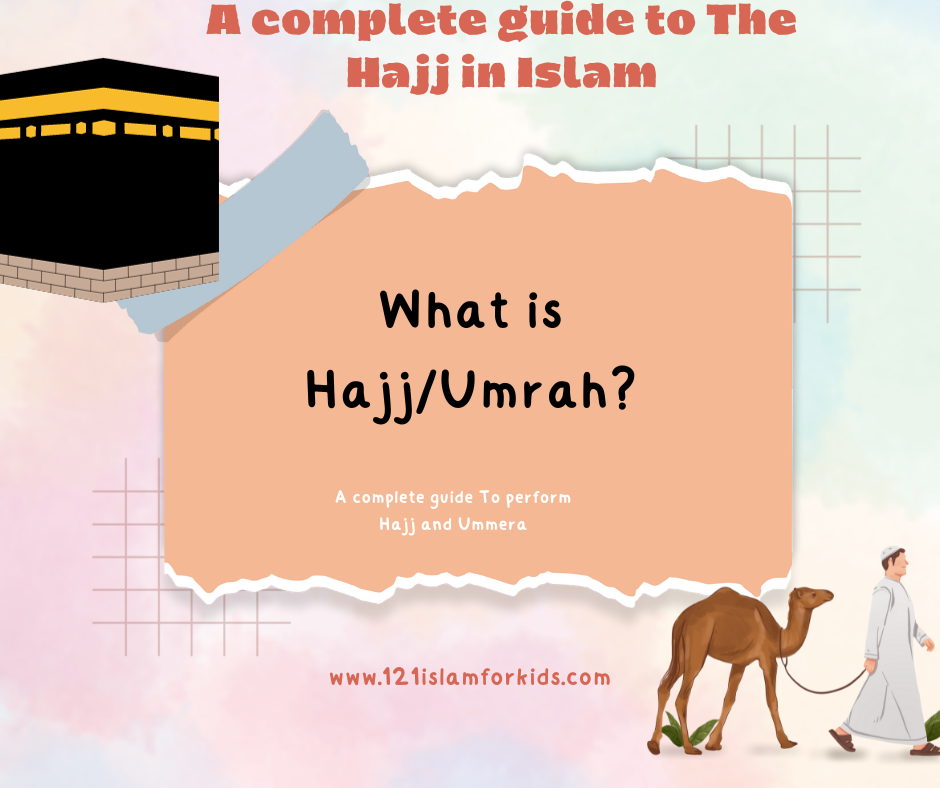
Title: The Hajj in Islam: A Journey of Faith, Unity, and Devotion
The Hajj Islam: A Journey of Faith, Unity, and DevotionIntroduction, Historical Background, The Hajj Rituals, Modern Hajj Introduction of the Hajj Islam The Hajj, one of the Five Pillars of Islam, is a pilgrimage to the holy city of Mecca in Saudi Arabia that every adult Muslim who is physically and financially capable must undertake at least once in their lifetime. This sacred journey is not merely a religious obligation but also a profound spiritual experience that holds immense significance in the lives of Muslims worldwide. The Hajj is a testament to the unity of the Islamic community, the ummah, and represents the submission of a Muslim to the will of Allah. In this comprehensive article, we will explore the history, significance, rituals, and modern experience of the Hajj, shedding light on its deep spiritual and cultural aspects. I. Historical Background 1.1 The Origins of the Hajj The roots of the Hajj can be traced back to the time of the Prophet Ibrahim (Abraham) and his family. According to Islamic tradition, Prophet Ibrahim, along with his wife Hagar (Hajira), and their son Prophet Isma’il (Ishmael), played a pivotal role in the establishment of the holy city of Mecca and the rituals of the Hajj. Ibrahim is regarded as a central figure in monotheistic faiths, and his willingness to sacrifice his son, Isma’il, in obedience to God’s command is a story echoed in the Hajj rituals. 1.2 The Kaaba: The Heart of the Hajj Central to the Hajj is the Kaaba, a cubic structure located within the Masjid al-Haram in Mecca. The Kaaba is believed to be the House of Allah and the most sacred site in Islam. Pilgrims circumambulate the Kaaba during the Hajj, a ritual known as Tawaf, signifying their submission to the One True God. 1.3 Early Pilgrimage Traditions The Hajj was practiced by the Prophet Muhammad and his companions in the early years of Islam. The rituals have evolved, incorporating elements from the pre-Islamic Arabian traditions that were already associated with the Kaaba, such as circumambulation and the sacrifice of animals. II. Significance of the Hajj 2.1 Spiritual Transformation The Hajj is a deeply spiritual journey, during which pilgrims seek to attain taqwa, or God-consciousness, and increase their devotion to Allah. The rigorous rituals and the pilgrimage experience are designed to cleanse the soul and encourage self-reflection, humility, and a deeper connection with the divine. 2.2 Submission and Unity The Hajj serves as a powerful symbol of the unity of the Muslim community. Regardless of nationality, race, or social status, all pilgrims dress in simple, identical white garments called Ihram. This dress code eliminates distinctions and emphasizes the equality of all Muslims before Allah. The collective worship and rituals during the Hajj reinforce the sense of unity and brotherhood among the ummah. 2.3 Commemoration of Prophetic Traditions The Hajj is rich in symbolism and references to the lives of the Prophets, particularly Prophet Ibrahim and his family. Pilgrims reenact the story of Ibrahim and Isma’il by participating in the Stoning of the Devil ritual and the sacrifice of an animal, emphasizing the themes of obedience, faith, and trust in God’s providence. III. The Hajj Rituals 3.1 Ihram: The State of Pilgrimage Before embarking on the Hajj, pilgrims must enter the state of Ihram, a state of ritual consecration. This involves wearing special clothing, abstaining from certain behaviors, and reciting the intention to perform the Hajj. The state of Ihram signifies the pilgrim’s departure from worldly concerns and their focus on the sacred journey ahead. 3.2 Tawaf: Circumambulation of the Kaaba The first ritual of the Hajj is the Tawaf, in which pilgrims walk seven times counterclockwise around the Kaaba, with each circumambulation representing a different spiritual aspect of the journey. The Tawaf serves as a powerful symbol of devotion and submission to God. 3.3 Sa’i: The Walk Between Safa and Marwah Pilgrims then undertake the Sa’i, a walk between the hills of Safa and Marwah, following in the footsteps of Hagar as she searches for water for her son Isma’il. This ritual symbolizes the theme of trust in God’s providence and the concept of seeking His guidance and help. 3.4 Standing at Arafat Arafat is a plain located just outside of Mecca where pilgrims gather on the 9th day of Dhul-Hijjah. Here, they stand in prayer and supplication, seeking forgiveness and purification. This is considered the most crucial part of the Hajj, and it is believed that a sincere prayer at Arafat can result in the forgiveness of sins. 3.5 Stoning of the Devil Pilgrims participate in the Stoning of the Devil ritual by casting stones at three pillars representing Satan’s temptations. This symbolizes the rejection of evil influences and the determination to resist sin. 3.6 Eid al-Adha: The Sacrifice On the 10th day of Dhul-Hijjah, pilgrims engage in the sacrifice of an animal, often a sheep or goat, commemorating Prophet Ibrahim’s willingness to sacrifice his son Isma’il in obedience to God’s command. The meat is distributed to those in need, emphasizing the themes of charity and sharing. 3.7 Tawaf al-Ifadah After the sacrifice, pilgrims return to Mecca for another Tawaf around the Kaaba, marking the completion of the main Hajj rituals. This circumambulation serves as a final act of devotion and connection with the holy site. 3.8 Tawaf al-Wida: Farewell Circumambulation Before leaving Mecca, pilgrims perform a farewell Tawaf as a final act of worship and gratitude. This marks the conclusion of the Hajj, and pilgrims often take the opportunity to pray for themselves and their loved ones. IV. Modern Experience of the Hajj 4.1 Preparation and Planning In the modern era, the Hajj has become more accessible to Muslims from all corners of the globe due to advancements in transportation and communication. Pilgrims must undertake thorough preparations, including obtaining visas, and vaccinations, and understanding the logistics of their journey. 4.2 Challenges of Mass Pilgrimage The Hajj presents unique logistical challenges, as millions of pilgrims converge on Mecca in a short period. Issues such as
What are the teachings of surah ash-shams(91)? Easy tafsir
Unlock the lessons of Surah Ash Shams through a dynamic teaching method. Blend storytelling, tajweed, and reflection, fostering gratitude and choices for success. Introduction of Surah Ash Shams Sure! Surah Ash-Shams is like a magical story that teaches us important lessons. It tells us about a special messenger, Prophet Saleh, who was sent by Allah to guide a group of people called the Thamud. In this story, Allah gave the Thamud a unique camel as a sign of His power. Prophet Saleh warned them to be kind to the camel and to be grateful for Allah’s blessings. But some of the Thamud didn’t listen. They became proud and rebellious, and even after being warned, they harmed the special camel. Because of their bad choices, Allah was not pleased. His wrath came upon the Thamud, and their homes were leveled to the ground. The story teaches us that making good choices brings happiness and success while making bad choices leads to disappointment and failure. So, children, the lesson from Surah Ash-Shams is to be like the heroes in the story. Be kind, be grateful for the good things around you, and always listen to the wise advice given by those who guide you on the right path. This way, you’ll have a happy and successful tale filled with goodness. Words meaning and Tafsir Verse 1: Arabic: وَٱلشَّمْسِ وَضُحَىٰهَا English: “By the sun and its brightness,” Word Meaning: “By the sun and its brightness,” (Quran 91:1) Now, let’s explore a children-friendly explanation inspired by Tafsir Ibn Kathir: Imagine the Quran is like a special guidebook that helps us understand the world and teaches us how to be good people. In this verse, Allah is talking about the sun, that bright and warm ball of light in the sky. When Allah says, “By the sun and its brightness,” it’s like saying, “Pay attention to the sun and the light it gives us.” The sun is essential for our world. It provides us with light during the day and makes everything bright and clear. Now, let’s think about why Allah might be mentioning the sun. Allah shows us how amazing His creations are and how everything in nature has a purpose. Just like the sun brightens our day, Allah wants us to bring brightness and goodness into the world. So, when you see the sun shining, remember that Allah is reminding you to spread kindness, just like the sun spreads light. Be a source of warmth and happiness for others, just like the sun is a source of warmth for the Earth. In summary, this verse is a beautiful way of teaching us to appreciate the sun and the light it brings. It’s also a reminder to be like the sun by spreading kindness and goodness to make the world a brighter place. Verse 2 Arabic: وَٱلْقَمَرِ إِذَا تَلَىٰهَا English: “And [by] the moon when it follows it,” Word Meaning: Now, let’s provide a children-friendly explanation inspired by Tafsir Ibn Kathir: Imagine the Quran is like a magical storybook that tells us about the wonders of the world. In this verse, Allah is talking about the moon, that shiny and gentle light we see at night. When Allah says, “And [by] the moon when it follows it,” it’s like saying, “Think about the moon and how it quietly follows the sun.” The moon doesn’t have its light; it reflects the light of the sun. So, when the sun goes away, the moon comes out and shares its gentle glow with us. Just like the moon follows the sun, Allah wants us to learn about the beauty of order and harmony in the world. It’s like having a friend who supports you, just like the moon supports the night by giving it a soft and peaceful light. So, when you see the moon in the sky, remember that Allah is teaching us about cooperation and sharing. Be like the moon in your life by helping and being a good friend to others, especially when they need a little light in their darkness. In summary, this verse teaches us to appreciate the moon’s gentle glow and reminds us to be supportive and kind, just like the moon follows the sun to light up the night. Verse 3 Arabic: وَٱلنَّهَارِ إِذَا جَلَّىٰهَا English: “And [by] the day when it displays it,” Word Meaning: Now, let’s provide a children-friendly explanation inspired by Tafsir Ibn Kathir: Imagine the Quran is like a treasure map, and in this verse, Allah is talking about something special: the daytime, when the sun shines bright. When Allah says, “And [by] the day when it displays it,” it’s like saying, “Look at the daytime when the sun makes everything bright and clear.” During the day, we can see the world around us, play, and learn new things because of the sunlight. Just like the daytime shows us the beauty of the world, Allah wants us to use our time wisely during the day. It’s like having a big playground where we can learn, be kind to others, and enjoy the blessings that Allah has given us. So, when you see the sun in the sky during the day, remember that Allah is reminding you to be active, learn, and make the most of your time. Be like the daytime by spreading happiness, just as the sunlight spreads across the earth. In summary, this verse encourages us to appreciate the brightness of the daytime and use our time wisely to learn, play, and be kind to others. It’s a reminder to be a source of light and joy, just like the day when the sun displays its radiant glow. Verse 4 Arabic: وَٱلَّيْلِ إِذَا يَغْشَىٰهَا English: “And [by] the night when it covers it,” Word Meaning: Now, let’s provide a children-friendly explanation inspired by Tafsir Ibn Kathir: Imagine the Quran as a magical storybook that tells us about the wonders of the world. In this verse, Allah talks about something very special: the nighttime,
Free Quranic story: Surah Ash-Shams 91: Reflection for children
This is the story of Prophet Saleh and Surah Ash Shams. This is a very interesting story crafted for children to explain the surah easiest way. Let’s start our story. Surah Ash shams reflection “The Illuminated Hearts”: One bright afternoon, Grandma Aisha sat with her grandchildren in the cozy living room. The scent of freshly baked cookies filled the air as the children gathered around, eager for stories from their wise grandmother. Grandma Aisha: “My little treasures, today I’ll share a tale from Surah Ash-Shams, a chapter filled with wisdom and lessons for our hearts. Allah, the Most Merciful, begins this surah with a series of oaths, each carrying a profound message.” Lina, the youngest, asked with wide eyes: “Why so many oaths, Grandma?” Grandma Aisha smiled: “Each oath emphasizes recognizing Allah’s creation. The sun, the moon, the day, the night, the sky, and the earth all bear witness to the perfection of Allah’s design. Just as these creations follow a divine order, we too must understand the order in our lives.” Ahmed, a spirited boy, said, “But Grandma, what’s the order for us?” Grandma Aisha: “That’s a wonderful question, Ahmed. The order for us is to keep our souls pure. Allah, in His infinite wisdom, has gifted us with a soul and a conscience. Just like we clean our bodies daily, we must purify our hearts from negativity, greed, and arrogance.” Layla, the thoughtful one, pondered: “How can we purify our souls, Grandma?” Grandma Aisha, chuckling: “Well, my dear, just like we clean our rooms, we clean our hearts. Acts of kindness, helping others, and being grateful are like windows to our souls. And when we let the light of goodness in, our hearts become pure and bright.” Inspired by their grandmother’s words, the children shared stories of their acts of kindness, from helping neighbors to sharing toys. As the sun dipped below the horizon, Grandma Aisha began weaving the tale of the people of Thamud. She spoke of their remarkable skills, intelligence, and prosperity. However, among them was a wise and compassionate prophet named Saleh. A Tale of Surah Ash-Shams and the People of Thamud.” Grandma Aisha: Once upon a time, in a faraway land, there were people known as the Thamud. These were clever and skilled individuals, like their forefathers. Layla: Forefathers? Who were they? Grandma Aisha: The people of Aad, where prophet Hud was sent. So the saved people of Aad were now known as Thamood. They accepted the message of Prophet Hud and were on the right path then. But as time went by, they forgot to be thankful for the wonderful things Allah had given them. The people of Thamud were bestowed with remarkable skills and unique blessings by Allah. Endowed with exceptional intelligence and craftsmanship, they built grand structures and carved dwellings into the mountains, showcasing their architectural prowess. Their skills in agriculture and irrigation allowed them to cultivate the arid lands, turning barren spaces into flourishing gardens. Blessed with strength and ingenuity, the people of Thamud thrived in a society marked by prosperity and innovation, enjoying the fruits of their God-given talents. However, these blessings came with a divine expectation of gratitude and righteous conduct, a lesson that echoes through the story of Thamud in the Quran In this land, Allah sent a special messenger named Prophet Saleh to guide the people back to the right path. He came with a message of goodness and kindness, urging them to be grateful for Allah’s blessings. Now, Allah decided to test the Thamud with a remarkable miracle—a magical she-camel. This wasn’t just any camel; it had a special schedule for drinking water, and it was a sign of Allah’s incredible power. Prophet Saleh (PBUH) told the Thamud about the importance of taking care of this unique camel and respecting the signs of Allah. He warned them not to harm the camel or face severe consequences. But, oh dear! There were some people among the Thamud who didn’t listen. They became proud and rebellious, thinking they knew better than Allah’s messenger. They decided to harm the she-camel, a symbol of goodness. Qudar, driven by arrogance and defiance, plotted to harm the she-camel. One fateful day, as the she-camel quenched its thirst, Qudar took a bow and arrow, aiming for the defenseless creature. The arrow struck, causing severe harm to the miraculous camel. Upon this wicked act, a divine punishment was set in motion. The skies darkened, and a thunderous sound echoed through the valley. Allah’s wrath descended upon the people of Thamud in the form of a violent earthquake and a powerful scream from the heavens. The once-prosperous town of Thamud lay in ruins. The defiant and corrupt were destroyed, while those who followed Prophet Saleh and upheld righteousness were saved. Qudar, the one who harmed the she-camel, faced a fitting punishment as he was seized by the angel of death. The story of Thamud and Prophet Saleh serves as a powerful reminder of the consequences of arrogance, defiance, and corruption. It emphasizes the importance of gratitude, obedience to divine guidance, and the severe repercussions for those who choose the path of wickedness. So, dear children, let’s be like the heroes in this story. Be kind, be grateful for the blessings around you, and always listen to the good advice given by those who guide you on the right path. In doing so, you’ll live a magical and happy tale filled with goodness and success. As Grandma Aisha concluded the story, the room fell silent, the weight of the tale sinking in. The children, now aware of the importance of goodness and humility, carried the lessons of Surah Ash-Shams in their hearts. More Reads If you want to get the step-by-step teaching method of Surah ash Shams please visit this link. If you want to read more stories Please visit this link. If you want to get videos on these lessons please visit this link. If you want to get Urdu stories and content
The Extraordinary Tale of Prophet Muhammad (SAW)A Captivating Biography for Young Hearts”
Best online Quran classes for kids and Beginners
Nurturing Faith: The Significance of Online Quran Classes for Kids by 121 Islam for Kids Introduction: In an era dominated by digital advancements, the realm of education has witnessed a transformative shift towards online platforms. The same holds true for religious education, particularly for Islam, where the significance of imparting teachings to the younger generation is paramount. One notable initiative contributing to this cause is the 121 Islam for Kids website and channels, which provide high-quality online Quran classes tailored specifically for children and beginners. In this article, we will delve into the importance of online Quran classes for kids and explore how 121 Islam for Kids is making a profound impact on Islamic education. The Need for Specialized Quran Classes for Kids: As the saying goes, “Train up a child in the way he should go, and when he is old, he will not depart from it.” This wisdom holds immense relevance when it comes to religious education, particularly in Islam. Children are like sponges, absorbing information and experiences around them at an astonishing rate. Providing them with a solid foundation in their faith during their formative years is crucial for shaping their worldview and moral compass. Online Quran classes for kids offer a dynamic and interactive approach to learning the Holy Quran. Traditional methods, while effective, may not always be as engaging for younger minds. Tailoring the curriculum to suit the learning styles and preferences of children ensures a more enjoyable and effective learning experience. This is where platforms like 121 Islam for Kids step in, recognizing the need for specialized Quranic education designed specifically for the younger audience. Advantages of Online Quran Classes for Kids: 121 Islam for Kids: Bridging the Gap in Islamic Education: Founded with a vision to provide authentic and engaging Islamic education for children, 121 Islam for Kids has emerged as a beacon of knowledge in the online education landscape. Through its website and channels, this platform has successfully addressed the need for specialized online Quran classes for kids, ensuring that the teachings of Islam are passed down to the younger generation with utmost care and precision. Conclusion: In a rapidly evolving world, the importance of nurturing faith in the hearts of young Muslims cannot be overstated. Online Quran classes for kids, especially those provided by platforms like 121 Islam for Kids, play a pivotal role in ensuring that the younger generation develops a strong connection with the Quran and understands the principles of Islam. By offering a flexible and interactive learning environment, 121 Islam for Kids goes beyond conventional methods to make Islamic education a meaningful and enjoyable experience for children. As technology continues to shape the landscape of education, initiatives like these serve as beacons of hope, preserving the rich traditions of Islam while adapting to the needs of the modern world. Through online Quran classes, 121 Islam for Kids is sowing the seeds of knowledge and faith, nurturing a generation that will carry the torch of Islamic wisdom into the future. Unlocking the Divine: A Guide to Learning the Quran for Beginners Introduction: Embarking on the journey of learning the Quran as a beginner can be both a rewarding and transformative experience. The Quran, the holy book of Islam, is a source of guidance and wisdom that transcends time and space. For those new to its teachings, understanding how to approach learning the Quran can be the key to unlocking a deeper connection with the divine. In this article, we will explore the steps, resources, and mindset necessary for effective learning of the Quran for beginners. Conclusion: Learning the Quran as a beginner is a profound and spiritual undertaking that requires dedication, patience, and a genuine desire to draw closer to the divine. By embracing the basics, utilizing modern technology, seeking guidance, and fostering a consistent routine, beginners can embark on a transformative journey of connecting with the timeless wisdom of the Quran. As the words of the Quran unfold, they have the power to illuminate minds, hearts, and souls, leading to a deeper understanding of faith and a more meaningful connection with the divine. Do you want to see more detail? Read this Contact us
(92)Layl Surah: 11 easy Steps to Learn with activities
Teaching Surah Layl is not just about memorization but understanding and living by its message. Here is a step-by-step study and the Complete Teaching method of Layl Surah. This method of teaching has been created for teachers/homeschooling parents and beginners to deeply study the surah. This teaching method and resources have been designed for our online Classes for Children and beginners. Details of our online classes are at our site. Introduction: itle: Surah Al-Lail – The Night In the vast treasure of the Quran, there is a special chapter called Surah Al-Lail, meaning “The Night.” Just like the night holds secrets, this Surah holds valuable lessons that light up our lives. Surah Al-Lail is like a beautiful bedtime story told by Allah to teach us about the goodness hidden in the darkness of the night. It’s a short chapter but filled with powerful messages that sparkle like stars in the sky. In this Surah, Allah talks about the balance in our lives, just like how day and night take turns. It tells us that our actions, whether big or small, have consequences, and Allah sees everything, even in the quiet of the night. Surah Al-Lail also reminds us that the best among us are those who are kind, give to others, and fear Allah, not because someone is watching, but because it comes from the goodness in their hearts. So, as you listen to the story of Surah Al-Lail, imagine the night sky filled with stars, each twinkling with a lesson for us to learn. It’s a beautiful gift from Allah, just like the night itself. Let’s dive into the enchanting world of Surah Al-Lail and discover the wisdom it holds for all of us, young and old alike. Tajweed And Memorization We Provide Word-by-word Tajweed and verse-by-verse Recitation videos to our children. Children will correct their tajweed and start to memorize Surah Al-Layl. Mmeorisation will be done on a daily basis. Our Tajweed videos are available on our YouTube channel. The link is Downside. Tajweed Tips Memorization Tips Verse by Verse word meanings of surah layl in English (Videos in Playlist) Verse 1: وَٱلَّيْلِ إِذَا يَغْشَىٰ ١ By the night when it covers, Verse 2 “وَالنَّهَارِ إِذَا تَجَلَّىٰ” “And [by] the day when it appears,” Verse 3 “وَالَّذِي خَلَقَ الذَّكَرَ وَالْأُنثَىٰ” “And He who created the male and female,” Verse 4 إِنَّ سَعْيَكُمْ لَشَتَّىٰ ٤ Surely the ends you strive for are diverse. Verse 5 “فَأَمَّا مَنْ أَعْطَىٰ وَٱتَّقَىٰ” As for the one who is charitable, mindful ˹of Allah˺, Verse 6 “وَصَدَّقَ بِٱلْحُسْنَىٰ” and ˹firmly˺ believes in the finest reward, Verse 7 فَسَنُيَسِّرُهُۥ لِلْيُسْرَىٰ We will facilitate for them the Way of Ease. Verse 8 “وَأَمَّا مَن بَخِلَ وَٱسْتَغْنَىٰ” And as for the one who is stingy, indifferent ˹to Allah˺, Verse 9 وَكَذَّبَ بِٱلْحُسْنَىٰ and ˹staunchly˺ denies the finest reward, Verse 10 فَسَنُيَسِّرُهُۥ لِلْعُسْرَىٰ We will facilitate for them the path of hardship. Verse 11 وَمَا يُغْنِى عَنْهُ مَالُهُۥٓ إِذَا تَرَدَّىٰٓ And their wealth will be of no benefit to them when they tumble ˹into Hell˺. Verse 12 إِنَّ عَلَيْنَا لَلْهُدَىٰ Verse 13 وَإِنَّ لَنَا لَلْـَٔاخِرَةَ وَٱلْأُولَىٰ Verse 14 فَأَنذَرْتُكُمْ نَارًۭا تَلَظَّىٰ verse 15 لَا يَصْلَىٰهَآ إِلَّا ٱلْأَشْقَى ١٥ Verse 16 ٱلَّذِى كَذَّبَ وَتَوَلَّىٰ ١٦ Verse 17 “وَسَيُجَنَّبُهَا ٱلْأَتْقَى” Verse 18 ٱلَّذِى يُؤْتِى مَالَهُۥ يَتَزَكَّىٰ Verse 19 وَمَا لِأَحَدٍ عِندَهُۥ مِن نِّعْمَةٍۢ تُجْزَىٰٓ Verse 20 إِلَّا ٱبْتِغَآءَ وَجْهِ رَبِّهِ ٱلْأَعْلَىٰ Verse 21 وَلَسَوْفَ يَرْضَىٰ Tafseer OF Layl Surah (Tafsir easy for kids in english) This tafsir is reflection of Tafsir Ibne Kathir (Video in Playlist) Verse 1: “By the night as it envelops,” This verse talks about how important the night is. Just like a blanket covers you to keep you warm and safe when you sleep, the night covers everything with its darkness. It’s like a protective cover that Allah made for us. Imagine a big, dark, and peaceful blanket that comes every night. It’s a gift from Allah to help us rest and be safe. The Quran often talks about night and day, and this verse reminds us to appreciate the calm and peacefulness of the night. So, when you see the nightfall, remember that it’s a beautiful gift from Allah to give us rest and comfort. It’s a time when you can sleep, dream, and be ready for a new day ahead. Verse 2: “And [by] the day when it appears,” This verse talks about the daytime. Just like the night covers everything with its darkness, the daytime is when the sun comes up and brightens everything. It’s like a big, shining smiley face in the sky that makes everything visible. So, during the day, you can see where you’re going, play with your friends, and learn new things. The Quran talks about day and night to remind us that Allah has created everything with a purpose. The day helps us see and do all the things we need to do, just like the night helps us rest and sleep. The daytime is a time to be active and do all the things we enjoy, like going to school, playing, and spending time with our families. So, when you see the sun shining in the sky, remember that it’s a wonderful gift from Allah to light up our world and make everything so beautiful. Verse 3: “And [by] He who created the male and female,” This verse talks about how Allah, the One who created everything in the universe, is the same One who created males and females. Just like Allah made the sun, the moon, the stars, the plants, and animals, He also created boys and girls. When Allah created males and females, He gave them special qualities and differences. Boys and girls have different characteristics and roles, but they are equally important and valued by Allah. He made them this way to complete and complement each other, just like puzzle pieces fit together. So, this verse reminds us that Allah is the Creator of everything, including us, and He made us with a
Best method to give charity in Islam? A complete Guide.
It’s obligatory to give charity in Islam. But do you know what the is difference between Charity Sadqa Zakat? And what are the rules for giving charity? Here a a complete guide to giving charity in Islam. Introduction to give charity in Islam: Charity, known as “Sadaqah” in Islam, is a cornerstone of the faith, reflecting its core values of compassion, social justice, and community support. Giving charity holds profound meanings, is supported by numerous Quranic verses and Hadiths, and is guided by specific rules and principles. This article delves into the virtues and significance of charity in Islam, elucidating its meanings, exploring relevant Quranic verses and Hadiths, quoting renowned Islamic scholars, and providing a comprehensive understanding of the rules governing this noble act. I. The Meanings of Charity in Islam A. A Selfless Act of Giving Charity in Islam signifies a selfless act of giving to those in need without expecting anything in return. It embodies the spirit of benevolence and empathy toward others, promoting a sense of community and social welfare. B. A Means of Spiritual Growth Charity is a path to spiritual growth and closeness to Allah (God). By giving generously, Muslims alleviate the suffering of the less fortunate and purify their souls, seeking blessings and forgiveness. II. Quranic Verses on Charity The Quran contains numerous verses that emphasize the importance and virtues of giving charity: A. Surah Al-Baqarah (Chapter 2), Verse 267: “O you who have believed, spend from the good things which you have earned.” This verse calls upon believers to share their earnings for the greater good, stressing the significance of giving from what is earned honestly and ethically. B. Surah Al-Baqarah (Chapter 2), Verse 261: “The example of those who spend their wealth in the way of Allah is like that of a grain that sprouts seven ears, and in every ear, there are a hundred grains. Thus Allah multiplies the action of whomever He wills.” This verse illustrates the abundant rewards and blessings that charity brings, highlighting the exponential growth of virtuous deeds. III. Hadiths to give Charity in Islam The Hadith, comprising the sayings and actions of the Prophet Muhammad, further emphasizes the importance of charity: A. “Charity does not decrease wealth.” This Hadith conveys the notion that giving charity does not diminish one’s wealth. On the contrary, it brings spiritual and material rewards. B. “The believers in their mutual kindness, compassion, and sympathy are like one body.” This Hadith illustrates the interconnectedness of believers, emphasizing that their collective compassion is akin to a unified body. IV. Islamic Scholar Quotes on Charity Renowned Islamic scholars throughout history have expounded on the significance of charity: A. Imam Al-Ghazali: “Charity is a sign of faith, and whoever is not charitable has no faith.” Imam Al-Ghazali underscores that charity is a fundamental expression of faith, serving as an indicator of one’s belief. B. Ibn Qayyim Al-Jawziyya: “Charity given in secret extinguishes the wrath of the Lord.” Ibn Qayyim Al-Jawziyya elucidates that giving charity privately not only aids those in need but also pleases Allah, quelling divine displeasure. V. Rules of Giving Charity Rules of Giving Zakat in Islam Zakat is one of the Five Pillars of Islam and is a mandatory form of almsgiving. It is an act of worship and a means of wealth purification for Muslims. The rules of giving Zakat in Islam include: Rules of Giving Charity (Sadaqah) in Islam Charity, known as Sadaqah in Islam, is a voluntary act of giving to those in need and holds distinct rules from Zakat. These rules include: Both Zakat and Sadaqah play crucial roles in fulfilling the social and spiritual obligations of Muslims, and they complement each other in addressing the needs of the less fortunate while purifying the wealth of those who give. While Zakat is a mandatory form of almsgiving, Sadaqah offers greater flexibility and serves as a voluntary act of kindness and compassion. You also like this about Charity Story with Hadith17| What is Best Charity in Islam|Abu Talha’sR.A great charity Hadith No 28 | What Is Best Charity In Islam? Great doner Usam R.A
New Short story for kids “Who is Allah”? Surah ‘Al-Ikhlas’
Surah Ikhlas is a short but excellent and powerful Surah of the Quran. Surah Ikhlas is an introduction to Allah. This is a story crafted to teach our children ”Who is Allah’ Reflection to Surah ‘Al-Ikhlas’ “Who is Allah”? Once upon a time, in a small village nestled between mountains and fields, three inseparable friends lived: Ahmed, Fatima, and Ali. Their days were filled with laughter and exploration as they ventured into the wonders of their surroundings. One sunny afternoon, while sitting beneath a large tree, they noticed an elderly man making his way toward them. His serene smile and wise eyes captivated their attention. The old man introduced himself as Sheikh Mustafa, and he could sense the children’s eagerness to learn. He decided to share a profound story about the importance of monotheism and the rejection of polytheism, using the enlightening Surah Al-Ikhlas as a guiding light. Sheikh Mustafa began, “Dear children, have you ever heard about the concept of monotheism? It means believing in the Oneness of Allah and recognizing that there is no deity worthy of worship except Him.” Ahmed, Fatima, and Ali exchanged puzzled glances, expressing their curiosity. Sheikh Mustafa smiled and continued, “Surah Al-Ikhlas beautifully encapsulates the essence of monotheism. It teaches us that Allah is One, and there is nothing and no one comparable to Him. He is absolutely unique, with no partners, children, or equals.” The children’s eyes widened in awe as they absorbed the profound teachings. Sheikh Mustafa explained, “Surah Al-Ikhlas invites us to reflect on the fact that Allah is eternal, and He exists independently, while everything else in the universe relies upon Him. He is the Creator, Sustainer, and Lord of all that exists.” Amazed by this revelation, Ahmed, Fatima, and Ali began to understand the significance of monotheism in their lives. Sheikh Mustafa further clarified, “Polytheism, on the other hand, refers to the belief in multiple deities or associating partners with Allah. It is a deviation from the truth and leads to confusion and spiritual emptiness.” As Sheikh Mustafa concluded his explanation, the children felt a newfound appreciation for the importance of monotheism. They recognized that embracing the concept of Oneness in their hearts and rejecting polytheism would bring them closer to Allah and fill their lives with purpose and tranquility. Ahmed, Fatima, and Ali wholeheartedly pledged to recite Surah Al-Ikhlas every day, understanding that it served as a reminder of their commitment to monotheism. It became a cherished part of their daily routine, reinforcing their belief in the uniqueness of Allah and the rejection of false gods. As the years passed, the trio faced challenges and uncertainties, but the message of Surah Al-Ikhlas remained steadfast within them. It reminded them to stay true to the path of monotheism, to turn to Allah in times of need, and to shun any form of polytheism. The story of Ahmed, Fatima, and Ali serves as an enlightening example for children and adults alike, emphasizing the significance of understanding and embracing monotheism while rejecting polytheism. Surah Al-Ikhlas teaches us that Allah is the One and Only, deserving of our utmost devotion and worship. It instills in us a deep sense of gratitude, love, and reliance on Allah’s guidance and mercy. So, my dear children, always remember the profound teachings of Surah Al-Ikhlas. Let it resonate in your hearts, illuminating your journey through life. Embrace the beauty of monotheism and reject any false paths. May Surah Al-Ikhlas inspire you to seek the Oneness of Allah and find solace in His love and guidance. Surah Ikhlas Tafseer More Islamic Stories in a video on Channel (English) More Islamic Story in a video on Channel (Urdu) Islamic courses online ~ Surah Al-Ikhlas in 11 easy steps (dev.121islamforkids.com/) More Islamic / Quranic stories Stories in Urdu Our online courses and classes for kids and beginners Stories Books