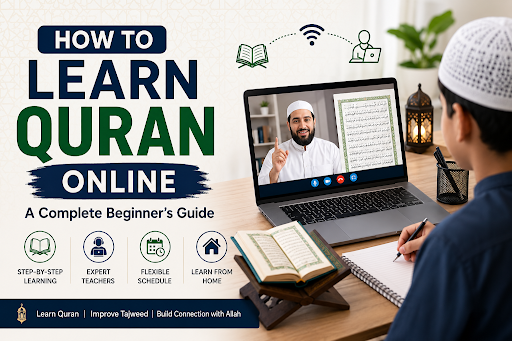
The Holy Quran is the ultimate source of guidance for every Muslim. It teaches us how to worship Allah, build strong character, and live a life filled with purpose and compassion. While millions of Muslims desire to read and understand the Quran, many struggle to find qualified teachers or suitable learning opportunities due to busy schedules, distance, or limited access to Islamic institutions.
Fortunately, online Quran learning has changed everything. Today, students from anywhere in the world can learn directly from experienced Quran teachers without leaving their homes. Whether you’re living in the United States, Canada, the United Kingdom, Australia, or another country where Islamic schools are limited, online Quran classes make quality Islamic education easily accessible.
Learning the Quran online is more than simply attending virtual lessons. It involves following a structured learning path, practicing consistently, choosing a qualified teacher, and staying motivated throughout your journey. With the right approach, students of all ages can develop strong Quran reading skills, improve Tajweed, memorize Surahs, and strengthen their relationship with Allah.
If you’re searching for how to learn Quran online, this beginner-friendly guide explains every step of the process. From selecting the right Online Quran academy to building an effective daily study routine, you’ll discover practical tips that help you start your Quran journey with confidence.
The demand for online Quran education has grown significantly over the past few years. Families appreciate the convenience of learning from home, while adult students value the flexibility that allows them to balance Quran study with work, university, and family responsibilities.
Unlike traditional classes that require travel and fixed schedules, online Quran classes provide flexible lesson times that fit almost any lifestyle. Students can schedule sessions early in the morning, during lunch breaks, or in the evening without worrying about commuting. This convenience encourages consistent attendance, which is one of the biggest factors in successful Quran learning.
Technology has also improved the quality of online education. Modern video conferencing platforms allow teachers to hear pronunciation clearly, correct mistakes immediately, and share learning materials during live lessons. Many academies even provide recorded classes, progress reports, and digital learning resources to support students outside class hours.
Perhaps the greatest advantage is access to qualified Quran teachers. Instead of being limited to local instructors, students can learn from certified male and female teachers with years of teaching experience. This global accessibility has made online Quran education one of the most effective ways to begin learning the Quran.
Learning the Quran online offers numerous advantages that make the experience convenient, effective, and enjoyable for students of all ages.
| Benefit | Why It Matters |
| Flexible Schedule | Choose lesson times that fit your daily routine. |
| One-on-One Classes | Receive personalized attention from your teacher. |
| Learn from Home | Study comfortably without traveling. |
| Qualified Teachers | Learn from experienced male and female Quran tutors. |
| Interactive Lessons | Live classes improve understanding and engagement. |
| Affordable Learning | Many academies offer flexible plans and free trials. |
| Safe Learning Environment | Parents can supervise children’s lessons at home. |
These benefits explain why thousands of Muslim families now prefer online Quran classes over traditional classroom learning.
One of the greatest strengths of online Quran education is its flexibility. Regardless of your age, educational background, or previous Quran knowledge, you can begin learning at a pace that suits you.
Online Quran classes are ideal for:
Every learner has different goals. Some wish to read the Quran fluently, while others focus on memorization, Tajweed, or understanding the meanings of the verses. Professional Quran teachers customize lesson plans according to each student’s needs, making online learning effective for everyone.
Starting your online Quran journey is much easier than many beginners imagine. You don’t need advanced Arabic knowledge or expensive technology. A few simple tools and a sincere commitment are enough to begin.
Before your first class, prepare the following:
Having these essentials ready allows you to focus entirely on learning instead of dealing with technical interruptions during class.
Every act of worship begins with sincerity, and learning the Quran is no exception. Before enrolling in any course, remind yourself that your goal is to seek the pleasure of Allah and strengthen your understanding of His words.
Many beginners become discouraged because they compare themselves with others. Some students learn quickly, while others need additional practice to master pronunciation or Tajweed rules. Remember that everyone’s learning journey is different. The important thing is to remain patient and continue improving one lesson at a time.
A sincere intention also helps maintain motivation during difficult moments. There will be days when lessons feel challenging or progress seems slow, but every effort you make while learning the Quran is rewarded. Instead of focusing on how long the journey will take, concentrate on making consistent progress each day.
Learning the Quran becomes much easier when you follow a structured roadmap. Each stage builds upon the previous one, helping you develop confidence and accuracy before moving to more advanced topics.
Every beginner starts by learning the Arabic alphabet. Since the Quran was revealed in Arabic, understanding each letter is essential before attempting to read complete words and verses.
Your teacher will introduce you to:
Spending enough time mastering the alphabet creates a strong foundation that makes every future lesson easier.
Once you’ve learned the Arabic letters, the next stage is Noorani Qaida. This beginner-friendly book has helped millions of students around the world develop accurate Quran reading skills.
Noorani Qaida gradually teaches:
Rather than overwhelming students with complicated grammar, Noorani Qaida focuses on practical exercises that prepare learners for reading the Holy Quran correctly.
After completing Noorani Qaida, your teacher will guide you through your first Quran reading lessons. This stage is exciting because you begin applying everything you’ve learned to the actual words of Allah.
At first, your reading may be slow, but that’s completely normal. Your teacher will correct pronunciation mistakes immediately and encourage careful reading instead of rushing. With regular practice, your fluency and confidence will continue improving.
Many beginners start by reading shorter Surahs from the final Juz of the Quran because they are easier to understand, memorize, and use during daily Salah.
Reading the Quran correctly requires more than recognizing words. Tajweed teaches the proper pronunciation of every letter, preserving the beauty and authenticity of Quran recitation.
Your teacher will gradually introduce important Tajweed rules, including:
Learning these rules step by step helps students develop accurate pronunciation without feeling overwhelmed.
The following Tajweed concepts should be mastered before moving to advanced recitation:
| Tajweed Rule | Purpose |
| Makharij | Pronounce every Arabic letter correctly. |
| Noon Sakinah & Tanween | Apply proper nasal sounds. |
| Meem Sakinah | Improve pronunciation of the letter Meem. |
| Madd | Learn where vowels should be lengthened. |
| Qalqalah | Produce echoing sounds correctly. |
| Ghunnah | Master nasal pronunciation in specific letters. |
These rules preserve the correct recitation of the Quran exactly as it was taught by Prophet Muhammad ﷺ.
Consistent practice is the secret to long-term success. Even the best Quran teacher cannot help a student who only studies during class time.
A simple daily routine might include:
| Activity | Time |
| Revise previous lesson | 10 minutes |
| Read new verses | 15 minutes |
| Practice Tajweed | 10 minutes |
| Listen to a Qari | 10 minutes |
| Correct mistakes | 10 minutes |
Practicing for just 40–45 minutes each day can produce remarkable improvement over several months. The goal is not to study for hours but to remain consistent. Small daily efforts eventually become lifelong habits, making Quran learning easier and more enjoyable.
Choosing the right online Quran academy is one of the most important decisions you’ll make during your Quran learning journey. A good academy doesn’t simply assign a teacher and start classes. It follows a structured curriculum, monitors student progress, and creates an encouraging environment where learners can improve with confidence. Since there are hundreds of Quran academies available online, comparing them carefully before enrolling can save you time, money, and frustration.
Start by visiting the academy’s website and exploring the courses they offer. A professional Quran academy clearly explains its teaching methodology, introduces its instructors, and provides information about class schedules, pricing, and learning materials. Reading student testimonials and reviews can also help you understand the academy’s reputation and the quality of its teaching.
Another factor to consider is flexibility. Every student has different responsibilities, whether it’s work, school, or family commitments. The best academies allow you to choose lesson times that fit your schedule and offer make-up classes if you miss a session. Many also provide free trial classes, allowing you to experience the teaching style before making a long-term commitment.
Above all, choose an academy that prioritizes student learning over simply completing lessons. A teacher who patiently explains concepts, corrects mistakes, and motivates students will make your Quran learning journey both enjoyable and successful.
A qualified Quran teacher plays a vital role in helping students develop accurate recitation, strong Tajweed skills, and confidence in reading the Quran. Beyond knowledge, an effective teacher knows how to communicate clearly, encourage students, and adapt lessons to different learning styles.
Here are some important qualities to look for:
| Quality | Why It Matters |
| Strong Quran Knowledge | Ensures authentic and accurate teaching. |
| Tajweed Expertise | Helps students pronounce every letter correctly. |
| Teaching Experience | Makes lessons easier for beginners to understand. |
| Patience | Encourages students to ask questions without fear. |
| Good Communication | Explains difficult concepts in simple language. |
| Positive Attitude | Builds confidence and keeps students motivated. |
| Time Management | Makes every lesson productive and organized. |
An excellent teacher understands that every student progresses differently. Instead of rushing through lessons, they focus on helping students master each topic before moving to the next one.
Before joining any online Quran academy, it’s important to ask a few key questions. These questions help you compare different academies and ensure that you choose one that matches your learning goals.
Ask the academy:
A trustworthy academy will answer these questions openly and provide all the information you need before enrollment.
Learning the Quran becomes much easier when you follow a clear roadmap instead of studying random topics. Every stage prepares you for the next, helping you build confidence while avoiding unnecessary confusion.
| Stage | Objective |
| Stage 1 | Learn the Arabic Alphabet |
| Stage 2 | Complete Noorani Qaida |
| Stage 3 | Practice Basic Pronunciation |
| Stage 4 | Begin Reading the Quran |
| Stage 5 | Learn Basic Tajweed |
| Stage 6 | Improve Fluency Through Daily Practice |
| Stage 7 | Memorize Short Surahs |
| Stage 8 | Continue Revision and Advanced Tajweed |
Following this sequence ensures that every new lesson builds upon skills you’ve already mastered. Skipping important stages often leads to pronunciation mistakes that become difficult to correct later.
Every student’s learning speed is different, so there isn’t a single timeline that applies to everyone. Some learners progress quickly because they attend classes regularly and practice every day, while others need more time due to busy schedules or limited study opportunities.
The following timeline provides a general idea of what beginners can expect:
| Learning Goal | Average Time |
| Learn Arabic Letters | 2–4 Weeks |
| Complete Noorani Qaida | 2–4 Months |
| Read the Quran Fluently | 6–12 Months |
| Learn Basic Tajweed | 4–8 Months |
| Memorize Short Surahs | Ongoing |
Remember that these estimates are only guidelines. Consistency, dedication, and quality instruction matter much more than trying to finish quickly.
Every beginner makes mistakes while learning the Quran, but recognizing them early can help you progress much faster.
One of the most common mistakes is trying to learn without a qualified teacher. Although videos, apps, and online resources are helpful, they cannot listen to your recitation or correct your pronunciation. Without proper guidance, small mistakes can become permanent habits.
Another mistake is focusing only on speed. Many beginners want to finish reading the Quran as quickly as possible, but correct pronunciation is far more important than reading fast. Building a strong foundation takes time, and rushing often leads to errors that require additional correction later.
Some students also neglect daily revision. Attending classes without reviewing previous lessons makes it difficult to retain new information. Spending just fifteen to twenty minutes reviewing each day greatly improves long-term memory and confidence.
Frequently changing teachers is another mistake. Every teacher has a unique teaching style, and switching instructors too often interrupts your learning process. Give yourself enough time to adapt before deciding whether a different teacher is necessary.
Avoid these habits if you want steady progress:
Learning the Quran is a lifelong journey. Progress comes through patience, consistency, and sincere effort.
Staying motivated throughout your Quran journey is just as important as choosing the right teacher. Motivation naturally rises and falls, but developing good habits helps you remain consistent even when enthusiasm decreases.
Set realistic goals that you can achieve each week. For example, instead of trying to memorize several pages at once, focus on mastering a few verses with proper Tajweed. Small achievements create momentum and keep you motivated.
Celebrate your progress, no matter how small. Successfully pronouncing a difficult Arabic letter or completing a new lesson is an accomplishment worth appreciating. Recognizing these milestones helps build confidence and encourages continued learning.
Listening to beautiful Quran recitations also strengthens motivation. Hearing experienced reciters reminds you of the beauty of the Quran and inspires you to improve your own recitation.
Most importantly, remember why you started. Learning the Quran is an act of worship that brings countless rewards in this life and the Hereafter. Keeping this purpose in mind makes it easier to remain committed even during challenging periods.
Consistency is the foundation of successful Quran learning. Instead of studying for several hours once a week, it’s far more effective to practice for a shorter time every day.
A balanced daily study routine could include:
| Activity | Duration |
| Review Yesterday’s Lesson | 10 Minutes |
| Learn New Material | 20 Minutes |
| Practice Tajweed | 10 Minutes |
| Listen to Quran Recitation | 10 Minutes |
| Self-Assessment | 5 Minutes |
This simple routine requires less than one hour each day while providing continuous improvement in reading, pronunciation, and confidence.
Learning the Quran online becomes much easier when you combine live classes with reliable learning resources. While your Quran teacher should remain your primary source of guidance, additional tools can help reinforce lessons, improve pronunciation, and make daily revision more effective. Modern technology has given students access to digital Quran apps, audio recitations, and interactive learning platforms that support learning from anywhere in the world.
One of the most valuable resources is a digital Mushaf. These apps allow students to read the Quran on their smartphones, tablets, or computers whenever they have free time. Many also include translation options, bookmarks, and audio recitations, making revision more convenient. Listening to well-known Qaris can also improve pronunciation because students naturally become familiar with proper Tajweed and rhythm through repeated listening.
Students who are serious about improving should also maintain a Quran journal. Recording difficult words, Tajweed rules, homework, and teacher feedback helps reinforce learning and provides a clear record of progress. Over time, reviewing these notes can strengthen memory and increase confidence.
| Resource | Benefit |
| Digital Quran Apps | Read and revise anywhere. |
| Quran Audio Recitations | Improve pronunciation and fluency. |
| Tajweed Learning Apps | Practice Tajweed rules independently. |
| Digital Notes | Record lesson summaries and revisions. |
| Online Dictionaries | Learn basic Arabic vocabulary. |
| Flashcards | Memorize Arabic letters and Quranic words faster. |
These resources should always support your teacher’s instruction rather than replace it. A qualified Quran teacher remains essential for correcting pronunciation and ensuring accurate recitation.
Parents today want more than just convenience—they want high-quality Quran education that fits their family’s daily routine. Online Quran classes provide a safe, flexible, and personalized learning environment, making them one of the most popular choices for Muslim families worldwide.
One major advantage is individual attention. Unlike crowded classrooms, one-on-one online lessons allow teachers to focus entirely on one student. Children receive immediate correction, additional practice when needed, and lessons tailored to their learning speed. This personalized approach often produces faster progress and greater confidence.
Parents also appreciate the flexibility of online classes. Instead of rushing to evening Quran lessons after school or work, children can attend classes from home at convenient times. This reduces travel stress and allows families to maintain a balanced schedule.
Another benefit is transparency. Since classes take place at home, parents can observe lessons, communicate with teachers, and monitor their child’s progress. Many academies provide monthly progress reports, making it easier for parents to stay involved in their child’s Islamic education.
For families living in countries where qualified Quran teachers are not easily available, online learning offers access to experienced teachers from around the world.
Not every student begins with the same objective. Some learners want to read the Quran correctly, while others hope to memorize it or improve their Tajweed. Choosing the appropriate course ensures that your lessons remain focused and aligned with your personal goals.
| Learning Goal | Recommended Course |
| Learn Arabic Letters | Arabic Alphabet Course |
| Learn Quran Reading | Noorani Qaida Course |
| Improve Pronunciation | Tajweed Course |
| Memorize the Quran | Hifz Program |
| Understand Meanings | Quran Translation & Tafseer |
| Learn Islamic Basics | Islamic Studies Course |
Before enrolling, discuss your goals with the academy. A professional Quran teacher will recommend the course that best matches your current level and future objectives.
Choosing between online Quran classes and traditional classroom learning depends on your lifestyle, location, and personal preferences. Both methods have their advantages, but online learning offers several unique benefits for modern students.
| Feature | Online Quran Classes | Traditional Classes |
| Flexible Scheduling | Yes | Limited |
| Learn from Home | Yes | No |
| One-on-One Lessons | Usually Available | Sometimes Limited |
| Teacher Selection | Worldwide | Local Only |
| Travel Required | None | Yes |
| Recorded Lessons | Often Available | Rare |
| Parent Supervision | Easy | Limited |
| Convenience | Excellent | Moderate |
Students living in countries where qualified Quran teachers are scarce often find online learning to be the most practical and effective solution. It combines expert instruction with flexibility, making Quran education accessible regardless of location.
Learning the Quran is not a race. The goal is to recite correctly, understand what you learn, and build a lifelong connection with the words of Allah. However, adopting a few effective habits can help you make steady progress while maintaining accuracy.
One of the most valuable habits is revising every lesson before your next class. Spending fifteen to twenty minutes reviewing previous material strengthens memory and allows your teacher to introduce new concepts more efficiently. Students who revise consistently usually progress much faster than those who rely only on classroom instruction.
Listening to experienced Quran reciters every day also improves pronunciation naturally. As your ears become familiar with correct Tajweed and rhythm, your own recitation begins to improve. Try listening during your commute, while exercising, or before going to sleep.
Keeping a Quran journal is another excellent habit. Record difficult words, teacher corrections, Tajweed rules, and weekly goals. Looking back at your notes helps reinforce learning and reminds you how much progress you’ve already made.
Most importantly, never become discouraged by mistakes. Every experienced Qari once struggled with pronunciation and fluency. Mistakes are part of the learning process, and each correction brings you closer to mastering Quran recitation.
To continue improving:
Many beginners believe they need to finish reading the Quran as quickly as possible. While enthusiasm is admirable, speed should never come at the expense of correct pronunciation and understanding.
Think of Quran learning like building a strong foundation for a house. If the foundation is weak, problems appear later. Similarly, rushing through Noorani Qaida or Tajweed often leads to pronunciation mistakes that become difficult to correct. Spending extra time on the basics creates confidence and makes advanced learning much easier.
Reading one page correctly each day is far more valuable than reading several pages with repeated errors. Small, consistent efforts produce lasting improvement and help develop lifelong learning habits.
The Prophet Muhammad ﷺ taught us that the most beloved deeds to Allah are those performed consistently, even if they are small. Applying this principle to Quran learning encourages steady progress and prevents burnout.
Learning the Quran online has made Islamic education more accessible than ever before. Whether you’re a complete beginner, a busy professional, a parent looking for Quran classes for your child, or a new Muslim starting your journey, online learning offers flexibility, expert guidance, and personalized instruction that fits modern life.
Success doesn’t depend on completing lessons quickly. It comes from choosing a qualified Quran teacher, following a structured learning plan, practicing regularly, and maintaining a sincere intention to seek the pleasure of Allah. Every lesson you complete, every verse you recite correctly, and every Tajweed rule you master brings you closer to understanding the words of Allah and strengthening your faith.
Remember that every skilled Quran reciter began by learning the very first Arabic letter. Start with patience, remain consistent, and trust the process. With dedication and the right guidance, you can develop the confidence to read the Quran beautifully while building a lifelong connection with the Book of Allah.
Yes. Most beginner courses start with the Arabic alphabet and Noorani Qaida before moving to Quran reading and Tajweed.
Children can begin as early as four or five years old, but there is no age limit. Teenagers, adults, and senior learners can successfully start at any stage of life.
Three to five classes per week combined with daily revision usually provide the best results for consistent progress.
Most beginners develop fluent reading skills within six to twelve months, depending on practice, consistency, and lesson frequency.
Yes. One-on-one classes provide personalized attention, immediate correction, flexible pacing, and faster improvement for most students.
© Copyright 2026 121 islam for kids. All rights reserved.