Tag: 121 Islam for kids

  • More Than a Story: How to teach Children the Divine Console of Al-Isra’ wal-Mi’raj

    More Than a Story: How to teach Children the Divine Console of Al-Isra’ wal-Mi’raj

    More Than a Story: Teaching Our Children the Divine Console of Al-Isra’ wal-Mi’raj

    As parents, we strive to equip our children with faith that is not only robust but also deeply personal. Few events in Islamic history offer a more profound foundation for this than the miraculous Night Journey and Ascension of Prophet Muhammad (peace and blessings be upon him): Al-Isra’ wal-Mi’raj.

    This isn’t just a tale of travel; it is a demonstration of Divine love, reassurance, and the immense honor bestowed upon our Prophet during his darkest hour. Teaching it correctly provides children (ages 9-14) with essential lessons in perseverance, reliance on Allah, and the status of the salah (prayer).

    Al-Isra’ wal-Mi’raj free story for kids

    The Context: When Faith Was Faltering

    Before diving into the miracle, it’s vital that children understand the human side of the Prophet’s journey. This event took place during the ‘Am al-Huzn’ (The Year of Sorrow), following the devastating losses of his beloved wife Khadijah and his protector, uncle Abu Talib.

    When teaching this: Emphasize the human struggle. This shows our children that even the greatest people face immense hardship. Allah planned this journey specifically to console His Messenger and show him that his struggles were seen and honored. This frames the entire miracle not as a show of power, but as an act of profound mercy.

    Core Lessons: Highlights for Your Child

    To make this story stick, focus on the following key narrative highlights:

    1. The Lightning Steed and the Assembly of Prophets

    • The Buraq: Introduce the magnificent creature, Al-Buraq, whose name means ‘lightning.’ This instantly captures a child’s imagination.
    • The Imam of Prophets: The Prophet’s first stop was Al-Masjid Al-Aqsa in Jerusalem, where he led all the previous Prophets—from Adam to Isa—in prayer. This moment officially confirmed his status as the leader of all mankind, validating the entirety of his mission to every other prophet’s mission.

    2. Jibril’s True Form and the Limit of Creation

    • The Angel’s Appearance: On the journey, the Prophet witnessed Angel Jibril in his true, magnificent form—an angel with six hundred wings, spanning the horizon. This reveals the unbelievable scope of creation that exists beyond our world.
    • Sidrat-ul-Muntaha: When they reached the Lote Tree of the Utmost Boundary, Jibril stopped, stating that he could not advance further without being annihilated by the Divine Light. The Prophet continued alone. This highlights the unique honor and closeness the Prophet attained with Allah (SWT).

    3. The Mercy of the Five Daily Prayers

    This is the single greatest gift of the Mi’raj. Allah initially commanded fifty prayers daily. Through the advice of Prophet Musa (Moses), the Prophet repeatedly sought mercy until the number was reduced to five. Allah declared: “They are five (in number) but fifty (in reward).”

    Teaching Point: Explain that we perform five acts of prayer, but receive the reward for fifty. This illustrates Allah’s unparalleled mercy and establishes the salah as our direct, personal connection to the Divine, a true gift from the Heavens.

    How We Approach Miracles in 1-to-1 Online Teaching

    At our 1-to-1 Islam for Kids Institute, we believe foundational stories must be taught through personalized, interactive methods. Simply reading the facts is not enough.

    Our success in online education is built on:

    • Contextualization: We link the events of Al-Isra’ wal-Mi’raj directly to the seerah (Prophet’s biography), helping children understand why the miracle happened when it did.
    • Visual Engagement: We utilize digital illustrations and guided discussions (perfect for a one-on-one setting) to help students visualize Al-Buraq, the Seven Heavens, and the Sidrat-ul-Muntaha.
    • Application: We use activities and personalized worksheets to help students connect the story to their own salah practice and their efforts to avoid Shirk (associating partners with Allah)—two of the core gifts received during the Mi’raj.

    This one-on-one attention ensures the learning is not passive, leading to high performance in both knowledge retention and practical application of Islamic values.

    Your Invitation: Bring This Story to Life

    We encourage you to read the full, amazing narrative of Al-Isra’ wal-Mi’raj to your children tonight. It is a story of hope, resilience, and reward.

    To help you turn this narrative into a memorable educational experience, we invite you to join our FREE Storytelling Session on the Night Journey!

    We’ll provide interactive activities, engaging discussion prompts, and custom-designed worksheets you can use at home.

    Click the link below to join our WhatsApp community and secure your free spot:

    WhatsApp: +30 693 138 2944

    Let us work together to give our children a deep, loving appreciation for the wonders of Islam.
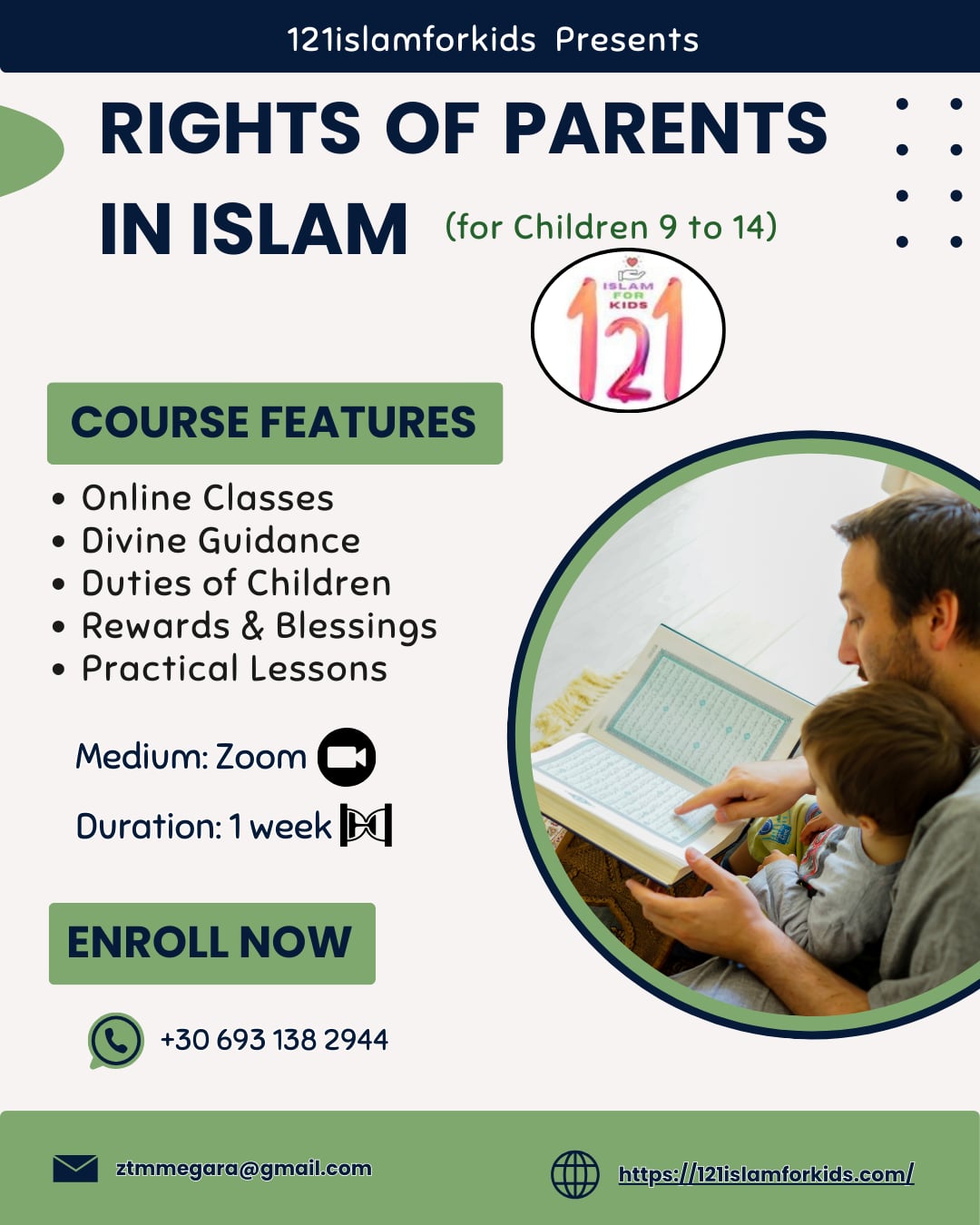
  • How to teach 5 Rights of Parents in Islam? Online Islamic Courses

    How to teach 5 Rights of Parents in Islam? Online Islamic Courses

    The Rights of Parents in Islam: A Comprehensive Understanding through Online Islamic Courses.

    online islamic courses

    Introduction online course Rights of Parents:

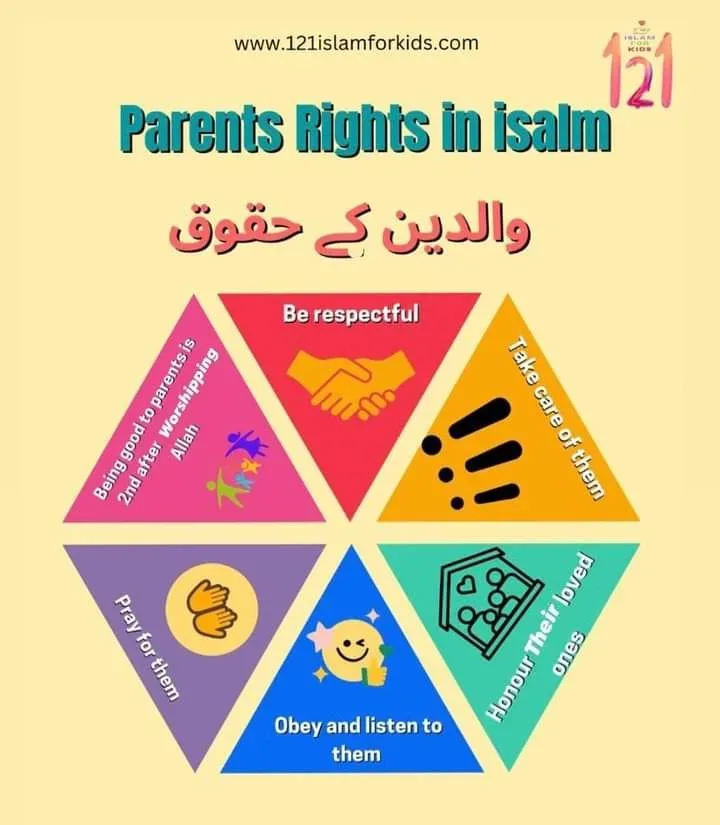
    Islam places great emphasis on the rights and respect due to parents. The Quran, hadiths (sayings of Prophet Muhammad, peace be upon him), and scholarly opinions provide a comprehensive framework for understanding and fulfilling these rights. Let us delve into the various aspects of the rights of parents in Islam, supported by references from the Quran, hadiths, and notable quotes.

    Kindness and Respect:

    The foundation of parental rights lies in showing kindness and respect to parents. Allah commands in the Quran: “And your Lord has decreed that you not worship except Him, and to parents, good treatment. Whether one or both of them reach old age [while] with you, say not to them [so much as], ‘uff,’ and do not repel them but speak to them a noble word” (Quran 17:23).

    Prophet Muhammad (pbuh) further emphasized this in a hadith: “Paradise lies beneath the feet of mothers.” This highlights the elevated status of mothers and emphasizes the importance of respecting and caring for them.

    Obedience and Compliance:

    Islam emphasizes obedience to parents unless they command something against Islamic teachings. The Quran states: “But if they (both) strive with you to make you join in worship with Me others of which you have no knowledge, then obey them not” (Quran 29:8). This verse highlights the exception to obedience when it comes to matters of shirk (associating partners with Allah).

    Prophet Muhammad (pbuh) affirmed the significance of obedience to parents in a hadith: “The pleasure of Allah is in the pleasure of the parents, and the anger of Allah is in the anger of the parents.” This underscores the importance of seeking parental satisfaction as a means to earn Allah’s pleasure.

    Financial Support:

    Children have a responsibility to provide financial support to their parents when needed. Allah says in the Quran: “And do well to parents, and near of kin, and orphans, and the needy, and the neighbor from among your own people” (Quran 2:83). This verse emphasizes the duty to support parents alongside other obligations.

    Dua and Prayers for Parents:

    Islam encourages children to make dua (supplication) and pray for the well-being, forgiveness, and guidance of their parents. The Quran mentions: “And lower to them the wing of humility out of mercy and say, ‘My Lord, have mercy upon them as they brought me up [when I was] small’” (Quran 17:24).

    Honor their loved Ones:

    In Islam, honoring the relatives of parents is highly encouraged. Muslims are urged to maintain good relations with their extended family, treating them with kindness, respect, and support. Visiting and assisting relatives, especially after the passing of parents, is considered a virtuous act.

    Prophet Muhammad (pbuh) affirmed the significance of praying for parents in a hadith: “When a person dies, all their deeds come to an end except three: Sadaqah Jariyah (ongoing charity), beneficial knowledge, or a righteous child who prays for them.”

    Conclusion:

    The rights of parents in Islam encompass various aspects such as kindness, respect, obedience, financial support, and prayers. The Quran, hadiths, and Islamic scholars provide guidance on fulfilling these rights, emphasizing the importance of cherishing and honoring parents.

    As Muslims, it is our duty to understand and fulfill these rights, recognizing that the love and care we receive from our parents is a blessing from Allah. By upholding these rights, we contribute to building strong family bonds, fostering a harmonious society, and earning the pleasure of Allah.

    In the words of Imam Ahmad ibn Hanbal, a renowned Islamic scholar, “The best of deeds after the obligatory acts are those done to please one’s parents.”

    May Allah bless us all with the ability to fulfill the rights of our parents and strengthen the ties of kinship.

    Teaching Methods for Online Islamic Courses.

    Exploring the kindness towards Parents in Islam to Children, including Duas and Activities:

    Introduction to Parental Rights

    Dua: Begin each session with a dua seeking Allah’s blessings and guidance to understand parental rights.

    Activity: Discuss real-life scenarios where children can identify examples of fulfilling parental rights.

    Assessment: Ask children to write or draw about a time when they showed kindness and respect to their parents.

    Understanding Parental Responsibilities

    Dua: Teach children specific duas for seeking Allah’s forgiveness for any shortcomings towards their parents.

    Activity: Have children create a “Parental Responsibilities” chart listing tasks they can help their parents with.

    Assessment: Ask children to write a short paragraph on why it is important to obey and respect parents.

    Practicing Kindness and Respect

    Dua: Teach children duas for seeking Allah’s blessings on their parents and seeking forgiveness for any mistakes.

    Activity: Role-play scenarios demonstrating acts of kindness, respect, and helpfulness towards parents.

    Assessment: Ask children to create a poster illustrating ways to show kindness and respect to parents.

    Communication and Appreciation

    Dua: Teach children duas for seeking Allah’s blessings on their parents’ health, happiness, and wellbeing.

    Activity: Guide children in writing thank-you letters or cards expressing gratitude to their parents.

    Assessment: Have children share a story or personal experience where they communicated effectively with their parents.

    Seeking Parents’ Guidance

    Dua: Teach children duas for seeking Allah’s guidance and wisdom to understand and follow their parents’ advice.

    Activity: Engage children in a discussion about seeking parents’ opinions and advice in decision-making.

    Assessment: Ask children to create a collage or drawing representing a valuable lesson learned from their parents.

    Honoring Parents in All Circumstances

    Hadith: Teach them one short hadith about the father and one about Mother.

    Activity: Tell them a story about the rights of the Father and mother in stories. (Two hadiths are included in our hadith course)

    Assessment: Have children write a reflective journal entry about a time when they overcame a challenging situation by honoring their parents. (We have worksheets on it)

    Dua for Parents

    Dua: Teach children a special dua for their parents’ well-being, forgiveness, and success.

    Activity: Have children create personalized dua cards for their parents, expressing love and prayers for them.

    Assessment: Ask children to share a dua they made for their parents and explain why they chose those specific words.

    Conclusion and Recap

    Dua: End the course with a dua seeking Allah’s blessings for parents and their children.

    Activity: Encourage children to reflect on the lessons learned and set goals for applying them.

    Assessment: Ask children to create a “Rights of Parents” pledge, committing to fulfill their parents’ rights.

    By incorporating duas and engaging activities, children will develop a deeper understanding of the rights of parents in Islam and actively apply them in their lives. These methods will instill a sense of gratitude, respect, and love for parents, fostering a strong bond within the family.

    Enrol now for this course or get a PDF of this Course Here

    Hadith about Mothers’ Respect in Islam with a story and a worksheet.

    Hadith about fathers’ respect in Islam with a story and a worksheet

    Have a look at online Islamic courses

    The book used in this Course, Islamic Studies Grade 05

    Free Books

    Videos

  • Intentions(Niyat)Hadith no1 What is the reward of Good intentions?

    Intentions(Niyat)Hadith no1 What is the reward of Good intentions?

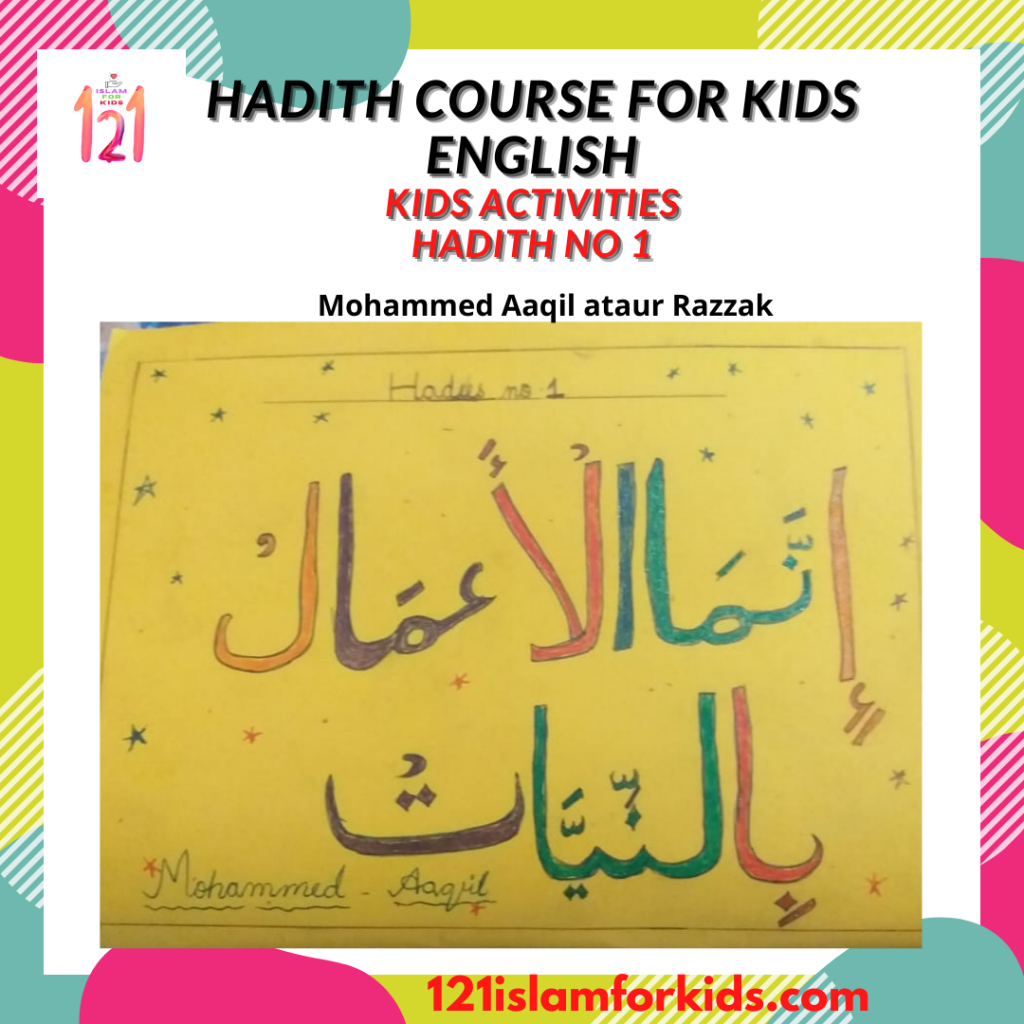
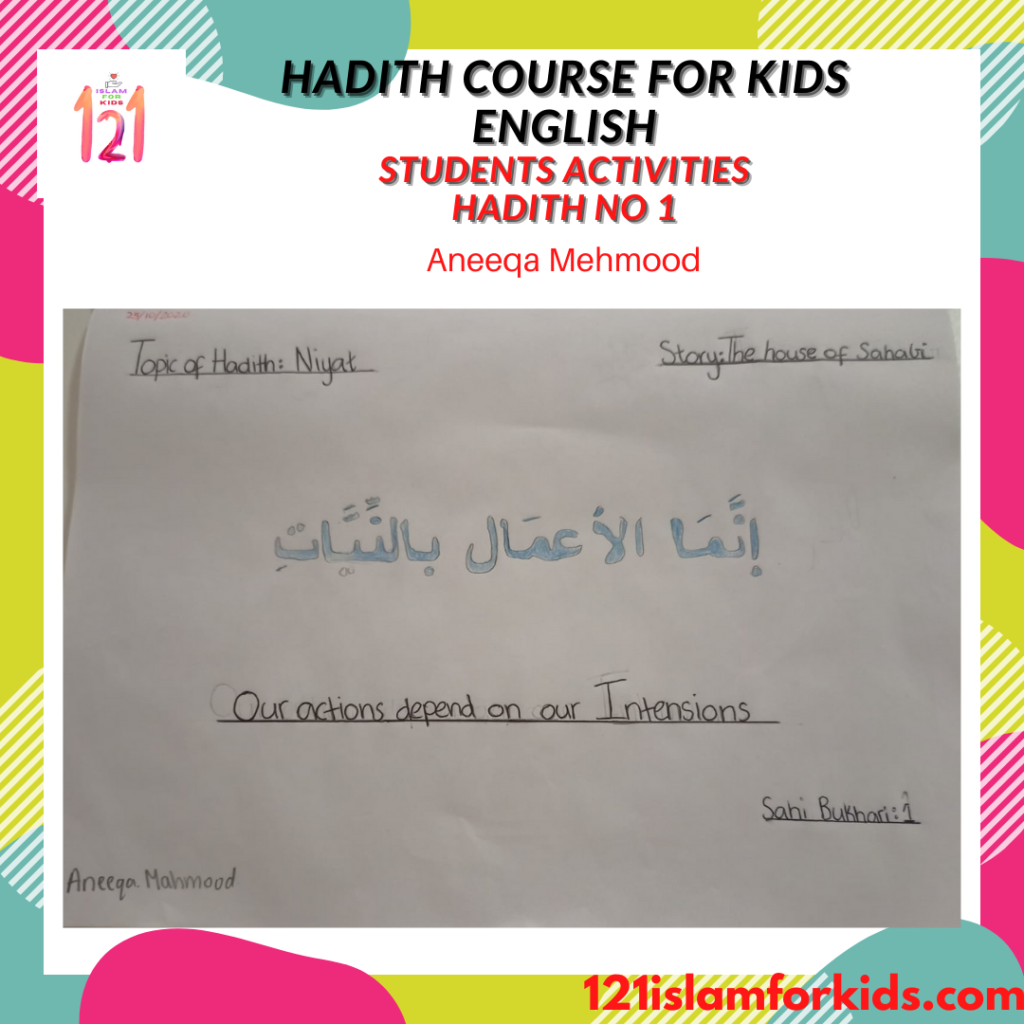
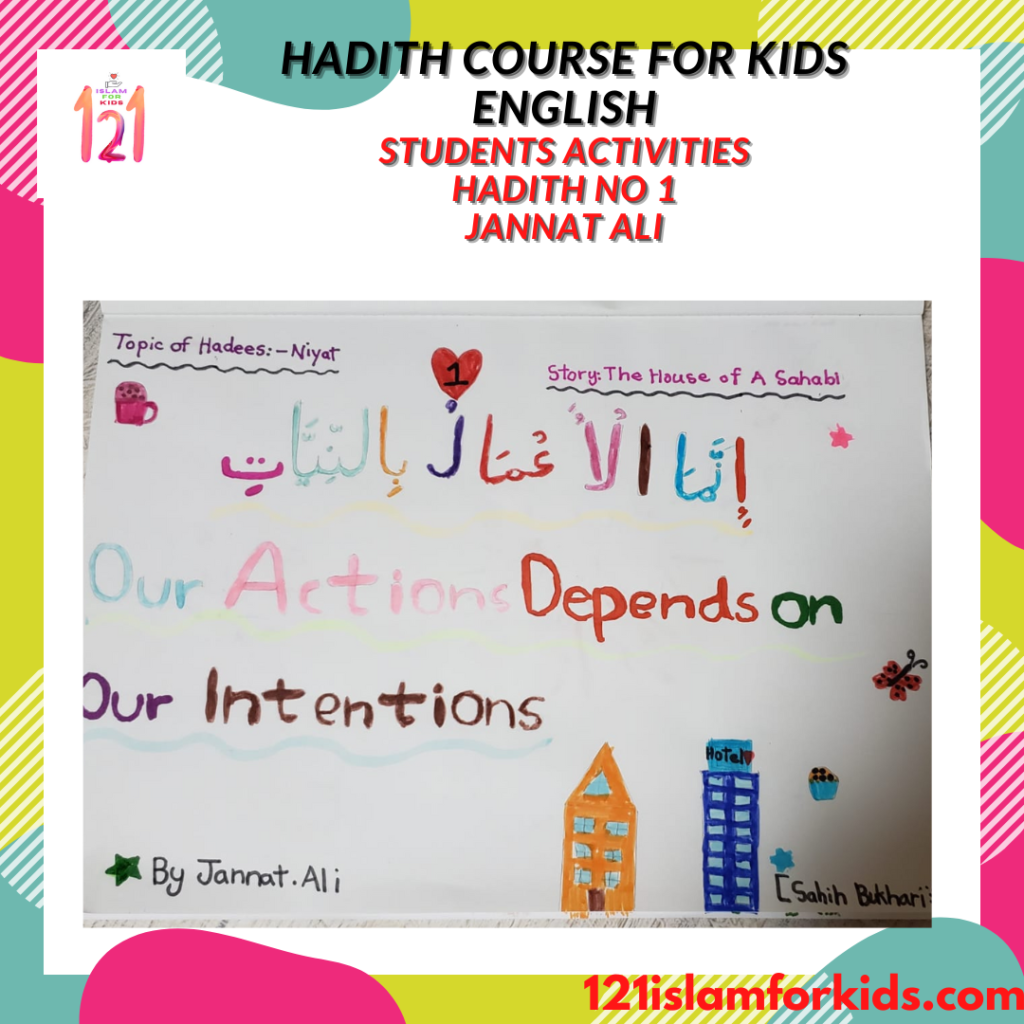
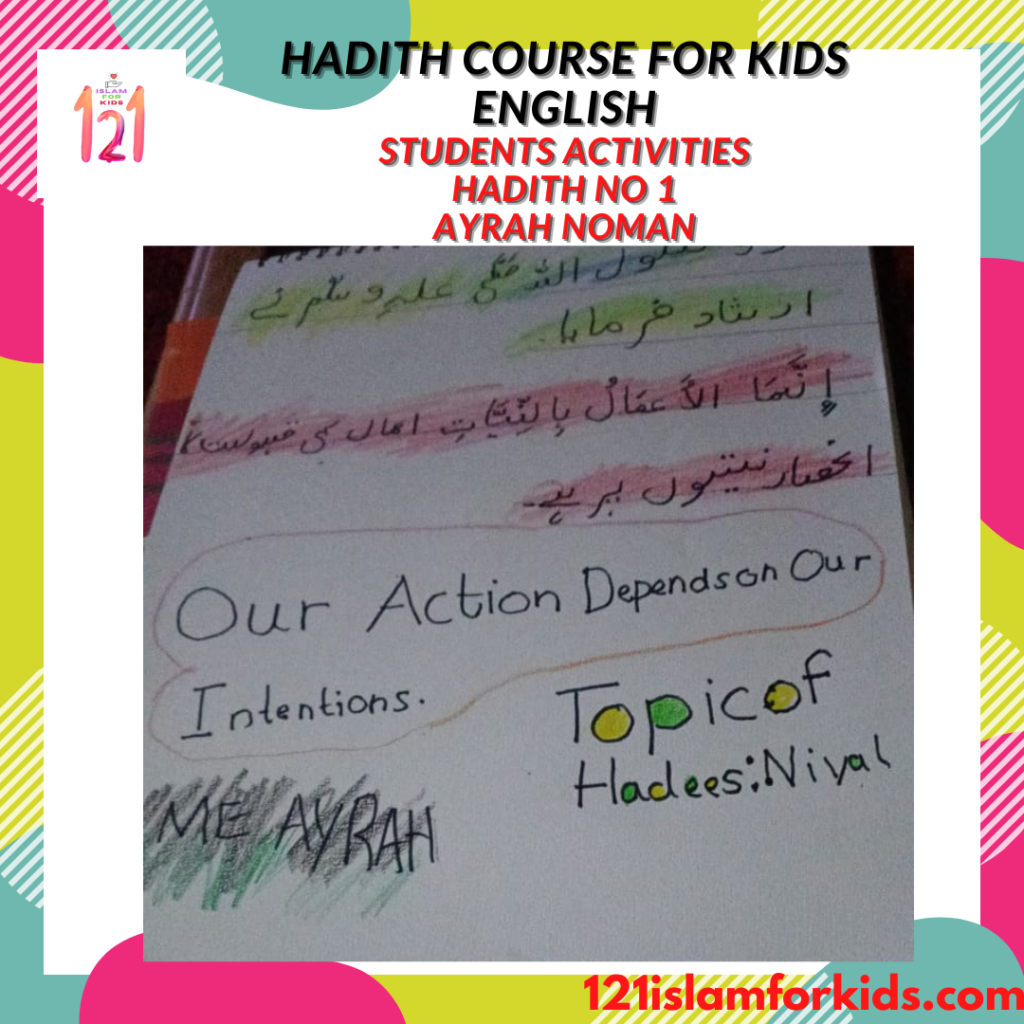
    Welcome to Our Hadith with stories course for Kids. You are going to Start a short course for your child. After this course, your children would have their own mini 🌷🌷-Kitab -UL-Hadess🌷🌷 (For a Description of this Free online course scroll down)

    Here is the “First Hadees of Our hadith with stories course for kids

    Day 2. Lesson No 2

    Hadith no 1.

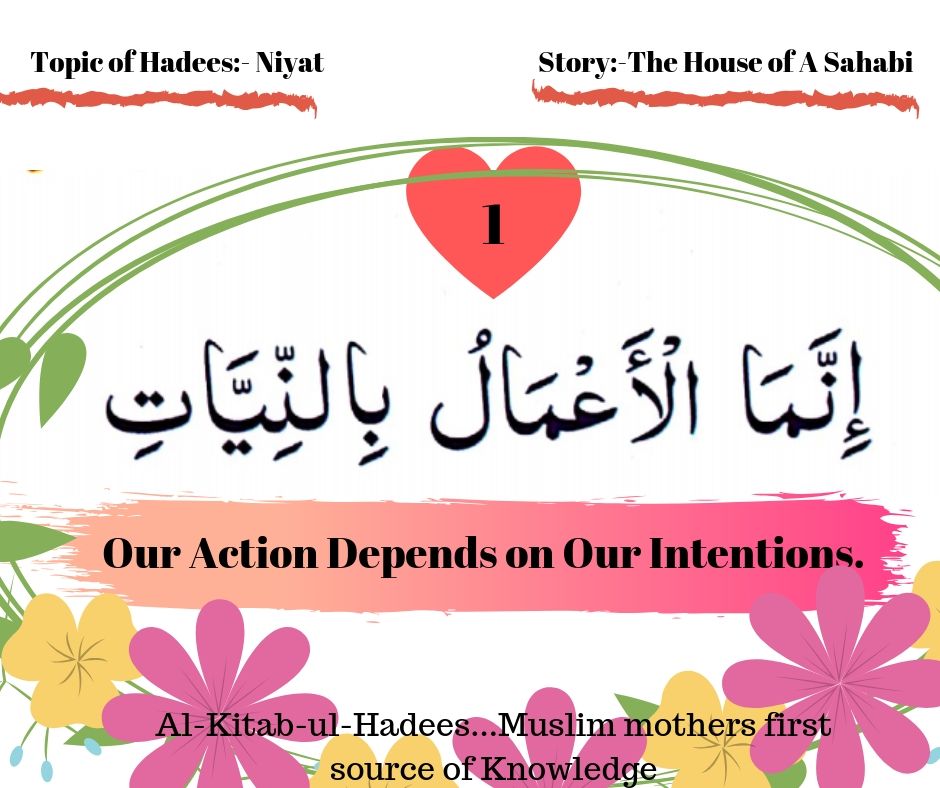
    Hadith on Intentions(Niyat)

    Hadith on Intentions(Niyat)

    Download a Free Pdf Book of 30 short Hadith from Here

    For English Students🌷🌷:-

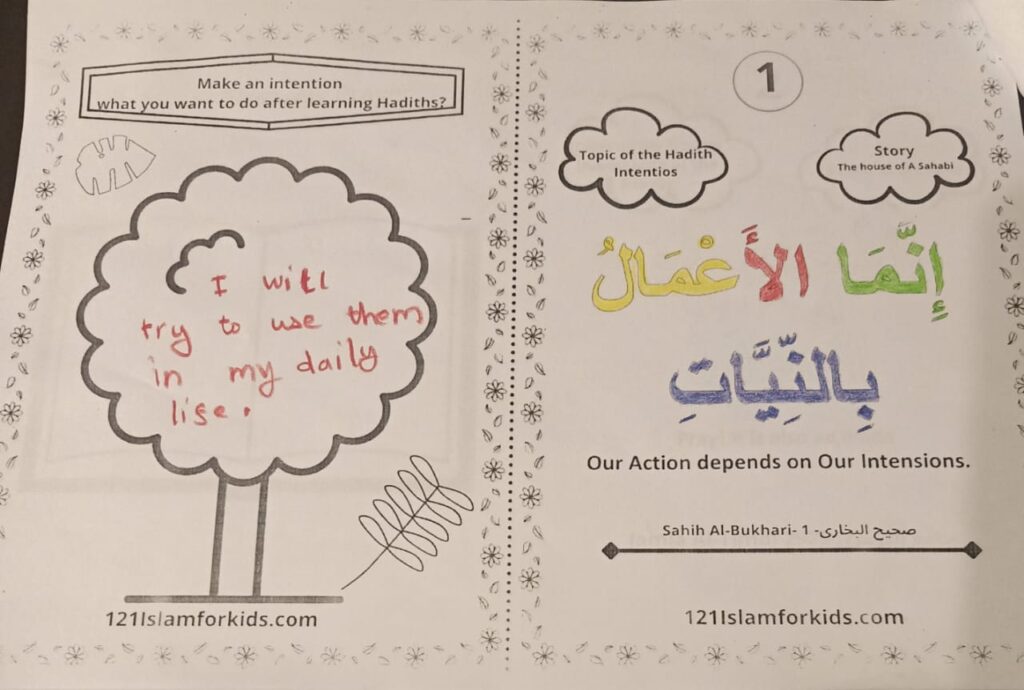
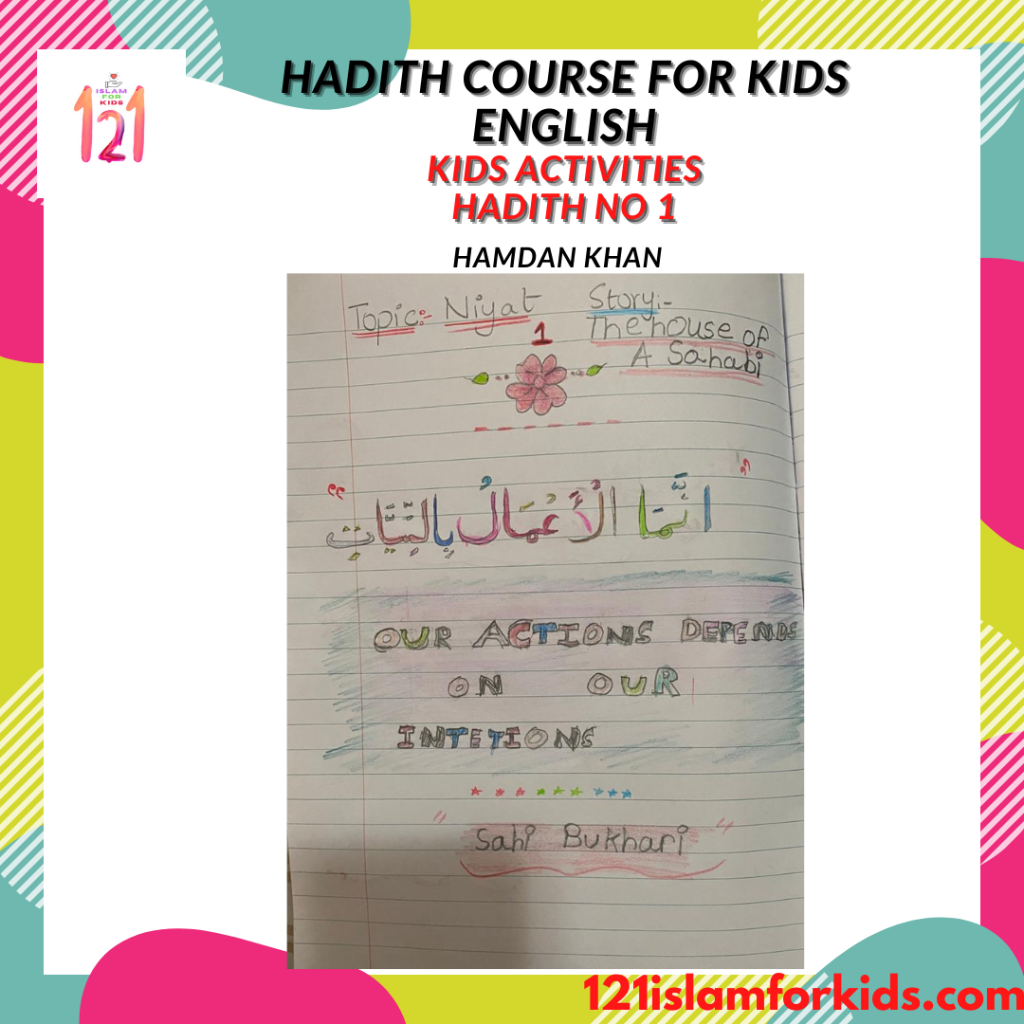
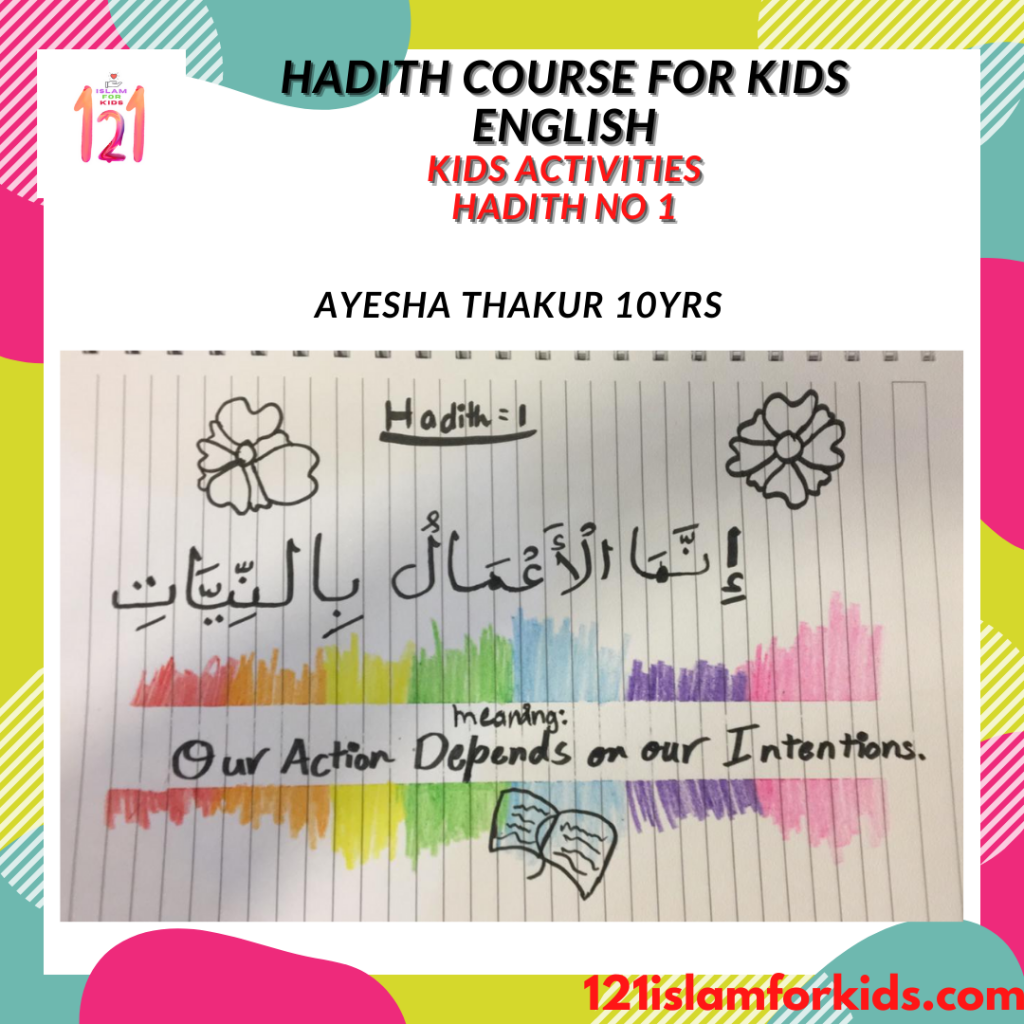
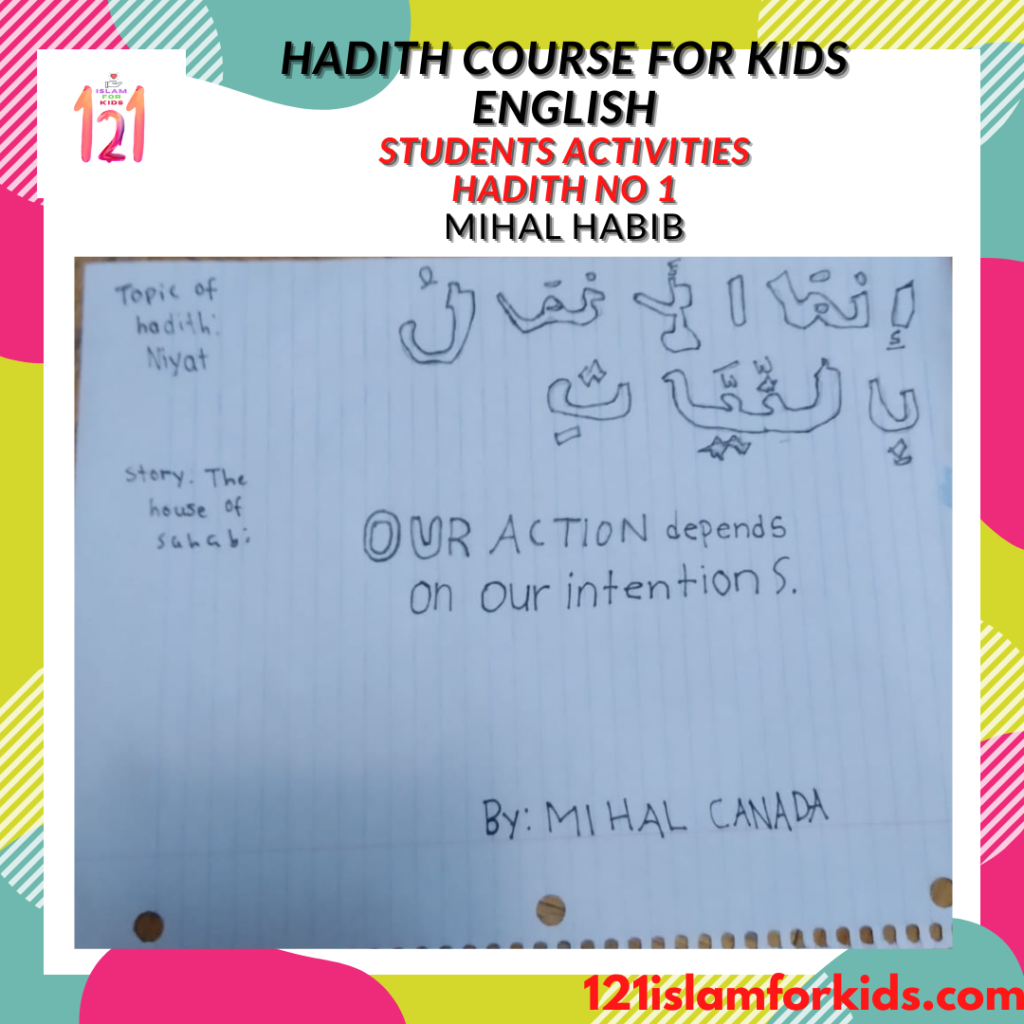
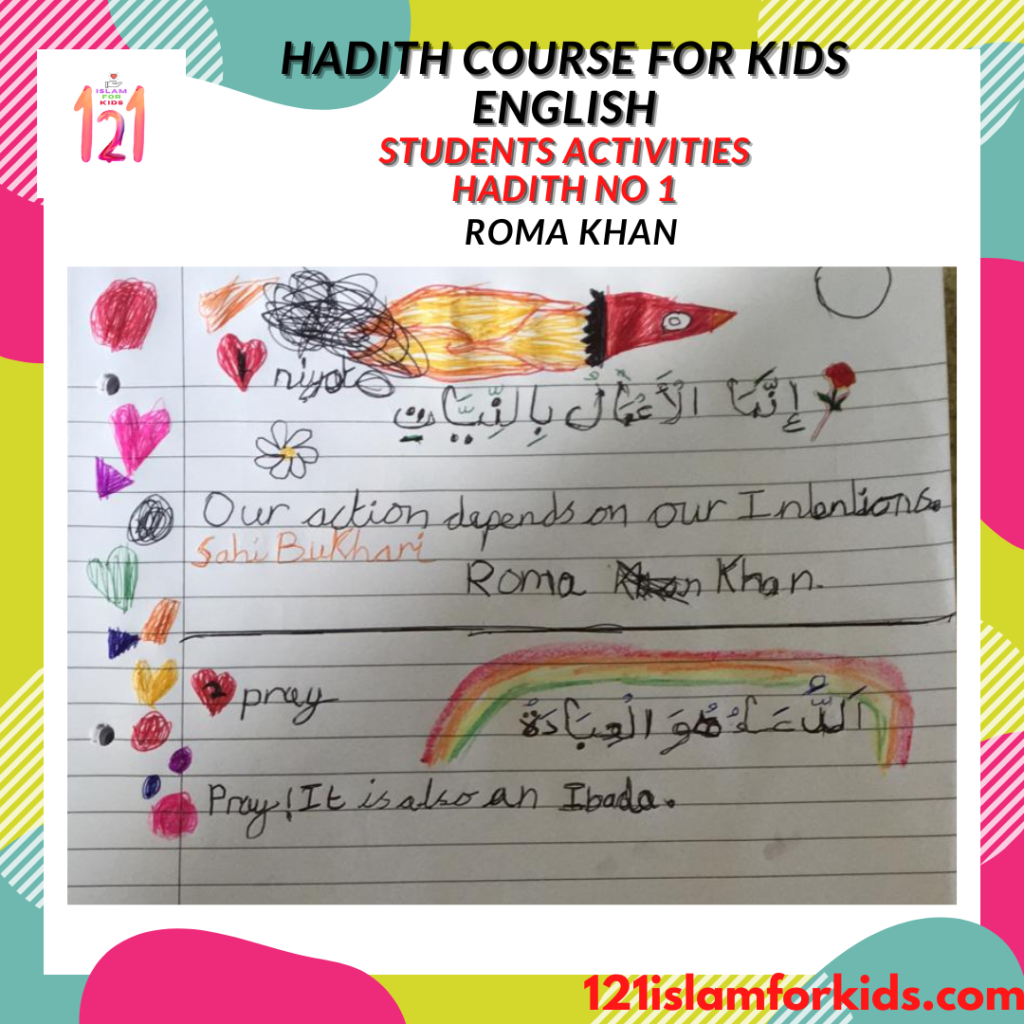
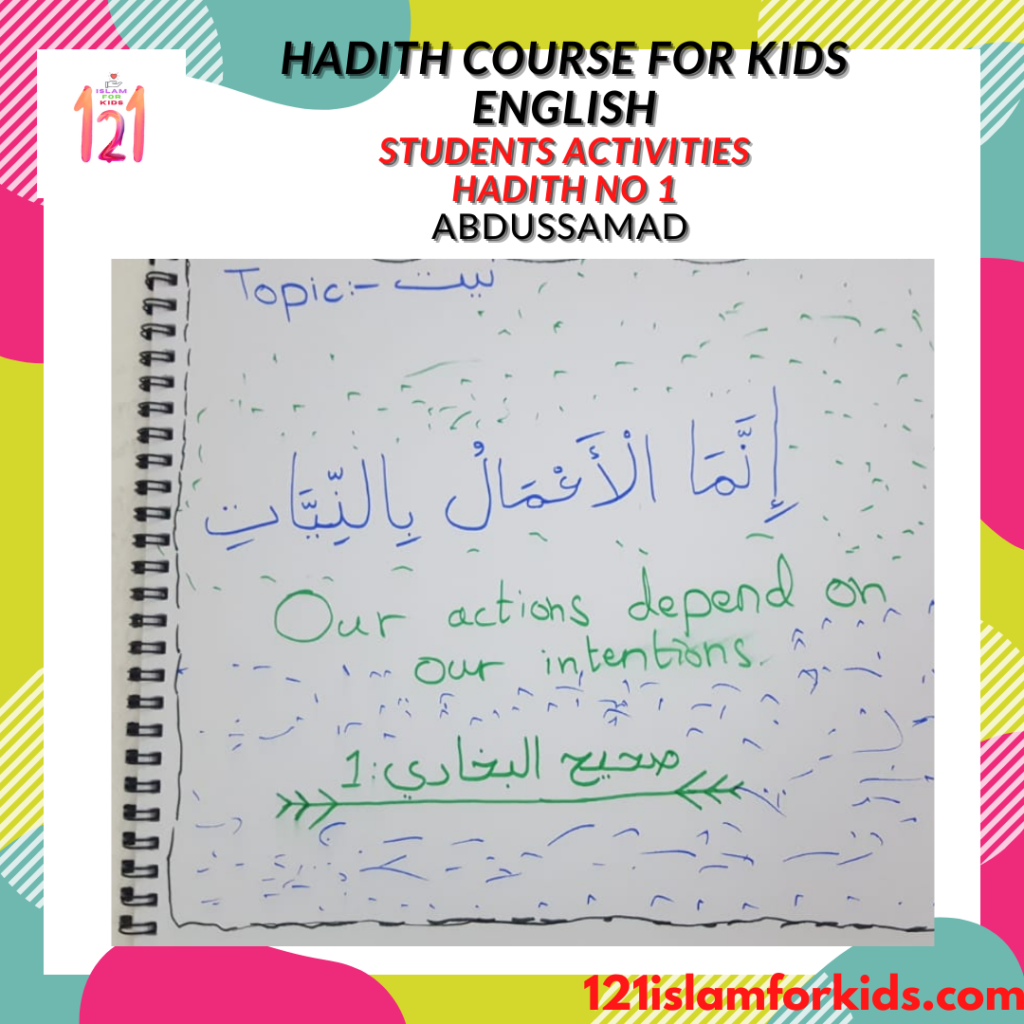
    This is the first Hadith of Sahi Bukhari. It has a deep meaning in it. All deeds and life goals are depended on our intentions. So our purpose of learning, devoting ourselves to Islam and our actions could not be separated from our intentions. Nobody knows but Allah knows.

    With Hadith translation and meanings we will explain to kids that they will get a reward for their intentions. And that we will get what we will intend to do. So doing every little deed we should set our intentions for the sake of Allah.

    For Example, Our education, learning Hadith, eating, sleeping, traveling, and every single step of the day should be to please Allah. So when we will make an intention we will get help from Allah to complete that work.

    The best tip to make good intentions is that always say supplications before doing anything.
    According to our topic of this Hadith, I suggested the story of a man who built a house. Which is one of the Seerat stories.

    The outline of the story is here…..
    The House of A Sahabi RA.
    The theme of this story is that Once a sahabi RA built a house and built a window in it. The Prophet SAW asked the man, Why you built this window?
    He(RA) Replied: For fresh air and light.
    Nabi SAW said,; if you wish to hear the voice of the Adhan(Azan) you will get Ajer on this window forever. And the fresh air and light will be supplied to you also.
    And we get rewards for our intentions.

    You can read the full story here

    Story written in Urdu and English is available at the site in the Urdu stories tab and English stories tab. 

    We have a Video of this Hadith with a story for children. Play a video for your kids or Tell a story and Hadith yourself if your kids don’t use Devices..

    🌷Best Of Luck👍🌷
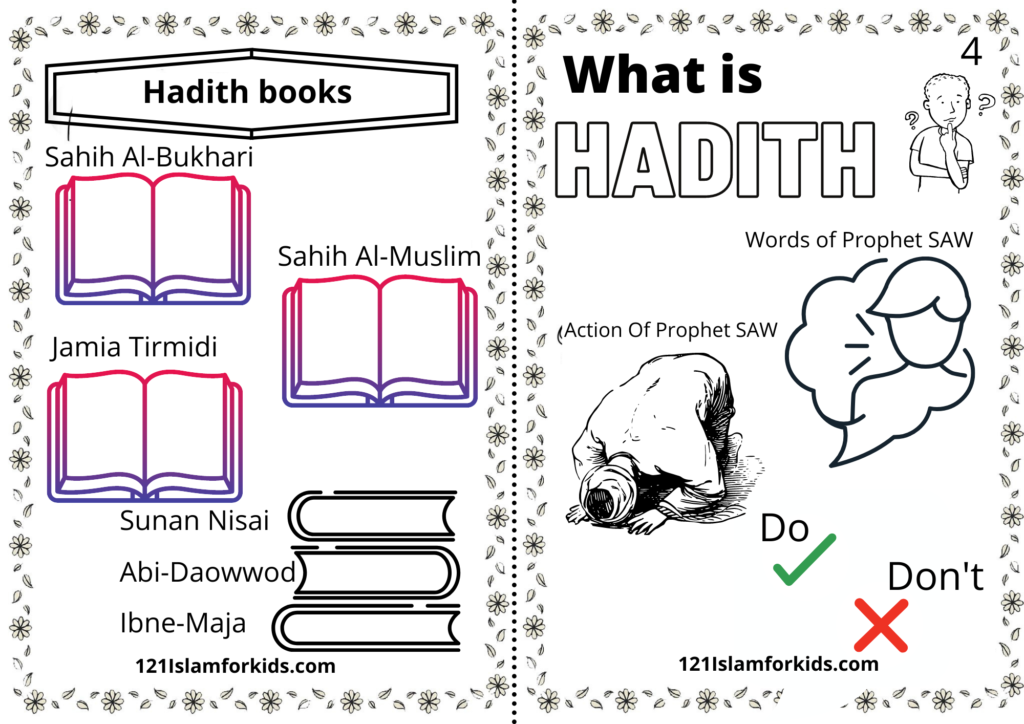
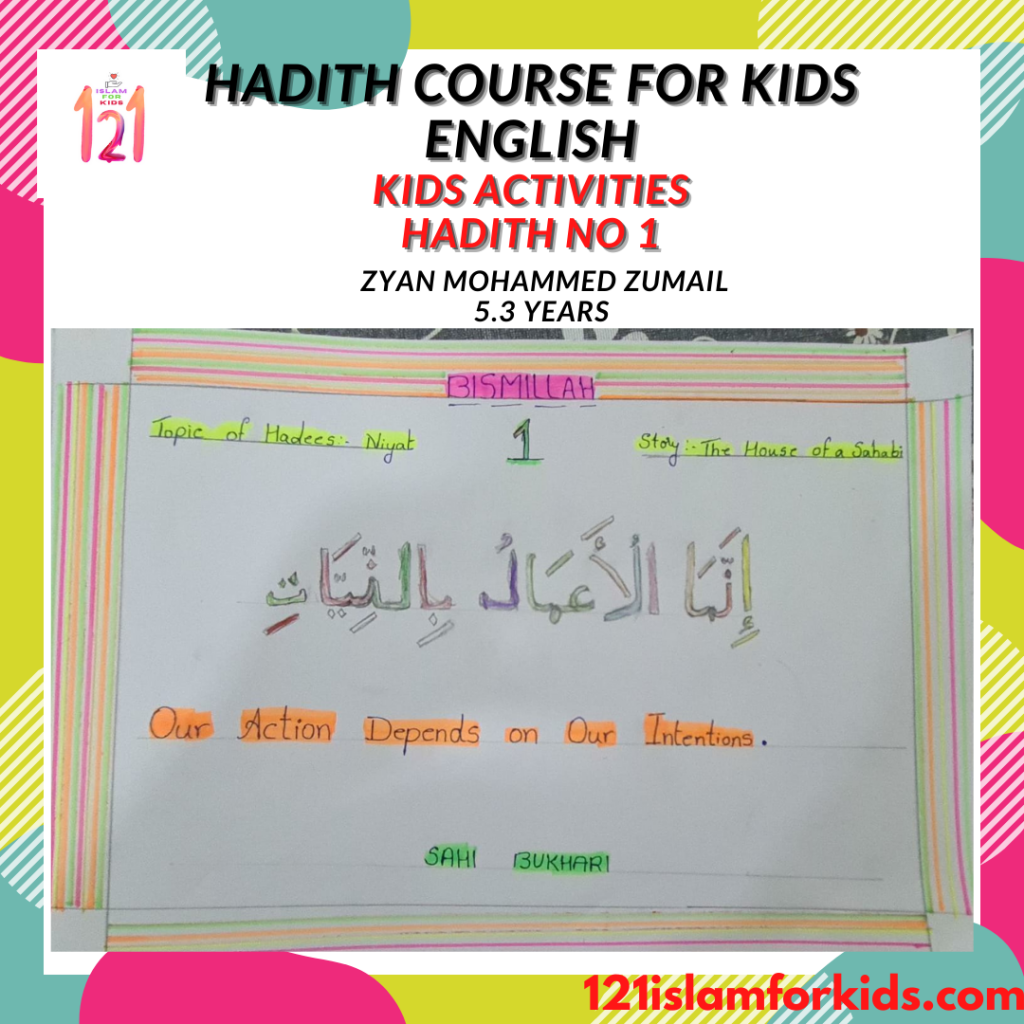
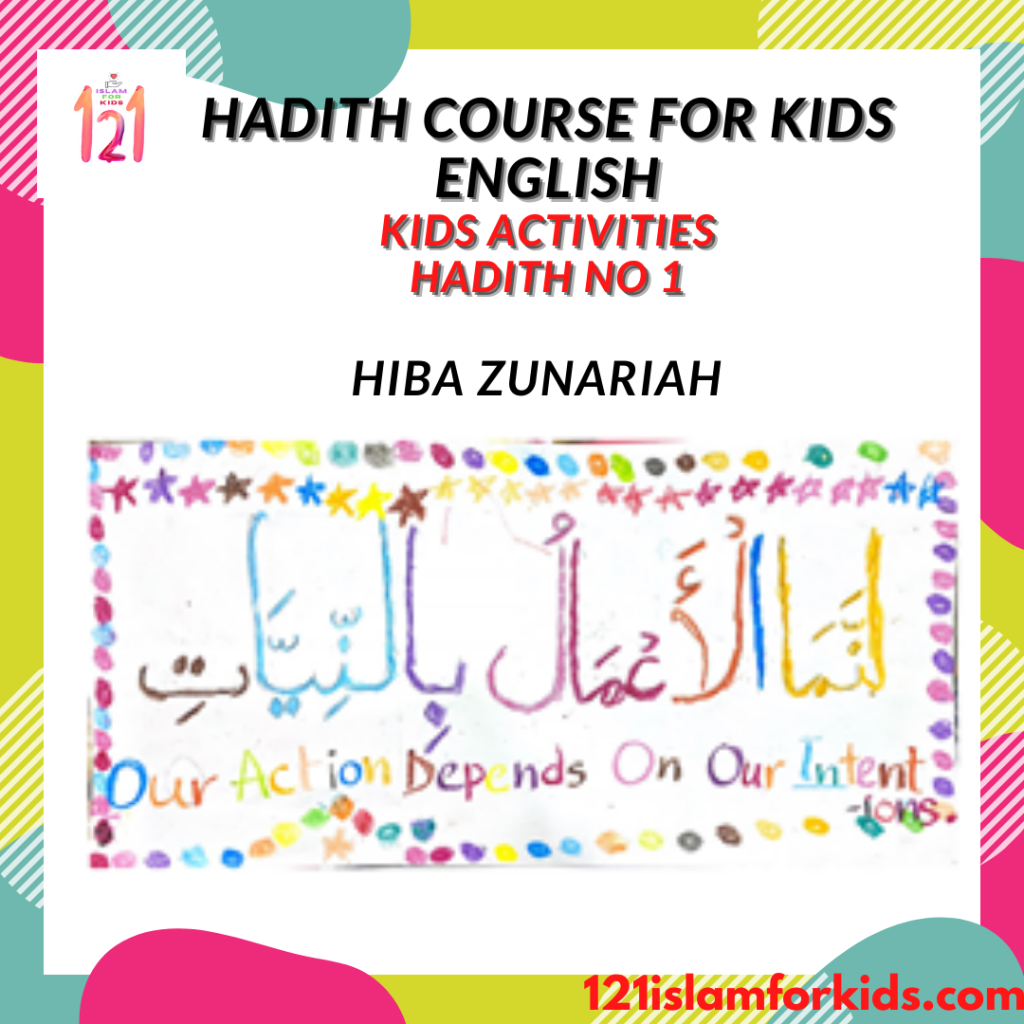
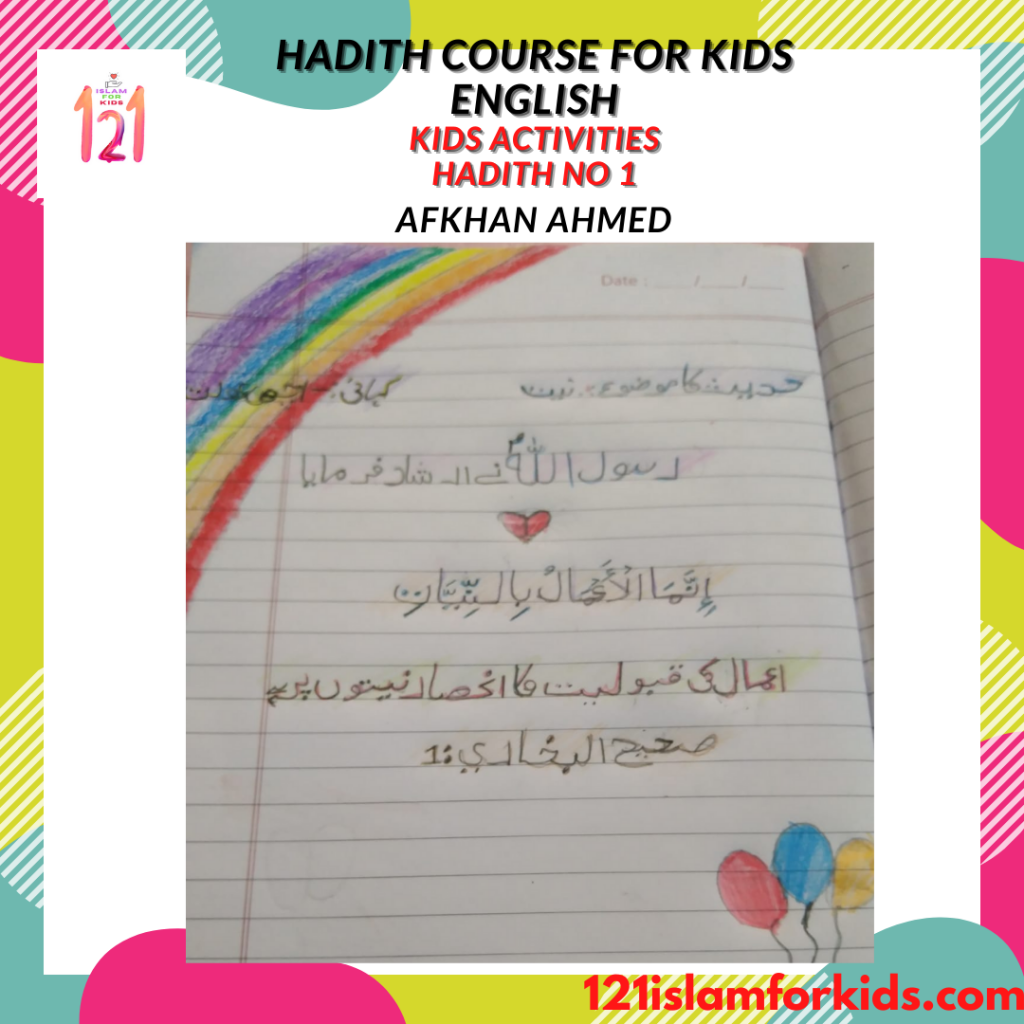
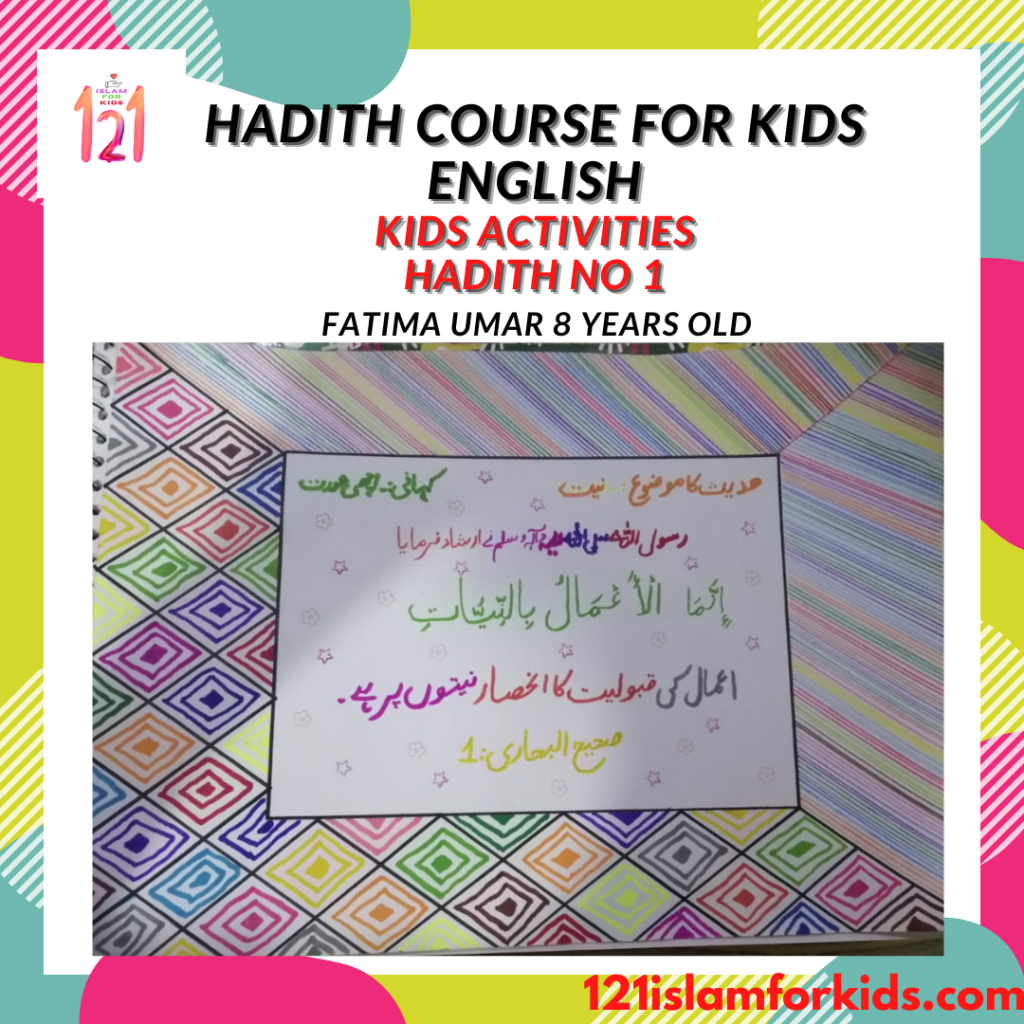
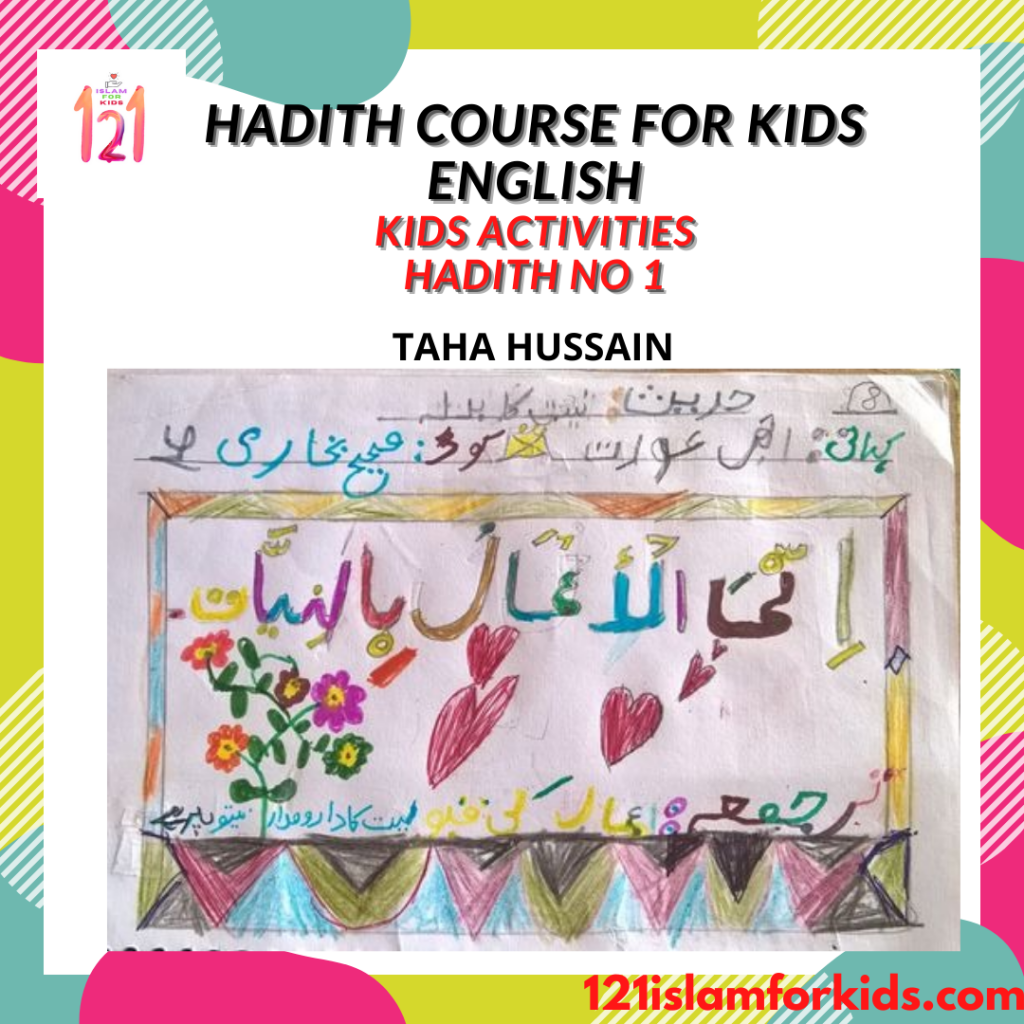
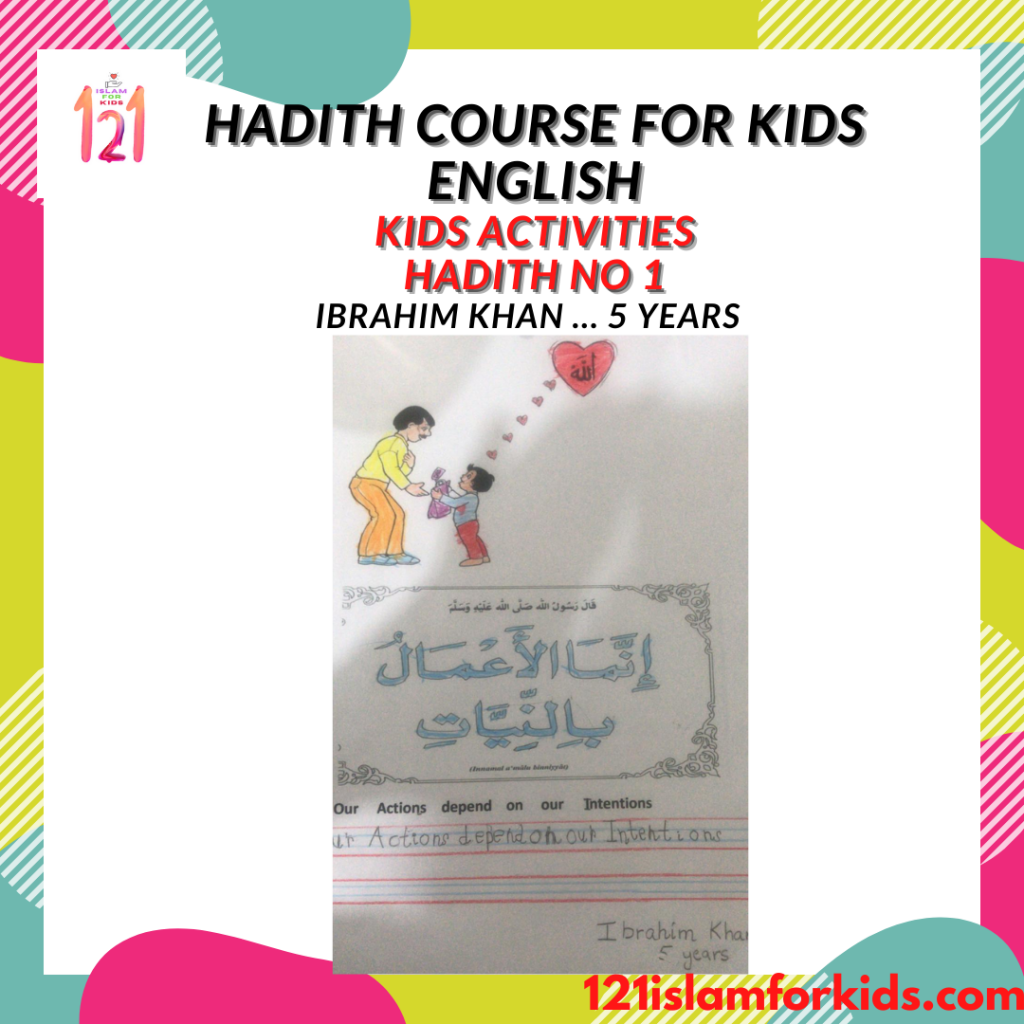
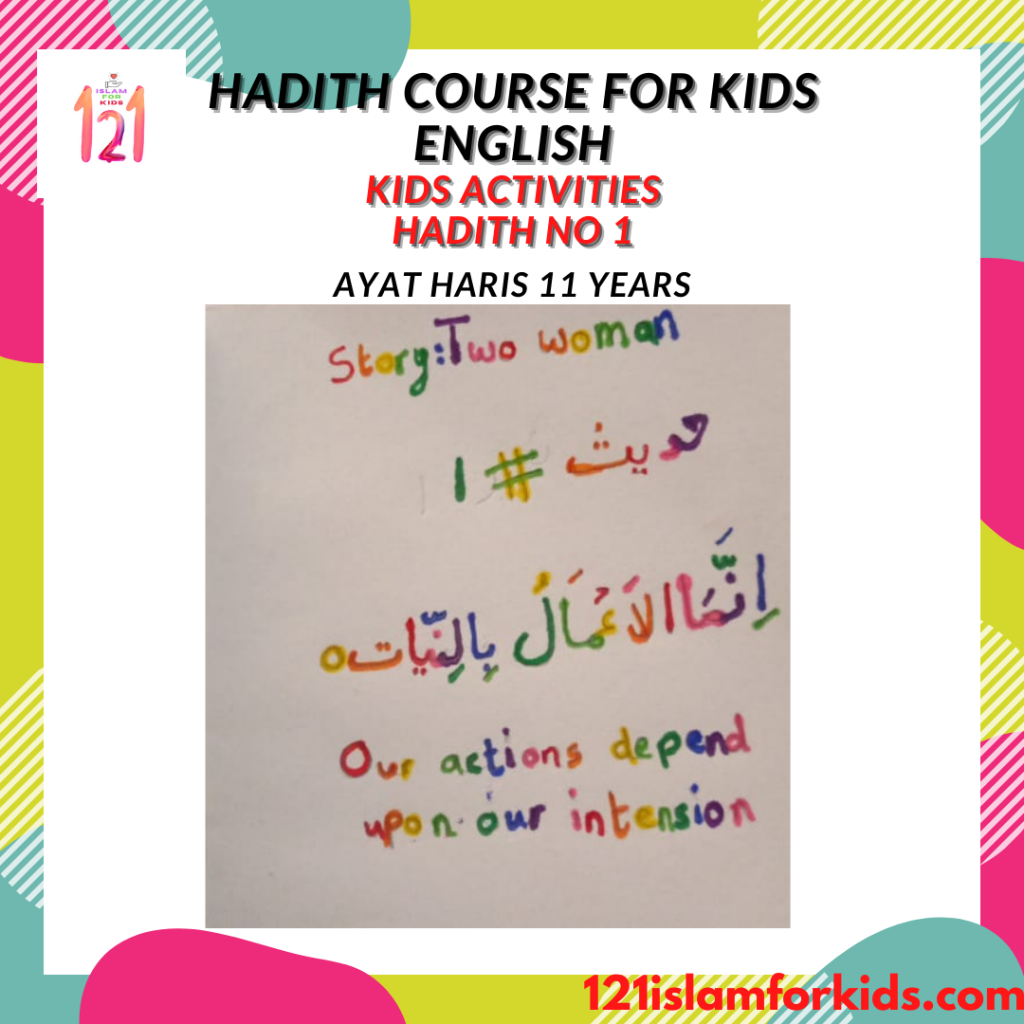
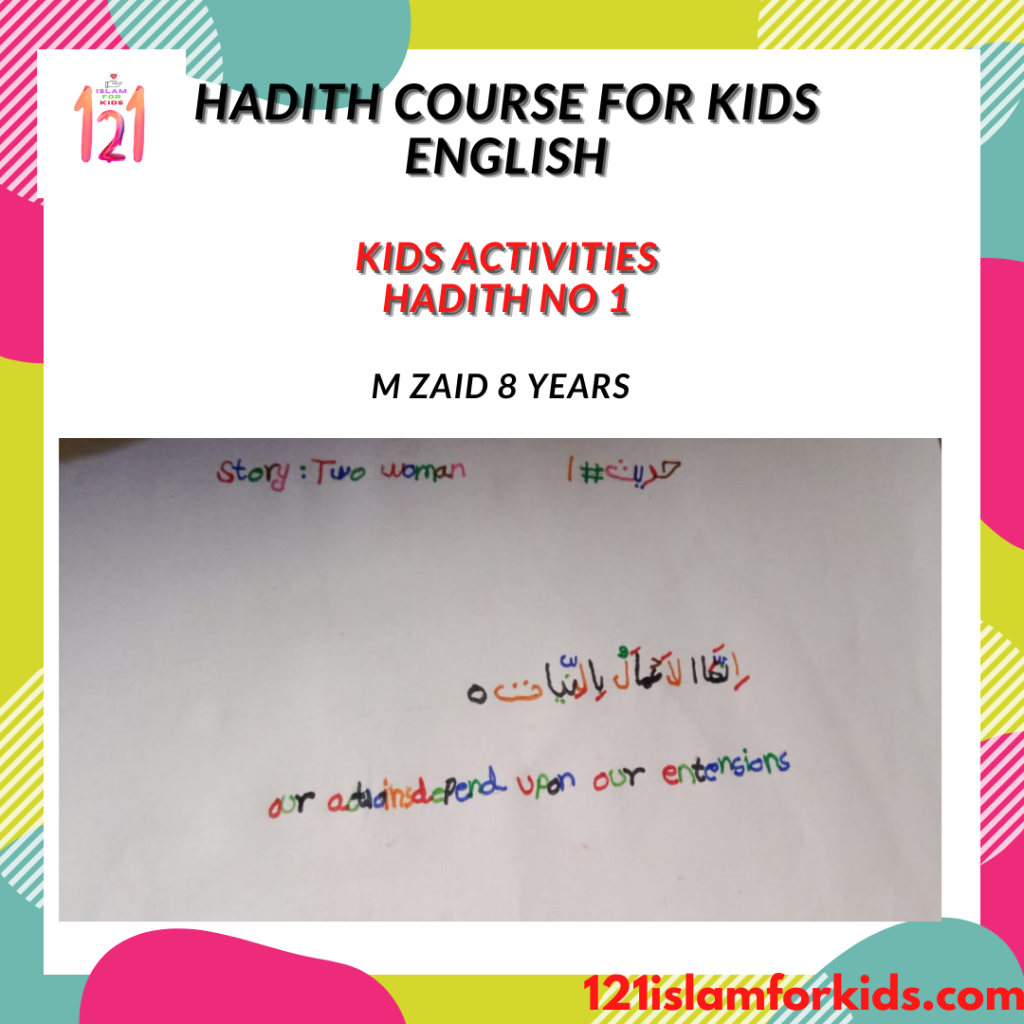
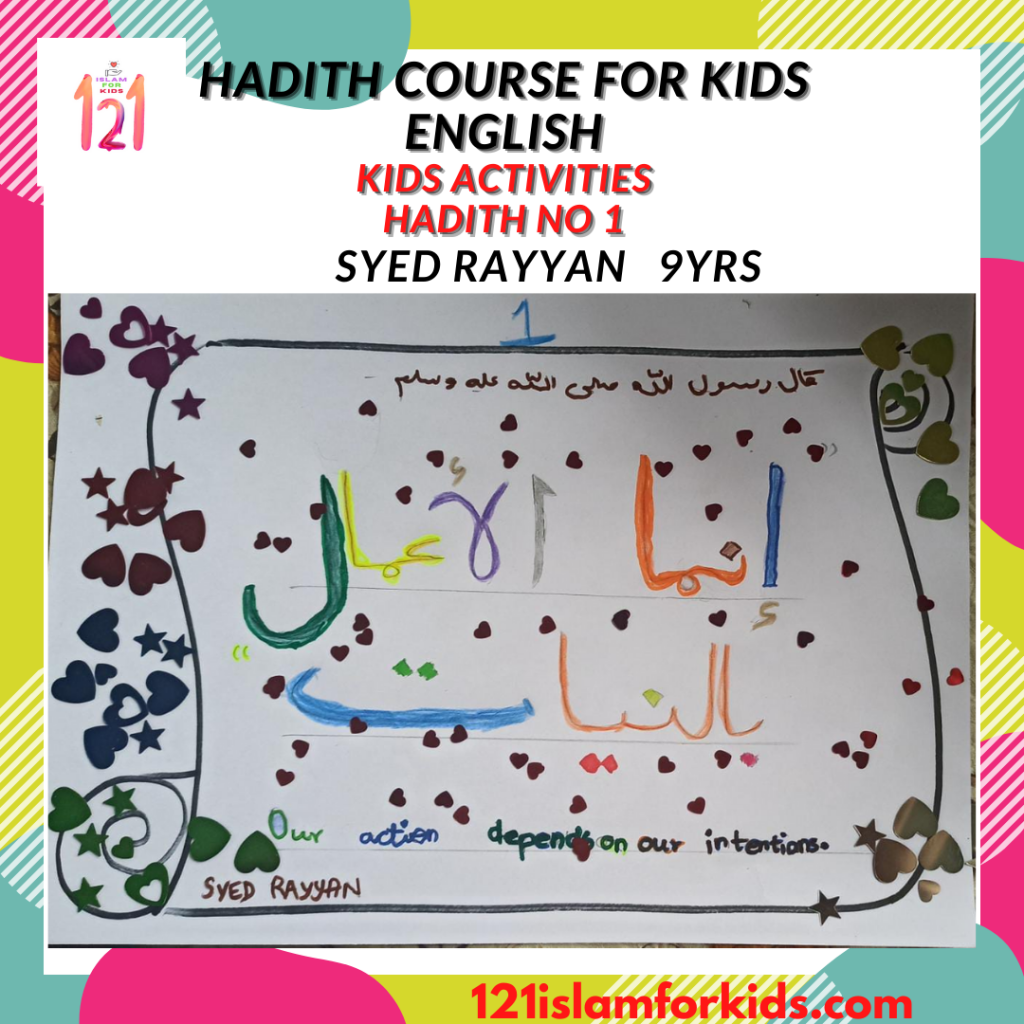
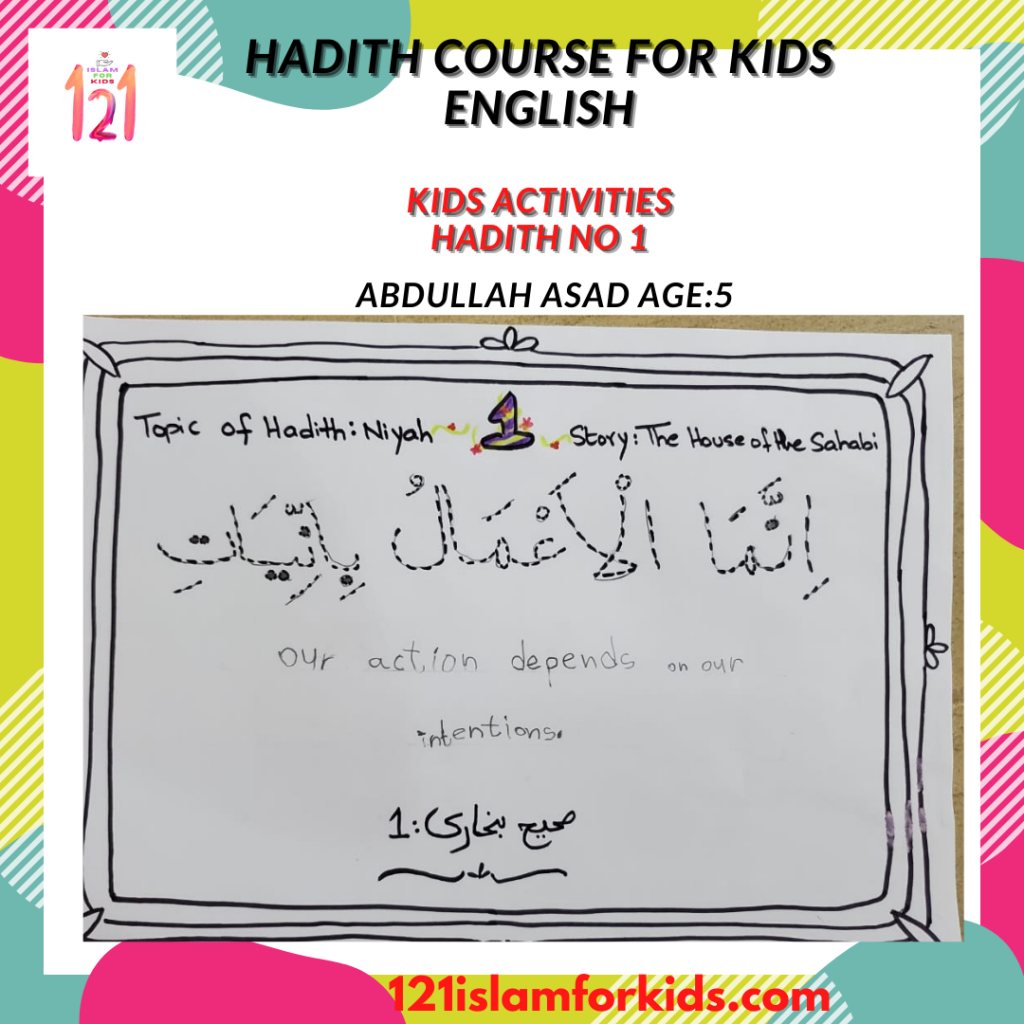
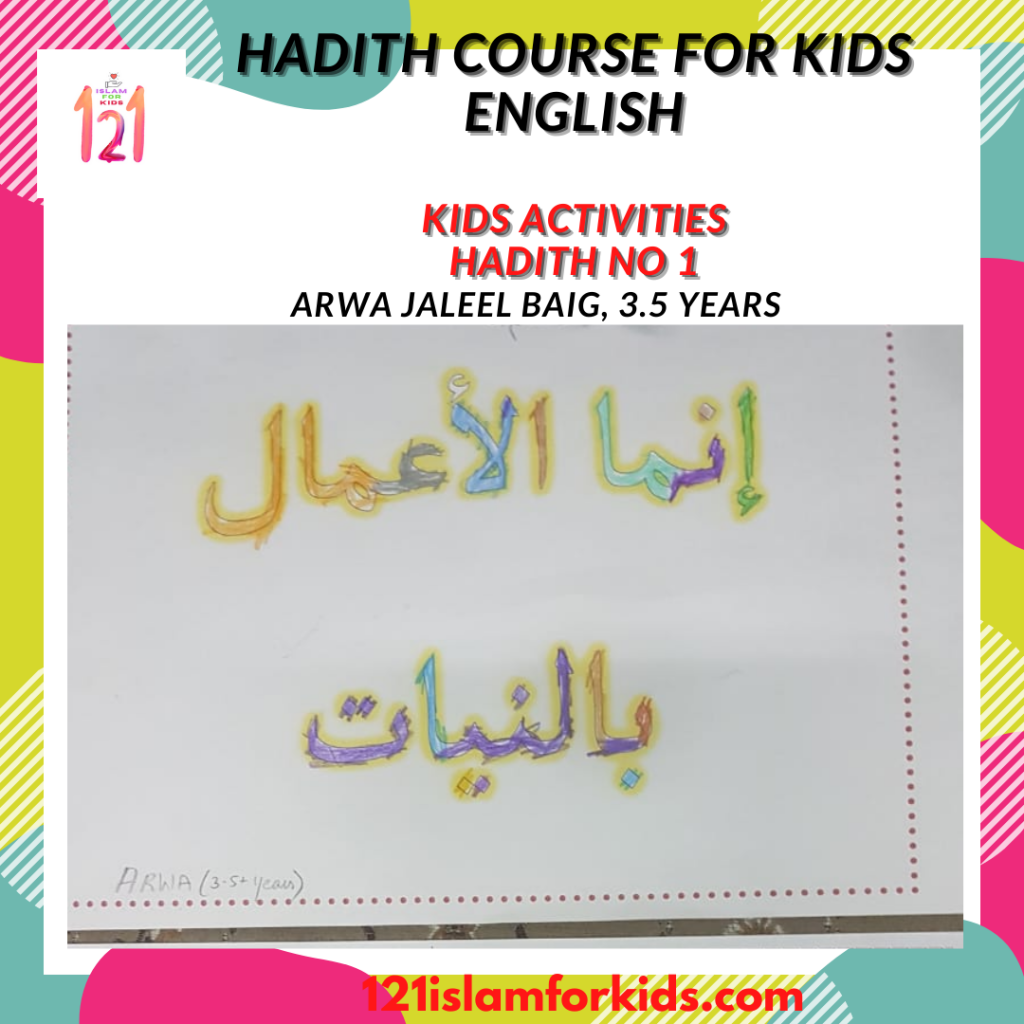
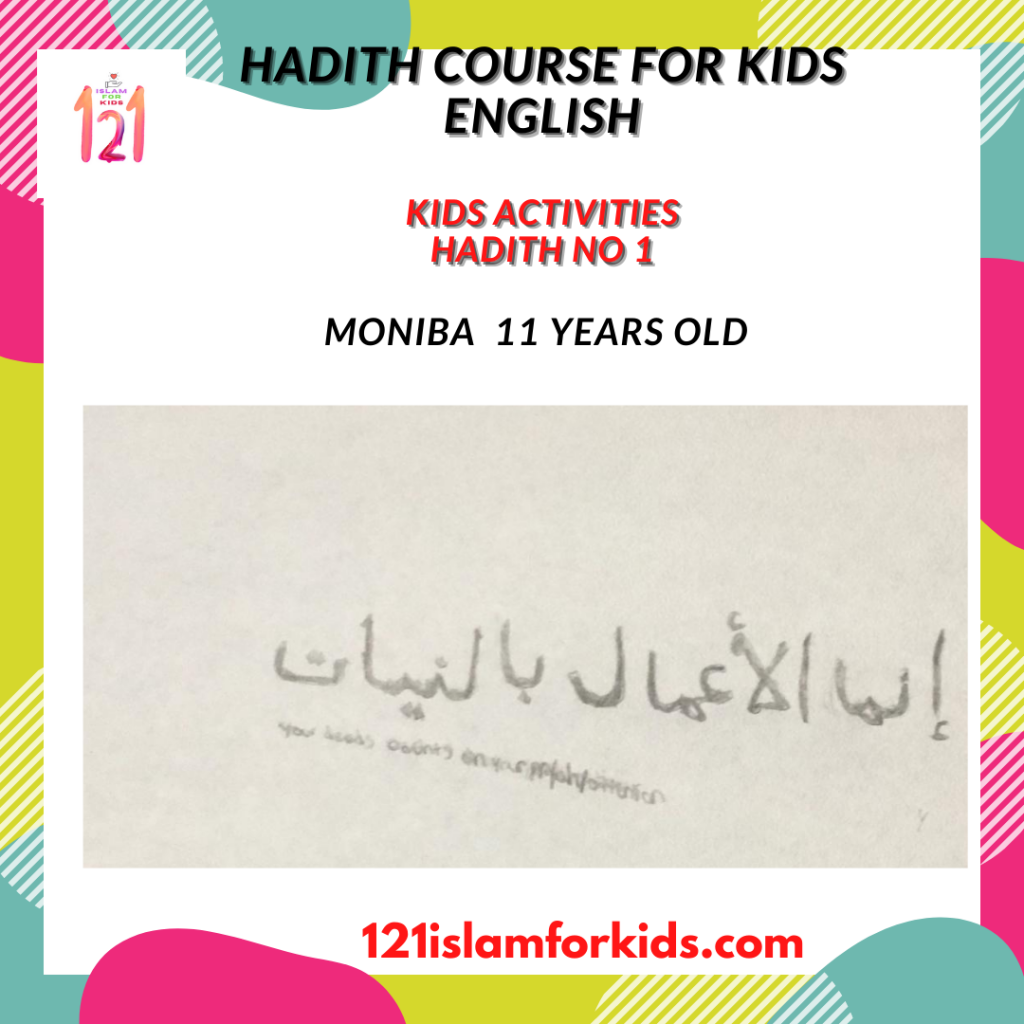
     The kids will write the Hadees with the template shared in the Introduction post of the hadith with stories course.(Hadith Introduction and tips to Teach 30 short Hadith with Stories.)  Or you can buy a workbook for your child from us. The introduction of that book with a picture of the Worksheet is given below.
    Revise the Hadees many times to Learn by heart. To complete these 30 hadiths in this course, You have to complete this task in Three Days. Then IN SHA Allah, this course will be complete in less than 5 months. 
    Don’t forget to share the picture/audio/video of your Hadith work/ activities in the comment box.


    Video of The Hadith and story English

    For Urdu Students🌷🌷:-

    یہ صحیح بخاری کی سب سے پہلی  حدیث ہے. اس سے اس کی اہمیت کا پتا چلتا ہے. ہم مسلم ہیں اس پر ہم خوش ہیں یا تنگ-ہم نماز روزہ صدقہ دل کی خوشی سے سے کرتےہیں -کیا ہم صفائی ، دوسروں کا خیال اور بچوں کی تربیت الله کا حکم سمجھ کر ثواب حاصل کرنے کے لیے کرتے ہیں

    Hadith on Intentions(Niyat)

    اب بچوں کی طرف آئیں اور ذرا غور کریں ہماری یہی نیتیں ھمارے بچوں کے اعمال اور ان کی تربیت پر بھی اثر ڈالتی ہیں ہمیں اپنے بچوں کو یہ بتانا ضروری ہے کہ والدین کی عزت کرو- اس لیے کے اس سے اللہ خوش ہو گا تعلیم حاصل کرو یہ اللہ کا حکم بھی ہے ا ور اس سے تمہیں اپنی تخلیق کا مقصد اور اللہ کی معرفت ہو گے.

    اچھا صاف پاک کھانا کھاؤ تا کہ تمہاری صحت اچھی رہے ا ور تم دین اور نیکی کے کام کر سکو – اچھا صاف ستھرا لباس اور جسم رکھو تا کہ سنت کا ثواب بھی ملے اور اللہ کی برکت بھی ہو. بہنوں کام وہی ہیں جن کے لیے والدین دن رات محنت کرتے ہیں.اورزیادہ سے زیادہ والدین کھانا،لباس اور تعلیم ہی  دینے کے لیے ڈور دھوپ کرتے ہیں-لیکن اس کےپیچھے نیت سب کی مختلف ہوتی ہے

    ئیں آج سے اپنی نیت درست کر لیں حدیث کے تعلق سے ہماری نیت یہ ہے کہ ان شا اللہ ہم یہ حدیث اس لیے سیکھیں گے کہ  اللہ خوش ہو  نبی کی سیرت ا ور حادث سیکھنے یاد کرنے کا ثواب ملے  حدیث سن کر  اپنے عمل درست کر سکیں بچے نبی کی پیاری باتیں یاد کر کے دوسرروں کو سنائیں  نبی کی سیرت کا اثر ھمارے بچوں کی شخصیت پر آئے   حدیث اس کا ترجمہ اور ایک پیاری سے کہانی ویڈیو کی صورت میں ساتھ دے جا رہی ہے.

    بچوں کو ویڈیو لگا کر دیں رنگ -کتاب-الحدیث اور ضروری چیزیں ساتھ دے کر بٹھائیں بچہ کوئی سوال  پوچھے تو جواب دیں ا ور جب بچہ حدیث سن لے تو اس کو لکھنے کے لیے کہیں. پورا ہفتہ ہے بچوں کے پاس لکھ کر یاد کروائیں اور تصویر آڈیو  یا ویڈیو ضرور بجھیں ورنہ سرٹیفکیٹ  نہیں دیا جایے گا

    اس کہانی کو پڑھنے کے لکے اس لنک پرکلک کنیں

    Video of this story in Urdu

    https://www.youtube.com/watch?v=LAQW83q0rcc

    Worksheet for this Hadith

    Hadith on Intentions(Niyat)

    Work Books designed uy Us

    Hadith on Intentions(Niyat)
    Hadith on Intentions(Niyat)

    Hadith Course Introduction and tips to Teach 30 short Hadith with Stories.

    Lesson No 1. Introduction of Hadith for children

    The Written story of this Hadit here In English

    The written story of this Hadith In Urdu

    Our PDF work Books Available to Buy(Buy these books by email or signup tab)

    Enrolments Available

    This is a short course of hadith and story from My 30 short hadith with stories course. Online group classes are available online for all time zones. Recommended age for the class Hadith for kids is 7+. These classes are available in English and Urdu. If you want to enroll your child in our classes contact us via.

    Other courses we have

    • Easy Tafseer for kids with interesting stories you can see that course in my hadith course tab.
    • Prayer for kids course is a short course to teach about taharat, Gusal, wudu, times of prayers, number and names of prayers, pillars and conditions of prayer, and method of prayer. Search as Prayer for kids course on the search bar.
    • Ramzan boost course we do start 2 weeks before Ramzan.
    • Faith boos course In December to say No To Marry Christmas.
    • Kindness to Parents

    If you want to start this course with me then leave a comment, Email me or enroll your child here.

    Download your free copy of 30 short Hadith book pdfs in Urdu/Eng from the Posts tab.

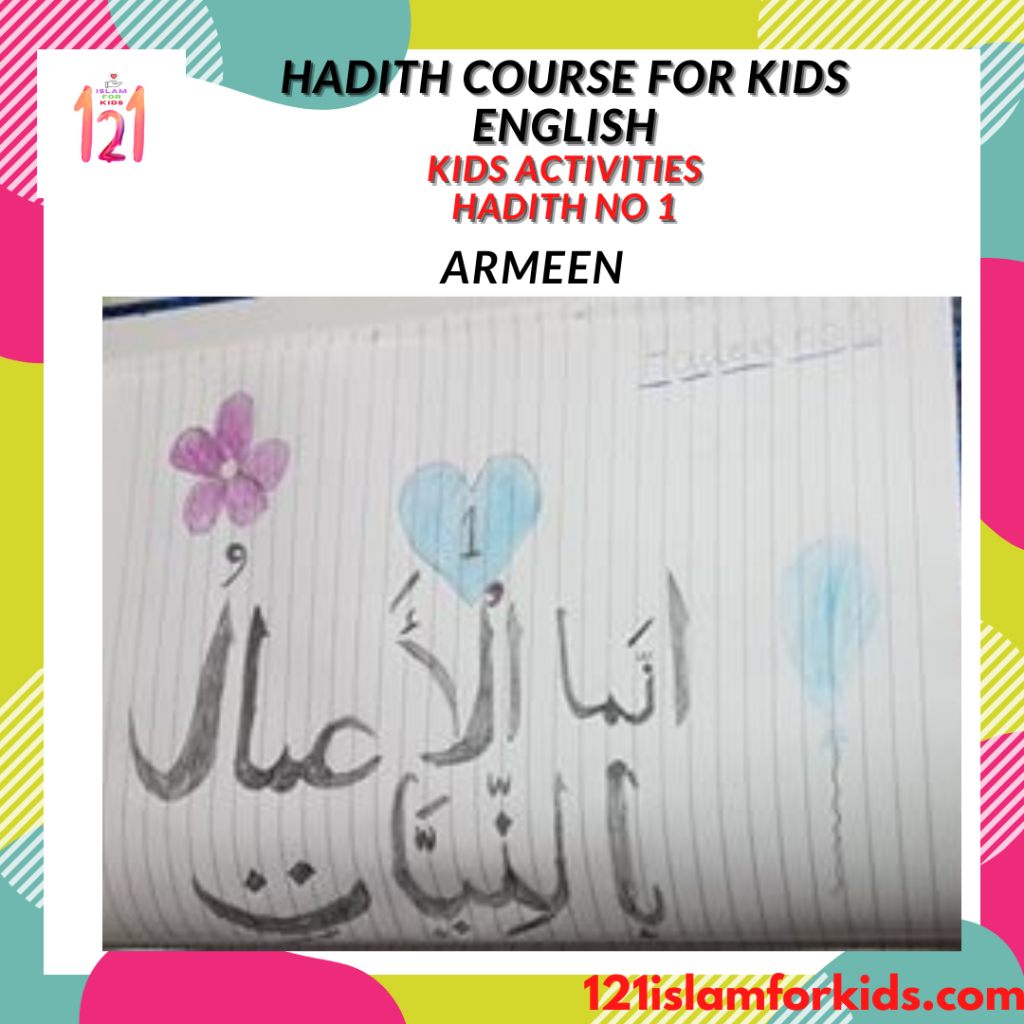
    Students activities