SUMMARY:
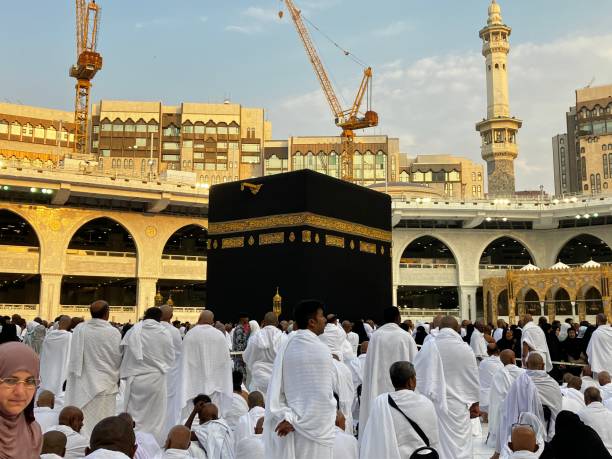
Hajj and Umrah are two of Islam’s most significant pilgrimages, each offering unique rituals, costs, and spiritual benefits. Hajj, the major pilgrimage and one of the Five Pillars of Islam, is performed in the month of Dhu al-Hijjah, involves complex rituals like standing at Arafat, Mina and Muzdalifah rituals, and is generally costlier. Umrah, the “lesser pilgrimage,” can be performed anytime of the year, involves simpler rituals such as Tawaf, Sa’i, and hair trimming, and offers flexibility and spiritual refreshment at a lower cost. Both pilgrimages provide opportunities for forgiveness, reflection, and spiritual growth, but Hajj carries maximum religious significance due to its obligatory nature. Understanding the difference between Hajj and Umrah helps pilgrims plan effectively and gain the most from their spiritual journey.
Introduction
Pilgrimage holds a profound place in Islam, serving as a path to spiritual purification, self-reflection, and devotion to Allah. Among the Islamic pilgrimages, Hajj and Umrah are the most significant, attracting millions of Muslims worldwide.
While both involve traveling to Makkah, they differ in rituals, timing, costs, and spiritual significance. Understanding these differences is essential for pilgrims planning their journey and seeking maximum spiritual benefit. This article explores the key distinctions between Hajj and Umrah, providing a detailed, authoritative guide for every Muslim.
What is Hajj?
Hajj is the major pilgrimage in Islam, and one of the Five Pillars. It is obligatory for all adult Muslims who are physically and financially able to perform it at least once in their lifetime.
Historically, Hajj commemorates Prophet Ibrahim’s devotion to Allah, including his willingness to sacrifice his son in obedience to God. Hajj is highly structured, with rituals performed over specific days in the Islamic month of Dhu al-Hijjah.
Performing Hajj not only fulfills a religious obligation but also offers a profound opportunity for spiritual renewal, forgiveness of sins, and unity among Muslims.
What is Umrah?
Umrah, often referred to as the “lesser pilgrimage,” is optional but highly recommended. Unlike Hajj, it can be performed anytime of the year, offering spiritual refreshment without the strict timing or extended rituals of Hajj.
Umrah provides an opportunity for reflection, prayer, and spiritual growth, allowing pilgrims to seek forgiveness and strengthen their connection with Allah multiple times throughout their lives.
Key Differences Between Hajj and Umrah
| Feature | Hajj | Umrah |
| Obligation | Mandatory for eligible Muslims | Optional |
| Timing | Specific days in Dhu al-Hijjah | Anytime of the year |
| Duration | 4–5 days (or longer) | Few hours to 1 day |
| Ritual Complexity | Multiple complex rituals including Arafat, Mina, and Muzdalifah | Simpler rituals: Tawaf, Sa’i, and hair trimming |
| Cost | High | Moderate |
| Spiritual Reward | Forgiveness of major sins and spiritual transformation | Forgiveness of minor sins and spiritual refreshment |
Detailed Rituals of Hajj
Hajj involves several essential rituals:
· Ihram: Entering a sacred state with specific attire and behavioral restrictions.
· Tawaf: Circumambulating the Kaaba seven times, expressing devotion and unity.
· Sa’i: Walking seven times between the hills of Safa and Marwah, symbolizing Hajar’s search for water.
· Standing at Arafat: A key ritual representing submission, reflection, and repentance.
· Mina and Muzdalifah: Collecting pebbles and performing stoning of Jamrah, reenacting Prophet Ibrahim’s trials.
· Sacrifice (Qurbani): Offering an animal as part of obedience to Allah.
These rituals, performed in a specific order, make Hajj physically and spiritually demanding, yet deeply rewarding.
Detailed Rituals of Umrah
Umrah is shorter and simpler but equally significant for spiritual growth:
· Ihram: Pilgrims enter the sacred state, observing modesty and devotion.
· Tawaf: Circumambulating the Kaaba seven times, reciting prayers.
· Sa’i: Walking between Safa and Marwah seven times.
· Shaving or Trimming Hair: Symbolizing renewal and purification.
· Duas of Umrah: Performing recommended duas and supplications is essential for spiritual fulfillment.
Duas to Recite for Umrah
Duas are a powerful way to seek Allah’s guidance during your pilgrimage. Some recommended duas include:
1.Dua for Intention (Niyyah) of Umrah:
“لَبَّيْكَ اللّهُمَّ عُمْرَةً”
(Labbayk Allahumma ‘Umrah – O Allah, here I am for Umrah.)
2.Dua While Starting Tawaf:
“بِسْمِ اللّهِ، وَاللّهُ أَكْبَرُ”
(Bismillah, Allahu Akbar – In the name of Allah, Allah is the Greatest.)
3.Dua for Forgiveness During Umrah:
“اللّهُمَّ اغْفِرْ لِي ذَنْبِي وَتَقَبَّلْ عَمَلِي”
(Allahumma ighfir li dhanbi wa taqabbal ‘amali – O Allah, forgive my sins and accept my deeds.)
4.Dua After Completing Sa’i:
“اللّهُمَّ تَقَبَّلْ مِنِّي وَاجْعَلْهَا خَالِصَةً لَكَ”
(Allahumma taqabbal minni wa aj‘alha khalisatan laka – O Allah, accept it from me and make it purely for Your sake.)
5.Dua for Safety and Ease During Umrah:
“اللّهُمَّ اجْعَلْ هَذِهِ الْعُمْرَةَ مُيَسَّرَةً وَمَقْبُولَةً”
(Allahumma aj‘al hadhihi al-‘Umrah mu’yassarah wa maqboolah – O Allah, make this Umrah easy and accepted.)
Cost Comparison: Hajj vs Umrah
Hajj Costs:
Accommodation, transportation, and guided packages are more expensive due to peak-season demand. If you want Includes additional costs like animal sacrifice and stay in Mina.
Umrah Costs:
Generally lower, can be done off-season. Includes travel, accommodation near the Haram, and basic services. Costs range from $499 to $2,499 depending on season and package.
Tips for pilgrims: Book early, compare packages, and choose suitable lodging for a comfortable and affordable journey.
Spiritual Significance and Rewards
Hajj:
· Provides forgiveness of major sins.
· Strengthens faith, patience, and unity among Muslims.
· Symbolizes submission, obedience, and historical devotion to Allah.
Umrah:
· Offers spiritual renewal and minor sin forgiveness.
· Both pilgrimages enrich faith and encourage reflection, though Hajj carries maximum spiritual significance due to its obligatory nature and comprehensive rituals.
· Umrah Can be performed multiple times a year, helping pilgrims maintain ongoing devotion.
Even though performing Umrah for first time may feel overwhelming, it remains possible and brings the promise of major sin forgiveness based on your Niyyah.
Conclusion
Hajj and Umrah, though similar in purpose, differ in rituals, timing, cost, and spiritual reward. Hajj is a major pilgrimage with structured rituals, higher costs, and maximum spiritual benefits. Umrah is a flexible, optional pilgrimage that allows for ongoing spiritual growth and reflection. Both pilgrimages require planning, intention, and devotion, offering Muslims a path to renewed faith, forgiveness, and closeness to Allah.
Frequently Asked Questions (FAQs
Q1: Can Umrah Be Performed Multiple Times?
Yes, unlike Hajj, Umrah can be performed as many times as desired throughout the year.
Q2: Is Hajj Compulsory for Everyone?
Hajj is only mandatory for adult Muslims who are physically and financially able.
Q3: Can Umrah Be Combined with Hajj?
Yes, many pilgrims perform Umrah before or after Hajj for spiritual enrichment.
Q4: How to Choose Between Hajj and Umrah First?
If eligible, Hajj should take priority due to its obligatory nature; Umrah can supplement the spiritual journey.
Leave a Reply
You must be logged in to post a comment.