
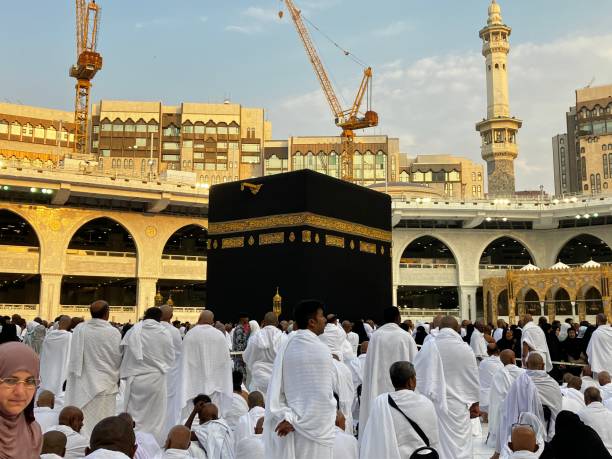
Introducing children to the basics of Hajj and Umrah is one of the best gifts a Muslim parent may give to their child. These forms of worship connect tender hearts with Allah, create an Islamic identity within them, and eventually make them understand the deeper purpose of such worship. To many Muslim families, teaching kids about Hajj and Umrah is of great importance in helping them to stand their ground in the middle of a busy, multicultural society. The proper approach will unlock your ability to make that information easy and enjoyable to learn for them at any age.
Hajj and Umrah Basics: What to Teach Children
Children are naturally inquisitive and remember things more quickly if the material is familiar and basic. Children who understand Hajj and Umrah from an early age will appreciate Islam’s beauty and, in turn, understand why millions of Muslims travel every year. For Muslim parents in the USA, far away from any Islamic landmarks, this learning is important. Kids may not see pilgrimage customs in their neighbourhoods; hence, such a resource, even flipping through Umrah Packages 2026, can spark interest and offer a real sense of what this journey truly looks and feels like. Teaching them helps them connect with their religion through many narratives, images, and real-life illustrations.
Begin with the narration of Prophet Ibrahim (AS)
The stories of Prophet Ibrahim, Hajar, and Prophet Ismail (Peace be upon them) are the best way to make the younger ones take an interest in learning about Hajj and Umrah. This story will help the youngsters understand:
- Why the Kaaba is important.
- Why do Muslims walk between Safa and Marwah?
- Why is Zamzam water special?
- Why do people do Qurbani during Hajj?
It uses simple words and narration. This story is animated in picture books, Islamic videos for kids, and family conversations.
Explain what the Ihram is meant for
Children always observe people wearing white clothes while performing Hajj and Umrah. Tell them that:
- Ihram suggests equality, and all are the same.
- It shows us that before all, we stand in humility.
- It inculcates patience, kindness, and politeness.
You can even show them the Ihram garments within your home or on the internet. In fact, some families allow their kids-especially the youngest in the family-to try on small sheets of Ihram for those fun educational moments.
Help Them Learn About Tawaf and Sa’i
The rituals of Tawaf and Sai can be explained to the children by demonstrating them and making them perform them by themselves. Tawaaf means circling the Kaaba seven times. Sa’i is walking between Safa and Marwah. Such acts remind one of the remembrance of Allah and the piety of Hajar. Many parents in the USA use small cardboard or foam models of the Kaaba for teaching Tawaf; let the kids walk around it, imitating Sa’i – this way, the learning will be unforgettable.
Teach them, Dua & Good Manners
One of the greatest lessons in Hajj and Umrah is that of the power of dua. Teach children:
- To say Bismillah before every action
- Making dua for oneself, family, and the Ummah
- To be gentle, patient, and courteous
You can make a “Dua Journal” with your kids where they write or draw pictures of duas they want to make during Umrah, or at any time when one of the family members is leaving for Hajj.
The Importance of Zamzam Water
Explain to the kids why Zamzam is special, that it had been a miracle of Allah to Hajar and the baby Ismail. Remind Muslims that Allah is providing at all times: ides, Blessed be and safe to drink. Children just love the miracle stories, so this is usually one of their favourite lessons.
Arafah Day and Its Significance
This is a very important day and ritual that you should explain to your children. Tell them that making dua on the day of Arafah is very important. You can always say something like:
Arafah: This is the day when Allah forgives many sins. This is the day when Muslims in the world fast. The time of coming together for the Ummah. For American Muslim kids who may not be able to see this in real time, knowing there’s live coverage of Hajj on TV or online helps connect them.
Explain Sacrifice – Qurbani
In explanation to them, you should say: This act honours the obedience of Prophet Ibrahim. The meat is shared with the po. It is a sign of appreciation and sharing. Children love to take part in charitable initiatives. Children learn more when they do things themselves. Let them pack some food boxes and distribute them among the people.
Final Thoughts
Teaching children the basics of Hajj and Umrah is way more than teaching rituals alone; this is giving them their spiritual foundation. For Muslim families living here in the USA, these lessons connect them to Makkah and Madinah-even from thousands of miles away. Easy, creative love turns it into seeds of faith all around you. May Allah simplify your work, endow your children with enormous Iman, and provide opportunities for your family to travel for Hajj and Umrah together.