Tag: free quran study

  • What are the teachings of surah ash-shams(91)? Easy tafsir

    What are the teachings of surah ash-shams(91)? Easy tafsir

    Unlock the lessons of Surah Ash Shams through a dynamic teaching method. Blend storytelling, tajweed, and reflection, fostering gratitude and choices for success.

    surah ash shams

    Introduction of Surah Ash Shams

    Sure! Surah Ash-Shams is like a magical story that teaches us important lessons. It tells us about a special messenger, Prophet Saleh, who was sent by Allah to guide a group of people called the Thamud.

    In this story, Allah gave the Thamud a unique camel as a sign of His power. Prophet Saleh warned them to be kind to the camel and to be grateful for Allah’s blessings. But some of the Thamud didn’t listen. They became proud and rebellious, and even after being warned, they harmed the special camel.

    Because of their bad choices, Allah was not pleased. His wrath came upon the Thamud, and their homes were leveled to the ground. The story teaches us that making good choices brings happiness and success while making bad choices leads to disappointment and failure.

    So, children, the lesson from Surah Ash-Shams is to be like the heroes in the story. Be kind, be grateful for the good things around you, and always listen to the wise advice given by those who guide you on the right path. This way, you’ll have a happy and successful tale filled with goodness.

    Words meaning and Tafsir

    Verse 1:

    Arabic: وَٱلشَّمْسِ وَضُحَىٰهَا

    English: “By the sun and its brightness,”

    Word Meaning:

    • وَ (Wa): By
    • الشَّمْسِ (Ash-Shams): the sun
    • وَضُحَىٰهَا (Wa Duhaaha): and its brightness

    “By the sun and its brightness,” (Quran 91:1)

    Now, let’s explore a children-friendly explanation inspired by Tafsir Ibn Kathir:

    Imagine the Quran is like a special guidebook that helps us understand the world and teaches us how to be good people. In this verse, Allah is talking about the sun, that bright and warm ball of light in the sky.

    When Allah says, “By the sun and its brightness,” it’s like saying, “Pay attention to the sun and the light it gives us.” The sun is essential for our world. It provides us with light during the day and makes everything bright and clear.

    Now, let’s think about why Allah might be mentioning the sun. Allah shows us how amazing His creations are and how everything in nature has a purpose. Just like the sun brightens our day, Allah wants us to bring brightness and goodness into the world.

    So, when you see the sun shining, remember that Allah is reminding you to spread kindness, just like the sun spreads light. Be a source of warmth and happiness for others, just like the sun is a source of warmth for the Earth.

    In summary, this verse is a beautiful way of teaching us to appreciate the sun and the light it brings. It’s also a reminder to be like the sun by spreading kindness and goodness to make the world a brighter place.

    Verse 2

    Arabic: وَٱلْقَمَرِ إِذَا تَلَىٰهَا

    English: “And [by] the moon when it follows it,”

    Word Meaning:

    • وَ (Wa): And
    • الْقَمَرِ (Al-Qamar): the moon
    • إِذَا (Idha): when
    • تَلَىٰهَا (Talaa): it follows it

    Now, let’s provide a children-friendly explanation inspired by Tafsir Ibn Kathir:

    Imagine the Quran is like a magical storybook that tells us about the wonders of the world. In this verse, Allah is talking about the moon, that shiny and gentle light we see at night.

    When Allah says, “And [by] the moon when it follows it,” it’s like saying, “Think about the moon and how it quietly follows the sun.” The moon doesn’t have its light; it reflects the light of the sun. So, when the sun goes away, the moon comes out and shares its gentle glow with us.

    Just like the moon follows the sun, Allah wants us to learn about the beauty of order and harmony in the world. It’s like having a friend who supports you, just like the moon supports the night by giving it a soft and peaceful light.

    So, when you see the moon in the sky, remember that Allah is teaching us about cooperation and sharing. Be like the moon in your life by helping and being a good friend to others, especially when they need a little light in their darkness.

    In summary, this verse teaches us to appreciate the moon’s gentle glow and reminds us to be supportive and kind, just like the moon follows the sun to light up the night.

    Verse 3

    Arabic: وَٱلنَّهَارِ إِذَا جَلَّىٰهَا

    English: “And [by] the day when it displays it,”

    Word Meaning:

    • وَ (Wa): And
    • النَّهَارِ (An-Nahaar): the day
    • إِذَا (Idha): when
    • جَلَّىٰهَا (Jallaa): it displays it

    Now, let’s provide a children-friendly explanation inspired by Tafsir Ibn Kathir:

    Imagine the Quran is like a treasure map, and in this verse, Allah is talking about something special: the daytime, when the sun shines bright.

    When Allah says, “And [by] the day when it displays it,” it’s like saying, “Look at the daytime when the sun makes everything bright and clear.” During the day, we can see the world around us, play, and learn new things because of the sunlight.

    Just like the daytime shows us the beauty of the world, Allah wants us to use our time wisely during the day. It’s like having a big playground where we can learn, be kind to others, and enjoy the blessings that Allah has given us.

    So, when you see the sun in the sky during the day, remember that Allah is reminding you to be active, learn, and make the most of your time. Be like the daytime by spreading happiness, just as the sunlight spreads across the earth.

    In summary, this verse encourages us to appreciate the brightness of the daytime and use our time wisely to learn, play, and be kind to others. It’s a reminder to be a source of light and joy, just like the day when the sun displays its radiant glow.

    Verse 4

    Arabic: وَٱلَّيْلِ إِذَا يَغْشَىٰهَا

    English: “And [by] the night when it covers it,”

    Word Meaning:

    • وَ (Wa): And
    • اللَّيْلِ (Al-Layl): the night
    • إِذَا (Idha): when
    • يَغْشَىٰهَا (Yaghshaa): it covers it

    Now, let’s provide a children-friendly explanation inspired by Tafsir Ibn Kathir:

    Imagine the Quran as a magical storybook that tells us about the wonders of the world. In this verse, Allah talks about something very special: the nighttime, when the world is covered by darkness.

    When Allah says, “And [by] the night when it covers it,” it’s like saying, “Think about the nighttime when everything is quiet and covered in darkness.” The night is like a soft, comforting blanket that covers the world, and it’s a time for rest and sleep.

    Just like the night covers the world, Allah wants us to appreciate the peacefulness of the night and understand the importance of rest. It’s like a gift from Allah, giving us a break to recharge our energy for the new day ahead.

    So, when you see the stars in the night sky, remember that Allah is reminding you to be grateful for the peacefulness of the night. Be like the night by bringing comfort and tranquility to others, just as the nighttime covers the world in a gentle embrace.

    In summary, this verse teaches us to appreciate the beauty and tranquility of the nighttime and reminds us of the importance of rest and peacefulness. It’s a reminder to be grateful for the calming moments that Allah has given us.

    Verse 5

    Arabic: وَٱلسَّمَاءِ وَمَا بَنَاهَا

    English: “And [by] the heaven and the One Who constructed it,”

    Word Meaning:

    • وَ (Wa): And
    • السَّمَاءِ (As-Samaa’): the heaven/sky
    • وَمَا بَنَاهَا (Wa Maa Banaha): and the One Who constructed it

    Now, let’s provide a children-friendly explanation inspired by Tafsir Ibn Kathir:

    Imagine the Quran is like a fascinating adventure book, and in this verse, Allah is talking about something incredible: the sky, that big, blue roof over our world.

    When Allah says, “And [by] the heaven and the One Who constructed it,” it’s like saying, “Think about the sky and how amazing it is. Allah is the One who made it so perfectly.” The sky is like a giant dome covering everything; Allah is the incredible builder who made it just right.

    Just like the sky protects us and makes our world beautiful, Allah wants us to appreciate His amazing creations. It’s like living in a big, open space where we can see the clouds, the sun, the moon, and the stars. Allah made it all so wonderfully!

    So, when you look up at the sky, remember that Allah reminds you of His greatness. Be like the sky by being open-hearted and kind to everyone. Just as the sky covers everything with its vastness, let your kindness and love cover the people around you.

    In summary, this verse teaches us to marvel at the beauty of the sky and appreciate the amazing way Allah created it. It’s a reminder to be kind and open-hearted, just like the vastness of the sky that Allah constructed so perfectly.

    Verse 6

    Arabic: وَٱلْأَرْضِ وَمَا طَحَاهَا

    English: “And [by] the earth and the One Who spread it!”

    Word Meaning:

    • وَ (Wa): And
    • الْأَرْضِ (Al-Ard): the earth
    • وَمَا طَحَاهَا (Wa Maa Ṭahaa): and the One Who spread it

    Now, let’s provide a children-friendly explanation inspired by the general understanding of the verse:

    Imagine the Quran is like a magical book full of secrets, and in this verse, Allah is talking about something extraordinary: the earth, the ground beneath our feet.

    When Allah says, “And [by] the earth and the One Who spread it,” it’s like saying, “Think about the ground you walk on and how Allah made it so perfect for us.” Allah is the One who made the earth flat and spread out, like a big, comfortable carpet for us to live on.

    Just like the earth gives us a place to walk, play, and build our homes, Allah wants us to appreciate the beauty and stability of the world. It’s like living in a big, wonderful garden that Allah created just for us.

    So, when you feel the ground beneath your feet, remember that Allah reminds you of His incredible power. Be like the earth by being strong and supportive, just as the ground supports everything on it.

    In summary, this verse teaches us to appreciate the earth, and our home, and to be grateful for the stable ground beneath our feet. It’s a reminder to be strong and supportive, just like the earth that Allah spread out so perfectly for us.

    Verse 7

    Arabic: وَنَفْسٍۢ وَمَا سَوَّىٰهَا

    English: “And [by] the soul and the One Who fashioned it,”

    Word Meaning:

    • وَ (Wa): And
    • نَفْسٍ (Nafs): the soul
    • وَمَا (Wa Maa): and the One Who
    • سَوَّىٰهَا (Sawwaa): fashioned it

    Now, let’s provide a children-friendly explanation inspired by the general understanding of the verse:

    Imagine the Quran is like a treasure map, and in this verse, Allah is talking about something truly special: the soul, the part of us that makes us who we are.

    When Allah says, “And [by] the soul and the One Who fashioned it,” it’s like saying, “Think about your heart and your feelings, and remember that Allah created each person uniquely and wonderfully.” Allah is the One who designed our souls, making each of us special and different.

    Just like a skilled artist creates beautiful paintings, Allah created our souls with love and care. He made us with feelings, thoughts, and the ability to choose between right and wrong. It’s like having a special gift that makes each person one of a kind.

    So, when you feel happy, sad, or even curious about the world, remember that Allah is reminding you of the beauty of your soul. Be like the soul by being kind, understanding, and appreciating the uniqueness in yourself and others.

    In summary, this verse teaches us to appreciate the uniqueness of our souls, which Allah fashioned with love and care. It’s a reminder to be kind and understanding, just as Allah beautifully designed each person’s soul.

    Verse 8

    Arabic: فَأَلْهَمَهَا فُجُورَهَا وَتَقْوَىٰهَا

    English: “Then [Allah] inspired it [with knowledge of] its wickedness and its righteousness.”

    Word Meaning:

    • فَأَلْهَمَهَا (Fa’alhamaha): Then inspired it
    • فُجُورَهَا (Fujura): its wickedness
    • وَتَقْوَىٰهَا (Wa Taqwa): and its righteousness

    Now, let’s provide a children-friendly explanation inspired by the general understanding of the verse:

    Imagine the Quran is like a wise friend, and in this verse, Allah is telling us about something fascinating: how He gave us a special gift called a conscience.

    When Allah says, “Then [Allah] inspired it [with knowledge of] its wickedness and its righteousness,” it’s like saying, “Allah gave us a little voice inside our hearts that helps us know the difference between right and wrong.” This special gift helps us make good choices in our lives.

    Just like a guidebook that tells us what’s right and what’s wrong, Allah inspired our hearts with a sense of what’s good (righteousness) and what’s not so good (wickedness). It’s like having a superhero power that helps us be kind, and honest, and make choices that make Allah happy.

    So, when you feel that little nudge inside your heart telling you to be good, remember that it’s Allah’s way of helping you choose the right path. Be like the heart by listening to that special voice and making choices that bring happiness and goodness to yourself and others.

    In summary, this verse teaches us about the special gift of a conscience that Allah has given us, helping us distinguish between right and wrong. It’s a reminder to listen to our hearts and make choices that bring joy and goodness into our lives.

    Verse 9

    Arabic: قَدْ أَفْلَحَ مَن زَكَّاهَا

    English: “Indeed, successful is the one who purifies it (the soul),”

    Word Meaning:

    • قَدْ (Qad): Indeed
    • أَفْلَحَ (Aflaha): Successful
    • مَن (Man): the one who
    • زَكَّاهَا (Zakkaaha): purifies it (referring to the soul)

    Now, let’s provide a children-friendly explanation inspired by the general understanding of the verse:

    Imagine the Quran is like a guidebook for life, and in this verse, Allah is teaching us about a special secret to success: keeping our hearts pure and clean.

    When Allah says, “Indeed, successful is the one who purifies it,” it’s like saying, “The person who takes care of their heart and makes good choices will be successful in life.” Just as we keep our bodies clean by taking a shower, Allah wants us to keep our hearts clean from bad thoughts and actions.

    So, what does it mean to purify the heart? It means being kind to others, telling the truth, helping those in need, and doing things that make Allah happy. When we do these good things, we are taking care of our hearts and making them pure.

    Now, here comes the superhero part: when we keep our hearts pure, Allah promises success. It’s like having a magic key to happiness and good things. Being successful doesn’t just mean having lots of toys or money; it means having a heart full of goodness and love.

    So, when you make choices that are kind and honest, remember that you’re on the path to success. Be like the heroes in your favorite stories by keeping your heart pure, and you’ll see how much joy and success you can bring to your life.

    In summary, this verse teaches us that success comes to those who keep their hearts pure by making good choices and being kind. It’s a reminder to be like the heroes and heroines in our favorite stories, making the world a better place through our actions and kindness.

    Verse 10

    Arabic: وَقَدْ خَابَ مَن دَسَّاهَا

    English: “And doomed is the one who corrupts it.”

    Word Meaning:

    • وَقَدْ (Wa Qad): And doomed is
    • خَابَ (Khaaba): the one who is doomed
    • مَن (Man): the one who
    • دَسَّاهَا (Dassaa-ha): corrupts it (referring to the soul)

    Now, let’s provide a children-friendly explanation inspired by the general understanding of the verse:

    Imagine the Quran is like a wise friend who cares about us, and in this verse, Allah is warning us about something very important: ruining our hearts.

    When Allah says, “And doomed is the one who corrupts it,” it’s like saying, “Uh-oh! The person who makes bad choices and does things that hurt their heart will face problems.” Allah is warning us to be careful because doing wrong things can make our hearts feel sad and troubled.

    So, what does it mean to corrupt the heart? It means being mean to others, telling lies, being greedy, and doing things that make Allah unhappy. When we do these things, it’s like putting muddy footprints on our hearts and making them feel yucky.

    But here’s the good news: we have the power to keep our hearts clean and pure by making good choices. If we listen to the good feelings inside us, like being kind and helpful, we can avoid making our hearts sad.

    So, when you’re faced with choices, remember to choose the path that keeps your heart happy and clean. Be like the heroes and heroines in your favorite stories by making choices that bring joy and goodness to your heart and the world around you.

    In summary, this verse warns us about the consequences of corrupting our hearts by making bad choices. It’s a reminder to be wise in our actions and to choose the path that keeps our hearts pure and happy.

    Verse 11

    Arabic: كَذَّبَتْ ثَمُودُ بِطَغْوَاهَآ

    English: “Thamûd rejected [the truth] out of arrogance.”

    Word Meaning:

    • كَذَّبَتْ (Kazzabat): rejected
    • ثَمُودُ (Thamûd): Thamûd (an ancient Arabian tribe)
    • بِطَغْوَاهَا (Biṭaghwaaha): out of arrogance

    Now, let’s provide a children-friendly explanation inspired by the general understanding of the verse:

    Imagine the Quran is like a storybook filled with lessons, and in this verse, Allah is telling us about a group of people called Thamûd who made a big mistake.

    When Allah says, “Thamûd rejected [the truth] out of arrogance,” it’s like saying, “There were some people in the past who didn’t want to listen to the good things Allah was telling them. They thought they knew better and didn’t want to be humble and learn.”

    Being arrogant is like having a big head and thinking we’re always right, even when we’re not. Thamûd didn’t want to accept the truth and be good, so they turned away from the guidance Allah was sending them.

    But here’s the important lesson: Allah wants us to be humble and open-hearted. We should be willing to learn and listen to what is right. If we make mistakes, it’s okay as long as we try to fix them and be better.

    So, when you hear something good or helpful, be like a wise explorer and be ready to learn. Don’t let arrogance stop you from growing and becoming a better person. Being humble and open to learning is a great way to make your heart happy.

    In summary, this verse teaches us about the mistake of Thamûd, who rejected the truth because of their arrogance. It reminds us to be humble, open to learning, and willing to accept what is right and good.

    Verse 12

    Arabic: إِذِ ٱنۢبَعَثَ أَشْقَىٰهَا

    English: “When the most wicked of them was roused [to kill the she-camel].”

    Word Meaning:

    • إِذِ (Idh): When
    • انبَعَثَ (Anba’atha): was roused
    • أَشْقَىٰهَا (Ashqaa-haa): the most wicked of them

    Now, let’s provide a children-friendly explanation inspired by the general understanding of the verse:

    Imagine the Quran is like a magical adventure book, and in this verse, Allah is telling us about a time when some people made a very bad decision.

    When Allah says, “When the most wicked of them was roused [to kill the she-camel],” it’s like saying, “There were people who were not being kind. The most wicked person among them wanted to hurt a special she-camel that Allah had sent as a sign.”

    The she-camel was a gift from Allah, and it was a test for the people to see if they would be grateful and take care of it. But the most wicked person, instead of being good, wanted to harm the camel.

    This story teaches us that sometimes people make bad choices because they are not being kind and grateful. Allah wants us to be good and thankful for the blessings He gives us, just like taking care of the she-camel.

    So, when you face choices, remember to be like the heroes in your favorite stories and make good decisions. Be kind, and grateful, and take care of the blessings Allah gives you, just like the people should have taken care of the she-camel.

    In summary, this verse tells us about a time when the most wicked person in a group wanted to harm a special she-camel from Allah. It’s a reminder for us to be kind, and grateful, and take care of the blessings Allah gives us in our lives.

    verse 13

    Arabic: فَقَالَ لَهُمْ رَسُولُ ٱللَّهِ نَاقَةَ ٱللَّهِ وَسُقْيَـٰهَا

    English: “But the Messenger of Allah warned them, ‘Allah’s she-camel and her turn to drink!’”

    Word Meaning:

    • فَقَالَ (Faqaala): But he said
    • لَهُمْ (Lahum): to them
    • رَسُولُ اللَّهِ (Rasoolullah): the messenger of Allah
    • نَاقَةَ اللَّهِ (Naqatullah): Allah’s she-camel
    • وَسُقْيَـٰهَا (Wa Suqyaha): and her turn to drink

    Now, let’s provide a children-friendly explanation inspired by the general understanding of the verse:

    Imagine the Quran is like a storybook filled with wise messengers, and in this verse, Allah is telling us about a special messenger who tried to guide the people to do what is right.

    When Allah says, “But the Messenger of Allah warned them, ‘Allah’s she-camel and her turn to drink!’” it’s like saying, “There was a special person sent by Allah to tell the people to be careful and not harm a special she-camel that Allah had given them.”

    The she-camel was a gift from Allah, and the messenger wanted to make sure the people understood how important it was to treat the camel kindly and let her drink water. Allah’s messenger was like a wise friend, reminding them to be grateful and take care of the blessings Allah gave them.

    This story teaches us about the importance of listening to messengers and being kind to the blessings Allah provides. Just like the people were warned not to harm the she-camel, we should be careful not to harm others and to appreciate the good things in our lives.

    So, when you hear wise advice, remember to be like the people who listened and did what was right. Be kind and thankful for the blessings around you, just like taking care of the she-camel.

    In summary, this verse tells us about a messenger of Allah warning the people to be careful and not harm a special she-camel. It’s a reminder for us to listen to wise advice, be kind, and appreciate the blessings Allah gives us.

    verse 14

    Arabic: فَكَذَّبُوهُ فَعَقَرُوهَا فَدَمْدَمَ عَلَيْهِمْ رَبُّهُم بِذَنبِهِمْ فَسَوَّاهَا

    English: “Still they defied him and slaughtered her. So their Lord crushed them for their crime, leveling all to the ground.”

    Word Meaning:

    • فَكَذَّبُوهُ (Fakazzaboo-hu): Still they defied him
    • فَعَقَرُوهَا (Fa’aqaroo-haa): and slaughtered her
    • فَدَمْدَمَ (Fadamdama): So their Lord crushed
    • عَلَيْهِمْ (Alayhim): them
    • رَبُّهُم (Rabbuhum): their Lord
    • بِذَنبِهِمْ (Bithanbihim): for their crime
    • فَسَوَّاهَا (Fasawwaha): leveling all to the ground

    Now, let’s provide a children-friendly explanation inspired by the general understanding of the verse:

    Imagine the Quran is like a guidebook for good choices, and in this verse, Allah is telling us about a sad time when some people made a really bad decision.

    When Allah says, “Still they defied him and slaughtered her,” it’s like saying, “Even after being warned, the people didn’t listen. They did something very wrong by hurting the special she-camel that Allah had given them.”

    The she-camel was a gift from Allah, and instead of being kind and grateful, the people chose to be mean and hurt it. This made Allah very sad, and He decided to teach them a lesson.

    So, when Allah says, “So their Lord crushed them for their crime, leveling all to the ground,” it means that Allah, in His wisdom, punished the people for their bad choices. Their homes and everything around them were leveled to the ground.

    This story teaches us about the importance of being kind, grateful and making good choices. Allah wants us to appreciate the blessings He gives us and not to harm others or His creations.

    So, when you face choices, remember to be like the people who make good decisions. Be kind, and thankful, and appreciate the blessings around you. Allah wants us to live in harmony and make the world a better place.

    In summary, this verse tells us about the consequences of a group of people who made a bad choice by hurting a special she-camel. It’s a reminder for us to be kind, and grateful, and make good choices to avoid negative consequences.

    verse 15

    Arabic: وَلَا يَخَافُ عُقْبَـٰهَا

    English: “He has no fear of consequences.”

    Word Meaning:

    • وَلَا (Wa La): And he has no
    • يَخَافُ (Yakhaafu): fear
    • عُقْبَـٰهَا (‘Uqbaaha): of consequences

    Now, let’s provide a children-friendly explanation inspired by the general understanding of the verse:

    Imagine the Quran is like a wise friend, and in this verse, Allah is talking about a person who makes good choices and doesn’t worry about bad consequences.

    When Allah says, “He has no fear of consequences,” it’s like saying, “There are people who do good things without expecting anything bad to happen to them. They are so good that they don’t worry about what might go wrong because they trust Allah.”

    This verse is like a superhero’s power. Imagine being so good and kind that you don’t have to be afraid of anything bad happening. Allah is telling us that when we make good choices and do things that make Him happy, He takes care of us.

    So, when you do good deeds and make kind choices, remember that Allah is watching over you. Trust in Him, and don’t be afraid of doing the right thing. It’s like having a magical shield of goodness that protects you from worries.

    In summary, this verse encourages us to be so good and kind that we don’t have to be afraid of bad consequences. Trust in Allah, make good choices, and you’ll have a magical shield of goodness around you.

    Teaching method for Surah Ash-Shams

    1. Introduction:

    Begin the lesson by introducing Surah Ash-Shams to the students. Provide information about when it was revealed and the historical context during Prophet Muhammad’s (PBUH) time in Makkah. Explain that the Surah emphasizes the consequences of human actions and the importance of recognizing and being grateful for Allah’s blessings.

    2. Tajweed and Recitation:

    Proceed with a session on Tajweed and recitation. Break down the verses of Surah Ash-Shams, focusing on correct pronunciation, elongation, and proper articulation. Encourage students to recite the verses, and provide individual guidance as needed.

    3. Words Meaning and Tafsir:

    After the recitation, delve into the meaning of the words and Tafsir (exegesis) of Surah Ash-Shams. Explain keywords and phrases, exploring their linguistic and contextual significance. Use Tafsir Ibn Kathir or other reputable sources to provide insights into the deeper meanings and lessons embedded in the Surah.

    4. Infographic:

    Create an infographic summarizing the main themes and lessons of Surah Ash-Shams. Include key points about the people of Thamud, the she-camel, the consequences of their actions, and the broader message of recognizing good and evil. Visual aids can enhance understanding and retention.

    5. Storytelling:

    Engage students with a storytelling session focused on the narrative of Surah Ash-Shams. Use age-appropriate language and emphasize the moral lessons of the story. Encourage participation by asking questions and prompting discussions about the characters, choices, and outcomes.

    6. Mindmap:

    Introduce a mindmap activity to visually organize the central themes of Surah Ash-Shams. Create a collaborative mindmap on a whiteboard or using digital tools, allowing students to contribute key concepts, characters, and lessons from the Surah. This visual representation aids in concept mapping and comprehension.

    7. Exercise:

    Conclude the lesson with an exercise that reinforces understanding. Design questions or activities that prompt students to reflect on the consequences of choices, relate the Surah to their lives or create personal connections. This can include journaling, group discussions, or short written reflections.

    By incorporating these elements into the teaching method, you can provide a comprehensive and engaging learning experience for students, ensuring they grasp both the linguistic aspects and the deeper spiritual lessons of Surah Ash-Shams.

    Surah Ash-Shams Mind Map:

    1. Introduction:
      • Early Makkah period
      • Strong opposition to Prophet Muhammad (pbuh)
    2. Main Theme:
      • Consequences of human actions
      • Distinction between good and evil
    3. Messenger:
      • Prophet Saleh (pbuh)
      • Sent to guide the people of Thamud
    4. She-Camel:
      • Miraculous sign from Allah
      • Symbolizes divine guidance
      • Specific schedule for drinking water
    5. People of Thamud:
      • Rebellion and defiance
      • Harm to the she-camel
      • Consequences of their actions
    6. Lesson Learned:
      • Importance of recognizing blessings
      • Making choices that lead to success
      • Consequences of corrupting the soul
    7. Application in Our Lives:
      • Recognizing good and evil
      • Making good choices
      • Being grateful for blessings
    8. Conclusion:
      • Timeless lessons for guidance

    Exercise

    Multiple Choice:

    1. What is the name of the Surah we are learning about?
    2. a. Surah Al-Fatiha b. Surah Ash-Shams c. Surah Al-Baqarah
    3. Where was Prophet Muhammad (pbuh) residing when Surah Ash-Shams was revealed? a. Madinah b. Makkah c. Taif
    4. What does the she-camel in the story symbolize? a. Divine guidance b. Water source c. Ordinary camel
    5. What did the people of Thamud do to the she-camel? a. Protected it b. Hamstrung it c. Ignored it
    6. What happened to the people of Thamud as a consequence of their actions? a. They were rewarded b. Their homes were leveled c. They were forgiven

    True/False: 6. Surah Ash-Shams teaches us that good and evil are the same. (True/False)

    1. Prophet Saleh (pbuh) was sent to guide the people of Thamud. (True/False)
    2. The she-camel had a special schedule for eating. (True/False)
    3. The people of Thamud listened to Prophet Saleh’s warnings. (True/False)
    4. The most wicked person among the Thamud hamstrung the she-camel. (True/False)

    Short Answer: 11. What is the main lesson Surah Ash-Shams teaches about good and evil?

    1. Who was the messenger sent to guide the people of Thamud?
    2. What was unique about the she-camel mentioned in the story?
    3. Why did the people of Thamud face consequences?
    4. How does Surah Ash-Shams emphasize the importance of recognizing blessings?
    5. Explain the symbolism of the she-camel in the story.
    6. What are the consequences of corrupting the soul according to Surah Ash-Shams?
    7. How can we apply the lessons from Surah Ash-Shams in our lives?
    8. Describe one example of a good choice mentioned in the story.
    9. Why is gratitude for Allah’s blessings an essential theme in Surah Ash-Shams?

    Answers:

    1. b, 2. b, 3. a, 4. b, 5. b, 6. False, 7. True, 8. True, 9. False, 10. True, 11. Answers may vary, but the emphasis should be on recognizing the differences between good and evil and making good choices.
    2. Prophet Saleh (pbuh), 13. It had a specific schedule for drinking water, 14. They harmed the she-camel and rejected Prophet Saleh, 15. By emphasizing the consequences of corrupting the soul, 16. It symbolizes divine guidance, 17. Failure, 18. Answers may vary, focusing on recognizing blessings and making good choices, 19. Protecting the she-camel, 20. Gratitude is essential to appreciate Allah’s guidance and blessings.

    Frequently Asked Questions (FAQs) about Surah Ash-Shams:

    1. Q: What is the main theme of Surah Ash-Shams?

    A: The main theme revolves around the consequences of human actions, the distinction between good and evil, and the importance of recognizing and being grateful for Allah’s blessings.

    2. Q: Who was the messenger mentioned in Surah Ash-Shams?

    A: The messenger was Prophet Saleh (PBUH), sent by Allah to guide the people of Thamud.

    3. Q: What was the significance of the she-camel in the story?

    A: The she-camel was a miraculous sign from Allah, symbolizing divine guidance and a test for the people of Thamud. It had a specific schedule for drinking water.

    4. Q: Why did the people of Thamud face consequences?

    A: The people of Thamud faced consequences due to their rebellion, defiance of Prophet Saleh’s guidance, and harm caused to the she-camel, a symbol of goodness.

    5. Q: What lesson does Surah Ash-Shams teach about good and evil?

    A: The Surah teaches that good and evil are distinct, contradictory, and have different consequences. It emphasizes making choices that lead to success by recognizing and developing good inclinations.

    6. Q: How does Surah Ash-Shams emphasize the importance of recognizing blessings?

    A: The Surah underscores the importance of recognizing and being grateful for Allah’s blessings by narrating the story of the people of Thamud and their failure to appreciate the divine signs.

    7. Q: What is the consequence of corrupting the soul according to Surah Ash-Shams?

    A: The consequence is failure. The Surah teaches that success depends on keeping the soul pure while corrupting it leads to disappointments and failures.

    8. Q: How can the lessons from Surah Ash-Shams be applied in our lives?

    A: The lessons can be applied by recognizing the differences between good and evil, making good choices, being grateful for blessings, and avoiding actions that corrupt the soul.

    9. Q: What role does the she-camel play in the story’s symbolism?

    A: The she-camel symbolizes divine guidance and a test for the people of Thamud. Its unique qualities and the people’s reaction to it highlight the importance of recognizing and following Allah’s signs.

    10. Q: Why is gratitude for Allah’s blessings emphasized in Surah Ash-Shams?

    A: Gratitude is emphasized to encourage appreciation for Allah’s guidance and blessings, fostering a sense of humility and recognition of the divine gifts in our lives.

    Resources

    Story of Surah AL-Layl Video

    Gallery

    Video Playlist English

    Video Playlist Urdu

    Books (Shop)

    My First Quran Picture Book

    My First Quran Stories Book

    Islamic education By Molvi Abdula Aziz Grade7

    Free Books (pdf)

  • (98)Surah Bayyinah: Step-by-step easy study with activities

    (98)Surah Bayyinah: Step-by-step easy study with activities

    Teaching Surah Bayyinah is not just about memorization but understanding and living by its message. Here is a step-by-step study and the Complete Teaching method. This method of teaching has been created for teachers/homeschooling parents and beginners to learn this Surah.

    surah bayyinah

    Introduction surah Bayyinah

    Surah Bayyinah is the 98th chapter of the Quran and is composed of eight verses. Its name, “Al-Bayyinah,” translates to “The Clear Evidence” or “The Manifest Proof.” This Surah was revealed in Madinah and holds a central place in the Quran due to its powerful message and clarity in conveying divine guidance.

    The Surah begins by emphasizing the clarity and unmistakable nature of the signs and guidance provided by Allah. It highlights the profound and unequivocal evidence presented by Allah to guide humanity. These signs, often called “Bayyinah,” are meant to remove any doubts or misconceptions about the truth of Islam and the message of the Prophet Muhammad (peace be upon him).

    Surah Al-Bayyinah serves as a reminder to all people of the importance of recognizing and accepting divine guidance when it is presented clearly. It discusses the distinction between believers who embrace the truth and disbelievers who reject it, providing insights into their respective fates in the Hereafter.

    The Surah beautifully conveys the message that the path to righteousness and salvation is marked by faith in Allah, good deeds, and a profound fear of displeasing the Creator. It also warns of the consequences for those who knowingly deny the evident signs of divine guidance.

    In summary, Surah Al-Bayyinah sets the stage for its key themes of faith, good deeds, divine proof, reward, and punishment. It serves as a powerful reminder of the importance of recognizing and following the clear evidence provided by Allah for the guidance and betterment of humanity.

    Surah bayyinah Word-to-Word Meanings:

    Verse no 1:

    لَمْ يَكُنِ ٱلَّذِينَ كَفَرُوا۟ مِنْ أَهْلِ ٱلْكِتَـٰبِ وَٱلْمُشْرِكِينَ مُنفَكِّينَ حَتَّىٰ تَأْتِيَهُمُ ٱلْبَيِّنَةُ ۗ

    Transliteration:

    Lam yakunilladhīna kafarū min ahli-l-kitābi wal-mushrikīna munfakkin hattā ta’tiyahumu-l-bayyinatu

    Word-to-Word Meanings:

    لَمْ (Lam): Not.يَكُنِ (yakuni): Were.ٱلَّذِينَ (alladhīna): Those who.كَفَرُوا۟ (kafarū): Disbelieved.مِنْ (min): From.أَهْلِ (ahli): The people of.ٱلْكِتَـٰبِ (al-kitābi): The Book (Scripture).وَ (wa): And.ٱلْمُشْرِكِينَ (al-mushrikīna): The polytheists (those who associate partners with Allah).مُنفَكِّينَ (munfakkin): Separated, divided.حَتَّىٰ (hattā): Until.تَأْتِيَهُمُ (ta’tiyahumu): Comes to them.ٱلْبَيِّنَةُ (al-bayyinatu): The clear evidence/sign

    Translation:

    The disbelievers from the People of the Book and the polytheists were not going to desist ˹from disbelief˺ until the clear proof came to them:

    Verse 2

    رَسُولٌۭ مِّن ٱللَّهِ يَتْلُوا۟ صُحُفًۭا مُّطَهَّرَةًۭ

    Transliteration:

    Rasūlun minal-lāhi yatlū ṣuḥufan muṭahharatan.

    Word-to-Word Meanings:

    رَسُولٌۭ (rasūlun): A Messenger.مِّن (min): From.ٱللَّهِ (l-lāhi): Allah.يَتْلُوا۟ (yatlu): Reciting.صُحُفًۭا (ṣuḥufan): Scrolls or scriptures.مُّطَهَّرَةًۭ (muṭahharatan): Purified.

    Translation:

    a messenger from Allah, reciting scrolls of ˹utmost˺ purity,

    Verse 3:

    وَمَا تَفَرَّقَ ٱلَّذِينَ أُوتُوا۟ ٱلْكِتَـٰبَ إِلَّا مِنۢ بَعْدِ مَا جَآءَتْهُمُ ٱلْبَيِّنَةُ ٤

    Transliteration

    “Wa maa tafarraqa allatheena ootoo alkitaba illaa min ba’di maa jaa’at humu albayyinatu.”

    Word-by-Word meanings:

    وَمَا (Wa Ma) – And not تَفَرَّقَ (Tafarraqa) – they differ ٱلَّذِينَ (Alladhina) – those who أُوتُوا۟ (Ootoo) – were given ٱلْكِتَـٰبَ (Al-Kitab) – the Scripture إِلَّا (Illa) – except مِنۢ بَعْدِ (Min Ba’di) – after مَا (Ma) – what جَآءَتْ (Jaat) – came ٱلْبَيِّنَةُ (Al-Bayyinatu) – the clear evidence

    Translation: “And not those who were given the Scripture differ except after the clear evidence came to them.”

    Verse 4:

    وَمَا (Wa ma): And not تَفَرَّقَ (tafarraqa): they became divided ٱلَّذِينَ (allatheena): those who أُوتُوا۟ (ootoo): they were given ٱلْكِتَـٰبَ (alkitaba): the Scripture إِلَّا (illa): except مِنۢ بَعْدِ (min ba’di): after مَا (ma): what جَآءَتْهُمُ (ja’athum): came to them ٱلْبَيِّنَةُ (al-bayyinatu): the clear evidence

    Translation: “And those who were given the Scripture did not become divided except after there had come to them clear evidence.”

    Transliteration: Wa ma tafarraka allatheena ootoo alkitaba illa min ba’di ma ja’athumu al-bayyinatu.

    Verse 5:

    وَمَآ أُمِرُوا۟ إِلَّا لِيَعْبُدُوا۟ ٱللَّهَ مُخْلِصِينَ لَهُ ٱلدِّينَ حُنَفَآءَ وَيُقِيمُوا۟ ٱلصَّلَوٰةَ وَيُؤْتُوا۟ ٱلزَّكَوٰةَ ۚ وَذَٰلِكَ دِينُ ٱلْقَيِّمَةِ

    Transliteration: Wa maa umiroo illa liya’budoo Allah mukhliseena lahu alddeena hunafaa’ wayuqeemoo a(l)ssalata wayu/too a(l)zzakata wathalika deenu alqayyimah.

    Word-by-Word Meanings:

    • وَمَآ (Wa maa): And not
    • أُمِرُوا۟ (umiroo): they were commanded
    • إِلَّا (illa): except
    • لِيَعْبُدُوا۟ (liya’budoo): to worship
    • ٱللَّهَ (Allah): Allah
    • مُخْلِصِينَ (mukhliseena): sincerely
    • لَهُ (lahu): to Him
    • ٱلدِّينَ (ad-deena): the religion
    • حُنَفَآءَ (hunafaa’): upright
    • وَيُقِيمُوا۟ (wayuqeemoo): and establish
    • ٱلصَّلَوٰةَ (a(l)ssalata): the prayer
    • وَيُؤْتُوا۟ (wayu/too): and give
    • ٱلزَّكَوٰةَ (a(l)zzakata): the alms
    • وَذَٰلِكَ (wathalika): and that
    • دِينُ (deenu): the religion
    • ٱلْقَيِّمَةِ (alqayyimah): [is] right

    Translation:

    “And they were not commanded except to worship Allah, [being] sincere to Him in religion, upright, and to establish the prayer and to give alms. And that is the right religion.”

    Verse 6:

    إِنَّ ٱلَّذِينَ كَفَرُوا۟ مِنْ أَهْلِ ٱلْكِتَـٰبِ وَٱلْمُشْرِكِينَ فِى نَارِ جَهَنَّمَ خَـٰلِدِينَ فِيهَآ ۚ أُو۟لَـٰٓئِكَ هُمْ شَرُّ ٱلْبَرِيَّةِ

    Transliteration:

    Inna allatheena kafaroo min ahli alkitabi wa(a)lmushrikeena fee nari jahannama khalideena feeha olaika hum sharru albariyyah.

    Word-by-Word Meanings:

    • إِنَّ (Inna): Indeed
    • ٱلَّذِينَ (allatheena): those who
    • كَفَرُوا۟ (kafaroo): disbelieved
    • مِنْ (min): from
    • أَهْلِ (ahli): the people of
    • ٱلْكِتَـٰبِ (alkitabi): the Book
    • وَٱلْمُشْرِكِينَ (wa(a)lmushrikeena): and the polytheists
    • فِى (fee): in
    • نَارِ (nari): the Fire
    • جَهَنَّمَ (jahannama): Hell
    • خَـٰلِدِينَ (khalideena): abiding eternally
    • فِيهَآ (feeha): therein
    • أُو۟لَـٰٓئِكَ (olaika): Those are
    • هُمْ (hum): they are
    • شَرُّ (sharru): the worst
    • ٱلْبَرِيَّةِ (albariyyah): of creatures

    Translation:

    “Indeed, those who disbelieve among the People of the Book and the polytheists will be in the Fire of Hell, abiding eternally therein. Those are the worst of creatures.”

    Verse 7:

    إِنَّ ٱلَّذِينَ ءَامَنُوا۟ وَعَمِلُوا۟ ٱلصَّـٰلِحَـٰتِ أُو۟لَـٰٓئِكَ هُمْ خَيْرُ ٱلْبَرِيَّةِ

    Transliteration:

    Inna allatheena amanoo waAAamiloo a(l)ssalihati olaika hum khayru albariyyah.

    Word-by-Word Meanings:

    • إِنَّ (Inna): Indeed
    • ٱلَّذِينَ (allatheena): those who
    • ءَامَنُوا۟ (amanoo): believed
    • وَعَمِلُوا۟ (waAAamiloo): and did
    • ٱلصَّـٰلِحَـٰتِ (a(l)ssalihati): the righteous deeds
    • أُو۟لَـٰٓئِكَ (olaika): Those are
    • هُمْ (hum): they are
    • خَيْرُ (khayru): the best
    • ٱلْبَرِيَّةِ (albariyyah): of creatures

    Translation:

    “Indeed, those who have believed and done righteous deeds – those are the best of creatures.”

    Verse 8:

    جَزَآؤُهُمْ عِندَ رَبِّهِمْ جَنَّـٰتُ عَدْنٍۢ تَجْرِى مِن تَحْتِهَا ٱلْأَنْهَـٰرُ خَـٰلِدِينَ فِيهَآ أَبَدًۭا ۖ رَّضِىَ ٱللَّهُ عَنْهُمْ وَرَضُوا۟ عَنْهُ ۚ ذَٰلِكَ لِمَنْ خَشِىَ رَبَّهُۥ

    Transliteration:

    Jazaohum AAinda rabbihim jannatun AAadnin tajree min tahtiha al-anharu khalideena feeha abadan radeeya Allahu AAanhum waradoo AAanhu thalika liman khashiya rabbahu.

    Word-by-Word Meanings:

    • جَزَآؤُهُمْ (Jazaohum): Their reward
    • عِندَ (AAinda): with
    • رَبِّهِمْ (rabbihim): their Lord
    • جَنَّـٰتُ (jannatun): gardens
    • عَدْنٍۢ (AAadnin): eternal
    • تَجْرِى (tajree): flow
    • مِن (min): from
    • تَحْتِهَا (tahtiha): beneath it
    • ٱلْأَنْهَـٰرُ (al-anharu): the rivers
    • خَـٰلِدِينَ (khalideena): abiding
    • فِيهَآ (feeha): in it
    • أَبَدًۭا (abadan): forever
    • رَّضِىَ (radeeya): pleased
    • ٱللَّهُ (Allahu): Allah
    • عَنْهُمْ (AAanhum): with them
    • وَرَضُوا۟ (waradoo): and they are pleased
    • عَنْهُ (AAanhu): with Him
    • ذَٰلِكَ (thalika): That
    • لِمَنْ (liman): for the one who
    • خَشِىَ (khashiya): fears
    • رَبَّهُۥ (rabbahu): his Lord

    Translation: “Their reward with their Lord will be gardens of perpetual residence beneath which rivers flow, wherein they will abide forever. Allah is pleased with them, and they are pleased with Him. That is for whoever has feared his Lord.”

    Surah Bayyinah Verse-by-Verse Tafseer (Tafasir -Ibne Katheer)

    Verse 1:

    In this verse, Allah addresses the disbelievers among the People of the Scripture (Jews and Christians) and the polytheists. It is mentioned that they were not separated from their disbelief until a clear proof or a manifest sign came to them. This clear proof is none other than the Messenger of Allah, Muhammad (peace be upon him), who was sent by Allah to guide humanity.

    The “clear evidence” or “clear proof” mentioned in this verse refers to the Quran and the teachings of Islam that were conveyed by the Prophet Muhammad (peace be upon him). The message he brought was a decisive and undeniable proof of the truth of Islam. It was intended to remove any doubts or excuses that the disbelievers might have had regarding the guidance from Allah.

    The phrase “reciting purified scriptures” emphasizes that the Quran is free from impurities, errors, or contradictions. It is a divine revelation, untainted by human influence. The Quran’s message is pure and unadulterated, and it serves as a source of guidance for all of humanity.

    In summary, this verse highlights that the disbelievers, whether from the People of the Scripture or the polytheists, could not be guided until the clear evidence of Islam, represented by the Messenger of Allah and the Quran, was presented to them. This emphasizes the importance of recognizing and accepting the truth when it becomes evident, as rejecting it would only lead to their own detriment.

    Verse 2 :

    This verse begins by describing the Messenger (Prophet Muhammad, peace be upon him) as “a Messenger from Allah.” It emphasizes his role as a chosen and appointed messenger of God. His mission was to convey Allah’s message to humanity.

    The verse then mentions that this Messenger recites “purified pages.” These “purified pages” refer to the revelations and scriptures sent by Allah to the Prophet Muhammad (peace be upon him). Specifically, this includes the Quran and any other revelations that were given to him. The term “purified” signifies that these scriptures are free from any errors, contradictions, or impurities. They are divine and untainted by human influence.

    The Messenger’s role was to recite and convey these divine revelations to the people, ensuring that they received the pure and unadulterated message of Allah. He was a means through which Allah’s guidance and teachings were made accessible to humanity.

    In essence, this verse highlights the Prophet Muhammad’s (peace be upon him) pivotal role as the Messenger of Allah, entrusted with the responsibility of delivering the pure and unblemished message of Islam to the world. It emphasizes the divine nature of the Quran and underscores the importance of following the guidance it contains.

    Verse 3

    This verse mentions that within these purified pages and scriptures, there are “firmly established” or “upright” books. These books contain laws, guidance, and principles that are just, upright, and unchanging. These are the divine decrees and commandments revealed by Allah to guide human behavior and establish justice in society.

    The term “Qayyimah” or “firmly established” signifies that these books contain teachings and laws that are steady, unalterable, and meant to remain in effect. They provide a stable and consistent framework for human conduct and morality.

    These books include not only the Quran but also the previous revelations sent to the earlier Prophets, such as the Torah to Prophet Moses and the Bible to Prophet Jesus (peace be upon them). However, the Quran is seen as the final and most complete revelation, encompassing and confirming the previous scriptures while providing further guidance and clarification.

    This verse highlights the importance of following the divine guidance found in these firmly established books and emphasizes that they are a source of guidance and justice for humanity. It encourages people to adhere to the principles and laws contained within them for their own benefit and the establishment of a just and righteous society.

    Verse 4 :

    This verse addresses the situation of the People of the Book (Ahl al-Kitab), referring to Jews and Christians, who had received previous scriptures from Allah. The verse begins by stating that they did not differ or become divided among themselves regarding their faith until after the clear evidence (Al-Bayyinah) had come to them.

    The “clear evidence” or “clear proof” mentioned here is often understood to refer to the Quran and the prophethood of Muhammad (peace be upon him). When the Quran was revealed, it contained clear signs and proofs that confirmed the truth of the previous scriptures and the prophethood of Muhammad. These signs and proofs were meant to unite the People of the Book in recognizing the final revelation and the last Prophet.

    However, after the Quran’s revelation and the arrival of the Prophet Muhammad (peace be upon him) in Madinah, some among the People of the Book chose to reject the truth despite the clear evidence presented to them. They disagreed and became divided in their beliefs, some clinging to their old scriptures and traditions, while others accepted Islam.

    This verse serves as a reminder of the responsibility of those who receive divine guidance to recognize and follow the truth when it becomes clear to them. It also highlights the consequences of rejecting the truth even when it is evident.

    In summary, verse 4 of Surah Al-Bayyinah underscores the importance of recognizing the clear evidence and guidance from Allah and the consequences of division and disbelief among those who received previous scriptures.

    Verse 5:

    This verse outlines the purpose and mission of the Prophets and the divine message they were entrusted with. It states that the People of the Book (Ahl al-Kitab), as well as the polytheists (mushrikun), were not commanded by Allah except to worship Him with sincere devotion (mukhlisina lahu ad-din), adhering to the pure and upright religion (hunafa).

    Here are the key points from Ibn Kathir’s tafsir:

    1. The Ultimate Purpose: The primary purpose of divine guidance and Prophethood is to guide humanity toward the worship of Allah alone. This worship includes not only acts of ritual worship but also encompasses a comprehensive way of life that aligns with divine guidance.
    2. Sincerity in Worship: True worship requires sincerity (ikhlas) where individuals worship Allah without associating partners with Him. It implies single-minded devotion and purity of intention in acts of worship.
    3. Upright Religion (Hunafa): The term “hunafa” refers to an upright and uncorrupted religious path that leads to monotheism. It signifies turning away from polytheism, idolatry, and false beliefs, and adhering to the pure teachings of monotheism.
    4. Establishing Prayer: Part of this religious path is the establishment of prayer (iqamatus-salat). This involves not only performing the prescribed prayers but also maintaining regularity, devotion, and humility in one’s prayer.
    5. Giving Zakat: Another integral aspect of this religion is the obligation of giving zakat, which is a form of almsgiving and charity. Paying zakat demonstrates one’s commitment to social justice and concern for the well-being of the less fortunate.
    6. The Religion of Uprightness (Din al-Qayyimah): The verse concludes by describing this religion as “din al-qayyimah,” which can be translated as the religion of uprightness or the religion that stands firm. It emphasizes the stability and steadfastness of this religion, which is based on monotheism, sincerity, and righteous deeds.

    In summary, verse 5 of Surah Al-Bayyinah underscores the core elements of the divine message, emphasizing the worship of Allah with sincerity, the establishment of prayer, and the giving of zakat. This religion is described as upright and uncorrupted, built on the foundation of monotheism and righteousness.

    Verse 6:

    This verse describes the ultimate fate of those who disbelieved from among the People of the Book (Ahl al-Kitab) and the polytheists (mushrikun). It states that they will abide in the Hellfire eternally (khalideena fiha). These individuals are referred to as “sharr al-bariyah,” which translates to “the worst of creatures” or “the worst of beings.”

    Here are the key points from Ibn Kathir’s tafsir:

    1. Eternal Punishment: The verse emphasizes the severity of the punishment awaiting those who disbelieved. They will be confined to the Hellfire for all of eternity, with no respite or escape from its torment. This serves as a warning to those who reject the truth and engage in disbelief.
    2. Ahl al-Kitab and Mushrikun: The verse specifically mentions two categories of disbelievers: the People of the Book (Jews and Christians) and the polytheists. This inclusion highlights that the rejection of faith and the rejection of the Prophet Muhammad’s message can occur among various religious groups.
    3. “Sharr al-Bariyah” (The Worst of Creatures): This phrase is used to describe the disbelievers mentioned in the verse. It conveys the gravity of their disbelief and its consequences. They are considered the worst of all creatures due to their rejection of divine guidance despite receiving clear signs and messages.
    4. Spiritual Consequences: The verse serves as a reminder of the spiritual consequences of disbelief and the rejection of divine guidance. It underscores the importance of recognizing the truth when it is presented and following the path of righteousness.

    In summary, verse 6 of Surah Al-Bayyinah emphasizes the eternal punishment awaiting those who disbelieved from among the People of the Book and the polytheists. Their rejection of faith and persistent disbelief are described as the worst of traits, leading them to abide in the Hellfire indefinitely. This serves as a warning about the consequences of rejecting divine guidance.

    Verse 7:

    This verse highlights the reward and status of those who believe in Allah and perform righteous deeds. It states that such individuals are the best of creatures (khayr al-bariyah). This verse serves as a contrast to the previous verse, which described the eternal punishment of disbelievers.

    Here are the key points from Ibn Kathir’s tafsir:

    1. The Excellence of Believers: The verse begins with the phrase “Inna allatheena amanoo” (Verily, those who believe), emphasizing the importance of faith in Allah. Belief is the foundation of righteousness and good deeds.
    2. Righteous Deeds: In addition to faith, the verse mentions “wa ‘amiloo as-salihat” (and perform righteous deeds). This signifies that true faith is not just a matter of words but also requires actions that align with faith. Righteous deeds include acts of worship, kindness, charity, and moral conduct.
    3. The Best of Creatures: The verse concludes by stating that those who believe and perform righteous deeds are “khayr al-bariyah,” which translates to “the best of creatures” or “the best of beings.” This is a high honor and status bestowed upon believers by Allah.
    4. Distinction from the Previous Verse: This verse provides a stark contrast to the previous verse, which described the disbelievers as the worst of creatures due to their rejection of faith and persistent disbelief. In contrast, believers are described as the best of creatures because of their faith and good deeds.
    5. Spiritual Message: The verse conveys a profound spiritual message. It emphasizes that the true measure of excellence lies in faith in Allah and the practice of righteous deeds. Believers are recognized as the best of creatures due to their commitment to these principles.

    In summary, verse 7 of Surah Al-Bayyinah emphasizes the excellence and high status of those who believe in Allah and perform righteous deeds. They are described as the best of creatures, highlighting the importance of faith and good deeds in Islam. This verse serves as a reminder of the spiritual reward and honor granted to those who live a life of faith and righteousness.

    Verse 8:

    This verse describes the reward and eternal bliss that awaits those who believe in Allah, perform righteous deeds, and fear Him. It paints a vivid picture of the Paradise (Jannah) that Allah has prepared for them.

    Here are the key points from Ibn Kathir’s tafsir:

    1. Reward in the Hereafter: The verse begins by stating that the believers’ reward will be with their Lord (jaza’uhum ‘inda rabbihim). This signifies that the ultimate reward and recompense for their faith and good deeds will be in the Hereafter, with Allah.
    2. Description of Paradise: The verse describes Paradise as “Jannatun ‘Adn” (Gardens of Eden). This indicates that Paradise is not a temporary abode but an everlasting and eternal dwelling place for the believers.
    3. Bountiful Rivers: It mentions that beneath these gardens flow rivers (tajri min tahtiha al-anhar). Rivers are a symbol of abundance, freshness, and the pleasures of Paradise. Believers will enjoy the blessings of flowing rivers in their eternal abode.
    4. Eternal Abode: The verse emphasizes that those who enter Paradise will dwell therein forever (khalideena feeha abadan). This highlights the everlasting nature of the reward and the absence of any hardships or difficulties.
    5. Divine Pleasure: It mentions that Allah is pleased with them (radhiya Allahu ‘anhum) and that they are pleased with Him (waradu ‘anhu). This mutual satisfaction underscores the deep spiritual contentment and joy experienced by the inhabitants of Paradise.
    6. Condition: Fear of Allah: The verse concludes by stating that this reward is for those who fear their Lord (thalika liman khashiya rabbahu). Fear of Allah here refers to a profound reverence, awareness of His presence, and mindfulness of His commands.

    In summary, verse 8 of Surah Al-Bayyinah describes the magnificent reward that awaits those who believe in Allah, perform righteous deeds, and maintain a deep reverence for their Lord. They will be granted eternal residence in the Gardens of Eden, with flowing rivers, and will experience the divine pleasure of Allah. This verse serves as a source of motivation and encouragement for believers to strive for righteousness and maintain their consciousness of Allah’s presence in their lives.

    Mind Map

    Surah Al-Bayyinah Outline:

    I. Introduction

    • The clarity and unmistakable signs from Allah.

    II. The Believers

    • Characteristics of the believers:
      • Faith in Allah
      • Good deeds
      • Fear of Allah

    III. The Disbelievers

    • Two groups mentioned:
      • People of the Book (Ahl al-Kitab)
      • Polytheists (Mushrikun)
    • Their denial of clear signs from Allah.

    IV. The Rewards of Believers

    • Description of Paradise (Jannah):
      • Gardens of Eden (Jannatun ‘Adn)
      • Rivers flowing beneath
    • The pleasure of Allah upon the believers
    • Pleasure of the believers with Allah

    V. The Punishment of Disbelievers

    • Consequences for those who deny the truth
    • The fate of those who reject clear evidence

    VI. The Key Lesson

    • Emphasis on faith in Allah
    • Encouragement to perform good deeds
    • The importance of fearing Allah

    VII. Conclusion

    • The ultimate rewards for believers
    • The inevitable punishment for disbelievers

    VIII. Application

    • Practical guidance for leading a righteous life
    • The significance of mindfulness of Allah

    IX. Moral of the Surah

    • Faith, good deeds, and the fear of Allah are the pathways to earning Allah’s pleasure and attaining Paradise.

    This outline provides a structured overview of the Surah’s themes, teachings, and lessons. It highlights the contrast between the believers who are rewarded with Paradise and the disbelievers who face punishment, emphasizing the importance of faith, righteous deeds, and mindfulness of Allah’s presence.

    The teaching method of Surah AL-Bayyinah

    Teaching Surah Al-Bayyinah to children or new learners can be a rewarding experience. Here is a guide on how to teach this surah effectively:

    1. Understand the Surah:

    • Before teaching, make sure you have a good understanding of the surah yourself. Study its meanings, context, and themes.

    2. Simplify the Language:

    • Since this surah may contain complex words and concepts, simplify the language to make it accessible to children or beginners.

    3. Use Visual Aids:

    • Utilize visual aids like pictures, diagrams, or simple illustrations to help explain the surah’s themes and stories.

    4. Start with the Basics:

    • Begin by teaching the basic information about the surah, such as its name, number, and its place in the Quran.

    5. Focus on Key Themes:

    • Highlight the main themes of the surah, which include the clarity of Allah’s guidance, the consequences of belief and disbelief, and the importance of following divine guidance.

    6. Teach Word-to-Word Meaning:

    • Break down the verses into word-to-word meanings to help learners understand the Arabic text. You can use translations and explanations for this purpose.

    7. Share the Story:

    • Narrate the story or historical context mentioned in the surah. In the case of Surah Al-Bayyinah, you can talk about the message of the last Prophet and the reactions of different groups.

    8. Memorization:

    • Encourage learners to memorize the surah, especially if they are at an age where they can memorize Quranic verses.

    9. Relate to Daily Life:

    • Help learners understand how the surah’s teachings can be applied to their daily lives. Discuss examples of honesty, kindness, and recognizing the truth in their interactions.

    10. Discuss Important Lessons:

    • Emphasize the importance of belief, good deeds, and following divine guidance. Discuss the consequences of disbelief and ignorance.

    11. Encourage Reflection:

    • Encourage learners to reflect on the surah’s message and how they can incorporate its teachings into their lives.

    12. Group Activities:

    • Engage in group activities like discussions, role-plays, or creative projects that help reinforce the surah’s lessons.

    13. Recitation Practice:

    • Practice reciting the surah together, paying attention to proper pronunciation and Tajweed rules.

    14. Regular Revision:

    • Regularly review the surah to ensure retention and understanding.

    15. Lead by Example:

    • Be a role model by embodying the values and teachings of the surah in your own life.

    16. Encourage Questions:

    • Create an open and safe learning environment where learners can ask questions and seek clarification.

    17. Make it Engaging:

    • Keep the lessons engaging and interactive to maintain the learners’ interest.

    18. Patience and Consistency:

    • Teaching the Quran, especially to children or beginners, requires patience and consistency. Be patient with their progress and maintain regular lessons.

    19. Pray Together:

    • End each lesson with a dua (prayer) that incorporates the surah’s teachings.
    • اللهم اجعلني كلما كنت أصادق وأكرم Transliteration: Allahumma ij’alni kullama kunta as-sadiqan wa akram Translation: O Allah, make me always truthful and generous.

    Teaching Surah Al-Bayyinah is not just about memorization but understanding and living by its message. It’s an opportunity to instill values of honesty, kindness, and recognizing the truth in the hearts of learners.

    Exercise

    Fill in the Blanks:

    1. Surah Al-Bayyinah is the ________ Surah of the Quran.
    2. The Surah mentions two groups of people: the People of the Book and the ________.
    3. The clear sign or evidence (Bayyinah) mentioned in the Surah is a reference to the ________.
    4. The People of the Book mentioned in the Surah received scriptures from Allah, but many of them ________ the truth message of the last Prophet.
    5. The Surah emphasizes the importance of not just reading the Quran but also ________ its teachings in our daily lives.
    6. According to Surah Al-Bayyinah, those who believe and do righteous deeds will have ________ gardens in Paradise.
    7. The Surah mentions that the disbelievers among the People of the Book and the polytheists will be in the Hellfire ________.

    True/False:

    1. Surah Al-Bayyinah is the 109th Surah of the Quran. (False)
    2. The People of the Book mentioned in the Surah all accepted the message of the last Prophet. (False)
    3. The Surah emphasizes the importance of both reciting the Quran and living by its guidance. (True)
    4. Believers who do righteous deeds are described as the worst of creatures in the Surah. (False)
    5. The Surah mentions that Allah is pleased with those who believe and do good deeds. (True)
    6. The Surah encourages believers to pray but does not mention the importance of giving to charity. (False)
    7. The clear evidence (Bayyinah) mentioned in the Surah is a reference to the Quran itself. (True)

    Quizzes Questions

    Question 1: What is the English translation of the word “Al-Bayyinah”?

    Question 2: How many verses (ayat) are there in Surah Al-Bayyinah?

    Question 3: In which Surah of the Quran can you find the story of the “People of the Book” mentioned?

    Question 4: What are the two groups of people mentioned in Surah Al-Bayyinah who reacted differently to the message of the Prophet Muhammad (peace be upon him)?

    Question 5: Complete the following verse: “And they were not commanded except to worship Allah, [being] sincere to Him in religion…”

    Question 6: According to Surah Al-Bayyinah, what are some of the key actions that the believers are commanded to do?

    Question 7: True or False: Those who disbelieved among the People of the Book and the polytheists will be in the Hellfire forever according to Surah Al-Bayyinah?

    Question 8: What is the reward mentioned in Surah Al-Bayyinah for those who believe and do righteous deeds?

    Question 9: According to Surah Al-Bayyinah, what is the criterion for being “the best of creatures”?

    Question 10: What is the significance of the “clear evidence” (Bayyinah) mentioned in Surah Al-Bayyinah?

    (FAQs) about Surah Al-Bayyinah along with their answers:

    Q1: What is the meaning of “Al-Bayyinah”? A1: “Al-Bayyinah” means “The Clear Evidence” or “The Proof.” It refers to the clear and unmistakable signs or proofs of Allah’s guidance found in the Quran and the message of the last Prophet.

    Q2: Which number Surah is Al-Bayyinah in the Quran? A2: Surah Al-Bayyinah is the 98th Surah in the Quran.

    Q3: What is the main theme of Surah Al-Bayyinah? A3: The main theme of Surah Al-Bayyinah is to emphasize the importance of recognizing and following the clear signs and guidance from Allah, particularly through the Quran. It also highlights the response of different groups of people to this guidance.

    Q4: Who are the “Ahl al-Kitab” mentioned in the Surah? A4: The “Ahl al-Kitab” are the People of the Book, referring to Jews and Christians, who received scriptures from Allah. They are mentioned in the Surah because some among them accepted the message of the last Prophet while others rejected it.

    Q5: What does the Surah teach about the importance of being truthful and kind? A5: The Surah encourages believers to be truthful and kind as essential qualities. It teaches that embodying these qualities is part of the clear evidence of Allah’s guidance. Being honest, kind, and compassionate is a way to live by the teachings of the Quran.

    Q6: How does Surah Al-Bayyinah describe the ultimate outcome of believers and disbelievers? A6: The Surah describes that believers who have faith and perform good deeds will have gardens in Paradise as their ultimate reward. On the other hand, disbelievers, including those among the People of the Book and polytheists, will face Hellfire.

    Q7: What is the significance of reciting Surah Al-Bayyinah in daily life? A7: Reciting Surah Al-Bayyinah serves as a reminder of the importance of recognizing Allah’s guidance through the Quran and following it in our daily lives. It encourages us to be truthful, kind, and righteous.

    Q8: How does Surah Al-Bayyinah inspire believers to spread goodness? A8: The Surah inspires believers to not only read the Quran but also act upon its teachings. It encourages them to help the needy, care for the sick, stand up for justice, and treat everyone with kindness and respect, thus becoming a source of goodness and guidance for others.

    These FAQs provide a basic understanding of Surah Bayyinah’s key themes and teachings. Further exploration and study of the Surah can provide deeper insights into its meanings and significance in the life of a believer.

    Resources

    Story for the reflection of Surah Ad Duha (Written)

    Story for the reflection of Surah Ad Duha (Video)

    Video Playlist English

    Video Playlist Urdu

    Books (Shop)

    My First Quran Picture Book

    My First Quran Stories Book

    Islamic education By Molvi Abdula Aziz Grade 6

    Free Books (pdf)

    Our Online Courses

    Quran classes:

    We have online quran tajweed, recitation, and Quran Hifz classes for children. One-on-one classes with Qualified teachers.

    Quran Tafseer classes:

    Short and Easy-to-understand Quran translation and tafseer will be taught to the young learners. Infographics, mindmaps, work-by-word tajweed and meanings, stories, and duas are included in these classes.

    Hadith with Stories course consists of 30 short hadith 

    It’s a personality development course for children with interesting stories. 30 short hadiths would be taught with stories. We have worksheets to solve after learning hadiths for implications.

    Prayer for kids course :

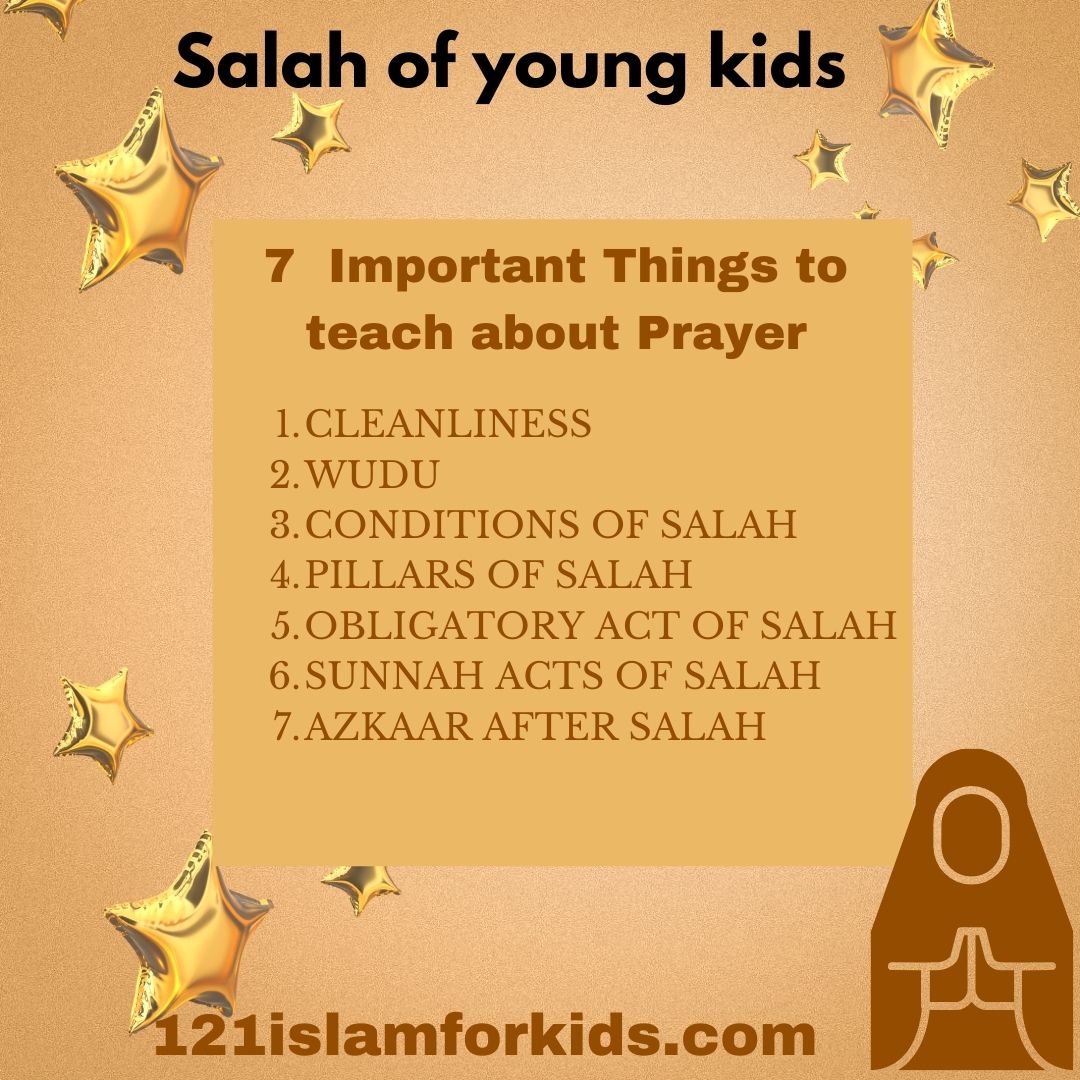
    A short course to teach about taharat, Gusal, wudu, times of prayers, number and names of prayers, pillars, conditions of prayer, and method of prayer.

    Kindness to Parents:

    A 1-week course to teach the rights of parents with practical work. Dua and how to be kind to parents is included in this course.

    6 articles on the Muslim faith:

    Faiths/Muslim beliefs would be taught one by one with the help of mind maps and stories in the Quran.

    Islamic dress code:

    Islamic rules of dressing, Aurah/covering body rules, and modesty dressing will be included in this one-week course.

    Ramzan Boost course:

    1 month before Ramzan we started this course. Everything about fasting rules and supplication with the Ramzan checklist and daily to-do list is included in this course.

    Faith boosts course in December to say NO MARYY CHRISTMAS:

    Stories of faith by the Quran will be added in this course with basic articles of faith in this course.

    Enrolments Available

    All courses Are available to start as one-on-one classes. Please have a look at our group courses continued here.

    Email
    Facebook.
    Youtube Urdu Channel
    Youtube English Channel
    Youtube Urdu kahani channel
    If this teaching method is helpful for you? leave a comment.