Tag: Quran

  • What Is The Role And Names Of Islamic Dawah Centers

    What Is The Role And Names Of Islamic Dawah Centers

    Title: Islamic dawa centers: Promoting Understanding and Education

    Islamic dawa centers

    Introduction :

    The Islamic Dawah Centers serve as a vital institution within the Islamic community, dedicated to spreading knowledge, fostering understanding, and promoting dialogue about Islam.

    Operating as a platform for dawah, which refers to the act of inviting others to embrace Islam, these centers play a significant role in engaging with diverse audiences, addressing misconceptions, and nurturing a peaceful coexistence. This article will delve into the essential aspects of Islamic Dawah Centers, their objectives, activities, and the impact they have on both Muslims and non-Muslims.

    Understanding Dawah:

    Dawah, derived from Arabic, means “invitation” or “call.” It is a central concept in Islam that emphasizes the duty of Muslims to share the message of Islam with others. Islamic Dawah Centers act as vehicles for this mission, providing a platform to convey the teachings and values of Islam while engaging in interfaith dialogue.

    Objectives of Islamic Dawah Centers :

    Islamic Dawah Centers have several primary goals:

    • a) Educating Muslims: Dawah Centers focus on strengthening the knowledge and understanding of Islam among Muslims, providing resources, classes, and programs to enhance religious literacy and practice.
    • b) Correcting Misconceptions: These centers actively work to address misconceptions and stereotypes about Islam, promoting an accurate and nuanced understanding of the religion.
    • c) Inviting Non-Muslims: Islamic Dawah Centers aim to invite non-Muslims to learn about Islam, encouraging open dialogue and offering resources for those interested in exploring the faith.
    • d) Promoting Interfaith Dialogue: These centers actively engage with people of other faiths, fostering understanding, tolerance, and respect through interfaith dialogues, events, and collaborative initiatives.

    Activities and Programs:

    Islamic Dawah Centers offer a range of activities and programs to achieve their objectives:

    • a) Educational Programs: These centers organize classes, seminars, workshops, and study circles to provide comprehensive education on Islamic beliefs, practices, and values for Muslims and non-Muslims alike.
    • b) Community Outreach: Dawah Centers engage in community service initiatives, such as food drives, blood donations, and disaster relief efforts, demonstrating the Islamic values of compassion, charity, and social responsibility.
    • c) Open Houses and Tours: Islamic Dawah Centers often host open houses, inviting the general public to visit, tour the facilities, and learn about Islamic teachings, practices, and cultural traditions.
    • d) Dawah Literature Distribution: These centers distribute books, pamphlets, and other literature explaining the basic tenets of Islam, answering common questions, and addressing misconceptions.
    • e) Youth and Family Programs: Islamic Dawah Centers provide programs tailored to the needs of young Muslims, offering religious education, mentorship, and youth activities to cultivate a strong Islamic identity and values.
    • f) Interfaith Dialogues: Dawah Centers actively participate in interfaith dialogue and collaborative initiatives, fostering mutual understanding, respect, and peaceful coexistence between different religious communities.
    • g) Multimedia and Online Presence: To reach a wider audience, Islamic Dawah Centers utilize various multimedia platforms, including websites, social media, podcasts, and video channels, to share educational content, lectures, and resources.

    Impact and Significance:

    Islamic Dawah Centers have a profound impact on individuals and communities:

    a) Empowering Muslims: These centers equip Muslims with knowledge, confidence, and skills to articulate their faith, fostering a sense of empowerment and identity among Muslim communities.

    b) Dispelling Misconceptions: Dawah Centers play a critical role in dispelling misconceptions and stereotypes about Islam, contributing to a more accurate and nuanced understanding of the religion.

    c) Promoting Peaceful Coexistence: Dawah through interfaith dialogue and community engagement.

    Here is a list of Islamic dawah centers in the United Kingdom:

    Islamic Cultural Centre & London Central Mosque – Website: http://iccuk.org/

    East London Mosque & London Muslim Centre – Website: https://www.eastlondonmosque.org.uk/

    Birmingham Central Mosque – Website: https://www.centralmosque.org.uk/

    Al Manaar – The Muslim Cultural Heritage Centre – Website: https://almanaar.org.uk/

    Madina Masjid & Islamic Centre, Leicester – Website: http://www.madinamasjid.org.uk/

    Bradford Central Mosque – Website: http://www.bradfordmosque.org.uk/

    Al-Maktoum Institute for Arabic and Islamic Studies, Dundee – Website: https://www.almi.abdn.ac.uk/

    The Islamic Cultural Centre of Northern Ireland – Website: https://www.iccni.co.uk/

    Glasgow Central Mosque – Website: https://www.centralmosque.co.uk/

    Edinburgh Central Mosque – Website: https://www.edinburghcentralmosque.co.uk/

    A list of Islamic dawah centers in Europe.

    1. Islamic Cultural Centre of Ireland – Website: https://www.islamiccentre.ie/
    2. Islamic Cultural Center of Geneva, Switzerland – Website: https://www.ccigeneva.org/
    3. Islamic Cultural Center of Madrid, Spain – Website: https://ccmadrid.org/
    4. Islamic Cultural Center of Milan, Italy – Website: http://www.ccimilan.it/
    5. Islamic Cultural Center of Brussels, Belgium – Website: http://www.centreislamique.be/
    6. Islamic Cultural Center of Copenhagen, Denmark – Website: http://icc.dk/
    7. Islamic Cultural Center of Stockholm, Sweden – Website: https://icc.se/
    8. Islamic Cultural Center of Vienna, Austria – Website: http://www.islamischeszentrum.at/
    9. Islamic Cultural Center of Oslo, Norway – Website: https://www.islam.no/

    Here is a list of Islamic dawah centers in the United States:

    1. Islamic Center of America – Website: https://www.icofa.com/
    2. Islamic Society of North America (ISNA) – Website: https://www.isna.net/
    3. Islamic Society of Greater Houston – Website: https://www.isgh.org/
    4. Islamic Center of Southern California – Website: https://www.islamiccenter.com/
    5. Islamic Center of Washington, D.C. – Website: http://theislamiccenter.com/
    6. Islamic Center of New York – Website: http://www.icnyu.org/
    7. Islamic Society of Boston Cultural Center – Website: https://isbcc.org/
    8. Islamic Center of Greater Toledo – Website: https://www.icgt.org/
    9. Islamic Society of Central Jersey – Website: http://www.iscj.org/
    10. Islamic Center of Greater Cincinnati – Website: https://www.icgc.us/

    Here is a list of Islamic dawah centers in Australia:

    1. Islamic Council of Victoria (ICV) – Website: http://www.icv.org.au/
    2. Islamic Council of New South Wales (ICNSW) – Website: https://www.icnsw.org.au/
    3. Islamic Council of Queensland (ICQ) – Website: https://icq.org.au/
    4. Islamic Council of Western Australia (ICWA) – Website: http://www.icwa.org.au/
    5. Islamic Council of South Australia (ICSA) – Website: https://icsa.org.au/
    6. Islamic Council of the ACT (ICACT) – Website: http://www.icact.org.au/
    7. Islamic Council of Tasmania (ICT) – Website: http://www.ictas.com.au/
    8. Islamic Council of Northern Territory (ICNT) – Website: Currently unavailable.
    9. Islamic Information and Services Network of Australasia (IISNA) – Website: http://www.iisna.com.au/

    Do you want to add any other Dawa center? Comment below the link and introduction of dawa centers in your area.

    Islamic Relief USA: The largest Muslim charitable organization

    What are the 4 obligatory acts of Wudu? How to perform Wudu?

    Is Muslim a Religion? Exploring the Diversity of Islam

  • The first surah revealed by Prophet Muhammad: Surah ALAlaq

    The first surah revealed by Prophet Muhammad: Surah ALAlaq

    _

    The first Surah reveald in Makkah on Prophet Muhammad SAW when he was 40 yrs old. This is a very important surah which was revealed in two parts. Both parts have different thems.

    Surah Alaq can be taught step by step using an approach that encompasses understanding the meaning of the verses and memorizing the surah. Here is a suggested teaching method for Surah Alaq:

    Step 1: Introduction and Background

    • Introduction: The first surah revealed, Surah Alaq is the 96th chapter (surah) of the Quran and is also known as “Iqra,” which means “Read” or “Recite.” It holds great importance as one of the earliest revelations received by the Prophet Muhammad (peace be upon him) during the early years of his prophethood.
    • This chapter marks a pivotal moment in the revelation of the Quran, introducing profound concepts and messages that continue to guide Muslims to this day.
    • Background: Surah Alaq was revealed in Makkah, prior to the migration (Hijrah) of the Prophet Muhammad (peace be upon him) to Madinah. Verse 1 to 5 is the first revelation. During this period, the Prophet was meditating in the cave of Hira, contemplating the social and spiritual challenges of his community. It was during one such occasion in the month of Ramadan that the angel Jibril (Gabriel) descended upon him and commanded him to “Read” (Iqra).
    • The Prophet, who was unlettered and had not received any formal education, was initially taken aback by the command. However, he humbly responded,
    • “I am not able to read.”
    • The angel Jibril then embraced him tightly, and after releasing him, repeated the command to read. This interaction, believed to have occurred several times, resulted in the revelation of the first verses of Surah Alaq.
    • The revelation of Surah Alaq not only marked the beginning of the Prophet Muhammad’s (peace be upon him) prophethood but also emphasized the importance of seeking knowledge and the pursuit of education.
    • It instilled in the Muslim community a profound appreciation for learning, literacy, and the acquisition of wisdom.
    • The background of Surah Alaq verse 9 to 19 was revealed later. These verses are about Abu Jahal. It reflects the challenges faced by the Prophet during the early stages of his mission.
    • The pagan society of Makkah, deeply rooted in idolatry and unaware of the monotheistic teachings of Islam, presented significant obstacles to the spreading of the message.
    • However, the revelation of Surah Alaq and subsequent revelations served as a source of guidance, encouragement, and fortitude for the Prophet and his followers.
    • Understanding the introduction and background of Surah Alaq helps to contextualize the significance of this chapter and the transformative impact it had on the early Muslim community. It emphasizes the themes of seeking knowledge, the importance of literacy, and the profound spiritual journey that began with the command to “Read” (Iqra).

    Step 2: Recitation and Listening

    • We encourage students to listen to a recitation of Surah Alaq to familiarize themselves with the Correct Tajweed.
    • We Emphasize correct pronunciation and Tajweed rules during the recitation.
    • We provide word-by-word Tajweed and Recitation videos with word meanings

    Step 3: Translation and Tafsir (Exegesis)

    • We Break down the meaning of each verse, explaining the concepts and ideas conveyed in Surah Alaq. For this purpose, we Read the book ‘My first quran with Pictures’. This book has beautiful infographics that help students understand every verse’s theme.
    • We translate the surah into the student’s easy English, ensuring they understand the message being conveyed.
    • We Use Tafsir resources or explanations by scholars to provide deeper insights into the context and interpretations of the verses. Islamic education books by Molvi Abdul Aziz have excellent short tafsir for children, which is very easy to read and understand.

    Step 4: Reflection and Discussion

    • We encourage students to reflect on the lessons and guidance offered in Surah Alaq. For this purpose, we do some practical work. For example, to teach them the importance of creation, we did an activity of seeding. So a been in a glass jar was grown by children. As humans were created by a clot.
    • We Facilitate a discussion about the significance of seeking knowledge, the consequences of arrogance, and the importance of humility in their lives. The example is clear, Animals and other creatures have very small knowledge so they can’t change their life. But humans are learning and making big changes in this world just because they have knowledge given by Allah.

    Step 5: Memorization

    • We Break down Surah Alaq into manageable segments or verses for memorization. We have 2 classes every week. So 1 or 2 verses would be memorized every day. Children get much time to memorise surah during other activities.
    • We Teach the memorization of the surah using repetition, recitation practice through videos , and memorization techniques.
    • We Emphasize the importance of understanding the meaning of the verses while memorizing them to foster a deeper connection with the surah.

    Step 6: Application and Integration

    • We encourage students to apply the teachings of Surah Alaq in their daily lives.
    • We Discuss practical ways to seek knowledge, practice humility, and avoid arrogance.
    • We encourage them to reflect on the lessons of Surah Alaq in their interactions with others, their studies, and their pursuit of personal growth.

    Step 7: Revision and Assessment

    • We Conduct regular revision sessions to reinforce the memorization of Surah Alaq.
    • We Assess students’ understanding of the surah through quizzes, discussions, or written assignments.
    • We Provide opportunities for students to recite Surah Alaq in class one by one. Every student gets a chance to recite and participate in reading word meanings and discussions to build confidence in their recitation and memorization skills.

    Step 8: Mindmap and Infographic

    • We encourage our students to write word meaning with infographics. It helps to remember meanings as image memory power.
    • After completing the surah, we also help students to mindmap the theme and lessons of the surah with keywords.

    Step 9: Activities.

    • We include various activities during our lessons.
    • We encourage students to do crafting, drawing, and practicals according to the lessons
    • For Surah Alaq we did an activity to grow a seed. It helped students how Allah has created everything.
    • Another activity was About making a list of Skills and knowledge of this world.
    • We also had an activity about picking all the nouns from the surah and making drawings of nouns, like pen, human, Alaq.

    Step 10: Story

    • Storytelling is a basic part of our teaching style.
    • We have the story Story: “From Arrogance to Humility” to read in our class.
    • We collect stories of the creations,
    • Stories of Seerat tu Nbi SAW

    By following this step-by-step teaching method, students can develop a comprehensive understanding of Surah Alaq, memorize its verses, and internalize its timeless teachings, allowing them to apply its wisdom in their lives.

    Resources

    My First Quran Picture Book

    My First Quran Stories Book

    Islamic education By Molvi Abdula Aziz Grade 6

    Lectures videos in English

    Lectures videos in Urdu

    Courses

    Quran classes:

    We have online quran tajweed, recitation, and Quran Hifz classes for children. One-on-one classes with Qualified teachers.

    Quran Tafseer classes:

    Short and Easy to understand Quran translation and tafseer will be taught to the young learners. Infographics, mindmaps, work-by-word tajweed and meanings, stories, and duas are included in these classes.

    Hadith with Stories course consists of 30 short hadith 

    It’s a personality development course for children with interesting stories. 30 short hadiths would be taught with stories. We have worksheets to solve after learning hadiths for implications.

    Prayer for kids course :

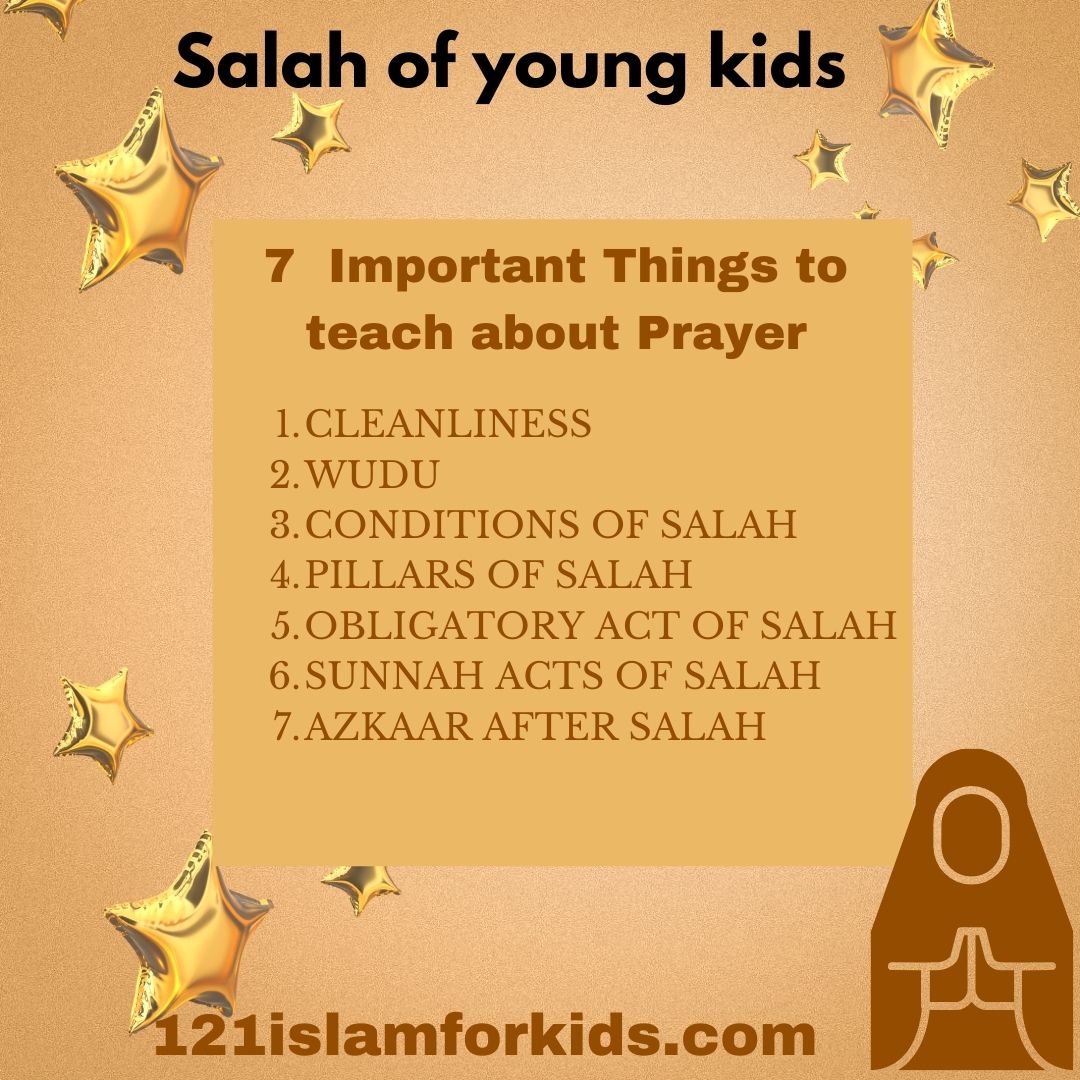
    A short course to teach about taharat, Gusal, wudu, times of prayers, number and names of prayers, pillars, conditions of prayer, and method of prayer.

    Kindness to Parents:

    A 1-week course to teach the rights of parents with practical work. Dua and how to be kind to parents is included in this course.

    6 articles on the Muslim faith:

    Faiths/Muslim beliefs would be taught one by one with the help of mind maps and stories in the Quran.

    Islamic dress code:

    Islamic rules of dressing, Aurah/covering body rules, and modesty dressing will be included in this one-week course.

    Ramzan Boost course:

    1 month before Ramzan we start this course. Everything about fasting rules and supplication with the Ramzan checklist and daily to-do list is included in this course.

    Faith boosts course in December to say NO MARYY CHRISTMAS:

    Stories of faith by the Quran will be added in this course with basic articles of faith in this course.

    Enrolments Available

    All courses Are available to start as in one on one classes. Please have a look at our group courses continued here.

    Email
    Facebook.
    Youtube Urdu Channel
    Youtube English Channel
    If this teaching method is helpful for you? leave a comment.
  • How to start Muslim homeschooling? 8 steps guide

    How to start Muslim homeschooling? 8 steps guide

    muslim homeschool

    Starting Muslim homeschooling can be a rewarding experience for both parents and children. As a parent, you have the opportunity to provide your child with a tailored education that aligns with your values and beliefs. Here is a detailed guide on how to start a Muslim homeschooling program:

    The first step in starting a Muslim homeschooling program is to research the legal requirements in your state or country. Laws and regulations can vary widely from one location to another. In the United States, for example, homeschooling is legal in all 50 states, but the specific requirements can vary depending on where you live. To ensure that you are in compliance with the law, start by researching the homeschooling laws and regulations in your area.

    Step 2: Goals and objectives

    Define Your Educational Goals and Objectives The next step is to define your educational goals and objectives. As a Muslim homeschooling parent, you have the flexibility to tailor your child’s education to your values and beliefs. Start by considering the subjects that are important to you and your family, such as Islamic Studies, Arabic Language, and Quranic Studies. You may also want to consider other subjects, such as Math, Science, and Social Studies.

    Step 3: Curriculum (Get Books)

    Choose a Curriculum Once you have defined your educational goals and objectives, the next step is to choose a curriculum. There are many options available online, including secular curricula that can be adapted to a Muslim homeschooling program, as well as specialized Muslim curricula.

    There are many curriculums and books available for Muslim homeschooling families. Here are some popular options:

    1. The Islamic Education Series: This is a comprehensive Islamic curriculum that covers all aspects of Islamic studies for children from kindergarten through grade 12. It is published by the International Islamic Publishing House.
    2. Noorart: Noorart offers a variety of Islamic curriculums and textbooks for children of all ages. Their curriculums cover Quran, Islamic studies, the Arabic language, and more.
    3. Islamic School Book: This is a series of textbooks published by the Islamic Services Foundation that cover Islamic studies, the Quran, and the Arabic language for children in grades 1-12.
    4. I Love Islam: (Get Books) This is a comprehensive Islamic curriculum for children from kindergarten through grade 5. It is published by the Islamic Services Foundation.
    5. A Guide to Islamic Studies: This is a comprehensive curriculum for Islamic studies for children from kindergarten through grade 12. It is published by the Muslim American Society.
    6. The Seerah Trail: (Get Book)This is a unique Islamic curriculum that teaches the life of the Prophet Muhammad (peace be upon him) through a trail format. It is designed for children aged 7-11.
    7. Learning Roots: (Get Books) Learning Roots offers a variety of Islamic books and resources for children of all ages. Their books cover topics such as Quran, Islamic studies, and Arabic language.

    These are just a few of the many curriculums and books available for Muslim homeschooling families. It’s important to research and find a curriculum that fits your family’s needs and goals.

    Some popular Muslim homeschool curricula include:

    Be sure to research the different curricula available to find the one that best meets your needs and goals.

    Step 4: Plan Your Lessons

    Plan your lessons With your curriculum in hand, it’s time to plan your lessons. Start by breaking down the curriculum into manageable units and then plan the lessons for each unit. Be sure to allocate enough time for each subject and use a variety of teaching methods to keep your child engaged.

    Step 5: Get the Necessary Resources

    To effectively homeschool your child, you will need the necessary resources. This may include textbooks, workbooks, educational software, and other materials. Many resources are available online, or you may be able to find them at local homeschooling stores or Islamic bookstores. ( View or Buy)

    When it comes to homeschooling, there are several resources that are necessary to ensure a successful and effective learning experience. Here are some essential homeschool resources:

    1. Curriculum: A curriculum is the backbone of homeschooling. It provides a structured framework for learning and ensures that the child is learning what they need to know. There are many options for homeschool curriculums, including religious-based curriculums, secular curriculums, and online curriculums.
    2. Learning Materials: Learning materials include textbooks, workbooks, worksheets, and other materials that are used to teach specific subjects. These materials are often part of the curriculum, but they can also be purchased separately or found online.
    3. Supplies: Homeschooling requires various supplies, such as pencils, paper, art supplies, and manipulatives for math. Having the necessary supplies on hand is important for ensuring that the child has everything they need to complete their work.
    4. Technology: In today’s world, technology is an essential part of homeschooling. Computers, tablets, and educational software can enhance the learning experience and provide a wealth of information and resources.
    5. Support: Homeschooling can be challenging, and having a support system is essential. This can include other homeschooling families, online groups, co-ops, and tutors.
    6. Field Trips: Field trips provide a hands-on learning experience and are an essential part of homeschooling. Trips to museums, historical sites, and other educational destinations can help bring learning to life.
    7. Assessment Tools: Assessment tools, such as tests, quizzes, and progress reports, are essential for tracking the child’s progress and ensuring that they are meeting learning objectives.

    These resources are essential for successful homeschooling. However, it’s important to remember that every family’s needs are different, and what works for one family may not work for another. It’s important to do research and find the resources that work best for your family’s unique needs and goals.

    Step 6: Join Muslim Homeschooling Group

    Joining a Muslim homeschooling group can provide valuable support and resources for both parents and children. These groups may offer online forums, in-person meetings, and other resources to help you connect with other Muslim homeschooling families. Some popular Muslim homeschooling groups include:

    • Muslim Homeschoolers Unite
    • Muslim Homeschooling Resources
    • Muslim Homeschool Network

    Some Muslim homeschool groups on Facebook

    There are many Muslim homeschooling groups on Facebook that offer support and resources to Muslim homeschooling families. Here are some of the popular Muslim homeschooling groups on Facebook:

    1. Muslim Homeschoolers Unite: This is a global community of Muslim homeschooling parents and educators. The group offers support, resources, and advice on Muslim homeschooling.
    2. Muslim Homeschooling Resources: This group is a resource hub for Muslim homeschooling parents. The group shares free resources, curriculum ideas, and tips for Muslim homeschooling.
    3. Muslim Homeschool Network: This group is for Muslim homeschooling parents and students. The group shares advice, resources, and support for Muslim homeschooling families.
    4. Muslimah Homeschool: This is a group for Muslim women who homeschool their children. The group offers support, resources, and advice on Muslim homeschooling.
    5. Islamic Homeschooling: This group is for Muslim homeschooling parents who are interested in using an Islamic curriculum. The group shares curriculum ideas, resources, and advice on Islamic homeschooling.
    6. Muslim Homeschooling Moms: This is a group for Muslim homeschooling moms to share their experiences, advice, and resources on Muslim homeschooling.
    7. Islamic Homeschooling for Little Muslims: This group is for Muslim homeschooling parents with young children. The group shares ideas, resources, and advice on teaching Islam to young children.

    These are just a few of the many Muslim homeschooling groups on Facebook. Joining a group can provide valuable support and resources for both parents and children.

    Step 7: Keep Records and Create a Portfolio (Get)

    Keeping records and creating a portfolio is essential for documenting your child’s progress and meeting legal requirements. Your portfolio should include samples of your child’s work, a record of lessons, and any assessments or evaluations.

    Step 8: Decorating and managing (view or buy)

    Decorating and managing a homeschooling space can be an important part of creating a productive and inspiring learning environment. Here are some tips for Muslim homeschool decor and management:

    1. Create a dedicated homeschool space: Designate a specific area in your home for homeschooling. This could be a separate room or a corner of a larger room. Having a dedicated space helps create a sense of structure and routine.
    2. Incorporate Islamic art and decor: Including Islamic art and decor in your homeschooling space can help create a sense of connection to Islamic culture and values. This could include Islamic calligraphy, paintings, or even decorative items such as prayer rugs or Islamic-themed wall hangings.
    3. Keep it organized: A well-organized homeschooling space can help create a calm and focused environment. Invest in storage solutions such as shelves, bins, and drawers to keep materials organized and easily accessible.
    4. Create a schedule: Having a schedule helps create structure and routine in your homeschooling day. Create a schedule that includes time for prayer, breaks, and different subjects. This can help keep your homeschooling day on track and ensure that you cover all necessary subjects.
    5. Utilize technology: Technology can be a valuable tool for homeschooling. Consider incorporating educational apps, online resources, and virtual field trips into your curriculum.
    6. Take breaks: It’s important to take regular breaks to avoid burnout and maintain focus. Encourage your child to take breaks throughout the day, and use this time to relax and recharge.
    7. Keep it comfortable: Creating a comfortable learning environment is important for ensuring that your child can focus and learn effectively. Make sure the space is well-lit, and consider adding comfortable seating or a cozy rug to create a warm and inviting atmosphere.

    These tips can help create an effective and inspiring Muslim homeschooling space. Remember to personalize your homeschooling space to fit your family’s unique needs and preferences.

    In summary, starting a Muslim homeschooling program requires careful planning and preparation. Research the legal requirements in your area, define your educational goals and objectives, choose a curriculum, plan your lessons, get the necessary resources, join a Muslim homeschooling group, keep records, and create a portfolio. With dedication and commitment, you can provide your child with a quality education that aligns with your values and beliefs.

    Here are some book suggestions for a Muslim homeschool library:

    1. “The Seerah of the Prophet Muhammad” by Ibn Kathir – This book provides a comprehensive account of the life of the Prophet Muhammad, including his teachings and character.
    2. The Quran (get)” – The Quran is the central religious text of Islam and is essential for Muslim education. Consider having a copy of the Quran in your homeschool library for reference and study.
    3. “Stories of the Prophets” by Ibn Kathir ( view books)– This book provides a collection of stories about the Prophets in Islam, including Adam, Noah, Abraham, Moses, and Jesus.
    4. “1001 Inventions: Muslim Heritage in Our World” by Salim Al-Hassani – (Get Book)This book explores the contributions of Muslim scholars and inventors to science, technology, and culture throughout history.
    5. “The Islamic Golden Age” by Jonathan Bloom and Sheila Blair – This book provides an overview of the Islamic Golden Age, a period of cultural, scientific, and artistic flourishing in the Muslim world from the 8th to the 14th century.
    6. “The Complete Idiot’s Guide to Understanding Islam” by Yahiya Emerick –(Get Book)This book provides an introduction to Islam, including its beliefs, practices, and history.
    7. “The Prophet’s Ramadan Handbook” by Dr. Taqi Hashmi and Dr. Abidullah Ghazi – This book provides guidance for observing Ramadan, including the history and significance of the holy month, fasting practices, and daily devotions.
    8. “The Muslim Family Guide to Successful Homeschooling” by Dr. Nafiisah Chowdhury – This book provides guidance and advice for Muslim families who are homeschooling their children. (Get Parenting Book)

    These books are a great starting point for a Muslim homeschool library, but there are many other books and resources available as well. It’s important to choose materials that align with your family’s values and goals for education.

    Here are some Muslim children’s books available on Amazon:

    1. “My First Quran Storybook” by Saniyasnain Khan
    2. “Allah Gave Me Two Hands and Feet” by Fatima D’Oyen
    3. “Under My Hijab” by Hena Khan
    4. “Ilyas & Duck and the Fantastic Festival of Eid-al-Fitr” by Omar Khawaja
    5. “The Story of the Elephant: Surah Al-Feel” by Hajera Memon
    6. “A to Z of Akhlaaq: Moral Values for Children” by Sr. Nafees Khan
    7. “Zaki’s Ramadan Fast” by Shaima Abdullah
    8. “What is Jannah?” by Shahada Abdul Haqq
    9. “The Adventures of Hakim: 2” by Wafa’ Tarnowska
    10. “The Perfect Gift” by J. Samia Mair

    Please note that this is just a small sample of the many Muslim children’s books available on Amazon, and there are many more titles and authors to explore.

    Muslim Parenting books to read

    Muslim children books

    121 Islam for Kids Online Classes for kids

    Online Quran classes for kids

    Online Quran Tafseer and Translation for Kids

    Online Hadith course for kids

    Islamic stories for kids