❤ Kitab-Ul-Hadees 🌷
Day 8: Hadith #8 – Eating Manners in Islam
Hadith Story and Worksheet on Eating Manners
🌷 Assalaam-O-Alaikum Dear Students! 🌷
Welcome to our special lesson today! We are excited to share with you one of the most important hadiths about eating manners in Islam. This hadith teaches us how to eat with respect, gratitude, and good behavior – something that touches every part of our daily lives as Muslim children and adults.
═══════════════════════════════════════════════════════════
THE HADITH: USE YOUR RIGHT HAND
═══════════════════════════════════════════════════════════
HADITH TEXT:
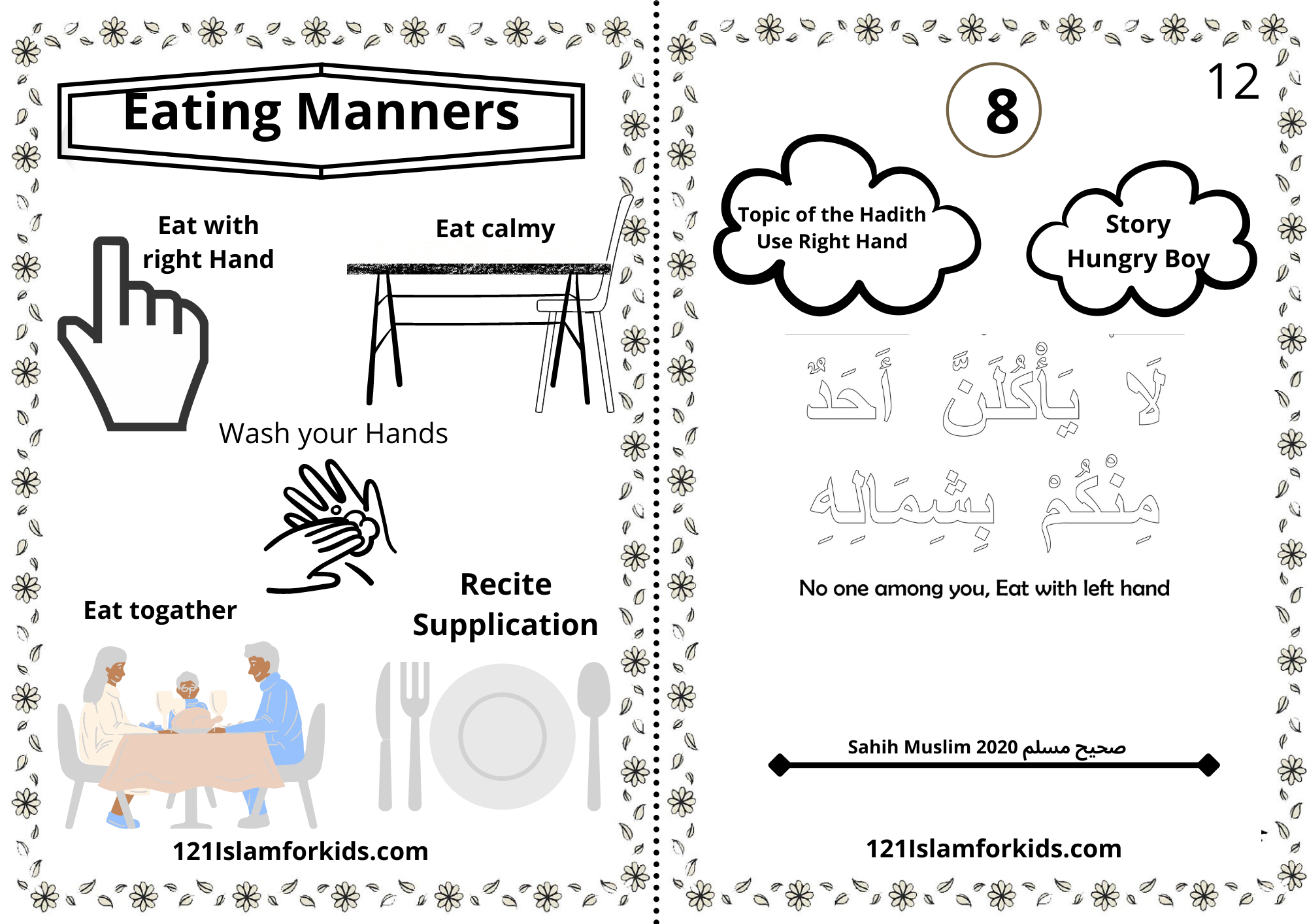
“No one among you eat with left hand.”
Another Hadith is..
The Prophet Muhammad (Peace be upon him) said: “Eat with your right hand and drink with your right hand, for the Shaitan eats with his left hand and drinks with his left hand.”
(Reported by Muslim)
───────────────────────────────────────────────────────────
UNDERSTANDING THE HADITH:
This beautiful hadith teaches us several important lessons about Islamic etiquette and our relationship with Allah. The right hand in Islamic tradition is considered the hand of honor, purity, and respect. When the Prophet Muhammad (PBUH) instructs us to eat with our right hand, he is not just giving us a physical instruction – he is teaching us about Islamic values, respect for ourselves, and maintaining cleanliness.
THE IMPORTANCE OF THE RIGHT HAND IN ISLAM:
- Purity and Cleanliness: In Islamic tradition, the left hand is specifically designated for personal hygiene and cleaning. The right hand is reserved for eating, greeting, giving and receiving gifts, and other noble acts. This separation helps maintain cleanliness and respect.
- Obedience to the Prophet: Following the Sunnah (the teachings and practices of Prophet Muhammad PBUH) is a fundamental part of being a Muslim. When we eat with our right hand, we are directly following his example.
- Avoiding Evil Influence: The mention of Shaitan (Satan) eating with the left hand reminds us that we should distance ourselves from evil and base our actions on goodness and purity.
- Respect and Dignity: Using the right hand for eating shows respect for the food, respect for ourselves, and acknowledgment of Allah’s blessings upon us.
OTHER EATING MANNERS IN ISLAM:
Beyond using the right hand, Islam teaches us many other important eating manners:
✓ Say Bismillah Before Eating: Always say “Bismillah” (In the name of Allah) before beginning to eat. This is a form of gratitude and remembrance of Allah.
✓ Wash Your Hands Before Eating: Cleanliness is part of Islamic faith. Always wash your hands thoroughly before eating.
✓ Sit While Eating: Eating while sitting is more dignified and helps with proper digestion. Standing and eating hastily is discouraged.
✓ Eat with Others: The Prophet (PBUH) enjoyed eating with family and friends. Sharing meals brings people together.
✓ Don’t Waste Food: Islam strongly discourages wasting food. We should take only what we can eat and be grateful for every bite.
✓ Don’t Talk While Chewing: Keep your mouth closed while chewing to maintain cleanliness and respect.
✓ Eat Moderately: The Prophet (PBUH) taught us not to overeat. We should eat until we are satisfied, not until we are completely full.
✓ Say Alhamdulillah After Eating: After finishing your meal, always say “Alhamdulillah” (All praise is due to Allah) to express gratitude.
✓ Use Your Right Hand to Give and Receive: When giving or receiving something from others, use your right hand as a sign of respect.
───────────────────────────────────────────────────────────
STORY OUTLINE: “THE HUNGRY BOY” – A TALE OF CHANGE
───────────────────────────────────────────────────────────
Setting: A Muslim household where good manners are valued
Main Character: Ali, a 9-year-old boy who is generally well-behaved and obedient
The Problem:
Ali had fallen into a bad habit of using his left hand for eating, despite his parents’ constant reminders. His parents had noticed that when he ate with his left hand, other negative behaviors would follow – he would eat hastily, forget to say Bismillah, not sit properly, and often waste food. It was as if this one bad habit was opening the door to many other impolite behaviors.
The Struggle:
The more Ali continued with this habit, the worse things became. He started experiencing:
- Constant hunger, never feeling satisfied even after eating large amounts
- Losing concentration in his studies because he was always thinking about food
- Becoming irritable and upset with his family
- Forgetting all the beautiful manners his parents had taught him
- His stomach would hurt, and he wasn’t feeling well
His parents realized something had to change. They recognized that this wasn’t just about eating – it was about building character and following the teachings of Islam.
The Solution:
Ali’s parents took him to visit a respected Islamic teacher and counselor. The teacher sat with Ali and explained to him:
“Dear Ali, do you know that our beloved Prophet Muhammad (PBUH) taught us to eat with our right hand? This isn’t just a rule – it’s a way of showing respect to yourself, to your food, and to Allah. When we follow this teaching, we invite blessings (barakah) into our lives. When we ignore it, we invite confusion and frustration.”
The teacher then taught Ali the complete way to eat according to Islamic manners:
- Always say “Bismillah” before eating
- Sit down while eating
- Eat with your right hand
- Eat slowly and mindfully
- Chew your food properly
- Don’t waste any food
- Say “Alhamdulillah” after finishing
The Transformation:
As Ali began to practice these manners consistently:
- He started feeling satisfied and content after meals
- His concentration improved in school
- He felt calmer and more respectful
- His family relationships became more peaceful
- His health improved, and his stomach problems disappeared
- He noticed how much happier everyone was around him when he practiced good manners
The Lesson:
Ali realized that the Shaitan (negative influences and bad habits) had been making him miserable through that one bad habit. But now that he was following the Prophet’s (PBUH) teachings, he felt at peace, healthy, and happy. He understood that good manners are not restrictions – they are gifts from Allah that help us live better lives.
Moral of the Story:
Good Islamic manners, especially eating manners, are blessings from Allah. When we follow them, we experience blessings in our health, our relationships, and our hearts. When we ignore them, we invite problems. Ali learned that being obedient to Islamic teachings brings joy and satisfaction in all areas of life.
───────────────────────────────────────────────────────────
LESSON REFLECTION & DISCUSSION QUESTIONS FOR CHILDREN
───────────────────────────────────────────────────────────
After learning about this hadith and the story of Ali, let’s think about these important questions:
- Why did the Prophet Muhammad (PBUH) teach us to eat with the right hand?
Answer: To maintain cleanliness, purity, and respect. The right hand is for noble actions, and the left hand is for personal hygiene. - What happened to Ali when he didn’t follow the Prophet’s teachings?
Answer: He felt hungry all the time, couldn’t concentrate, had stomach problems, and forgot other good manners. - How did Ali’s life change when he started eating with the right hand and following proper eating manners?
Answer: He felt satisfied, healthier, calmer, and his relationships with family improved. - Can you think of other ways we use our right hand in Islam?
Answers: Giving and receiving gifts, greeting others with handshakes, writing, eating, drinking, etc. - What does it mean when we say the Shaitan eats with his left hand?
Answer: It means that following bad habits and ignoring Islamic teachings is like inviting Shaitan into our lives. But when we follow the Sunnah, we keep ourselves pure and away from evil influences. - What other eating manners did you learn from the story?
Answers: Saying Bismillah before eating, sitting while eating, not wasting food, saying Alhamdulillah after eating, eating slowly, etc. - How can you practice these manners starting today?
Answer: Each student should think about how they will apply at least one eating manner in their next meal.
───────────────────────────────────────────────────────────
TIPS FOR PARENTS: TEACHING EATING MANNERS AT HOME
───────────────────────────────────────────────────────────
Dear Parents,
Teaching eating manners is one of the most important aspects of raising well-mannered Muslim children. Here are some practical tips to help you teach and reinforce these behaviors at home:
1. Model the Behavior Yourself
Children learn best by observing. Always eat with your right hand, say Bismillah and Alhamdulillah, sit while eating, and practice all the manners you want your child to learn. When children see you doing these things consistently, they naturally want to imitate you.
2. Make It Practical and Gradual
Don’t expect perfection immediately. Start with one or two habits – perhaps saying Bismillah before eating and using the right hand. Once these become automatic, add more manners gradually.
3. Explain the “Why” Behind the Rules
Children are more likely to follow rules when they understand the purpose. Explain that:
- Bismillah reminds us that food is a blessing from Allah
- Using the right hand shows respect and maintains cleanliness
- Sitting while eating is more dignified and helps digestion
- Not wasting food respects Allah’s blessings
4. Praise and Encourage
When you notice your child practicing good eating manners, praise them specifically: “Masha’Allah! I saw you say Bismillah before your meal today. That shows you remember Allah’s blessings.” Positive reinforcement is much more effective than criticism.
5. Create a Family Mealtime Culture
Make mealtimes special by:
- Eating together as a family when possible
- Having meaningful conversations
- Creating a calm, respectful atmosphere
- Avoiding screens and distractions during meals
6. Be Patient with Younger Children
Very young children (3-5 years old) may need more reminders and gentle guidance. Use simple language and be consistent. Don’t show frustration – patience is key.
7. Use Reminders Without Shaming
Instead of: “You’re eating like Shaitan,” try:
“Remember, the Sunnah of the Prophet (PBUH) is to eat with our right hand. Let’s use our right hand, okay?”
8. Incorporate Islamic Stories
Share stories like “The Hungry Boy” regularly. Children remember lessons better when they’re attached to stories and characters they can relate to.
9. Let Them Help in Food Preparation
When children help prepare meals, they develop a better appreciation for food. This naturally leads to them wanting to eat mindfully and not waste.
10. Connect to the Quran and Sunnah
Help your child understand that eating manners are not just “mom’s rules” or “dad’s rules” – they are teachings from our beloved Prophet (PBUH) and part of Islamic culture for centuries.
11. Address Challenges Kindly
If your child is struggling with a particular manner (like using the right hand if they are naturally left-handed), work with them patiently. Some children may need occupational therapy, and that’s okay. The goal is to gradually improve behavior, not create stress or shame.
12. Celebrate the Progress
When your child has been consistently practicing good eating manners for a week or month, celebrate that achievement. You might say, “Alhamdulillah, I’ve noticed how well you’ve been eating! I’m so proud of your good manners.”
───────────────────────────────────────────────────────────
WHAT IS BARAKAH? THE BLESSING IN FOLLOWING ISLAMIC MANNERS
───────────────────────────────────────────────────────────
One important concept to teach children is Barakah – which means blessing, abundance, and increase of goodness from Allah.
When we follow the teachings of the Prophet Muhammad (PBUH), especially something as simple as eating manners, we invite Barakah into our lives. This means:
✓ The food satisfies us more even if we eat less
✓ We feel healthier and stronger
✓ Our minds are clearer and we can focus better
✓ Our family relationships improve
✓ We feel Allah’s presence and blessings in our daily activities
✓ We develop good character and self-discipline
Conversely, when we ignore these teachings, we lose the Barakah. We feel:
- Constantly hungry and unsatisfied
- Restless and confused
- Weak and unhealthy
- Disconnected from our Islamic identity
- Frustrated and unhappy
This is a powerful lesson for children: Following Islam isn’t restrictive – it’s the key to happiness and blessings in life.
═══════════════════════════════════════════════════════════
This Hadith course consists of hadith with storytelling via a zoom live session with kids with activities, memorization revision, and assessment. The course is also available on WhatsApp. If you want to learn About this course read this. Hadith Introduction and tips to Teach 30 short Hadith with Stories.
The written story of Hungry boy is here
Video Of the story in English
For Urdu Students
Video in Urdu
بچوں کی حدیث کی تصویر گروپ میں نام کے ساتھ پوسٹ کریں. تا کہ اس سیشن کے آخر میں وہ سرٹیفکیٹ حاصل کر سکیں
Written Story in Urdu.اگر بچوں کی احادیث سناتے ہوۓ ویڈیو بجھنا چاہیں تو وہ بھی بیجھ سکتے ہیں.شکریہ
Some manners activities book and cards are presented down. They are made for Muslim kids and very helpful Have a look at them. Jazak Allah.
May Allah make it easy for all of us. Ameen.
Books recommended by me.
Enrolments Available
This is a short course of hadith and stories from My 30 short hadith with stories course. My hadith course is very much liked and appreciated by parents and students. Online group classes are available online for all time zones. Recommended age for the class Hadith for kids is 7+. These classes are available in English and Urdu. If you want to enroll your child in our classes contact us via.
Other courses we have
- Easy Tafseer for kids with exciting stories you can see that course in my hadith course tab.
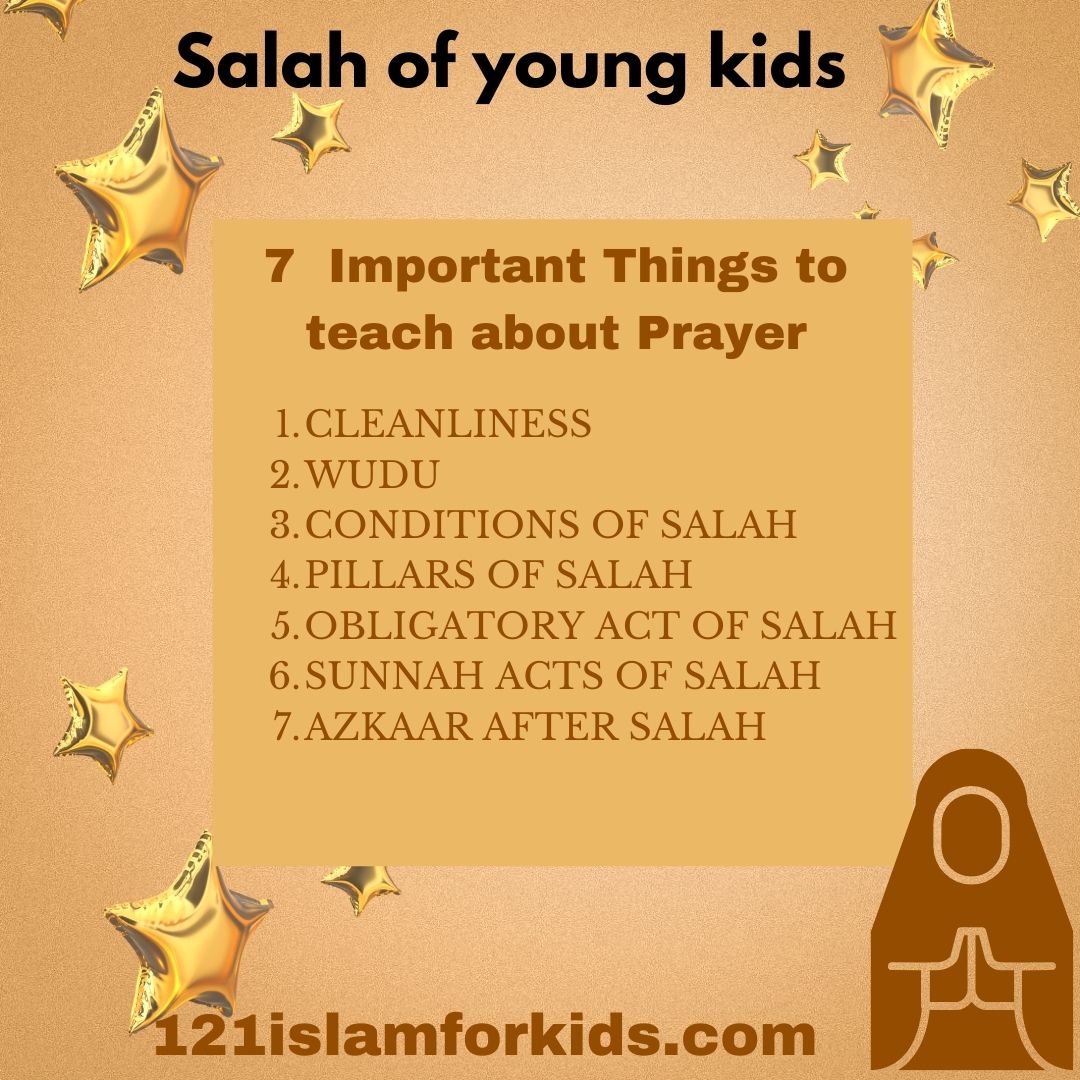
- Prayer for kids course is a short course to teach about taharat, Gusal, wudu, times of prayers, number and names of prayers, pillars and conditions, and prayer methods. Search as Prayer for kids course on the search bar.
- Ramzan boost course we do start 2 weeks before Ramzan.
- Faith boos course In December to say No To Marry Christmas.
- Kindness to Parents
If you want to start this course with me then leave a comment, Email me or enroll your child here.
Download your free copy of 30 short Hadith book pdf in Urdu/Eng from the Posts tab.
Worksheet for this Hadith and story. (Buy This worksheet book here)
Click the pictures to read stories.
Worksheet

Students’ activities after learning hadith story and worksheet on eating manners
Students activities about hadith story and worksheet on eating manners


JazakAllah Khayr
Thanks for adding your children into This hadith course.
Asslamoalaikum sister
I am in great need of the 30 ahadis. Plz send me pdf
Salam thank you for these interesting topics
WA Alikum slaam.
Jazak Allah for your appreciation.
May Allah accept from us.
Asslamualikum wr wb
Respected i need these 30 Ahadith with stories. I shell be very thankful to you.
Plz send me 30 hadith pdf plz..