Category: Quran

  • What Your Child Might Be Missing When Reciting Juz 30

    What Your Child Might Be Missing When Reciting Juz 30

    It is truly heartwarming to hear children recite the Quran—their little voices carrying words of mercy, purity, and guidance. Each verse, though brief, holds a world of meaning. Alhamdulillah, they begin to carry the light of Allah’s words in their hearts.

    And yet, a quiet question often stirs in a parent’s heart…

    The lips move with confidence, but does the heart follow? Do they pause to feel the oneness of Allah in Al-Ikhlas? Do they sense the protection and care of Allah in Al-Falaq and An-Naas? Or do the words remain somewhere between memory and understanding?

    These surahs are short, yet profound. When a child begins to truly grasp them, they start to notice kindness, feel gratitude, and turn to Allah with trust and love. Memorisation is a gift, but understanding—patient, gentle, heartfelt—turns recitation into a lifelong companion, quietly shaping the heart, one verse at a time.

    Memorisation as well as understanding the words of Allah Is a Blessing.

    Juz 30 is often the first part of the Quran children memorise. Its rhythm and brevity make it accessible, and memorisation itself is a blessing.

    But Allah did not reveal the Quran only to be memorised. He revealed it to be understood, believed, and lived—even at a child’s level.

    When a child recites Qul Huwa Allahu Ahad, do they know who Allah is?
    When they seek refuge in Al-Falaq and An-Naas, do they feel safe turning to Allah—or are they simply repeating familiar sounds?

    Children may not voice these questions, but their hearts are shaped by the answers they receive, whether spoken or unspoken.

     Children Are Capable of Understanding More Than We Assume

    A common misconception is that tafsir is too advanced for children. But trust me when explained by a loving teacher, it helps them get answers to many questions they may have. Children are naturally curious. When Quranic verses are explained with clarity, simplicity, and care, they absorb them deeply.

    Taught gently:

    ● Tawheed becomes clarity, not confusion

    ● Akhirah becomes hope, not fear

    ● Accountability becomes responsibility, not anxiety

    Juz 30, in particular, addresses belief, action, and consequence in a way that can be shared with children without overwhelming them.

    What Juz 30 Can Quietly a Child

    When children understand what they recite, these short surahs begin to influence how they think, feel, and respond to the world:

    ● Surah Al-Ikhlas helps a child understand who Allah truly is

    ● Surah Al-Ma’un teaches that worship includes caring for others

    ● Surah Az-Zalzalah introduces accountability with honesty and balance

    ● Surah Al-Kawthar nurtures gratitude and dignity

    ● Surah Al-Falaq and An-Naas give emotional safety and reliance on Allah

    These lessons often appear subtly—in a child’s choices, fears, and questions.

     Why Children Often Forget What They Memorise

    Many parents notice that despite memorising several surahs, children struggle to connect those words to daily life.

    This is not due to a lack of effort—it is a lack of context. Memorisation without meaning is difficult to retain.

    Even small steps toward understanding, such as a Juz 30 Tafsir for Kids can help children connect the meaning of Quran with its recitation, allowing Quranic lessons to stay with them far beyond the prayer mat.

    Creating Space for Reflection and Growth

    Children learn in different ways. Some need repetition. Some need time. Some need gentle reminders rather than constant correction.

    Learning that allows space—rather than pressure—helps children develop a thoughtful relationship with the Quran, one built on understanding rather than obligation.

    What Matters Most in Teaching the Quran to Children

    Children do not need complex explanations. They need:

    ● Truth without confusion

    ● Guidance without pressure

    Above all, they need to feel that the Quran speaks to them personally.

    When a child begins to feel:

    Allah knows me. Allah cares for me. Allah is near.

    …the Quran becomes personal—and personal learning lasts.

    Tafsir in Kids makes Lasting Impact

    When even a small part of what children recite begins to make sense, the Quran slowly moves from the tongue to the heart.

    That shift—from sound to meaning—is often where a lifelong relationship with the Quran begins.

  • Surah Baqarah Last 3 Ayat: Arabic, Urdu Translation & Benefits

    Surah Baqarah Last 3 Ayat: Arabic, Urdu Translation & Benefits

    The Surah Baqarah last 3 ayat hold immense spiritual value in Islam. These verses are a source of mercy, protection, forgiveness, and strength for believers. Reciting and understanding the last 3 ayat of Surah Baqarah helps strengthen faith and brings peace to the heart.

    Importance of the Last 3 Ayats of Surah Baqarah

    The last 3 ayats of Surah Baqarah emphasize belief, accountability, mercy, and Allah’s compassion toward His servants. According to authentic hadith, these verses were gifted to the Prophet Muhammad ﷺ during the miraculous night journey (Isra wal Mi‘raj), highlighting their unique status.

    These ayats remind Muslims that Allah does not burden a soul beyond its capacity and that sincere repentance and reliance on Him bring forgiveness and help.

    Surah Baqarah Last 3 Ayat in Arabic

    ﴿٢٨٤﴾
    لِلّٰهِ مَا فِي السَّمٰوٰتِ وَمَا فِي الْاَرْضِ ۗ وَإِنْ تُبْدُوْا مَا فِيْ اَنْفُسِكُمْ اَوْ تُخْفُوْهُ يُحَاسِبْكُمْ بِهِ اللّٰهُ ۗ فَيَغْفِرُ لِمَنْ يَّشَآءُ وَيُعَذِّبُ مَنْ يَّشَآءُ ۗ وَاللّٰهُ عَلٰى كُلِّ شَيْءٍ قَدِيْرٌ

    ﴿٢٨٥﴾
    اٰمَنَ الرَّسُوْلُ بِمَا اُنْزِلَ اِلَيْهِ مِنْ رَّبِّهٖ وَالْمُؤْمِنُوْنَ ۗ كُلٌّ اٰمَنَ بِاللّٰهِ وَمَلٰٓىِٕكَتِهٖ وَكُتُبِهٖ وَرُسُلِهٖ ۗ لَا نُفَرِّقُ بَيْنَ اَحَدٍ مِّنْ رُّسُلِهٖ ۗ وَقَالُوْا سَمِعْنَا وَاَطَعْنَا ۗ غُفْرَانَكَ رَبَّنَا وَاِلَيْكَ الْمَصِيْرُ

    ﴿٢٨٦﴾
    لَا يُكَلِّفُ اللّٰهُ نَفْسًا اِلَّا وُسْعَهَا ۗ لَهَا مَا كَسَبَتْ وَعَلَيْهَا مَا اكْتَسَبَتْ ۗ رَبَّنَا لَا تُؤَاخِذْنَآ اِنْ نَّسِيْنَآ اَوْ اَخْطَاْنَا ۗ رَبَّنَا وَلَا تَحْمِلْ عَلَيْنَآ اِصْرًا كَمَا حَمَلْتَهٗ عَلَى الَّذِيْنَ مِنْ قَبْلِنَا ۗ رَبَّنَا وَلَا تُحَمِّلْنَا مَا لَا طَاقَةَ لَنَا بِهٖ ۗ وَاعْفُ عَنَّا وَاغْفِرْ لَنَا وَارْحَمْنَا ۗ اَنْتَ مَوْلٰىنَا فَانْصُرْنَا عَلَى الْقَوْمِ الْكٰفِرِيْنَ

    Surah Baqarah Last 3 Ayat Urdu Translation

    آیت 284:
    آسمانوں اور زمین میں جو کچھ ہے سب اللہ ہی کا ہے۔ اور جو کچھ تمہارے دلوں میں ہے، خواہ تم اسے ظاہر کرو یا چھپاؤ، اللہ تم سے اس کا حساب لے گا۔ پھر وہ جسے چاہے گا معاف کرے گا اور جسے چاہے گا عذاب دے گا، اور اللہ ہر چیز پر قادر ہے۔

    آیت 285:
    رسول ایمان لائے اس پر جو ان کے رب کی طرف سے ان پر نازل کیا گیا، اور مومن بھی۔ سب اللہ، اس کے فرشتوں، اس کی کتابوں اور اس کے رسولوں پر ایمان لائے۔ ہم اس کے رسولوں میں کسی کے درمیان فرق نہیں کرتے۔ اور وہ کہتے ہیں: ہم نے سنا اور اطاعت کی۔ اے ہمارے رب! ہم تیری بخشش چاہتے ہیں اور تیری ہی طرف لوٹ کر جانا ہے۔

    آیت 286:
    اللہ کسی جان پر اس کی طاقت سے زیادہ بوجھ نہیں ڈالتا۔ جو نیکی اس نے کمائی وہ اسی کے لیے ہے، اور جو برائی کی وہ اسی پر ہے۔ اے ہمارے رب! اگر ہم بھول جائیں یا خطا کریں تو ہمیں نہ پکڑنا۔ اے ہمارے رب! ہم پر وہ بوجھ نہ ڈال جو تو نے ہم سے پہلے لوگوں پر ڈالا تھا۔ اے ہمارے رب! ہم پر وہ بوجھ نہ ڈال جس کی ہم طاقت نہیں رکھتے۔ ہمیں معاف فرما، ہمیں بخش دے، اور ہم پر رحم فرما۔ تو ہی ہمارا مددگار ہے، پس ہمیں کافروں کے مقابلے میں مدد عطا فرما۔

    Surah Baqarah Last 3 Ayat Benefits

    The Surah Baqarah last 3 ayat benefits are widely mentioned by scholars and supported by authentic hadith:

    • 🌙 Protection at night – Reciting them before sleep is sufficient for protection
    • 🤍 Forgiveness of sins through sincere repentance
    • 🕊️ Relief from stress, fear, and anxiety
    • 📿 Strengthening of faith (Iman)
    • 🙏 Acceptance of dua and mercy from Allah
    • 🛡️ Shield against hardships and trials

    The Prophet ﷺ said that whoever recites the last 3 ayats of Surah Baqarah at night, they will suffice him (Bukhari & Muslim – meaning protection and reward).

    When to Recite the Last 3 Ayats of Surah Baqarah

    • Before sleeping
    • After Isha prayer
    • During times of fear, anxiety, or hardship
    • In daily duas for forgiveness and help

    Final Thoughts

    The surah baqarah last 3 ayats are a complete spiritual treasure. They teach belief, patience, mercy, and reliance on Allah. Making them part of your daily routine can transform your heart and strengthen your connection with Allah.

    May Allah grant us the ability to recite, understand, and act upon these powerful verses. Ameen.

  • Learn Quran Recitation Online: Your Complete Guide

    Learn Quran Recitation Online: Your Complete Guide

    In today’s digital age, learning the Quran has become easier than ever. Whether you are a beginner or want to improve your recitation, an online Quran recitation course can help you achieve your goals from the comfort of your home. This guide will cover the benefits of joining a Quran recitation course online, options for free online Quran recitation courses, and tips to make the most of your learning experience.

    Why Choose a Quran Recitation Course?

    A Quran recitation course is designed to help students learn proper pronunciation, tajweed rules, and fluency. Here’s why you should consider enrolling:

    • Structured Learning: Courses provide step-by-step lessons tailored for beginners and advanced learners.
    • Expert Guidance: Learn from qualified teachers who guide you in real-time.
    • Flexible Schedule: Online courses allow you to learn at your own pace without commuting.
    • Enhanced Spiritual Experience: Correct recitation brings deeper understanding and connection with the Quran.

    Online Quran Recitation Courses: Benefits

    Enrolling in a Quran recitation course online has several advantages:

    1. Accessibility: Learn from anywhere in the world with a stable internet connection.
    2. Personalized Attention: Many online courses offer one-on-one sessions with instructors.
    3. Cost-Effective: Some platforms even provide free online Quran memorization courses, making it accessible for everyone.
    4. Interactive Learning: Use audio, video, and interactive tools to improve your recitation skills.

    Free Online Quran Recitation Courses

    If you are looking for a free online Quran recitation course, there are several options available:

    • Beginner-Friendly: Courses designed for new learners to understand Arabic letters and basic tajweed.
    • Self-Paced Learning: Learn at your convenience without any cost.
    • Live Classes: Some free courses provide live sessions for better guidance and correction.

    These free courses are a great way to get started before investing in paid programs.

    How to Choose the Right Quran Recitation Course Online

    Choosing the right Quran recitation course online is important to ensure you make progress:

    • Qualified Teachers: Check the credentials of instructors.
    • Lesson Format: Ensure the course provides structured lessons with practice exercises.
    • Reviews and Testimonials: Look for feedback from past students.
    • Trial Classes: Many courses offer free trial lessons to evaluate teaching quality.

    Tips for Effective Online Quran Learning

    To maximize the benefits of your Quran recitation course online, follow these tips:

    1. Practice Daily: Consistency is key to improvement.
    2. Record Your Recitation: Listen to your recordings to spot mistakes.
    3. Follow Tajweed Rules: Pay attention to proper pronunciation and rules.
    4. Engage with Your Teacher: Ask questions and clarify doubts.

    Conclusion

    Learning Quran recitation has never been easier with the availability of online Quran recitation courses. Whether you choose a free online Quran recitation course or a paid program, the key is consistency and guidance from qualified teachers. Start your journey today and enhance your connection with the Quran.

  • Benefits of Choosing an Online Quran Tutor for Beginners

    Benefits of Choosing an Online Quran Tutor for Beginners

    Learning the Quran is a beautiful and rewarding journey, especially for beginners who are taking their first steps toward understanding Allah’s words. In today’s digital age, many Muslims in the UK are choosing online Quran tutors as a convenient and effective way to begin this journey. Whether you are a parent looking for a teacher for your child, a revert to Islam, or an adult wanting to improve recitation, online Quran learning offers many unique benefits.                                                                                                                                                                                                                                    

    For families living in busy cities like London, Birmingham, or Manchester, finding a best online Quran tutor in London can make Quran learning accessible, flexible, and stress-free. With qualified teachers available online, beginners no longer need to worry about travel, fixed schedules, or limited local options.

    Why Online Quran Tutors Are Ideal for Beginners

    Easy Start with No Prior Knowledge Required

    One of the biggest advantages of an online Quran tutor is that beginners can start from zero. Tutors are trained to teach students who may not recognize Arabic letters at all. Lessons often begin with Noorani Qaida, focusing on pronunciation, makharij (articulation points), and basic reading skills.

    Online tutors understand the challenges beginners face and move at a comfortable pace, ensuring students build confidence step by step.

    Flexible Learning for UK-Based Students

    Life in the UK can be busy, with school, work, and family commitments. Online Quran tutoring allows students to choose lesson times that fit their daily routine. Early morning, evening, or weekend classes are all possible, making it easier to stay consistent.

    This flexibility is especially helpful for parents who want their children to learn Quran without affecting school schedules.

    Personalized One-to-One Attention

    Individual Focus for Faster Progress

    Unlike group classes, online Quran tutoring often offers one-to-one sessions. This means the tutor focuses entirely on the student’s needs, correcting mistakes immediately and adjusting teaching methods accordingly.

    For beginners, this personal attention is crucial. It helps them learn correct pronunciation from the start and prevents bad habits that are difficult to fix later.

    Comfortable Learning Environment at Home

    Learning from home creates a relaxed and safe environment, especially for children and female students. Beginners feel more confident asking questions and practicing recitation without hesitation.

    Qualified and Experienced Quran Tutors

    Access to Skilled Teachers Across the UK

    Online platforms connect students with qualified Quran tutors who have experience teaching beginners. Many tutors are trained in Tajweed and understand how to teach non-Arabic speakers effectively.

    UK-based students benefit from tutors who are familiar with their cultural background, language needs, and learning expectations.

    Female Tutors for Female Students

    Another major benefit is the availability of female Quran tutors. Many families in the UK prefer female teachers for daughters and women learners, and online learning makes this choice easily available.

    Structured Learning with Modern Tools

    Use of Digital Learning Resources

    Online Quran tutors use interactive tools such as screen sharing, digital Qaida books, audio recitations, and repetition techniques. These tools make learning engaging and help beginners grasp concepts more quickly.

    Recorded lessons or revision materials may also be provided, allowing students to practice between classes.

    Clear Progress Tracking

    Parents and adult learners can easily track progress through regular feedback and assessments. This structured approach keeps beginners motivated and aware of their improvement.

    Cost-Effective and Time-Saving

    Affordable Compared to Physical Classes

    Online Quran tutoring is often more affordable than in-person classes, especially when travel costs are considered. Families in the UK can choose suitable packages based on their budget and learning goals.

    No Travel, No Hassle

    With online learning, there is no need to commute, saving both time and energy. This convenience helps beginners maintain consistency, which is key to successful Quran learning.

    Building a Strong Foundation in Quran and Tajweed

    Correct Recitation from the Beginning

    Starting with an online Quran tutor helps beginners learn proper Tajweed rules early on. Correct pronunciation ensures that recitation is accurate and pleasing to Allah.

    Developing a Lifelong Connection with the Quran

    When learning is easy, supportive, and well-structured, beginners are more likely to continue their Quran journey. Online tutors help build love and respect for the Quran, encouraging students to keep learning beyond the basics.

    Conclusion

    Choosing an online Quran tutor is an excellent option for beginners in the UK who want flexible, personalized, and effective Quran learning. From qualified teachers and one-to-one attention to comfort and affordability, online tutoring removes many barriers faced by traditional learning methods.

    For beginners, starting the Quran journey with the right guidance can make all the difference. With consistency and sincere intention, online Quran learning can become a source of peace, knowledge, and spiritual growth for individuals and families alike.

  • Can I Read Quran Online During My Period? An Islamic Perspective

    Can I Read Quran Online During My Period? An Islamic Perspective

    Many Muslim women ask an important and sincere question: can I read Quran online during my period? Menstruation is a natural process, yet it often brings confusion about acts of worship, especially regarding recitation of the Qur’an. With the increasing use of mobile apps and online Qur’an platforms, this question has become even more relevant in today’s digital age.

    This article explains the scholarly opinions in a clear and respectful way, helping women stay connected to the Qur’an while observing Islamic guidelines.

    Understanding Menstruation in Islam

    In Islam, menstruation (hayd) is not a sin or a spiritual impurity. It is a natural condition decreed by Allah. During this time, women are exempt from certain acts of worship such as salah (prayer) and fasting, which highlights Allah’s mercy and ease.

    However, the rulings related to reading the Qur’an during menstruation differ among Islamic scholars, which is why confusion often arises.

    Can I Read Quran Online During My Period?

    The short answer is: yes, according to many scholars, you can read Quran online during your period, provided certain conditions are met.

    Difference Between Touching the Mushaf and Reading

    Islamic scholars make an important distinction between:

    • Touching the physical Mushaf (printed Qur’an)
    • Reciting or reading Qur’an without touching it

    Most classical scholars agree that a menstruating woman should not touch the physical Mushaf directly. This ruling is based on interpretations of Islamic texts and scholarly consensus.

    However, reading Quran online—such as on a mobile phone, tablet, or computer—is considered different because:

    • The text is digital, not printed
    • The letters are not physically present on a page
    • The device itself is not considered a Mushaf

    Because of this distinction, many contemporary scholars allow reading Quran online during menstruation.

    Scholarly Opinions on Reading Quran During Periods

    Opinion Allowing Quran Reading

    Several respected scholars, including those from the Maliki school and many modern scholars, state that a woman may recite or read the Qur’an during her period, especially:

    • For learning or teaching purposes
    • For maintaining daily Qur’an habits
    • To avoid forgetting memorized verses

    They argue that there is no authentic and clear hadith that strictly prohibits recitation of the Qur’an during menstruation.

    Opinion Advising Caution

    Some scholars recommend avoiding verbal recitation and instead suggest:

    • Reading Quran silently
    • Reading translations or tafsir
    • Listening to Qur’an recitation

    This view is based on precaution and respect for the Qur’an, not on a definitive prohibition.

    Is Reading Quran Translation Allowed During Periods?

    Yes, reading the translation of the Qur’an is unanimously allowed during menstruation. A translation is considered an explanation of the Qur’an, not the Qur’an itself. Women who feel hesitant about Arabic recitation can benefit greatly from reading translations and tafsir to reflect on Allah’s message.

    Benefits of Reading Quran Online During Menstruation

    Reading Quran online during your period helps you:

    • Stay spiritually connected to Allah
    • Maintain consistency in worship
    • Strengthen iman during a sensitive time
    • Avoid long gaps in Qur’an engagement

    Islam encourages remembrance of Allah (dhikr) at all times, and staying connected to the Qur’an aligns with this principle.

    Other Acts of Worship You Can Do During Your Period

    Even if you choose not to recite the Qur’an verbally, there are many other rewarding acts you can perform:

    • Making dua
    • Doing dhikr (SubhanAllah, Alhamdulillah, Allahu Akbar)
    • Sending salawat upon the Prophet ﷺ
    • Listening to Qur’an recitation
    • Seeking Islamic knowledge

    These acts bring immense reward and spiritual comfort.

    Best Practice for Muslim Women

    If you’re still unsure and asking yourself, can I read Quran online during my period?, the best approach is:

    • Follow the opinion you feel most at peace with
    • Consult a trusted scholar or local imam
    • Maintain respect and sincerity in worship

    Islam is a religion of ease, and Allah knows your intentions.

    Final Thoughts

    To conclude, reading Quran online during menstruation is permitted according to many credible scholars, especially when no physical Mushaf is touched. Whether you choose to recite, read silently, or engage through translation and reflection, staying connected to the Qur’an is always beneficial.

    May Allah grant all Muslim women ease, knowledge, and closeness to the Qur’an in every state. Ameen.

  • Virtues of Reciting the Qur’an During Your Umrah Journey

    Virtues of Reciting the Qur’an During Your Umrah Journey

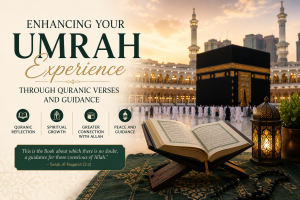
    The Umrah is a good act of worship; it makes the Muslim closer to Allah. It is a time to think, say sorry, and be close to your heart. When you are on this holy trip, you can read the Qur’an; that is more important. People who plan to have Umrah packages, may be a basic Umrah package or an Umrah package from the USA, or advanced Umrah packages 2026, want a better depth of spirituality. The best way to achieve this is by reciting the Qur’an throughout the journey.Reading the Qur’an will help you make your heart clean. When you are doing Umrah, everything good that you do, all the time, the rewards will go up a lot for you. This article will tell you the virtues, blessings, and good benefits of reading the Qur’an during your trip to Umrah.

    Journey of Self-Change

    Umrah is both a physical and a spiritual trip. It starts when you enter the Ihram and perform Tawaf and Sa’i.  Add reciting the Qur’an to your daily routine, and it will make your journey very meaningful.Many people who book Umrah packages from USA look for ways that make their pilgrimage easier. When you recite the Qur’an, it keeps you close to Allah and stay on your purpose. The peaceful area of Makkah and Madinah makes you think more and grow your spirit, too.

    The Qur’an brings light to the heart.

    Reciting the Qur’an makes the heart light with noor. It cuts away stuff that makes the heart dark, then adds light and guidance there. When you read the Qur’an in the holy cities, especially near the kaaba, it becomes stronger.It reminds them of Allah’s mercy and helps make their hearts have peace and joy. Whether you are traveling alone or with the group your Islamic travel agency gives you, the Qur’an becomes your best friend.

    More rewards in the holy cities

    All acts of worship in Makkah and Madinah earn you more reward. Like reciting the Qur’an. When you are in umrah mode, your mind is already on worship. So reading the Qur’an is natural. Many of the pilgrims get through a lot of the Qur’an, in between long flights, peaceful nights at the hotel, or while waiting to go into the haram.

    Make your bond with Allah strong.

    Read the Qur’an, and it is your way to talk to Allah. The more you sound out, the better your link will be. During Umrah, you are already wiser and calmer. So your link to your Maker will be more.This link will help you remain awake and thankful. It will help you see why you are here and to live by Allah’s word. Many Umrah men and women who go out come back with stronger faith because they spend time reading and grasping the Qur’an.

    A Way to Find Peace and Patience

    Traveling for Umrah can be hard sometimes. You may sit on a long flight. Reciting the Qur’an helps you to find peace.  Its verses help you to stay patient, trust Allah, and remain positive.When something may trouble you, and you read the Qur’an, it can make you feel better. It shows you how to go through your hard time and be hopeful. This is why Arabian buses transport, and many people take time every day to read the Qur’an on their travels when using Umrah packages 2026 or group trips.

    Building Good Habits for Life

    If you read the Qur’an during Umrah, it is the best way to make up for your life. What if you take a few days to read the Qur’an every day, then when you go home, you will find it easy to keep up your habit.Many people can say that after Umrahs, their Qur’an reading is still the same because the feeling for the trip made it easy to take time and pray with the Qur’an after the trip is done. The Holy Spirit made you want to be close to Allah by reading his word, which is in our hearts.

    Recite the Qur’an When You Visit Holy Places 

    Your trip to Umrah gives you the chance to go to the important places of Islam. And spending some moments reciting the Qur’an means blessings on you.These holy places all have a rich history and Spiritual Strength. To recite the Qur’an there you like, for the Prophet (PBUH) and his friends to reflect on more between the places of Madinah.

    Conclusion

    Reading the Qur’an during your trip to Umrah is one of the simple but very good and strong acts of worship. When you read the Qur’an, you earn more rewards, purify your heart, and strengthen your faith. Whether you travel through Umrah packages, book your journey via hajj and umrah services USA, or place your trust in a reliable Islamic travel agency, make sure that Qur’an recitation remains an essential part of your spiritual journey.After you read the Qur’an books in the holy cities and come back home, your heart will be clean, your mind will be at peace, and your bond with Allah will be very strong. This spirit walk will stay with you long after the trip of your Umrah ends.

  • Learning the Quran: A Complete Guide to Spiritual Growth and Understanding

    Learning the Quran: A Complete Guide to Spiritual Growth and Understanding

    Learning the Quran is one of the most meaningful journeys a Muslim can undertake. It is not only about reading sacred verses but about understanding Allah’s guidance and applying it in daily life. The Quran shapes a believer’s character, strengthens faith, and offers solutions for moral, spiritual, and social challenges. Whether you are a beginner or seeking to deepen your understanding, learning the Quran with proper guidance ensures accuracy, reflection, and long-lasting spiritual impact.

    The Importance of Learning the Quran Correctly

    The Quran was revealed in Arabic with precise pronunciation and meaning. Learning it correctly preserves its message and sanctity. Improper recitation can change meanings, which is why structured learning with tajweed is essential. Tajweed rules ensure that each letter is pronounced from its correct articulation point, maintaining the beauty and accuracy of Allah’s words.

    Beyond recitation, understanding the Quran helps Muslims develop a strong moral compass. It teaches patience, humility, honesty, and compassion. When the Quran is learned with understanding, it becomes a source of guidance rather than just a ritual practice.

    Benefits of Quran Learning for All Ages

    Quran learning benefits people of all ages. For children, it builds a strong foundation of Islamic values early in life. Memorisation improves cognitive skills, concentration, and discipline. Adults benefit by reconnecting with their faith, finding peace in recitation, and gaining clarity during life’s challenges.

    Families who learn the Quran together often experience stronger bonds. Shared learning fosters spiritual conversations at home and encourages positive behaviour rooted in Islamic teachings. In today’s fast-paced world, structured Quran learning provides balance and purpose.

    Understanding Over Memorisation

    While memorisation is highly rewarding, understanding the Quran brings deeper transformation. Tafsir (explanation) allows learners to reflect on verses and apply them practically. Learning why verses were revealed and how they relate to daily life makes the Quran a living guide rather than a distant text.

    Many learners now prefer flexible learning options that allow them to balance work, education, and family commitments. This has made Online Quran classes UK a popular choice for those seeking qualified teachers and structured learning without geographical limitations.

    The Role of Qualified Teachers

    A knowledgeable teacher plays a crucial role in Quran education. Teachers help correct mistakes, explain complex concepts, and inspire consistency. They also tailor lessons based on the learner’s age, level, and goals, whether it is basic recitation, tajweed mastery, or Quran memorisation.

    One-on-one guidance ensures personal attention, making learning more effective and confidence-building. With modern learning platforms, students can now access experienced scholars through Online Quran classes UK, ensuring quality education from the comfort of their homes.

    Consistency and Spiritual Growth

    Consistency is key to successful Quran learning. Even short daily sessions can bring remarkable progress when done regularly. The Quran itself encourages reflection and continuous engagement, reminding believers that guidance is a lifelong pursuit.

    Regular Quran learning strengthens spiritual discipline and mindfulness. It helps believers remain conscious of Allah in daily decisions and interactions. Over time, this consistency nurtures inner peace and a stronger connection with faith.

    Conclusion

    Learning the Quran is a transformative journey that enriches the heart, mind, and soul. With proper guidance, correct recitation, and meaningful understanding, the Quran becomes a source of light in every aspect of life. Whether learning individually or as a family, investing time in Quran education brings lasting spiritual rewards. By prioritising structured learning and consistency, every Muslim can build a deeper, more meaningful relationship with the Book of Allah.

  • Surah Yaseen in Roman English: A Simple Guide for Easy Reading

    Surah Yaseen in Roman English: A Simple Guide for Easy Reading

    Surah Yaseen is one of the most important chapters of the Holy Quran. It is often referred to as the “heart of the Quran” and is widely recited for blessings, guidance, and spiritual upliftment. For beginners and non-Arabic readers, reading Surah Yaseen in Roman English makes it easier to recite with correct pronunciation and understanding.

    Why Read Surah Yaseen in Roman English?

    Many people find Arabic text challenging, especially if they are new to Quranic recitation. Reading Surah Yaseen in Roman English helps in:

    • Easy Pronunciation: Helps non-Arabic speakers recite correctly.
    • Daily Recitation: Makes it easier to memorize and recite regularly.
    • Understanding the Meaning: Helps connect with the spiritual essence while learning pronunciation.

    Image Suggestion: Place an image of Surah Yaseen in Arabic with a Roman English transliteration beside it.

    Surah Yaseen in Roman English

    Here is Surah Yaseen written in Roman English for easy reading:

    (Example excerpt, for blog display purposes, you can break it into sections with Arabic text image on one side and Roman transliteration on the other.)

    Yaseen
    Yaseen.
    Wal-Qur’anil-Hakeem.
    Innaka laminal-mursaleen.
    ‘Alaa Siratim Mustaqeem.
    Tanzeelal-Azizir-Raheem.

    (Continue with full Surah Yaseen in Roman English)

    Image Suggestion: Add a decorative image of Surah Yaseen calligraphy or a digital Quran page after every few lines for better visual engagement.

    Benefits of Reciting Surah Yaseen

    Reciting Surah Yaseen regularly brings spiritual, mental, and emotional benefits:

    1. Forgiveness of Sins: Helps in seeking Allah’s mercy and forgiveness.
    2. Protection and Blessings: Often recited for protection and relief from difficulties.
    3. Ease in Life Challenges: Many believers recite it for guidance and strength.
    4. Spiritual Upliftment: Increases love and connection with the Quran.

    Image Suggestion: Use an image of someone reading the Quran peacefully, or a digital Surah Yaseen poster.

    Tips for Reading Surah Yaseen in Roman English

    • Start Slowly: Focus on pronouncing each word correctly.
    • Listen Along: Use audio recitations to match pronunciation with Roman text.
    • Repeat Daily: Consistency helps in memorization and spiritual benefits.
    • Combine With Meaning: Read the translation to understand the essence of the verses.

    Conclusion

    Reading Surah Yaseen in Roman English is a simple and effective way for non-Arabic readers to recite this blessed Surah with ease. By combining Roman transliteration with audio and translation, anyone can enjoy the spiritual benefits and blessings of Surah Yaseen.

    Start today and experience the peace and guidance that comes with reciting this beautiful chapter of the Quran.

  • Surah Al-Balad for kids

    Surah Al-Balad for kids

    Surah Al-Balad for kids:

    Surah Al balad is one of the most inspiring chapters of the Quran for young learners. We will learn this surah step by step:

    Here are the detailed word meanings of Surah Al-Balad, for kids.

    Verse by verse words meaning of Surah Al-Balad for kids:

    1. لَاۤ اُقْسِمُ بِهٰذَا الْبَلَدِ

    • لَاۤ (Laa) – No, (or “Indeed” for emphasis)
    • اُقْسِمُ (Uqsimu) – I swear
    • بِهٰذَا (Bihaadha) – By this
    • الْبَلَدِ (Al-Balad) – The city

    2. وَ اَنۡتَ حِلٌّۢ بِهٰذَا الْبَلَدِ

    • وَ (Wa) – And
    • اَنۡتَ (Anta) – You
    • حِلٌّۢ (Hillun) – Free (or permitted)
    • بِهٰذَا (Bihaadha) – In this
    • الْبَلَدِ (Al-Balad) – The city

    3. وَ وَالِدٍ وَّ مَا وَلَدَ

    • وَ (Wa) – And
    • وَالِدٍ (Waalid) – A father
    • وَّ (Wa) – And
    • مَا (Maa) – What (or who)
    • وَلَدَ (Walad) – He fathered (or gave birth to)

    4. لَقَدْ خَلَقْنَا الْاِنْسَانَ فِيْ كَبَدٍ

    • لَقَدْ (Laqad) – Certainly
    • خَلَقْنَا (Khalaqnaa) – We created
    • الْاِنْسَانَ (Al-Insaan) – The human being (or mankind)
    • فِيْ (Fee) – In
    • كَبَدٍ (Kabad) – Hardship (or struggle)

    5. اَيَحْسَبُ اَنْ لَّنْ يَّقْدِرَ عَلَيْهِ اَحَدٌ

    • اَيَحْسَبُ (A-Yahsabu) – Does he think
    • اَنْ (An) – That
    • لَّنْ (Lan) – Not
    • يَّقْدِرَ (Yaqdira) – Anyone can have power
    • عَلَيْهِ (Alayhi) – Over him
    • اَحَدٌ (Ahad) – Anyone

    6. يَقُوْلُ اَهْلَكْتُ مَالًا لُّبَدًا

    • يَقُوْلُ (Yaqoolu) – He says
    • اَهْلَكْتُ (Ahlaktu) – I have spent (or destroyed)
    • مَالًا (Maalan) – Wealth
    • لُّبَدًا (Lubadan) – In abundance

    7. اَيَحْسَبُ اَنْ لَّمْ يَرَهٗۤ اَحَدٌ

    • اَيَحْسَبُ (A-Yahsabu) – Does he think
    • اَنْ (An) – That
    • لَّمْ (Lam) – Not
    • يَرَهٗۤ (Yarahu) – He is seen
    • اَحَدٌ (Ahad) – By anyone

    8. اَلَمْ نَجْعَلْ لَهٗ عَيْنَيْنِ

    • اَلَمْ (Alam) – Have We not
    • نَجْعَلْ (Naj’al) – Made
    • لَهٗ (Lahu) – For him
    • عَيْنَيْنِ (Aynayn) – Two eyes

    9. وَلِسَانًا وَّ شَفَتَيْنِ

    • وَ (Wa) – And
    • لِسَانًا (Lisaanan) – A tongue
    • وَّ (Wa) – And
    • شَفَتَيْنِ (Shafatayn) – Two lips

    10. وَهَدَيْنَاهُ النَّجْدَيْنِ

    • وَ (Wa) – And
    • هَدَيْنَاهُ (Hadaynaahu) – We showed him
    • النَّجْدَيْنِ (An-Najdayn) – The two paths (the good and bad ways)

    11. فَلَا اقْتَحَمَ الْعَقَبَةَ

    • فَلَا (Falaa) – But he has not
    • اقْتَحَمَ (IqtaHama) – Attempted (or crossed)
    • الْعَقَبَةَ (Al-Aqabah) – The difficult pass (obstacle)

    12. وَمَاۤ اَدْرٰىكَ مَا الْعَقَبَةُ

    • وَمَاۤ (Wa Maa) – And what
    • اَدْرٰىكَ (Adraaka) – Will make you know
    • مَا (Maa) – What is
    • الْعَقَبَةُ (Al-Aqabah) – The difficult pass

    13. فَكُّ رَقَبَةٍ

    • فَكُّ (Fakku) – The freeing
    • رَقَبَةٍ (Raqabah) – Of a slave (or a neck)

    14. اَوْ اِطْعَامٌ فِيْ يَوْمٍ ذِيْ مَسْغَبَةٍ

    • اَوْ (Aw) – Or
    • اِطْعَامٌ (Itaa’am) – Feeding
    • فِيْ (Fee) – On
    • يَوْمٍ (Yawmin) – A day
    • ذِيْ (Dhee) – Of
    • مَسْغَبَةٍ (Masghabah) – Severe hunger

    15. یَتِیْمًا ذَا مَقْرَبَةٍ

    • یَتِیْمًا (Yateeman) – An orphan
    • ذَا (Dhaa) – Of
    • مَقْرَبَةٍ (Maqrabah) – Near relationship (relative)

    16. اَوْ مِسْكِينًا ذَا مَتْرَبَةٍ

    • اَوْ (Aw) – Or
    • مِسْكِينًا (Miskeenan) – A needy person
    • ذَا (Dhaa) – Of
    • مَتْرَبَةٍ (Matrabah) – Misery (or covered with dust)

    17. ثُمَّ كَانَ مِنَ الَّذِينَ اٰمَنُوْا وَ تَوَاصَوْا بِالصَّبْرِ وَ تَوَاصَوْا بِالْمَرْحَمَةِ

    • ثُمَّ (Thumma) – Then
    • كَانَ (Kaana) – He was
    • مِنَ (Mina) – Among
    • الَّذِينَ (Alladheena) – Those who
    • اٰمَنُوْا (Aamanu) – Believed
    • وَ تَوَاصَوْا (Wa Tawaasaw) – And advised one another
    • بِالصَّبْرِ (Bis-Sabr) – To patience
    • وَ تَوَاصَوْا (Wa Tawaasaw) – And advised one another
    • بِالْمَرْحَمَةِ (Bil-Marhamah) – To compassion (or mercy)

    18. اُولٰۤىٕكَ اَصْحٰبُ الْمَيْمَنَةِ

    • اُولٰۤىٕكَ (Ulaa’ika) – Those are
    • اَصْحٰبُ (As-haabu) – The companions (or people)
    • الْمَيْمَنَةِ (Al-Maymanah) – Of the right hand (good people)

    19. وَ الَّذِیْنَ كَفَرُوْا بِاٰیَاتِنَا هُمْ اَصْحٰبُ الْمَشْئَمَةِ

    • وَ (Wa) – And
    • الَّذِیْنَ (Alladheena) – Those who
    • كَفَرُوْا (Kafaroo) – Disbelieved
    • بِاٰیَاتِنَا (Bi-Aayaatinaa) – In Our signs
    • هُمْ (Hum) – They
    • اَصْحٰبُ (As-haabu) – Are the companions (or people)
    • الْمَشْئَمَةِ (Al-Mash’amah) – Of the left hand (bad people)

    **20. عَلَیْهِمْ نَارٌ مُّؤ

    ْصَدَةٌ**

    • عَلَیْهِمْ (Alayhim) – Upon them
    • نَارٌ (Naarun) – Is fire
    • مُّؤْصَدَةٌ (Mu’sadah) – Closed in (sealed)

    This breakdown helps students understand the meaning of each word in Surah Al-Balad and supports their comprehension of the surah’s overall message.

    Full Translation (in English) of Surah Al-Balad for kids

    In the name of Allah, the Most Merciful, the Most Compassionate

    1. I swear by this city (Makkah),
    2. And you, [O Muhammad], are free of restriction in this city –
    3. And [by] the father and what he fathered,
    4. We have certainly created man into hardship.
    5. Does he think that no one has power over him?
    6. He says, “I have spent wealth in abundance.”
    7. Does he think that no one has seen him?
    8. Have We not made for him two eyes?
    9. And a tongue and two lips?
    10. And have shown him the two ways?
    11. But he has not broken through the difficult pass.
    12. And what can make you know what is [breaking through] the difficult pass?
    13. It is the freeing of a slave,
    14. Or feeding on a day of severe hunger
    15. An orphan of near relationship,
    16. Or a needy person in misery.
    17. And then being among those who believed and advised one another to patience and advised one another to compassion.
    18. Those are the companions of the right.
    19. But they who disbelieved in Our signs – those are the companions of the left.
    20. Over them will be fire closed in.

    Story and Explanation of Surah Al-Balad

    Hey kids! Today, we will learn about a very special chapter from the Quran called Surah Al-Balad. It’s a story full of lessons that will help us understand life better and how we should live it.

    1. The Sacred City of Makkah (Verses 1-2)

    The surah starts with Allah swearing by a special city, Makkah. This city is where the Kaaba is located, which Muslims face when they pray. Makkah is also the place where our Prophet Muhammad (PBUH) was born. By swearing by Makkah, Allah is showing us how important this city is.

    But that’s not all! Allah also mentions that the Prophet Muhammad (PBUH) is living in this city, and this makes the city even more special. Allah is reminding us of the great honour and responsibility that comes with living in such a blessed place.

    2. The Father and His Child (Verse 3)

    Then, Allah swears by the father and his child. This is to remind us of the strong bond between parents and their children. Parents work hard and make many sacrifices for their children, just like how Allah created us and takes care of us with so much love and mercy.

    3. Life is Full of Challenges (Verse 4)

    Allah tells us that life is full of challenges and difficulties. Every person goes through tough times, whether it’s in school, at home, or with friends. But these challenges are a part of life. They help us grow stronger, just like how exercise makes our muscles stronger.

    4. The Arrogance of Some People (Verses 5-7)

    Some people, when they become rich or powerful, start to think that no one can control them. They might say, “I’ve spent so much money” as if they can do anything they want. But Allah reminds us that He sees everything. No matter how rich or powerful someone is, they can never escape Allah’s watchful eye.

    5. The Gifts from Allah (Verses 8-9)

    Allah reminds us of the gifts He has given us, like our eyes, tongue, and lips. These gifts help us see, speak, and communicate. But with these gifts comes responsibility. We should use our eyes to see good things, our tongues to speak kind words, and our lips to spread smiles and happiness.

    6. The Two Paths (Verse 10)

    Allah has shown us two paths in life: one path leads to goodness and the other to badness. It’s like standing at a crossroads with a choice to make. The good path might be harder, but it leads to Allah’s pleasure and paradise. The bad path might seem easy, but it leads to trouble and sorrow.

    7. The Difficult Pass (Verses 11-12)

    Allah talks about a “difficult pass” – imagine a steep mountain that’s hard to climb. This represents the challenges we face when trying to do good deeds. Climbing this mountain might be tough, but the reward at the top is worth it!

    8. What is the Difficult Pass? (Verses 13-16)

    So, what is this difficult pass? Allah explains that it involves doing good deeds, like:

    • Freeing a slave: In the old days, many people were enslaved, and freeing them was one of the greatest acts of kindness.
    • Feeding the hungry: Imagine how good it feels to give food to someone who is starving.
    • Helping an orphan: An orphan is someone who has lost their parents. Helping them is a big act of kindness.
    • Supporting someone in need: Many people are struggling and need our help.

    These are the good deeds that help us climb the difficult pass in life.

    9. The Right-Handed and Left-Handed People (Verses 17-20)

    Finally, Allah talks about two groups of people:

    The Right-Handed People (Companions of the Right):
    These are the people who do good deeds, believe in Allah, and help others. They advise each other to be patient and kind. On the Day of Judgment, they will receive their book of deeds in their right hand as a sign of success. These people will go to paradise, a place of happiness and peace.

    The Left-Handed People (Companions of the Left):
    These are the people who ignore Allah’s guidance and do bad deeds. They don’t care about others and live only for themselves. On the Day of Judgment, they will receive their book of deeds in their left hand, which is a sign of failure. These people will face severe punishment in the hereafter.

    Conclusion

    Surah Al-Balad teaches us that life is full of challenges, but by choosing the right path and doing good deeds, we can succeed in this life and the next. Allah has given us all the tools we need, like our eyes, tongue, and mind, to make the right choices. We should always try to be among the “right-handed” people who will find success and happiness with Allah.

    So remember, the next time you face a challenge, think of it as a mountain you need to climb. It might be tough, but with patience, kindness, and faith, you can reach the top!

    Here are some short Q/A questions about Surah Al-Balad, designed for kids, including facts and lessons:

    Q/A for Surah Al-Balad for kids

    1. What is Surah Al-Balad about?

    Answer: Surah Al-Balad talks about the challenges of life, the importance of doing good deeds, and the choice between following the right path or the wrong path. It also highlights the significance of Makkah and the qualities of those who are successful in the eyes of Allah.

    2. How many verses are there in Surah Al-Balad?

    Answer: Surah Al-Balad has 20 verses.

    3. What does the surah begin with?

    Answer: The surah begins with an oath by the city of Makkah, emphasizing its importance and the fact that the Prophet Muhammad (PBUH) is living there.

    4. What does Allah swear by in the first verse?

    Answer: Allah swears by the city of Makkah.

    5. Who are the “right-handed” people mentioned in the surah?

    Answer: The “right-handed” people are those who do good deeds, believe in Allah, and help others. They are patient, compassionate, and will be rewarded with paradise.

    6. Who are the “left-handed” people?

    Answer: The “left-handed” people are those who disbelieve in Allah’s signs and do not follow His guidance. They will face punishment in the hereafter.

    7. What does the surah say about the difficult pass (al-‘Aqabah)?

    Answer: The surah describes the difficult past as the challenge of doing good deeds, such as freeing a slave, feeding the hungry, helping orphans, and being patient and compassionate. It’s a hard path but very rewarding.

    8. What are some examples of good deeds mentioned in Surah Al-Balad?

    Answer: Examples include freeing a slave, feeding people on a day of severe hunger, helping an orphan, and supporting those in need.

    9. Why is Makkah special in Surah Al-Balad?

    Answer: Makkah is special because it is a sacred city where the Kaaba is located, and it is the birthplace of Prophet Muhammad (PBUH). The surah begins by swearing an oath by Makkah to emphasize its importance.

    10. What lesson does Surah Al-Balad teach us about hardship?

    Answer: The surah teaches us that life is full of hardships and challenges, but by striving to do good deeds and following the right path, we can overcome these challenges and achieve success.

    11. When was Surah Al-Balad revealed?

    Answer: Surah Al-Balad was revealed in Makkah during the early part of Prophet Muhammad’s (PBUH) prophethood. It is considered a Makki surah.

    12. What does the surah say about the gifts Allah has given us?

    Answer: The surah mentions that Allah has given us eyes, a tongue, and lips, which are blessings to help us see, speak, and communicate. We should use these gifts wisely to follow the right path and do good deeds.

    13. How can we use the lessons from Surah Al-Balad in our daily lives?

    Answer: We can use the lessons by being kind and helping others, staying patient during tough times, making good choices, and striving to do good deeds. This will lead us to be among those who are successful and rewarded by Allah.

    14. What is the meaning of “right-handed” in the context of Surah Al-Balad?

    Answer: In the context of the surah, “right-handed” refers to people who will receive their book of deeds in their right hand on the Day of Judgment, signifying they have lived a good life and will be rewarded with paradise.

    15. What will happen to the “left-handed” people?

    Answer: The “left-handed” people will receive their book of deeds in their left hand and will face punishment in the hereafter because they did not follow Allah’s guidance and disbelieved in His signs.

    These questions and answers are designed to help kids understand and remember the key messages and facts of Surah Al-Balad in a fun and engaging way.

    Here are some multiple-choice questions (MCQs) about Surah Al-Balad with answers provided at the end:


    MCQs of Surah Al-Balad for kids

    1. What is the number of Surah Al-Balad in the Quran?
    • a) 80
    • b) 90
    • c) 100
    1. How many verses are there in Surah Al-Balad?
    • a) 10
    • b) 15
    • c) 20
    1. Where was Surah Al-Balad revealed?
    • a) Makkah
    • b) Madinah
    • c) Jerusalem
    1. What does “Al-Balad” mean?
    • a) The Mountain
    • b) The City
    • c) The River
    1. What is the “City” referred to in Surah Al-Balad?
    • a) Madinah
    • b) Makkah
    • c) Taif
    1. The main theme of Surah Al-Balad is about the:
    • a) Importance of wealth
    • b) Struggles of life and perseverance
    • c) Laws of inheritance
    1. Surah Al-Balad teaches us to help:
    • a) The wealthy
    • b) The needy and orphans
    • c) The rulers
    1. Who are the “Right-handed” people mentioned in Surah Al-Balad?
    • a) The sinners
    • b) The righteous
    • c) The wealthy
    1. Surah Al-Balad encourages us to follow the path of:
    • a) Greed
    • b) Kindness and patience
    • c) Anger
    1. Which challenge is mentioned in Surah Al-Balad as a “steep path”?
      • a) Climbing a mountain
      • b) Feeding the hungry
      • c) Walking through a desert
    2. In Surah Al-Balad, those who reject the steep path are known as:
      • a) The Left-handed
      • b) The Righteous
      • c) The Prophets
    3. What lesson does Surah Al-Balad give about wealth?
      • a) To spend it selfishly
      • b) To share it with the needy
      • c) To hide it

    Answers:

    1. b) 90
    2. c) 20
    3. a) Makkah
    4. b) The City
    5. b) Makkah
    6. b) Struggles of life and perseverance
    7. b) The needy and orphans
    8. b) The righteous
    9. b) Kindness and patience
    10. b) Feeding the hungry
    11. a) The Left-handed
    12. b) To share it with the needy

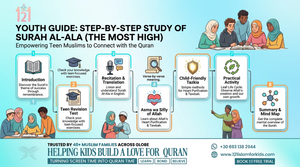
    step-by-step study method for teaching Surah Al-Balad

    Here’s a step-by-step study method for teaching Surah Al-Balad that includes your original steps, as well as some extra details to make the process easier for others to follow:

    1. Tajweed (Pronunciation of the Letters and Rules of Recitation)

    • Objective: Ensure students pronounce each letter correctly and apply the rules of tajweed.
    • Method:
    • Teach the proper pronunciation of difficult letters in Surah Al-Balad.
    • Explain important tajweed rules like Ikhfa, Idgham, and Ghunna that apply in the surah.
    • Have students repeat after you and correct any mistakes.
    • Make it interactive by asking students to point out tajweed rules as they recite.

    2. Recitation (Tilawah) and Memorization (Hifz)

    • Objective: Help students recite the surah fluently and memorize it.
    • Method:
    • Begin by reciting the entire surah slowly while students listen.
    • Divide the surah into small parts (ayah by ayah or in pairs of verses).
    • Recite each part multiple times, and then ask the students to repeat after you.
    • Encourage them to memorize the divided sections gradually.
    • Check their memorization after each session and ensure revision of previously memorized sections.

    3. Word Meanings and Translation

    • Objective: Teach students the meaning of each word and the overall translation.
    • Method:
    • Go verse by verse and explain the meaning of each word.
    • Use visual aids, flashcards, or even a whiteboard for writing the words and their meanings.
    • After discussing the words, provide the full translation of the verse in English.
    • Ask students to recite the verse, followed by saying the translation, so they can link the words to their meaning.

    4. Calligraphy or LEGO Activity

    • Objective: Engage students creatively and reinforce the surah’s message through art or construction.
    • Method:
    • Calligraphy: Teach students how to write selected ayahs in Arabic calligraphy or let them design their Arabic art related to the surah.
    • LEGO: Alternatively, use LEGO bricks to create scenes or symbols that represent the surah’s themes (like building a city to represent the opening verses about Makkah).
    • This method helps in connecting hands-on learning with Quranic studies.

    5. Storytelling (Tafsir Explanation)

    • Objective: Help students understand the message and lessons of the surah through a story format.
    • Method:
    • Using the tafsir provided earlier, explain the surah step by step as a story.
    • Bring in real-life examples that resonate with children (e.g., challenges in life, choices between right and wrong, helping others).
    • Ask students questions to keep them engaged, like “What do you think it means to help an orphan or a needy person?”

    6. Mind Map

    • Objective: Visually organize the main themes and ideas of the surah.
    • Method:
    • Create a mind map with the surah’s key points (e.g., Makkah, challenges in life, right and left-handed people).
    • Use different colors or drawings to highlight the major ideas.
    • Encourage students to create their mind map, summarizing what they have learned.

    7. Exercise and Worksheets of surah al balad

    • Objective: Review the surah and reinforce understanding through practical exercises.
    • Method:
    • Provide worksheets with questions based on the surah’s translation and tafsir.
    • Create fill-in-the-blank activities using verses of Surah Al-Balad
    • Ask students to match Arabic words with their English meanings.
    • You can also include multiple-choice questions about the story and lessons.

    8. Revisions

    • Objective: Strengthen retention through regular review.
    • Method:
    • At the start of each class, spend a few minutes revising what was learned in the previous session.
    • Conduct quick memorization checks of the verses they have already learned.
    • Ask students to retell the story of Surah Al-Balad and what lessons they took from it.
    • Incorporate fun revision techniques like quizzes, competitions, or group recitations.

    Final Thoughts

    By following these steps, students will gain a deep understanding of Surah Al-Balad, not only through memorization but also by applying its teachings in their lives. This step-by-step approach balances traditional Islamic learning with creative, interactive methods to keep students engaged and help them internalize the surah’s meaning. Check our More short surahs for kids collection to expand your Quranic knowledge!

    Our method combines the power of visual aids, videos, books, and interactive tools to make learning Surah Al-Falaq and Surah An-Naas both fun and effective.

    Visit the links below for our resources and activities:

    Explore our resources and enroll today!

    Tafsir of Short surahs for children

  • Surah Al-Falaq – An-Naas Study Method: Understanding the Chapter of Dawn (سورة الفلق)Surah Al-Falaq (سورة الفلق)

    Surah Al-Falaq – An-Naas Study Method: Understanding the Chapter of Dawn (سورة الفلق)Surah Al-Falaq (سورة الفلق)

    Surah Al-Falaq An-Naas study method provides comprehensive learning techniques for these two protective chapters of the Quran. This interactive guide includes detailed verse-by-verse explanations, word meanings, translations, and educational activities for understanding Surah Al-Falaq and Surah An-Naas.Surah.

    Surah Al-Falaq An-Naas study method comprehensive guide with interactive learning techniques for children


    Surah Surah Al-Falaq An-Naas Study Method: Understanding the Chapter of Dawn (سورة الفلق)Surah Al-Falaq (سورة الفلق)

    These Surah Al-Falaq An-Naas teachings guide us to seek Allah’s protection from all types of evil.This Surah teaches us to seek Allah’s protection from all types of evil.

    Verse 1:

    Arabic:
    قُلْ أَعُوذُ بِرَبِّ الْفَلَقِ

    English Translation:
    “Say: I seek refuge in the Lord of the dawn.”

    Word Meanings:

    • قُلْ (Qul) – Say
    • أَعُوذُ (A’udhu) – I seek refuge
    • بِرَبِّ (bi-Rabbi) – In the Lord
    • الْفَلَقِ (al-Falaq) – The dawn or the daybreak

    Explanation:
    In this verse, we are told to seek protection from Allah, the One who causes the dawn to break through the darkness. The “dawn” symbolizes light, hope, and the power to overcome darkness and evil.


    Verse 2:

    Arabic:
    مِن شَرِّ مَا خَلَقَ

    English Translation:
    “From the evil of what He has created.”

    Word Meanings:

    • مِن شَرِّ (min sharri) – From the evil
    • مَا (ma) – What
    • خَلَقَ (khalaqa) – He has created

    Explanation:
    This verse asks for protection from any harmful or evil things in Allah’s creation. While Allah’s creation is good, some things or beings may cause harm, so we ask Allah to protect us from any possible danger.


    Verse 3:

    Arabic:
    وَمِن شَرِّ غَاسِقٍ إِذَا وَقَبَ

    English Translation:
    “And from the evil of the night when it grows dark.”

    Word Meanings:

    • غَاسِقٍ (ghasiqin) – Darkness
    • إِذَا (idha) – When
    • وَقَبَ (waqab) – It settles

    Explanation:
    This verse seeks protection from the dangers of the night, when darkness falls, and we cannot see clearly. The night can bring fear and unknown dangers, but Allah can protect us.


    Verse 4:

    Arabic:
    وَمِن شَرِّ النَّفَّاثَاتِ فِي الْعُقَدِ

    English Translation:
    “And from the evil of those who blow on knots.”

    Word Meanings:

    • النَّفَّاثَاتِ (an-naffathat) – Those who blow
    • فِي الْعُقَدِ (fi-l-‘uqad) – On knots

    Explanation:
    This verse refers to the evil of those who practice magic or sorcery by tying knots and blowing on them. It’s a form of evil behavior that people may use to harm others. We seek Allah’s protection from such harmful acts.


    Verse 5:

    Arabic:
    وَمِن شَرِّ حَاسِدٍ إِذَا حَسَدَ

    English Translation:
    “And from the evil of the envious one when he envies.”

    Word Meanings:

    • حَاسِدٍ (hasid) – The envious one
    • حَسَدَ (hasada) – He envies

    Explanation:
    This verse seeks protection from those who feel jealous and wish harm upon others. When someone envies another person, they might desire bad things to happen to them. We ask Allah to protect us from such jealousy.


    Surah An-Naas (سورة الناس)

    This Surah teaches us to seek protection from the evil whispers of Shaytan (Satan) and all harmful influences.

    Verse 1:

    Arabic:
    قُلْ أَعُوذُ بِرَبِّ النَّاسِ

    English Translation:
    “Say: I seek refuge in the Lord of mankind.”

    Word Meanings:

    • قُلْ (Qul) – Say
    • أَعُوذُ (A’udhu) – I seek refuge
    • بِرَبِّ (bi-Rabbi) – In the Lord
    • النَّاسِ (an-Naas) – Of mankind

    Explanation:
    In this verse, we are instructed to seek refuge in Allah, the Lord of all people. This reminds us that Allah is the Creator and Protector of every human being.


    Verse 2:

    Arabic:
    مَلِكِ النَّاسِ

    English Translation:
    “The King of mankind.”

    Word Meanings:

    • مَلِكِ (Malik) – King
    • النَّاسِ (an-Naas) – Of mankind

    Explanation:
    Here, we acknowledge that Allah is the King of all people. He is in charge of everything, and no one has power or authority over Him. He alone controls and protects us.


    Verse 3:

    Arabic:
    إِلَٰهِ النَّاسِ

    English Translation:
    “The God of mankind.”

    Word Meanings:

    • إِلَٰهِ (Ilah) – God
    • النَّاسِ (an-Naas) – Of mankind

    Explanation:
    This verse reminds us that Allah is the only God of all humans. He is the One we worship and rely on. By stating that Allah is our God, we confirm our belief in His power to protect us from harm.


    Verse 4:

    Arabic:
    مِن شَرِّ الْوَسْوَاسِ الْخَنَّاسِ

    English Translation:
    “From the evil of the whisperer who withdraws.”

    Word Meanings:

    • شَرِّ (sharri) – Evil
    • الْوَسْوَاسِ (waswas) – Whisperer
    • الْخَنَّاسِ (khannas) – Who withdraws

    Explanation:
    This verse asks for protection from the whisperer, meaning Shaytan, who quietly puts evil thoughts into our minds and then hides. Shaytan tries to make us do bad things, but we seek Allah’s protection to avoid falling into these traps.


    Verse 5:

    Arabic:
    الَّذِي يُوَسْوِسُ فِي صُدُورِ النَّاسِ

    English Translation:
    “Who whispers in the hearts of mankind.”

    Word Meanings:

    • يُوَسْوِسُ (yuwaswisu) – Whispers
    • فِي (fi) – In
    • صُدُورِ (sudoor) – Hearts
    • النَّاسِ (an-Naas) – Of mankind

    Explanation:
    Shaytan tries to enter people’s hearts and minds to make them think bad things. He whispers evil ideas into our hearts to lead us away from the right path, but Allah can protect us from these whispers.


    Verse 6:

    Arabic:
    مِنَ الْجِنَّةِ وَالنَّاسِ

    English Translation:
    “From among jinn and among mankind.”

    Word Meanings:

    • الْجِنَّةِ (al-jinnah) – The jinn (invisible beings)
    • النَّاسِ (an-Naas) – Mankind

    Explanation:
    This verse tells us that evil whispers can come from both jinn (invisible beings) and humans. Some people or beings might try to lead us astray, but by seeking Allah’s protection, we can stay safe from all types of evil influences.


    Summary of Both Surah Al-Falaq An-Naas

    • Surah Al-Falaq protects us from the dangers of the outside world—whether they come from people, jealousy, or magic.
    • Surah An-Naas protects us from the dangers within—whispers and evil thoughts that try to lead us away from the right path.

    Reciting both Surah Al-Falaq An-Naas reminds us that Allah is our ultimate protector from all forms of evil, and we should always turn to Him in times of fear or difficulty.Reciting these Surahs reminds us that Allah is our ultimate protector from all forms of evil, and we should always turn to Him in times of fear or difficulty.

    Additional Information:

    • These Surahs should be recited in the morning and evening as part of Azkar (remembrance of Allah) to seek protection from all harm throughout the day and night.
    • It’s also recommended to recite them before sleeping, to seek Allah’s protection from evil during the night.

    Quiz: Surah Al-Falaq & Surah An-Naas

    Here’s a fun and educational quiz for kids based on the key facts and explanations of Surah Al-Falaq and Surah An-Naas.


    Multiple Choice Questions (MCQs):

    1. Who do we ask for protection in Surah Al-Falaq?
    • A) The sun
    • B) The moon
    • C) The Lord of the dawn
    • D) The stars Answer: C) The Lord of the dawn

    1. In Surah Al-Falaq, we ask Allah to protect us from the evil of:
    • A) Animals
    • B) Darkness, jealousy, and magic
    • C) Angels
    • D) Trees Answer: B) Darkness, jealousy, and magic

    1. What does “Al-Falaq” mean?
    • A) Night
    • B) Darkness
    • C) Daybreak/Dawn
    • D) Stars Answer: C) Daybreak/Dawn

    1. In Surah An-Naas, who is the King of mankind?
    • A) A Prophet
    • B) Allah
    • C) Angels
    • D) Shaytan Answer: B) Allah

    1. Who tries to whisper bad thoughts in our hearts?
    • A) Shaytan
    • B) Angels
    • C) Prophets
    • D) Friends Answer: A) Shaytan

    1. What does “An-Naas” mean in Surah An-Naas?
    • A) People
    • B) Angels
    • C) Shaytan
    • D) Jinn Answer: A) People

    1. How many verses (ayahs) are in Surah Al-Falaq?
    • A) 3
    • B) 5
    • C) 7
    • D) 6 Answer: B) 5

    1. How many verses (ayahs) are in Surah An-Naas?
    • A) 6
    • B) 4
    • C) 3
    • D) 7 Answer: A) 6
    1. When is it recommended to recite Surah Al-Falaq and Surah An-Naas?
      • A) Only during Ramadan
      • B) During morning and evening
      • C) After every meal
      • D) Before sleeping only
      Answer: B) During morning and evening

    1. Why do we recite Surah Al-Falaq and Surah An-Naas in the morning and evening?
    • A) To protect ourselves from hunger
    • B) To ask for Allah’s protection from all kinds of evil throughout the day and night
    • C) To bring rain
    • D) To avoid studying

    Answer: B) To ask for Allah’s protection from all kinds of evil throughout the day and night


    Short Answer Questions:

    1. What is the main theme of Surah Al-Falaq?
    • Answer: The main theme is seeking Allah’s protection from external evils, such as darkness, jealousy, and magic.

    1. What is the main theme of Surah An-Naas?
    • Answer: The main theme is seeking Allah’s protection from the evil whispers of Shaytan and evil thoughts.

    1. From which two types of beings can evil whispers come, according to Surah An-Naas?
    • Answer: Evil whispers can come from both jinn and humans.

    1. Why are Surah Al-Falaq and Surah An-Naas called “Al-Mu’awwidhatayn”?
    • Answer: They are called Al-Mu’awwidhatayn because they are the two Surahs of seeking protection from Allah.

    1. What was the occasion for the revelation of these two Surahs?
    • Answer: These Surahs were revealed when Prophet Muhammad (peace be upon him) was affected by magic, and Allah revealed these Surahs to protect him from harm.

    1. Why are these two Surahs recited together often?
    • Answer: These Surahs are recited together because both provide protection from external and internal evils, making them powerful for seeking Allah’s protection.

    True/False Questions:

    1. Surah Al-Falaq protects us from the evil whispers of Shaytan.
    • Answer: False (It’s Surah An-Naas that protects from evil whispers of Shaytan).

    1. Surah An-Naas teaches us to seek refuge in Allah, who is the Lord, King, and God of mankind.
    • Answer: True

    1. The word “Falaq” means darkness.
    • Answer: False (It means dawn or daybreak).

    1. Surah Al-Falaq has 6 verses.
    • Answer: False (It has 5 verses).

    1. Both Surah Al-Falaq and Surah An-Naas were revealed to help protect the Prophet Muhammad (peace be upon him) from the effects of magic.
    • Answer: True

    This quiz can help children review the key facts and concepts from Surah Al-Falaq An-Naas in a fun and engaging way!This quiz can help children review the key facts and concepts from the two Surahs in a fun and engaging way!

    Study method

    In our online classes, we use an engaging and comprehensive study method to teach Surah Al-Falaq and Surah An-Naas. Our goal is to ensure students not only learn to recite and memorize these Surahs but also understand their meanings through creative and interactive learning tools. Here’s how we do it, with links to detailed resources for each step:


    1. Recitation (تلاوت)

    Objective:
    We begin by focusing on the correct recitation of the Surahs. Using videos of expert reciters, students follow along to perfect their pronunciation. Each verse is practiced until fluency is achieved.
    Click here for our recitation videos.


    2. Tajweed (تجوید)

    Objective:
    We introduce the essential rules of Tajweed so students can recite the Quran correctly. We pay special attention to proper articulation of Arabic sounds and apply these rules in real-time recitation practice.
    Explore our Tajweed lessons with videos and guides.


    3. Memorization (حفظ)

    Objective:
    Memorization is made easy with the help of videos that guide students step-by-step. The process is broken into small sections, and each is repeated multiple times to ensure retention.
    Learn more about our Hifz videos and memorization techniques.


    4. Words Meaning and Translation

    Objective:
    We teach word meanings and translations using the “My First Quran with Pictures” book, making it easy for students to grasp the Arabic words along with their English meanings. This method makes learning engaging and fun.
    See how we use “My First Quran with Pictures” in our lessons.


    5. Tafsir (تفسیر) Surah Al-Falaq An-Naas

    Objective:
    We explain the meanings and lessons of the Surahs through the Islamic Education Book. Each verse is discussed in a simple and age-appropriate way, helping students understand the significance of seeking Allah’s protection.
    Explore our Tafsir lessons and resources.


    6. Infographics Surah Al-Falaq An-Naas

    Objective:
    Infographics are used to simplify the Surahs’ key themes. We either use visuals from “My First Quran with Pictures” or encourage students to create their own. This visual learning helps students retain the key messages of each verse.
    Check out our infographic tools and creative projects.


    7. Storytelling

    Objective:
    We enhance understanding through storytelling in class and with video animations. Stories like “Sarah and the Magic of Light” bring the Surahs’ meanings to life, making them more relatable for children.
    Watch our storytelling videos and animations.


    8. Mind Mapping

    Objective:
    We teach mind mapping using pre-designed images and videos to help students visually organize the lessons from the Surahs. These mind maps make it easier to understand and remember the concepts.
    Discover our mind mapping resources and videos.


    9. Exercises and Revisions (نظرثانی)

    Objective:
    We conduct regular revisions to ensure long-term retention. For assessments, we use interactive quizzes and exercises that test the students’ understanding and memorization of the Surahs.
    Check out our revision quizzes and exercises.


    Our method combines the power of visual aids, videos, books, and interactive tools to make learning Surah Al-Falaq and Surah An-Naas both fun and effective.

    Visit the links below for our resources and activities:

    Explore our resources and enroll today!