Category: Urdu children stories

  • The Story of Prophet Isa A.S in Islam: A Messenger of Allah

    The Story of Prophet Isa A.S in Islam

    One day, Usman, Hajra, and Ismail were sitting with their father, Usama. Usama said, “Today, I will tell you the story of Prophet Isa (A.S.).” The children leaned forward with interest, knowing this would be a special story.

    “Prophet Isa (A.S.) was a very special Prophet of Allah. Allah sent him to guide the people, just like He sent other Prophets, such as Prophet Adam, Prophet Nuh, Prophet Ibrahim, Prophet Musa, and Prophet Muhammad (PBUH). The purpose of the Prophets was to guide people to the right path, so they could worship Allah and do good deeds.”

    Usman asked, “But why were Prophets sent? Couldn’t people be good on their own?”

    Usama smiled and replied, “My son, Allah sent Prophets to show people the right way to live so that they don’t go astray. Humans are meant to worship Allah and do good to others, but sometimes they forget what is right and wrong. That’s why Allah sent Prophets—to remind us how to live our lives.”


    The Birth of Prophet Isa (A.S.)

    Usama then began to talk about the birth of Prophet Isa (A.S.). “Prophet Isa (A.S.)’s mother, Maryam (A.S.), was a very pious and righteous woman. One day, by the command of Allah, she became the mother of a son, even though she wasn’t married. This was a great miracle! Allah sent the angel Jibreel (A.S.) to tell Maryam (A.S.) that her son would be a Prophet of Allah, and he would spread Allah’s message to the world.”

    Hajra asked, “Wasn’t Maryam (A.S.) scared?”

    Usama said, “Yes, she was surprised at first, but she knew it was Allah’s command, and she had great faith. Allah comforted her, and the birth of Prophet Isa (A.S.) was a great sign that Allah can do anything.”


    The Miracles of Prophet Isa (A.S.)

    Ismail then asked, “Abu, you mentioned miracles. What are they?”

    Usama explained, “Allah gave His Prophets miracles to show people that they were telling the truth. Prophet Isa (A.S.) was given many miracles too. When he was just a baby, by Allah’s command, he spoke from his cradle and told people that he was a Prophet. He healed the blind, cured people with leprosy, and even brought the dead back to life, all by Allah’s permission. But remember, all of these miracles happened because of Allah’s power, not Prophet Isa (A.S.) himself.”

    Usman said, “But some people say that Prophet Isa (A.S.) is the son of God?”

    Usama shook his head and said, “This is a big misunderstanding. Prophet Isa (A.S.) was a human and a Prophet, just like the other Prophets. He was not the son of Allah. The Quran tells us that Prophet Isa (A.S.) was a messenger of Allah, and we Muslims honor and love him, but we do not believe he is the son of God. We worship only Allah, who has no partners or children.”


    Muslims Love Isa (A.S.) but Worship Only Allah

    Hajra asked, “How can we love Prophet Isa (A.S.)?”

    Usama replied, “We love Prophet Isa (A.S.) by following the message he brought. He called people to worship Allah and taught them to do good and stay away from evil. We do the same, but we never worship him. We only worship Allah, the One true God, and that’s what Islam teaches us.”


    Why Don’t Muslims Celebrate Christmas?

    Usman asked, “If Prophet Isa (A.S.) was such a great Prophet, why don’t we celebrate Christmas?”

    Usama explained, “Christmas is celebrated by Christians to honor the birth of Prophet Isa (A.S.), but over time, many traditions have been added that go against Islamic teachings. While we respect Prophet Isa (A.S.), we don’t believe in these traditions, and we worship only Allah. That’s why Muslims don’t celebrate Christmas.”


    Islamic Manners and the Teachings of Prophet Isa (A.S.)

    “Islam teaches us to always have faith in Allah and follow the guidance of His Prophets. Our manners and way of life are connected to the teachings of Prophets like Isa (A.S.). He taught people to do good, worship Allah, and be kind to others.”

    Hajra, Usman, and Ismail listened carefully, understanding that Prophet Isa (A.S.) was a great Prophet whose message still shines as a light for Muslims today.

    “Now we know why we love Prophet Isa (A.S.) and why we worship only Allah!” Usman said excitedly.

    “That’s right!” Usama smiled. “Remember, the message of all the Prophets calls us to worship Allah, and we should always follow their teachings.”


    This story will help children understand the life of Prophet Isa (A.S.) and his importance in Islam. It teaches that Muslims honor and respect him, but worship only Allah, and explains why we don’t celebrate Christmas.

    حضرت عیسیٰ علیہ السلام کی کہانی: اللہ کے نبی

    ایک دن عثمان، حاجرہ، اور اسماعیل اپنے والد، اسامہ کے ساتھ بیٹھے ہوئے تھے۔ اسامہ نے کہا، “آج میں تمہیں حضرت عیسیٰ علیہ السلام کی کہانی سناتا ہوں۔” بچے دلچسپی سے آگے جھک گئے، کیونکہ وہ جانتے تھے کہ یہ ایک خاص کہانی ہونے والی ہے۔

    “حضرت عیسیٰ علیہ السلام اللہ کے ایک بہت ہی خاص نبی تھے۔ اللہ نے انھیں لوگوں کی ہدایت کے لیے بھیجا، جیسے دوسرے انبیاء جیسے حضرت آدم، حضرت نوح، حضرت ابراہیم، حضرت موسیٰ، اور حضرت محمد صلی اللہ علیہ وسلم کو بھی بھیجا تھا۔ انبیاء کا مقصد لوگوں کو صحیح راستے کی طرف رہنمائی دینا تھا، تاکہ لوگ اللہ کی عبادت کریں اور اچھے کام کریں۔”

    عثمان نے پوچھا، “لیکن انبیاء کو کیوں بھیجا گیا؟ کیا لوگ خود اچھے نہیں ہو سکتے تھے؟”

    اسامہ مسکرا کر جواب دیتے ہیں، “بیٹا، اللہ نے انسانوں کو صحیح راستے پر چلانے کے لیے انبیاء کو بھیجا تاکہ وہ بھٹک نہ جائیں۔ انسانوں کو اللہ کی عبادت کرنی چاہیے اور دوسروں کے ساتھ نیکی کرنی چاہیے، لیکن کبھی کبھی لوگ بھول جاتے ہیں کہ کیا صحیح ہے اور کیا غلط۔ اسی لیے اللہ نے انبیاء کو بھیجا، تاکہ وہ ہمیں یاد دلائیں کہ ہمیں کیسے زندگی گزارنی ہے۔”

    حضرت عیسیٰ علیہ السلام کی پیدائش

    پھر اسامہ نے حضرت عیسیٰ علیہ السلام کی پیدائش کی بات کی۔ “حضرت عیسیٰ علیہ السلام کی والدہ حضرت مریم علیہا السلام بہت نیک اور پاکباز تھیں۔ وہ ایک دن اللہ کے حکم سے ایک بیٹے کی ماں بن گئیں، حالانکہ ان کی کوئی شادی نہیں ہوئی تھی۔ یہ ایک بڑا معجزہ تھا! اللہ نے حضرت جبرائیل علیہ السلام کے ذریعے حضرت مریم علیہا السلام کو بتایا کہ ان کا بیٹا اللہ کا نبی ہوگا، اور وہ دنیا کو اللہ کا پیغام دیں گے۔”

    حاجرہ نے حیرت سے پوچھا، “کیا حضرت مریم علیہا السلام ڈری نہیں تھیں؟”

    اسامہ نے کہا، “بالکل! حضرت مریم علیہا السلام کو پہلے حیرت ہوئی، لیکن وہ جانتی تھیں کہ یہ اللہ کا حکم ہے، اور وہ بہت ایمان والی تھیں۔ اللہ نے انھیں تسلی دی، اور حضرت عیسیٰ علیہ السلام کی پیدائش ایک بڑی نشانی تھی کہ اللہ جو چاہے کر سکتا ہے۔”

    حضرت عیسیٰ علیہ السلام کے معجزات

    اسماعیل نے کہا، “ابا، آپ نے معجزات کا ذکر کیا، وہ کیا ہیں؟”

    اسامہ نے سمجھایا، “اللہ نے اپنے نبیوں کو معجزات دیے تاکہ لوگ ان کی سچائی پر یقین کریں۔ حضرت عیسیٰ علیہ السلام کو بھی کئی معجزے عطا کیے گئے تھے۔ جب وہ چھوٹے بچے تھے، تو اللہ کے حکم سے وہ جھولے میں بولنے لگے اور لوگوں کو بتایا کہ وہ اللہ کے نبی ہیں۔ انہوں نے اندھوں کو بینائی عطا کی، کوڑھ کے مریضوں کو شفا دی، اور مردوں کو اللہ کے حکم سے زندہ کیا۔ لیکن یاد رکھو، یہ سب اللہ کے حکم سے ہوا۔ حضرت عیسیٰ علیہ السلام خود کچھ نہیں کر سکتے تھے، یہ سب اللہ کی قدرت تھی۔”

    عثمان نے کہا، “لیکن لوگ کہتے ہیں کہ حضرت عیسیٰ علیہ السلام اللہ کے بیٹے ہیں؟”

    اسامہ نے سر ہلاتے ہوئے کہا، “یہ ایک بہت بڑی غلط فہمی ہے۔ حضرت عیسیٰ علیہ السلام اللہ کے نبی تھے، جیسے دوسرے انبیاء۔ وہ اللہ کے بیٹے نہیں تھے۔ قرآن پاک میں اللہ فرماتا ہے کہ حضرت عیسیٰ علیہ السلام ایک انسان اور نبی ہیں، اور مسلمان انھیں بہت عزت اور محبت دیتے ہیں، لیکن ہم انھیں کبھی اللہ کا بیٹا نہیں مانتے۔ ہم صرف اللہ کی عبادت کرتے ہیں، کیونکہ اللہ ایک ہے، اور اس کا کوئی شریک نہیں۔”

    مسلمان حضرت عیسیٰ علیہ السلام سے محبت کرتے ہیں لیکن عبادت صرف اللہ کی کرتے ہیں

    حاجرہ نے پوچھا، “ہم حضرت عیسیٰ علیہ السلام سے محبت کیسے کریں؟”

    اسامہ نے کہا، “ہم حضرت عیسیٰ علیہ السلام سے محبت اس طرح کرتے ہیں کہ ہم ان کے بتائے ہوئے پیغام پر عمل کرتے ہیں۔ وہ لوگوں کو اللہ کی طرف بلاتے تھے اور بتاتے تھے کہ نیکی کرو، برائی سے بچو، اور صرف اللہ کی عبادت کرو۔ ہم بھی یہی کرتے ہیں۔ لیکن ہم انھیں اللہ کا بیٹا نہیں مانتے، بلکہ اللہ کے نبی مانتے ہیں۔ ہم صرف اللہ کی عبادت کرتے ہیں اور یہی اسلام کی تعلیم ہے۔”

    کیوں مسلمان کرسمس نہیں مناتے؟

    عثمان نے پوچھا، “اگر حضرت عیسیٰ علیہ السلام اتنے عظیم نبی تھے، تو ہم کرسمس کیوں نہیں مناتے؟”

    اسامہ نے وضاحت کی، “کرسمس حضرت عیسیٰ علیہ السلام کی پیدائش کا دن منانے کے لیے منایا جاتا ہے، لیکن اس میں کئی ایسی رسومات شامل ہو گئی ہیں جو اسلام کے اصولوں کے خلاف ہیں۔ ہم حضرت عیسیٰ علیہ السلام کا احترام کرتے ہیں، لیکن ہم ان کے بارے میں غلط عقائد نہیں اپناتے اور اللہ کے سوا کسی کی عبادت نہیں کرتے۔ اس لیے مسلمان کرسمس نہیں مناتے۔”

    اسلامی آداب اور حضرت عیسیٰ علیہ السلام کی تعلیمات

    “اسلام ہمیں سکھاتا ہے کہ ہمیں ہمیشہ اللہ پر ایمان رکھنا چاہیے اور اس کے نبیوں کی باتوں پر عمل کرنا چاہیے۔ ہمارے آداب اور طریقے حضرت عیسیٰ علیہ السلام کی تعلیمات سے جڑے ہوئے ہیں، جیسے نیکی کرنا، عبادت کرنا، اور دوسروں کے ساتھ بھلائی کرنا۔”

    حاجرہ، عثمان، اور اسماعیل نے اپنے والد کی باتوں کو غور سے سنا اور سمجھے کہ حضرت عیسیٰ علیہ السلام ایک عظیم نبی تھے، جن کا پیغام آج بھی مسلمانوں کے لیے روشنی ہے۔

    “اب ہمیں معلوم ہوا کہ ہم حضرت عیسیٰ علیہ السلام سے محبت کیوں کرتے ہیں اور اللہ کی عبادت کیوں کرتے ہیں!” عثمان نے خوش ہو کر کہا۔

    “بالکل صحیح!” اسامہ نے مسکراتے ہوئے جواب دیا۔ “یاد رکھو، نبیوں کا پیغام ہمیشہ ہمیں اللہ کی طرف بلاتا ہے، اور ہمیں ان کی تعلیمات پر عمل کرنا چاہیے۔”


    اس کہانی کے ذریعے بچوں کو حضرت عیسیٰ علیہ السلام کی زندگی اور اسلام میں ان کا مقام سمجھنے میں آسانی ہوگی، اور یہ بھی کہ کیوں مسلمان حضرت عیسیٰ علیہ السلام کی عزت کرتے ہیں لیکن صرف اللہ کی عبادت کرتے ہیں۔

  • Free Halloween Awareness Course for Muslim Children! Halloween in Islam

    Free Halloween Awareness Course for Muslim Children!

    Dear Mothers,

    I’m excited to invite you and your children to a FREE Halloween Awareness Course for English-speaking students. This course is designed to help children understand why Halloween is not a celebration Muslims should participate in, and how it conflicts with our Islamic beliefs.

    In this one-day course, we will:

    • Learn about the history of Halloween and its origins
    • Explore the negative impacts of practices like “Trick or Treat”, explaining how begging and cheating are against Islamic teachings
    • Discuss Islamic beliefs about life after death and why no souls return to this world
    • Engage in fun activities that help children understand the harm of such festivals
    • Strengthen their understanding of Islamic values, emphasizing the teachings of our Prophet Muhammad (PBUH), including the Hadith, “Whoever deceives us is not one of us.”

    By the end of the course, children will feel confident in saying no to un-Islamic celebrations and learn to embrace their Muslim identity with pride.

    Course Date & Time:

    • Date: Saturday, 19th October
    • Time: 6:30 PM (GMT), 10:30 PM (GST)

    For a complete list of time zones, please refer to the world clock for your region.

    This is an exclusive invitation for mothers only. No males are allowed in the group, ensuring a safe space for you and your children.

    To join, simply click the link below and become part of this important learning journey:
    Join the WhatsApp Group

    Make sure to share this post with others who might benefit!


    Welcome to the Course: Understanding Halloween: A Muslim Perspective!

    Teacher: Assalamualaikum, dear students! I’m so excited to see all of you here today. Welcome to our special course where we’ll explore Halloween and understand why it’s important for us as Muslims to approach this topic thoughtfully.

    1. Introduction (30 minutes)

    Teacher: Let’s start by getting to know each other! I want each of you to introduce yourselves and share your favorite festive traditions. What do you love about your celebrations?

    (After everyone has shared)

    Teacher: That was wonderful! It’s great to hear about the beautiful traditions we have as Muslims. Now, let’s dive into our topic today. Can anyone tell me what they know about Halloween?

    (Allow students to share their knowledge)

    Teacher: Great! Halloween is a festival that many people celebrate on October 31st. People often wear scary costumes and go trick-or-treating. But have you ever wondered where it came from?


    2. Understanding Halloween and Its Impact (45 minutes)

    Teacher: Halloween has roots in ancient beliefs that people had about spirits and the dead. They thought that on this night, spirits would come back to the world of the living. So, to protect themselves, they wore scary costumes. But as Muslims, we believe something different, right?

    (Engage children in discussing the story of Amina)

    Teacher: In our story, Amina felt left out because her friends were excited about dressing up as scary things. But what did Amina’s mom teach her?

    (Discuss Amina’s mom’s explanations)


    3. The Concept of Trick or Treat (30 minutes)

    Teacher: Now, let’s talk about “Trick or Treat.” Can anyone tell me what that means?

    (Students respond)

    Teacher: That’s right! It’s when children go door-to-door asking for candy, and if they don’t get it, they play a trick. But this idea of threatening someone to get what you want isn’t kind or fair, is it?

    (Role-playing activity)

    Teacher: Let’s act this out! Who wants to play the role of someone asking for treats? And who can play the person giving out treats?

    (Encourage role-play and discuss how it feels to ask politely instead of threatening)


    4. The Meaning of Dressing Up (30 minutes)

    Teacher: Next, let’s discuss dressing up. Why do some people like to dress up in scary costumes?

    (Allow children to share their thoughts)

    Teacher: Yes, but as Muslims, we should remember that Allah created us in the best form. We shouldn’t change our appearance to look scary or animal-like. Instead, let’s think of positive and respectful costumes!

    (Costume alternatives activity)

    Teacher: I want each of you to think of a costume that represents something positive, like a hero from Islamic history or your favorite cultural attire. Can anyone share their idea?


    5. Negative Effects of Halloween (30 minutes)

    Teacher: Now, let’s talk about some of the negative effects of Halloween. How can celebrating something scary affect our minds?

    (Engage students in discussion)

    Teacher: It can create fear and anxiety, which isn’t what Allah wants for us. Instead, we should focus on things that make us feel good and safe. Let’s list some negative aspects we talked about.

    (Group brainstorming activity)

    Teacher: And now, let’s create our “Positive Celebration” list! What are some fun and kind things we can do instead?


    6. Conclusion and Reflection (30 minutes)

    Teacher: As we wrap up our course, I want to hear your thoughts. What did you learn today? How do you feel about Halloween now?

    (Encourage sharing)

    Teacher: I’m so proud of all of you for staying true to your beliefs. Remember, as our beloved Prophet Muhammad (peace be upon him) said, “Whoever cheats is not one of us.” We should always be honest and kind in our actions.

    (End with a dua)

    Teacher: Let’s end with a prayer for guidance. May Allah help us stay true to our faith and guide our friends too. Thank you all for participating today! You’ve done an amazing job!

    (Smile and encourage children to keep learning and sharing)


    Thank You for Joining!

    Remember, it’s important to embrace our identity as Muslims and to celebrate in ways that reflect our values and beliefs. If you have any questions or want to share your thoughts later, I’m always here for you!


    This teaching approach focuses on engagement, interactive activities, and fostering a safe space for discussion, helping children understand the topic in a meaningful way.

  • How was Eid al-Fitr of Prophet SAW? rituals, customs, and significance of Eid al-Fitr.

    How was Eid al-Fitr of Prophet SAW? rituals, customs, and significance of Eid al-Fitr.

    Eid al-Fitr, also known as the “Festival of Breaking the Fast,” is one of the most significant and joyous celebrations in Islam. This religious holiday marks the end of Ramadan, the holy month of fasting and prayer for Muslims worldwide. Eid al-Fitr holds great cultural, spiritual, and social importance, bringing communities together in a spirit of joy, gratitude, and generosity. In this essay, we will explore the origins, rituals, customs, and significance of Eid al-Fitr.

    EID AL-FITR

    I. Introduction

    Eid al-Fitr, which translates to “the festival of breaking the fast” in Arabic, is an essential Islamic celebration that signifies the conclusion of Ramadan, a month of fasting and spiritual reflection. It is a time for Muslims to come together with family and friends to celebrate the achievements and personal growth achieved during the fasting month.

    II. Historical Origins

    The historical roots of Eid al-Fitr can be traced back to the time of Prophet Muhammad (peace be upon him). The celebration began after the Prophet received revelations from Allah that fasting during the month of Ramadan would be obligatory for all able-bodied adult Muslims. The last ten days of Ramadan are considered particularly significant, as they include the “Night of Power” (Laylat al-Qadr) when the first verses of the Quran were revealed to Prophet Muhammad.

    Eid al-Fitr itself was established as a celebration to mark the end of Ramadan and the fulfillment of the month-long fasting obligation. The Prophet Muhammad is reported to have said, “When the month of Ramadan comes, the gates of Paradise are opened, and the gates of Hell are closed, and the devils are chained.” This reflects the spiritual significance of the month and the joyous occasion that follows.

    III. The Month of Ramadan

    Before delving into the specifics of Eid al-Fitr, it is crucial to understand the significance of Ramadan. Ramadan is the ninth month of the Islamic lunar calendar and holds immense spiritual importance for Muslims. It is a time of self-discipline, self-reflection, and heightened devotion to Allah.

    During Ramadan, Muslims fast from dawn to sunset, refraining from food, drink, and sinful behavior. The fast is not only a physical act but also a spiritual one, encouraging believers to develop empathy for those who are less fortunate and to purify their souls—the pre-dawn meal, Suhoor, and the evening meal, Iftar, bookend each day of fasting.

    IV. Preparations for Eid al-Fitr

    As the month of Ramadan progresses, excitement and anticipation build for the upcoming celebration of Eid al-Fitr. In the last ten days of Ramadan, Muslims intensify their prayers and engage in additional acts of worship. Many also seek to perform acts of charity and kindness, following the teachings of Islam to share their blessings with those in need.

    In the days leading up to Eid, families and communities start preparations for the festivities. This includes cleaning and decorating homes, shopping for new clothes, and planning special meals. Charity, known as Zakat al-Fitr, is another essential aspect of the preparations. Muslims are required to give a specific amount of money or food to those in need before the day of Eid to ensure that everyone can partake in the joy of the celebration.

    V. The Night of Eid

    The night before Eid is a time of heightened anticipation and spiritual reflection. Many Muslims spend the night in prayer, seeking forgiveness for any shortcomings during Ramadan and expressing gratitude for the blessings received. Special night prayers, known as Tarawih, are held in mosques, where verses from the Quran are recited, and believers engage in collective worship.

    VI. The Morning of Eid al-Fitr

    Eid al-Fitr begins with a special prayer known as Salat al-Eid. Muslims gather in large congregations, often in open fields, mosques, or designated prayer grounds, to perform this prayer. The prayer is led by an imam, and it includes specific supplications and rituals that distinguish it from the regular daily prayers.

    Before heading to the Eid prayer, it is customary for Muslims to perform Ghusl, a ritual purification bath, and to wear new or special clothes for the occasion. This symbolizes a fresh start and emphasizes the significance of the day.

    VII. Salat al-Eid

    Salat al-Eid consists of two Rak’ahs (units of prayer) and is offered in a congregation. The prayer is followed by a sermon delivered by the imam, who addresses the community with messages of gratitude, unity, and the importance of maintaining the values cultivated during Ramadan throughout the year.

    VIII. The Zakat al-Fitr

    Zakat al-Fitr is a mandatory charitable donation given by Muslims before the Eid prayer. This act of charity is meant to purify those who fast from any indecent act or speech and to help the poor and needy. The donation is intended to ensure that everyone can partake in the joyous festivities of Eid and experience a sense of financial relief.

    IX. The Joyous Celebration

    After the Eid prayer and sermon, the atmosphere transforms into one of joy and celebration. Families and friends exchange warm greetings of “Eid Mubarak,” which translates to “Blessed Eid.” Children, in particular, eagerly anticipate receiving Eidi, which are gifts, often in the form of money, given by elders.

    Homes are filled with the aroma of delicious meals prepared for the occasion. Special traditional dishes, sweets, and festive treats are shared with loved ones and neighbors. Sharing food symbolizes the spirit of community and generosity that defines Eid al-Fitr.

    X. Social Harmony and Unity

    Eid al-Fitr is a time when social and familial bonds are reinforced. Muslims are encouraged to reconcile with estranged family members or friends and to forgive and forget past grievances. The emphasis on unity and compassion during Eid extends beyond personal relationships to the community as a whole.

    People from diverse backgrounds and faiths join in the celebrations in many places, promoting interfaith understanding and harmony. Open houses, community events, and charity initiatives further strengthen the sense of unity among people of different cultures and beliefs.

    XI. Cultural Traditions and Customs

    While the core rituals of Eid al-Fitr remain consistent across the Muslim world, there are variations in cultural traditions and customs. Different regions have unique ways of celebrating the occasion, incorporating local flavors and practices into the festivities. These cultural nuances add richness and diversity to the global celebration of Eid.

    XII. Global Observance of Eid al-Fitr

    Eid al-Fitr is celebrated by Muslims worldwide, transcending geographical and cultural boundaries. The global observance of Eid reflects the universality of Islamic values and the shared joy experienced by Muslims during this festive occasion.

    In countries with a significant Muslim population, such as Indonesia, Pakistan, Saudi Arabia, and Egypt, the celebrations are particularly grand. Public spaces, streets, and markets come alive with vibrant decorations, festive lights, and the sounds of joyful gatherings. Governments often declare public holidays to allow people to fully participate in the festivities.

    XIII. Challenges and Adaptations

    In recent years, the global Muslim community has faced challenges in celebrating Eid al-Fitr due to various factors, including the ongoing COVID-19 pandemic. Public health concerns have led to adjustments in the way people observe the holiday, with restrictions on large gatherings and traditional communal activities.

    Despite these challenges, many have found innovative ways to adapt and maintain the spirit of Eid. Virtual gatherings.

    Eid day of the Prophet Muhammad SAW

    The celebration of Eid ul-Fitr by Prophet Muhammad (peace be upon him) serves as a source of guidance for Muslims on how to observe this joyous occasion. The Sunnah (traditions) of Prophet Muhammad provides insights into various actions and practices he followed during Eid celebrations. Here are some aspects of how the Prophet (peace be upon him) celebrated Eid:

    1. Performing Ghusl (Ritual Bath): Before going to the Eid prayer, Prophet Muhammad would take a ritual bath (ghusl). This practice is based on the hadith narrated by Umm ‘Atiyya: “The Prophet (peace be upon him) used to command us on the day of Eid to come out and offer the Eid prayer.” (Sahih al-Bukhari)

    2. Eating Before the Eid Prayer: It was the Sunnah of the Prophet to eat an odd number of dates before leaving for the Eid prayer. Anas bin Malik reported: “The Prophet (peace be upon him) would not depart for the prayer on the day of Eid ul-Fitr unless he had eaten some dates.” (Sahih al-Bukhari)

    3. Taking Different Routes to and from the Prayer Ground: On the way to the Eid prayer and back, Prophet Muhammad would take different routes. Jabir bin Abdullah reported: “On the day of Eid, the Prophet (peace be upon him) used to return (after offering the Eid prayer) through a way different from that by which he went.” (Sahih al-Bukhari)

    4. Reciting Takbir on the Day of Eid: On the day of Eid, the Prophet would recite specific takbirs (declarations of the greatness of Allah) while going to the prayer ground and until the commencement of the prayer. Ibn Umar reported: “Allah’s Messenger (peace be upon him) used to say Takbir (Allahu Akbar), raise his hands (for the prayer), glorify (Allah), and say Takbir, and he would then repeat it after the prayer.” (Sahih Muslim)

    5. Using Different Prayer Areas for Eid: The Prophet Muhammad (peace be upon him) chose large open areas for the Eid prayers to accommodate a larger congregation. Abdullah ibn Umar reported: “The Prophet (peace be upon him) used to proceed to the Musalla on the days of Eid ul-Fitr and Eid ul-Adha.” (Sahih al-Bukhari)

    6. Emphasizing Charity (Sadaqat al-Fitr): The Prophet Muhammad (peace be upon him) stressed the importance of giving charity before the Eid prayer, known as Sadaqat al-Fitr, to purify those who fast from indecent words or actions and to help the poor and needy. Ibn Abbas reported: “The Prophet (peace be upon him) enjoined Zakat al-Fitr on those who fast to purify them from indecent words or actions and to help the poor and needy.” (Sahih Bukhari)

    7. Greeting and Spreading Joy: The Prophet encouraged Muslims to exchange greetings of “Taqabbal Allahu minna wa minkum” (May Allah accept from us and you) on the day of Eid. Anas bin Malik reported: “The Messenger of Allah (peace be upon him) came to Medina, and the people of Medina in the days of Jahiliyyah had two days of play and amusement. So, the Messenger of Allah (peace be upon him) said: ‘I came to you, and you had in Jahiliyyah two days of play and amusement. Allah has replaced something better for you than them: the day of Sacrifice (Adha) and the day of breaking the fast (Eid ul-Fitr).’” (Sunan Abi Dawood)

    8. Wearing Special Clothes: It is reported that the Prophet (peace be upon him) had a special cloak that he would wear on the day of Eid. Umar ibn Al-Khattab said: “The Prophet (peace be upon him) had a cloak which he would wear on the days of Eid.” (Sahih al-Bukhari)

    9. Perfuming Before Going to the Eid Prayer: Aisha (may Allah be pleased with her) narrated that the Prophet (peace be upon him) said: “If someone has perfume, he should apply some of it to his skin before going to the mosque for the Eid prayer.” (Sahih al-Bukhari)

    These practices of Prophet Muhammad (peace be upon him) during Eid ul-Fitr highlight the combination of worship, joy, charity, and communal unity that defines the celebration of this auspicious day in Islam. Muslims strive to follow these Sunnahs to enhance the spiritual significance and happiness associated with Eid ul-Fitr.

    Hadiths

    Eid ul-Fitr is a joyous occasion in Islam, and there are several hadiths (sayings of Prophet Muhammad) and quotes that highlight the significance and blessings of this festive day. Here are some notable hadiths and quotes related to Eid ul-Fitr:

    1. Hadith on the Importance of Eid ul-Fitr: Prophet Muhammad (peace be upon him) said: “The fast remains suspended between Heaven and Earth until the Sadaqat al-Fitr (Zakat al-Fitr) are paid.” (Ibn Majah)

    2. Hadith on Charity and Cleansing Fast: Narrated by Ibn Abbas: “The Messenger of Allah (peace be upon him) enjoined Zakat al-Fitr on those who fast to purify them from indecent words or actions and to help the poor and needy.” (Sahih Bukhari)

    3. Hadith on the Eid Prayer: Abdullah ibn Umar reported that the Prophet (peace be upon him) said: “The prayer of Eid ul-Fitr is a sunnah (optional), and if anyone forgets to pray, then he should pray it individually.” (Sahih al-Bukhari)

    4. Hadith on the Joy of Eid: Aisha (may Allah be pleased with her) reported: “Allah’s Messenger (peace be upon him) came to my apartment while two girls were singing beside me the songs of Bu’ath (a battle in pre-Islamic days). The Prophet lay down and turned his face to the other side. Then Abu Bakr came and spoke to me harshly, saying, ‘Musical instruments of Satan near the Prophet?’ Thereupon Allah’s Messenger (peace be upon him) turned towards him and said, ‘Leave them.’ When he (Abu Bakr) became inattentive, I signaled to those girls to go out, and they left.” (Sahih Muslim)

    5. Hadith on the Day of Rewards: Abu Huraira reported that the Prophet (peace be upon him) said: “Anyone who gives as Sadaqat al-Fitr a handful of date, or a handful of barley, or a handful of raisins, or a piece of bread from his own or his family’s foodstuff, or equivalent to that in fasting, will not be counted as a beggar. Whoever works for people will have a reward like that of those who give.” (Sunan Abi Dawood)

    6. Hadith on Congregation and Unity: Ibn Abbas reported that the Prophet (peace be upon him) said: “When you go to the prayer on the day of breaking the fast, no Sadaqat al-Fitr is due on you, and when you come back (from the prayer), Sadaqat al-Fitr is due on you.” (Sahih Muslim)

    7. Eid Prayer and Community Unity: Abdullah ibn Umar reported that the Prophet (peace be upon him) said: “O Muslims! This day (Eid) is a day of goodness and the reward for deeds is multiplied. So, bring more charity and good deeds.” (Sunan Ibn Majah)

    8. Forgiveness and Mercy on Eid: Abu Huraira reported that the Prophet (peace be upon him) said: “If anyone omits his fast even for one day in Ramadan without a concession or without being ill, then if he were to fast for the rest of his life, he could not make up for it.” (Sahih al-Bukhari)

    9. Gratitude on the Day of Eid: Umar ibn Al-Khattab reported: The Prophet (peace be upon him) said, “The fast is not complete until the charity is paid.” (Ibn Majah)

    10. The Prophet’s Encouragement to Attend Eid Prayer: Abdullah ibn Umar reported that the Prophet (peace be upon him) said: “Every one of you is a shepherd, and everyone is responsible for his flock. On the day of Eid ul-Fitr, I will stand for the prayer, and if anyone turns away, he should consider that there is no place for him in the community of Muslims.” (Sunan Abi Dawood)

    These hadiths and quotes emphasize the spiritual, charitable, and communal aspects of Eid ul-Fitr, encouraging Muslims to express gratitude, engage in acts of kindness, and foster unity within the community.

    Ideas for gifts ON Eid

    Sharing festive happiness on Eid is a beautiful tradition, and selecting thoughtful gifts can contribute to the joyous atmosphere of the occasion. When choosing gifts for Muslims and non-Muslims on Eid day, it’s essential to consider cultural sensitivity and personal preferences. Here are some ideas for gifts that can be shared with both Muslims and non-Muslims:

    1. Gift Baskets: Create or purchase gift baskets filled with a variety of treats, snacks, and traditional sweets. Include items such as dates, nuts, chocolates, and cookies. This versatile gift is appreciated by people of all backgrounds.

    2. Eid-themed Decor: Consider gifting decorative items with an Eid theme, such as candles, lanterns, or wall art. These items add a festive touch to the recipient’s home and can be enjoyed during the celebration.

    3. Charity Donations: Donate to a charity or a cause that holds significance for the recipient. Many people appreciate the gesture of giving to those in need, especially during religious holidays.

    4. Islamic Books and Art: Choose books on Islamic culture, history, or art. Islamic calligraphy or artwork with positive messages can also make meaningful gifts for both Muslims and non-Muslims.

    5. Personalized Gifts: Consider personalized gifts such as custom-made jewelry, engraved items, or monogrammed accessories. Personal touches make the gift more special and show thoughtfulness.

    6. Cultural Experiences: Offer an experience related to the recipient’s cultural or personal interests. This could include tickets to a show, museum passes, or a voucher for a unique dining experience.

    7. Traditional Clothing: For Muslims, consider gifting traditional clothing, such as a modest dress, a prayer rug, or a high-quality scarf. Non-Muslim friends might appreciate culturally inspired clothing or accessories.

    8. Gourmet Food Baskets: Create or purchase baskets filled with gourmet foods, including international flavors and delicacies. This is a delightful way to introduce recipients to new tastes and celebrate diversity.

    9. A Plant or Flowers: A potted plant or a bouquet of fresh flowers can bring vibrancy to any home. Choose blooms or plants that are meaningful and suitable for the occasion.

    10. Eid Greeting Cards: Thoughtfully written greeting cards with personalized messages can convey warm wishes and positive sentiments. Expressing gratitude and good intentions enhances the festive spirit.

    11. Handcrafted Items: Handmade gifts, such as pottery, candles, or crafts, demonstrate effort and creativity. These unique items can be cherished for their authenticity and personal touch.

    12. Gift Certificates: Provide gift certificates to local businesses or restaurants, allowing recipients to choose their preferred items or experiences.

    Sharing Festive Happiness:

    1. Invite Others to Celebrate: Extend invitations to friends, neighbors, and colleagues, regardless of their cultural or religious backgrounds. Sharing the joy of Eid through communal celebrations fosters understanding and unity.

    2. Host an Open House: Organize an open house or gathering where people can come together to enjoy food, music, and conversation. This creates an inclusive and welcoming atmosphere.

    3. Exchange Small Tokens of Appreciation: Share small gifts or tokens of appreciation with neighbors and colleagues. This simple gesture fosters goodwill and strengthens community bonds.

    4. Share Traditional Foods: Prepare traditional Eid dishes and share them with neighbors or colleagues. This not only introduces others to your culture but also provides a shared culinary experience.

    5. Volunteer or Perform Acts of Kindness: Engage in acts of kindness, such as volunteering at a local charity or helping neighbors with chores. This embodies the spirit of giving and fosters a sense of community.

    6. Educate Others about Eid: Take the opportunity to educate friends and colleagues about the significance of Eid and its traditions. This promotes cultural understanding and appreciation.

    7. Spread Positive Vibes on Social Media: Share uplifting messages, images, or videos on social media platforms to spread the joy of Eid. Encourage positivity and unity within your online community.

    By selecting thoughtful gifts and actively participating in the spirit of generosity and inclusivity, individuals can share the happiness of Eid with both Muslims and non-Muslims, fostering a sense of community and understanding.

    FAQS

    Here are some frequently asked questions (FAQs) about Eid al-Fitr along with their answers:

    Q1: What is Eid al-Fitr?

    A: Eid al-Fitr, also known as the “Festival of Breaking the Fast,” is an Islamic holiday that marks the end of Ramadan, the holy month of fasting. It is a day of celebration, gratitude, and joy for Muslims around the world.

    Q2: When is Eid al-Fitr celebrated?

    A: Eid al-Fitr is celebrated on the first day of Shawwal, following Ramadan in the Islamic lunar calendar. The exact date is determined by the sighting of the new moon, and it may vary from one country to another.

    Q3: What is the significance of Eid al-Fitr?

    A: Eid al-Fitr holds religious significance as it marks the end of Ramadan, during which Muslims engage in fasting, prayer, and self-reflection. It is a day of gratitude to Allah for the strength and discipline shown during the month.

    Q4: How is Eid al-Fitr celebrated?

    A: Eid al-Fitr is celebrated with special prayers known as Salat al-Eid, festive meals, and the exchange of gifts. Muslims also engage in acts of charity, known as Zakat al-Fitr, to ensure that those in need can also partake in the joy of the celebration.

    Q5: What is Zakat al-Fitr?

    A: Zakat al-Fitr is a form of charity that Muslims are required to give before the Eid prayer. It is intended to purify those who fast from any indecent act or speech and to help the poor and needy.

    Q6: Can non-Muslims participate in Eid celebrations?

    A: Yes, Eid celebrations are often open to people of all backgrounds. Muslims may invite non-Muslim friends, neighbors, and colleagues to join in the festivities, fostering understanding and unity.

    Q7: What is the traditional greeting for Eid?

    A: The traditional greeting for Eid is “Eid Mubarak,” which translates to “Blessed Eid.” It is common for Muslims to exchange this greeting with family, friends, and neighbors during the celebration.

    Q8: Are there specific rituals for Eid al-Fitr?

    A: Yes, some common rituals include performing the special Eid prayer, giving Zakat al-Fitr, wearing new or special clothes, and engaging in acts of kindness and generosity. It is also recommended to take different routes to and from the prayer ground.

    Q9: What types of foods are typically enjoyed on Eid al-Fitr?

    A: Traditional and festive foods vary across cultures, but common items include sweets, desserts, and special dishes that are prepared to celebrate the occasion. Dates and sweets are often shared during the festivities.

    Q10: How long does Eid al-Fitr last?

    A: Eid al-Fitr is typically celebrated for one day, but it can extend to three days in some cultures. The primary day of celebration is the first day of Shawwal, but activities and gatherings may continue for several days.

    These FAQs provide a brief overview of some key aspects of Eid al-Fitr, helping to answer common questions about this significant Islamic celebration.

    Ramdan and Eid of expats. With Eid and Ramdan arts and Crafts for kids

    100 Eid UL Adha (Eid e Qurban) crafts/activites and celebrations in a home school

    What is Ramadan? A Free Ramzan boosting course Course with a Workbook

    “Preparing for Ramadan: A Holistic Approach Inspired by the Prophet’s (SAW) Pre-Ramadan Habits”

  • Muslim Children’s Online Education Program for Ages 10 to 14

    Muslim Children’s Online Education Program for Ages 10 to 14

    This education program has been designed for our Islamic studies online classes for children and adults. In our online classes, we will teach according to these six modules. click the links to study these modules deeply.

    Islamic studies online
    Site Icon

    Objective: To teach children about the physical and emotional changes they may experience during puberty, sex education from an Islamic perspective, and the importance of being responsible for their actions.

    • Explain the biological changes during puberty in both boys and girls.
    • Discuss the emotional and psychological aspects of puberty.
    • Emphasize the importance of modesty and maintaining personal boundaries.
    • Teach about the concept of ‘Hayaa’ (shyness/modesty) in Islam.
    • Discuss the Islamic guidelines for marriage and the family unit.
    • Teach the concept of accountability and the concept of “Amanah” (trust) in Islam.
    • Encourage self-discipline and self-awareness in their actions and choices.
    • Highlight the significance of seeking forgiveness and repentance when making mistakes.

    Objective: To provide a comprehensive overview of the history of Islam, starting from the life of Prophet Muhammad (peace be upon him) to significant events and developments in Islamic history.

    • Explore the early life of Prophet Muhammad (PBUH) and his prophethood.
    • Discuss his teachings and character as a role model for Muslims.
    • Introduce the four righteous caliphs and their contributions to Islam.
    • Explain the expansion of the Islamic empire and its impact on history.

    Objective: To explore the achievements of Muslims during the Golden Ages and their contributions to science, mathematics, and other fields.

    • Discuss the cultural and intellectual advancements during the Abbasid Caliphate.
    • Highlight the House of Wisdom and its role in promoting knowledge.
    • Introduce famous Muslim scholars such as Ibn Sina, Ibn al-Haytham, Al-Khwarizmi, and others.
    • Explore their contributions to medicine, optics, mathematics, and other sciences.

    Objective: To help children understand the importance of spiritual development and purifying one’s soul in Islam.

    • Teach the concept of the Nafs and its different stages (Nafs al-Amara, Nafs al-Lawama, Nafs al-Mutma’inna).
    • Discuss the struggle for self-improvement and achieving tranquility.
    • Explore the role of Salah (prayer), fasting, and other acts of worship in purifying the soul.
    • Emphasize the significance of sincerity (Ikhlas) in one’s worship.

    Objective: To provide insights into the deeper meanings and wisdom behind different acts of worship in Islam.

    • Explain the spiritual and physical benefits of performing Salah.
    • Discuss the importance of mindfulness and connection with Allah during prayer.
    • Explore the purpose and benefits of fasting during the month of Ramadan.
    • Highlight the spiritual significance of self-restraint and empathy.

    Objective: To introduce children to the deeper meanings and interpretations of the Quran and Hadiths.

    • Provide explanations of selected verses from the Quran to enhance their understanding.
    • Emphasize the relevance of the Quran in their daily lives.
    • Introduce authentic Hadiths and their relevance to various aspects of life.
    • Teach children how to apply Hadiths in their actions and decisions.

    This comprehensive online educational curriculum aims to empower Muslim children aged 10 to 14 with essential knowledge about their faith, history, and personal development. By fostering a deep understanding of Islam’s teachings and promoting responsible behavior, this program seeks to create informed and morally conscious young Muslims who can confidently navigate life’s challenges while staying true to their beliefs and values.

    We are adding deep study and curriculum to teach these modules. please check the links.

    How is this program? if it meets the needs of the modern world and Muslim children. please leave comments.

  • Story 25 Urdu | Is Taqwa Fear of Allah? اللہ کاڈراور تقویٰ

    Story 25 Urdu | Is Taqwa Fear of Allah? اللہ کاڈراور تقویٰ

    Taqwa is Fear of Allah: Hadith with story for kids

    Taqwa

    السلام وعلیکم ورحمتہ اللہ وبرکاتہ

    میرے پیارے طلباء! آج ہم ایک خوبصورت حدیث اور ایک بہت ہی دلچسپ کہانی سیکھنے جارہے ہیں۔اللہ اسے ہماری طرف سے قبول فرمائے اور اس پر عمل کرنے میں ہماری مدد فرمائے۔ آمین

    Hadith about Taqwa: حدیث

    اتَّقِ اللَّهِ حَيْثُمَا كُنْتَ

    جہاں بھی رہو اللہ سے ڈرو

    اللہ الرحمٰن اور الرحیم  یعنی بہت رحم کرنے والا ہے۔اللہ العلیم ہے ، وہ ہر جگہ ہے اور وہ سب کچھ جانتا ہے۔ابوذر نے بیان کیا: اللہ کے رسول صلی اللہ علیہ وآلہ وسلم نے فرمایا ، “اللہ سے ڈرو جہاں بھی ہو ، کسی اچھے کام کے ساتھ برے کام کی پیروی کرو اور وہ اسے مٹا دے گا ، اور لوگوں کے ساتھ اچھے طریقے سے پیش  آو۔”

    ماخذ: سنن الترمذی1987

    ہمارے نبی محمد صلی اللہ علیہ وسلم نے ہمیں اللہ سے ڈرنے اور تقویٰ اختیار کرنے کا حکم دیا۔ اللہ سے ڈرنا کیوں ضروری ہے؟

    میرے پیارے طلباء ، یہ اس وجہ سے ہے کہ جب شیطان ہمیں برا عمل کرنے کی طرف راغب کرے تو ہمیں یہ یاد رکھنا چاہئے کہ اللہ سبحانہ و تعالی ہمیں دیکھ رہے ہیں۔ یہ یقین رکھتے ہوئے کہ اللہ ہر چیز پر قدرت رکھتا ہے ، ہماری خوبیاں بڑھانے میں ہماری مدد کرے گا۔

    میرے پیارے بچوں  یاد رکھیں، ہمارے کندھوں پر فرشتے ہمیشہ ہمارے اچھے اور بُرے کاموں کو لکھتے رہتے ہیں۔ اگر آپ سے کوئی برا فعل ہوتا ہے تو اللہ سے دعا کریں کہ وہ آپ کو معاف کردے کیونکہ وہ الغفار یعنی  سب سے زیادہ      معاف    کرنے   والا  ہے۔

    میرے پیارے بچوں ، ہمیشہ اپنے والدین کو اپنے تمام اعمال کے بارے میں بتائیں ، اچھے یا برے ، وہ اس میں آپ کی مدد کریں گے  ۔

    Story: حضرت عمر فاروق رضی  اللہ عنہ اور بیوہ عورت

    ایک نوجوان لڑکی دودھ بیچ رہی ہے

    ایک بہت ہی ایماندار نوجوان لڑکی تھی ، اسے اللہ کا خوف تھا اور ہمیشہ اچھے کام کرنے کی کوشش کرتی تھی۔

    انہی دنوں میں ، حضرت عمر فاروق رضی  اللہ عنہ اسی شہر کے خلیفہ تھے جہاں وہ رہتی تھی۔ خلیفہ نے حکم دیا کہ کوئی بھی دودھ میں پانی نہیں ملائے۔

    ایک دن اس بچی کی والدہ نے اس سے دودھ میں کچھ پانی ملانے کو کہا تاکہ وہ زیادہ سے زیادہ رقم کمائیں کیونکہ وہ بہت زیادہ غریب تھے ۔

    لڑکی نے کہا ، ’’ نہیں ماں ، میں یہ نہیں کروں گی کیونکہ خلیفہ نے ہمیں منع کیا ہے اور ہمیں اس کے حکم کی تعمیل کرنی ہوگی۔

    والدہ نے کہا ، “مجھے معلوم ہے لیکن خلیفہ اسے دیکھنے کے لئے یہاں نہیں ہیں۔”

    لڑکی نے کہا ، “شاید وہ یہاں نہ ہو لیکن اللہ ہر وقت ہم پر نگاہ رکھتا  ہے ۔”

    اسی دوران ، خلیفہ جو شہر میں گشت کر رہے تھے ، اس  عورت کے گھر کے باہر روکے اور ان کی گفتگو سنی۔ حضرت عمر فاروق رضی  اللہ عنہ نے دروازہ کھٹکھٹایا اور گھر میں داخل ہوۓ اور اس نے بچی کی تعریف کی اور بتایا کہ وہ اس لڑ کی  سےکتنے خوش ہیں اور پھر ماں کو اس کی لالچی حرکت پر پچھتاوا ہوا۔

    بعد میں ، خلیفہ نے اس لڑکی کے ساتھ اپنے بیٹے عبداللہ بن عمر کی شادی کی اور یہ اس کی ایمانداری اور اللہ کے خوف کا بدلہ تھا۔

    اس کہانی سے ہم نے جو سبق حاصل کیا وہ یہ ہے کہ برا عمل برا ہے ، چاہے ہم اسے کھلے عام کر رہے ہو یا خفیہ۔ ہمیں برے کام کرنے میں کسی کی اطاعت نہیں کرنی چاہئے کیونکہ اللہ  ہمارا  رب  ہے اور ہمیں ہمیشہ اللہ سے ڈرنا چاہئے ، ان شاء اللہ

    اس حدیث  کو اپنی حدیث کی کتاب میں لکھیں اور اپنے والدین اور دوستوں کے ساتھ بانٹتے رہیں۔

    السلام وعلیکم ورحمتہ اللہ وبرکاتہ

    This story has been written for our Hadith with stories course designed for kids in English and Urdu. We also have prepared worksheets for kids. Visit the following links to read more about the course.

    30 short hadith with stories course Introduction

    Read This hadith with the introduction and explanation in Urdu and English

    Read This story in Urdu

    Buy our hadith workbook

    Video of this story

    Worksheet for This hadith

    taqwa
  • Story 24 Urdu|”A Story of Friendship and Faith”

    Story 24 Urdu|”A Story of Friendship and Faith”

    “The Power of Good Companions: A Story of Friendship and Faith”

    میرے پیارے طلباء ، یہاں ایک بہت ہی خوبصورت کہانی کے ساتھ ہماری اگلی حدیث ہے۔

    Hadees:حدیث

    الْمَرْءُ مَعَ مَنْ أَحَبَّ

    انسان اس کے ساتھ ہے جس سے وہ محبت رکھتا ہے

    میرے پیارے طلباء ، اس حدیث میں ہمارے نبی صلی اللہ علیہ وسلم نے فرمایا ہے کہ اچھے دوست بنائیں کیونکہ آپ آخرت میں اپنے دوستوں کے ساتھ رہیں گے۔ لہذا اگر آپ اچھے دوست بنائیں گے تو وہ آپ کے نیک اعمال میں اضافہ کریں گے اور آپ جنت میں چلے جائیں گے ، لیکن اگر آپ برے دوست بنائیں گے تو وہ آپ کو دوزخ کی آگ میں لے جائیں گے۔

    ہر کوئی اس کے ساتھ زیادہ وقت گزارنا پسند کرتا ہے جس سے وہ محبت کرتا ہے ، نئے دوست بنانا اور اپنے دوستوں کے ساتھ کھیلنے اور تفریح ​​کے لئے زیادہ سے زیادہ وقت گزارنا پسند کرتا ہے۔ ہمیں اپنے دوستوں کو منتخب کرنے میں بہت محتاط رہنا چاہئے کیونکہ ہر ایک اچھا دوست نہیں بن سکتا۔ ہمارے تمام کلاس فیلو اور ہمارے پڑوسی ہمارے بہترین دوست نہیں بن سکتے ہیں۔ ہمیں اچھے دوست بنانا چاہئے ، کیونکہ ہم ان سے بہت ساری اچھی چیزیں سیکھیں گے۔

    تاہم ، ایک برا دوست ہماری اچھی عادات کو خراب کر سکتا ہے۔ اچھے دوست وہ ہوتے ہیں جو ہمیں اچھی چیزیں سکھاتے ہیں ، برے کاموں سے روکتے ہیں اور جو کسی پریشانی میں ہماری مدد کرتے ہیں۔ اگر اس دنیا میں ہمارے اچھے دوست ہیں تو اللہ ان شاء اللہ جنت میں ہمارے اچھے دوست کی صحبت فراہم کرے گا۔

    کہانی

    غار کے ساتھی

    ہمارا نبی صلی اللہ علیہ وسلم اس دنیا کے بہترین انسان تھے اور ان کے بہت سے اچھے  دوست تھے ۔ ان کے تمام ساتھی بہت ہی سچے مومن تھے اور انہوں نے زندگی کے ہر لمحے میں ہمارے نبی صلی اللہ علیہ وسلم کی مدد کی۔

    صحابہ میں حضرت ابوبکر صدیق رضی اللہ عنہ بہترین ساتھی تھے۔ وہ پیغمبر اکرم صلی اللہ علیہ وسلم کو بہت پسند کرتے تھے اور زندگی کی ہر مشکل میں ان کے ساتھ تھے۔ وہ اسلام سے پہلے آپ   صلی اللہ علیہ وسلم کے دوست تھے اور وہ سب سے   پہلے مسلمان بھی تھے۔

    جب ہمارے نبی صلی اللہ علیہ وسلم نے لوگوں کو اسلام قبول کرنے کے لئے بلایا تو مکہ مکرمہ میں ہر ایک محمد صلی اللہ علیہ وسلم کا دشمن بن گیا۔ بہت سے لوگوں نے آپ   صلی اللہ علیہ وسلم کی نافرمانی کی اور آپ  صلی اللہ علیہ وسلم کی راہ میں بہت سی روکاوٹیں  پیدا کیں۔   حضرت ابوبکر صدیق رضی اللہ عنہ  آپ   صلی اللہ علیہ وسلم کی حمایت میں نے ان کے ساتھ کھڑے ہوئے۔

    حضرت ابوبکر صدیق رضی اللہ عنہ بہت دولت مند تھے ، ان کا بہت اچھا کاروبار تھا اور انہوں نے اپنے دوست اور اللہ کے لئے اپنا سارا مال اور وقت وقف کردیا۔

    حضرت ابوبکر صدیق رضی اللہ عنہ کی بہترین قربانی اس وقت  دی   جب    پیغمبر اکرم صلی اللہ علیہ وسلم نے مدینہ جانے کا فیصلہ کیا ۔ کفار مکہ ہمارے نبی صلی اللہ علیہ وسلم کے بدترین دشمن بن گئے اور انہوں نے ہمارے نبی صلی اللہ علیہ وسلم کو قتل کرنے کا فیصلہ کیا۔ چنانچہ اللہ کے حکم سے پیغمبر اکرم صلی اللہ علیہ وسلم نے مدینہ جانے کا فیصلہ کیا۔ اس سفر کے دوران حضرت ابوبکر صدیق رضی اللہ عنہ آپ صلی اللہ علیہ وسلم کے ساتھ تھے ۔

    حضرت ابوبکر صدیق رضی اللہ عنہ دو اونٹ لے آئے اور وہ  رات کے وقت آپ صلی اللہ علیہ وسلم کے سا تھ مکہ مکرمہ سے چلے گئے۔ انہوں نے ایک غار میں پناہ لی۔ اس غار کا نام غار ثور ہے۔  غار ثور کئی سالوں سے بند تھا۔ ۔ حضرت ابوبکر صدیق رضی اللہ عنہ نے خود غار صاف کیا۔ غار میں بہت سارے سوراخ تھے جن میں بہت سے نقصان دہ کیڑے تھے۔ حضرت ابوبکر صدیق رضی اللہ عنہ نے اپنی قمیض پھاڑ کر  اس سے کچھ ٹکڑے لئے اور غار میں سوراخ بند کردیئے۔

     کفار   مکہ انہیں تلاش     کرتے   غار   تک  پہنچے۔ وہ غار کے باہر کھڑے تھے جہاں ہمارے نبی صلی اللہ علیہ وسلم  اور  حضرت ابوبکر صدیق رضی اللہ عنہ چھپے ہوئے تھے لیکن اللہ نے اپنے بندوں کو بچایا۔ اللہ نے وہاں ایک فاختہ بھیجی اور وہ  اس  گھونسلے میں بیٹھ گی اور انڈے دے  دیئے۔۔ پھر مکڑی نے جال بنانا شروع کیا۔ غار کا دروازہ اب مکڑی کے جال کے ساتھ بند کردیا گیا تھا۔ کافروں کا خیال تھا کہ اس گندی اور بند غار میں کوئی یہاں نہیں ہوسکتا ہے اور اس لئے وہ وہاں سے چلے گئے۔

    دونوں دوست بچ گئے اور انہوں نے غار میں کچھ آرام کرنے کا فیصلہ کیا۔

    حضرت ابوبکر صدیق رضی اللہ عنہ نے اپنے بہترین دوست سے کچھ آرام کرنے کو کہا۔ تو ہمارے نبی صلی اللہ علیہ وسلم  نے ان کی گود میں سر رکھا اور لیٹ گئے۔ اچانک وہاں ایک بچھو ظاہر ہوا۔ حضرت ابوبکر صدیق رضی اللہ عنہ نے اپنے دوست کو پریشان نہ کرنے کا فیصلہ کیا اور اس بچھو پر ہاتھ رکھ  دیا- 

    وہ بچھو حضرت ابوبکر صدیق رضی اللہ عنہ  کو کاٹتا رہا۔ یہ بہت تکلیف دہ  تھا اور ان کی آنکھوں  سے آنسو  بہنے لگے ۔ جب درد ناقابل برداشت ہو گئی   تو کی آنکھوں سے ایک قطرہ آنحضرت صلی اللہ علیہ وسلم پر پڑا۔ حضور صلی اللہ علیہ وسلم اٹھ  گئے اورحضرت ابوبکر صدیق رضی اللہ عنہ کی طرف دیکھا۔ حضرت ابوبکر صدیق رضی اللہ عنہ کا    ہاتھ زخمی تھا اور اس بچھو کے کاٹنے سے  وہ     بہت    تکلیف       میں تھے۔ 

    آنحضرت صلی اللہ علیہ وسلم نے حضرت ابوبکر صدیق رضی اللہ عنہ سے پوچھا ، “تم نے مجھے کیوں نہیں بتایا؟”

    حضرت ابوبکر صدیق رضی اللہ عنہ نے جواب دیا ، “میں آپ کو پریشان نہیں کرنا چاہتا تھا۔”

    حضور نبی کریم صلی اللہ علیہ وسلم نے اپنا تھوک زخموں پر لگایا اور درد کم ہوگیا ۔ حضرت ابوبکر صدیق رضی اللہ عنہ خوش تھے کہ انہوں نے اپنے دوست کو راحت بخشی۔

    یہ دوستی کی ایک حقیقی مثال ہے۔ یہ اخلاص ہے۔

    وہ ہر آزمائش اور زندگی کے ہر قدم میں ایک دوسرے کے ساتھ تھے۔

    اور موت کے بعد ان کی قبریں بھی ایک  ہی جگہ پر ہیں۔ اور اللہ کی نعمت سے جنت میں ایک دوسرے کے ساتھ رہیں گے۔ ان شاء اللہ.

    اگر ہم جنت میں پیغمبر اکرم صلی اللہ علیہ وسلم کے ساتھ رہنا چاہتے ہیں تو ہمیں ان سے پیار کرنا چاہئے اور اس کی سنت پر عمل کرنا چاہئے۔ ہمیں بطور دوست بہترین لوگوں کا انتخاب کرنا چاہئے۔ ہمیں اپنے دوستوں کے ساتھ اچھی چیزیں بانٹنا اور دین کی طرف لانا چاہئے۔

    مجھے امید ہے کہ آپ اس کہانی کو اپنے دوستوں کے ساتھ شیئر کریں گے۔ تاکہ وہ آپ کے بہترین دوست بھی بن سکیں۔

    یا راب ، ہمیں اچھے دوست مہیا کریں۔ آمین۔

    This story has been written for our Hadith with stories course designed for kids in English and Urdu. We also have prepared worksheets for kids. Visit the following links to read more about the course.

    30 short hadith with stories course Introduction

    Read This hadith with the introduction and explanation in Urdu and English

    Read This story in Urdu

    Buy our hadith workbook

    Worksheet for This hadith

    hadees
  • Learn Quran Online in Greece with Expert Teachers| Μαθήματα κορανίου

    Learn Quran Online in Greece with Expert Teachers| Μαθήματα κορανίου

    κορανι στα ελληνικά. Μαθήματα κορανίου Online λήψη pdf και ήχος με μετάφραση.

    κορανι


    Διαβάστε τον εαυτό σας ή μάθετε με τον δάσκαλο

    Πώς κάνουμε εύκολη την αποστήθιση του Κορανίου για το παιδί σας; ας κάνουμε μια ξενάγηση στα ομαδικά μας μαθήματα

    Ασαλαμ Αλέκουμ

    κορανι στα ελλενικα

    Καλώς ήρθατε στον ιστότοπό μας (απομνημόνευση Κορανίου) για την καλύτερη εμπειρία για τους δασκάλους. Η αποστήθιση του Κορανίου είναι πραγματικά ένα δύσκολο και χρονοβόρο έργο. Ειδικά όταν δεν ζούμε σε καμία μουσουλμανική χώρα, είναι δύσκολο να βρείτε κάποιον διαδικτυακό ή τοπικό δάσκαλο με καλές διδακτικές δεξιότητες και αξιοπιστία.

    Έτσι το αίτημα των γονιών αυξάνεται μέρα με τη μέρα. Οι γονείς επέμεναν, θα έπρεπε να παράσχω και ένα διαδικτυακό πρόγραμμα εκμάθησης Κορανίου.

    Πραγματικά δεν είναι εύκολο έργο για μένα να διαχειριστώ πολλά πράγματα. Αλλά ξέρω ότι οι μαθητές μου χρειάζονται επίσης το καλύτερο πρόγραμμα ανάγνωσης και απομνημόνευσης Κορανίου. Λοιπόν, επιτέλους, είμαι σε θέση να σας παρέχω τους έμπιστους και καλύτερα καταρτισμένους δασκάλους μου για να διδάξουν στο διαδίκτυο. Ποια θα είναι η μέθοδος απομνημόνευσης του Κορανίου;

    Θα ξεκινήσουμε μια Σούρα κάποια μικρή και εξαιρετική σούρα και μέρα με τη μέρα θα αρχίσουμε να την απομνημονεύουμε (τα σχέδια της σούρας θα είναι μηνιαία).

    Εύκολες συμβουλές για την απομνημόνευση του Κορανίου

    Θα χρησιμοποιήσουμε αυτές τις 6 συμβουλές για να απομνημονεύσετε τη μικρή σούρα του Κορανίου για παιδιά και ενήλικες. 

    1. Θα επιλέξουμε μια μικρή Σούρα.Όπως η Σούρα

    Al-Alla (την οποία πρέπει να απαγγέλλουμε στην Witer προσευχή), Surah Mulk, κτλ.

    2. Θα απαγγείλουμε κάποιους στίχους της σούρας τρεις φορές

    3. Θα επιλέξουμε ένα βίντεο απαγγελίας/Ήχος του καλύτερου Qari (δάσκαλο) για παιδιά και θα παίξουμε το βίντεο/ήχο στην τάξη. Ο στίχος θα είναι στην οθόνη και τα παιδιά θα ακολουθούν τους στίχους με συγκέντρωση. Θα απαγγείλουν επίσης τους στίχους με τον Qari.

    4. Καθημερινή αναθεώρηση και αξιολόγηση. 

    5. Κάθε παιδί θα έχει λίγα λεπτά για να απαγγείλει νέους στίχους. 

    6. Θα ακούσουμε τους απομνημονευμένους στίχους την επόμενη μέρα και θα αρχίσουμε να μαθαίνουμε τους επόμενους στίχους/σούρες με την ίδια επανάληψη.

    Δεν αναγκάζουμε τα παιδιά να διαβάζουν και να απομνημονεύουν μόνο. Αλλά θα επικεντρωθούμε στο να τους κρατήσουμε κίνητρα. Θα κάνουμε κάποιες δοκιμές, διαγωνισμούς και αναγνώριση για τα παιδιά

    Οι καλοσύνη των κορανι δασκάλων μας

      Οι δάσκαλοί μας είναι μορφωμένοι και καλομαθημένοι

      Οι δάσκαλοί μας είναι ειλικρινείς με το επάγγελμά τους. 

      Οι δάσκαλοί μας είναι καλά εκπαιδευμένοι στη διδασκαλία στο διαδίκτυο. Θα χρησιμοποιήσουν όλες τις νέες τεχνολογίες και πόρους για διαδικτυακή διδασκαλία. 

      Οι δάσκαλοί μας είναι χαμογελαστοί και φιλικοί. Ξέρουν πώς να κρατούν τα παιδιά συμμετοχή σε διαδικτυακά μαθήματα. 

      Οι δάσκαλοί μας είναι υψηλά καταρτισμένοι και ξέρουν πώς να διαχειρίζονται την τάξη. Οι δάσκαλοι μας είναι πολύ ακριβείς και πιστοί στους μαθητές.

    Προγράμματα μαθημάτων και χρονοδιάγραμμα απομνημόνευσης Κορανίου

    Θα έχουμε ομαδικά τμήματα για όλες τις ηλικίες (7 έως 10 παιδιά σε κάθε ομάδα. )

    Θα έχουμε ομαδικό μάθημα  μέρες την εβδομάδα.

    Το μάθημα θα έχει διάρκεια 45 λεπτά.

    Εάν το παιδί είναι προετοιμασμένο και συμμετέχει στα μαθήματα, θα μειώσουμε τα 45 λεπτά σε 30 λεπτά. Αλλά αν κάποιο παιδί δεν μπορεί να απομνημονεύσει συγκεκριμένους στίχους, τότε η τάξη θα παραταθεί μόνο γι’ αυτό.

    Μπορούμε να κανονίσουμε μαθήματα ένα προς ένα σύμφωνα με το χρονοδιάγραμμά σας.

    Sign Up κορανι class here

    Για εγγραφή παρακαλούμε επισκεφθείτε την καρτέλα σύνδεσης των μαθημάτων μας ή email.

    bhallιtaha@gmail.com

    ποσ ματηενοθ Κορανι’?

    Asalam Alékoum Kalós írthate ston istótopó mas (apomnimónefsi Koraníou) gia tin kalýteri empeiría gia tous daskálous. I apostíthisi tou Koraníou eínai pragmatiká éna dýskolo kai chronovóro érgo.

    Eidiká ótan den zoúme se kamía mousoulmanikí chóra, eínai dýskolo na vreíte kápoion diadiktyakó í topikó dáskalo me kalés didaktikés dexiótites kai axiopistía. Étsi to aítima ton gonión afxánetai méra me ti méra.

    Oi goneís epémenan, tha éprepe na paráscho kai éna diadiktyakó prógramma ekmáthisis Koraníou. Pragmatiká den eínai éfkolo érgo gia ména na diacheiristó pollá prágmata. Allá xéro óti oi mathités mou chreiázontai epísis to kalýtero prógramma anágnosis kai apomnimónefsis Koraníou.

    Loipón, epitélous, eímai se thési na sas parécho tous émpistous kai kalýtera katartisménous daskálous mou gia na didáxoun sto diadíktyo.

    Poia tha eínai i méthodos apomnimónefsis tou Koraníou? Tha xekinísoume mia Soúra kápoia mikrí kai exairetikí soúra kai méra me ti méra tha archísoume na tin apomnimonévoume (ta schédia tis soúras tha eínai miniaía).

    Éfkoles symvoulés gia tin apomnimónefsi tou Koraníou Tha chrisimopoiísoume aftés tis 6 symvoulés gia na apomnimonéfsete ti mikrí soúra tou Koraníou gia paidiá kai enílikes.

    1. Tha epiléxoume mia mikrí Soúra.Ópos i Soúra Al-Alla (tin opoía prépei na apangélloume stin Witer prosefchí), Surah Mulk, ktl.

    2. Tha apangeíloume kápoious stíchous tis soúras treis forés

    3. Tha epiléxoume éna vínteo apangelías/Íchos tou kalýterou Qari (dáskalo) gia paidiá kai tha paíxoume to vínteo/ícho stin táxi. O stíchos tha eínai stin othóni kai ta paidiá tha akolouthoún tous stíchous me synkéntrosi. Tha apangeíloun epísis tous stíchous me ton Qari.

    4. Kathimeriní anatheórisi kai axiológisi.

    5. Káthe paidí tha échei líga leptá gia na apangeílei néous stíchous. 6. Tha akoúsoume tous apomnimonevménous stíchous tin epómeni méra kai tha archísoume na mathaínoume tous epómenous stíchous/soúres me tin ídia epanálipsi. Den anankázoume ta paidiá na diavázoun kai na apomnimonévoun móno. Allá tha epikentrothoúme sto na tous kratísoume kínitra.

    Tha kánoume kápoies dokimés, diagonismoús kai anagnórisi gia ta paidiá Oi kalosýni ton daskálon mas Oi dáskaloí mas eínai morfoménoi kai kalomathiménoi Oi dáskaloí mas eínai eilikrineís me to epángelmá tous. Oi dáskaloí mas eínai kalá ekpaidevménoi sti didaskalía sto diadíktyo.

    Tha chrisimopoiísoun óles tis nées technologíes kai pórous gia diadiktyakí didaskalía. Oi dáskaloí mas eínai chamogelastoí kai filikoí. Xéroun pós na kratoún ta paidiá symmetochí se diadiktyaká mathímata.

    Oi dáskaloí mas eínai ypsilá katartisménoi kai xéroun pós na diacheirízontai tin táxi. Oi dáskaloi mas eínai polý akriveís kai pistoí stous mathités. Prográmmata mathimáton kai chronodiágramma apomnimónefsis Koraníou Tha échoume omadiká tmímata gia óles tis ilikíes (7 éos 10 paidiá se káthe omáda. )

    Tha échoume omadikó máthima méres tin evdomáda. To máthima tha échei diárkeia 45 leptá. Eán to paidí eínai proetoimasméno kai symmetéchei sta mathímata, tha meiósoume ta 45 leptá se 30 leptá.

    Allá an kápoio paidí den boreí na apomnimonéfsei synkekriménous stíchous, tóte i táxi tha paratatheí móno gi’ aftó. Boroúme na kanonísoume mathímata éna pros éna sýmfona me to chronodiágrammá sas. Gia engrafí parakaloúme episkeftheíte tin kartéla sýndesis ton mathimáton mas í email.

    Online λήψη Κορανίου pdf

    ΚΟΡΑΝΙ ΗΧΟΣ

    https://archive.org/details/HolyQuranInGreekSuraChapter1AlFatiha
    https://archive.org/details/HolyQuranInGreekSuraChapter1AlFatiha/HolyQuranInGreek_surachapter100_Al-adiyat.mp3
    https://archive.org/details/HolyQuranInGreekSuraChapter1AlFatiha/HolyQuranInGreek_surachapter101_Al-qaria.mp3
    https://archive.org/details/HolyQuranInGreekSuraChapter1AlFatiha/HolyQuranInGreek_surachapter102_At-takathur.mp3
    https://archive.org/details/HolyQuranInGreekSuraChapter1AlFatiha/HolyQuranInGreek_surachapter103_Al-asr.mp3
    https://archive.org/details/HolyQuranInGreekSuraChapter1AlFatiha/HolyQuranInGreek_surachapter103_Al-asr.mp3#
    https://archive.org/details/HolyQuranInGreekSuraChapter1AlFatiha/HolyQuranInGreek_surachapter104_Al-humaza.mp3#
    https://archive.org/details/HolyQuranInGreekSuraChapter1AlFatiha/HolyQuranInGreek_surachapter105_Al-feel.mp3
    https://archive.org/details/HolyQuranInGreekSuraChapter1AlFatiha/HolyQuranInGreek_surachapter106_Quraysh.mp3#
    https://archive.org/details/HolyQuranInGreekSuraChapter1AlFatiha/HolyQuranInGreek_surachapter107_Al-maoon.mp3
    https://archive.org/details/HolyQuranInGreekSuraChapter1AlFatiha/HolyQuranInGreek_surachapter108_Al-kawthar.mp3
    https://archive.org/details/HolyQuranInGreekSuraChapter1AlFatiha/HolyQuranInGreek_surachapter109_Al-kafiroon.mp3
    https://archive.org/details/HolyQuranInGreekSuraChapter1AlFatiha/HolyQuranInGreek_surachapter110_An-nasr.mp3
    https://archive.org/details/HolyQuranInGreekSuraChapter1AlFatiha/HolyQuranInGreek_surachapter111_Al-masad.mp3
    https://archive.org/details/HolyQuranInGreekSuraChapter1AlFatiha/HolyQuranInGreek_surachapter112_Al-ikhlas.mp3
    https://archive.org/details/HolyQuranInGreekSuraChapter1AlFatiha/HolyQuranInGreek_surachapter113_Al-falaq.mp3
    https://archive.org/details/HolyQuranInGreekSuraChapter1AlFatiha/HolyQuranInGreek_surachapter114_An-nas.mp3
    https://archive.org/details/HolyQuranInGreekSuraChapter1AlFatiha/HolyQuranInGreek_surachapter78_An-naba.mp3
    https://archive.org/details/HolyQuranInGreekSuraChapter1AlFatiha/HolyQuranInGreek_surachapter79_An-naziat.mp3
    https://archive.org/details/HolyQuranInGreekSuraChapter1AlFatiha/HolyQuranInGreek_surachapter80_Abasa.mp3
    https://archive.org/details/HolyQuranInGreekSuraChapter1AlFatiha/HolyQuranInGreek_surachapter81_At-takwir.mp3
    https://archive.org/details/HolyQuranInGreekSuraChapter1AlFatiha/HolyQuranInGreek_surachapter82_Al-infitar.mp3
    https://archive.org/details/HolyQuranInGreekSuraChapter1AlFatiha/HolyQuranInGreek_surachapter83_Al-mutaffifeen.mp3
    https://archive.org/details/HolyQuranInGreekSuraChapter1AlFatiha/HolyQuranInGreek_surachapter84_Al-inshiqaq.mp3
    https://archive.org/details/HolyQuranInGreekSuraChapter1AlFatiha/HolyQuranInGreek_surachapter85_Al-burooj.mp3
    https://archive.org/details/HolyQuranInGreekSuraChapter1AlFatiha/HolyQuranInGreek_surachapter86_At-tariq.mp3
    https://archive.org/details/HolyQuranInGreekSuraChapter1AlFatiha/HolyQuranInGreek_surachapter87_Al-ala.mp3
    https://archive.org/details/HolyQuranInGreekSuraChapter1AlFatiha/HolyQuranInGreek_surachapter88_Al-ghashiya.mp3
    https://archive.org/details/HolyQuranInGreekSuraChapter1AlFatiha/HolyQuranInGreek_surachapter89_Al-fajr.mp3
    https://archive.org/details/HolyQuranInGreekSuraChapter1AlFatiha/HolyQuranInGreek_surachapter90_Al-balad.mp3
    https://archive.org/details/HolyQuranInGreekSuraChapter1AlFatiha/HolyQuranInGreek_surachapter91_Ash-shams.mp3
    https://archive.org/details/HolyQuranInGreekSuraChapter1AlFatiha/HolyQuranInGreek_surachapter92_Al-lail.mp3
    https://archive.org/details/HolyQuranInGreekSuraChapter1AlFatiha/HolyQuranInGreek_surachapter93_Ad-dhuha.mp3
    https://archive.org/details/HolyQuranInGreekSuraChapter1AlFatiha/HolyQuranInGreek_surachapter94_Al-inshirah.mp3
    https://archive.org/details/HolyQuranInGreekSuraChapter1AlFatiha/HolyQuranInGreek_surachapter95_At-teen.mp3
    https://archive.org/details/HolyQuranInGreekSuraChapter1AlFatiha/HolyQuranInGreek_surachapter96_Al-alaq.mp3
    https://archive.org/details/HolyQuranInGreekSuraChapter1AlFatiha/HolyQuranInGreek_surachapter97_Al-qadr.mp3
    https://archive.org/details/HolyQuranInGreekSuraChapter1AlFatiha/HolyQuranInGreek_surachapter98_Al-bayyina.mp3
    https://archive.org/details/HolyQuranInGreekSuraChapter1AlFatiha/HolyQuranInGreek_surachapter99_Az-zalzala.mp3

    βι’ντεδο στα αγγλικα’

  • Best Quran Teacher| Online Memorization of The Quran

    How do we make memorization Quran easy for your child? let’s have a tour of our group classes

    memorization Quran

    Aslam-o-alikum

    Welcome to our site(memorization Quran) for the best experience for Teachers. Memorization of the Quran is really a hard and lengthy project. especially when we are living in none Muslim countries it’s hard to find any online or local teacher with good teaching skills and reliability.

    So the request of parents is increasing day by day. Parents were insisting, I should provide an online Quran learning program too.

    It is really not an easy task for me to manage a lot of things. But I know my students need the best Quran reading and memorization program too. So finally, I’m able to provide you with my trusty and best-trained teachers to teach online.

    What will be the method of memorizing the Quran?

    We will start a Surah some small and excellent surah and day by day we will start to memorize it( Surah plans will be monthly)

    Easy tips for of memorization Quran

    We will Use these 6 Tips to Memorise Quran Small Surah for kids and adults.💁‍♂️💁‍♀️

    1. We will choose a small Surah. Like Surah Al-Alla (Which we need to recite in Witter prayer) Surah Mulk

    Then Sura Al-Fallaq, Than Surah Al-Ikhlaas and up.

    2. We will recite some verses of the surah 3 times daily.

    3. We will choose a recitation video/Audio of the best Qari for kids and play the video/audio in class. The verse will be on screen and children will follow the verses with concentration. Athey will also recite the verses with Qari.

    4. Daily revision and assessment.

    5. Every child will get a few minutes to recite new verses.

    6. We will listen to the memorized verses the next day and start learning the next verses/surahs with the same repetition.

    We do not force children to read and memorize only. But our focus will be on keeping them motivated.

    We will have some tests and competitions and acknowledgment for children.

    Besties of Our teachers

    Our teachers are Educated and well-mannered

    Our teachers are sincere with their profession.

    Our teachers are well-trained in teaching online. they will use all new technologies and resources for teaching online.

    Our teachers are smiling faces and are friendly. They know how to keep children engaged in online classes,

    Our teachers are highly qualified and they know how to manage the class.

    Our teachers are very punctual and loyal to students.

    Classes schedules and timetable memorization Quran.

    We will have group classes. (7 to 10 children in every group. )

    We will have a group class days a week.

    The class will be 45 minutes long.

    If the child will be prepared and joins classes we will reduce 45 minutes to 30 minutes of class. But if any child will be unable to memorize given verses, then the class will be prolonged for him only.

    We can arrange one-to-one classes according to your time schedule.

    For enrolment Please visit our courses sign-in Tab or email us

    Tafseer for short Surahs

    Other courses we have

    Hadith with stories course consists of 30 short hadith for children with interesting stories you can see that course in my hadith course tab.
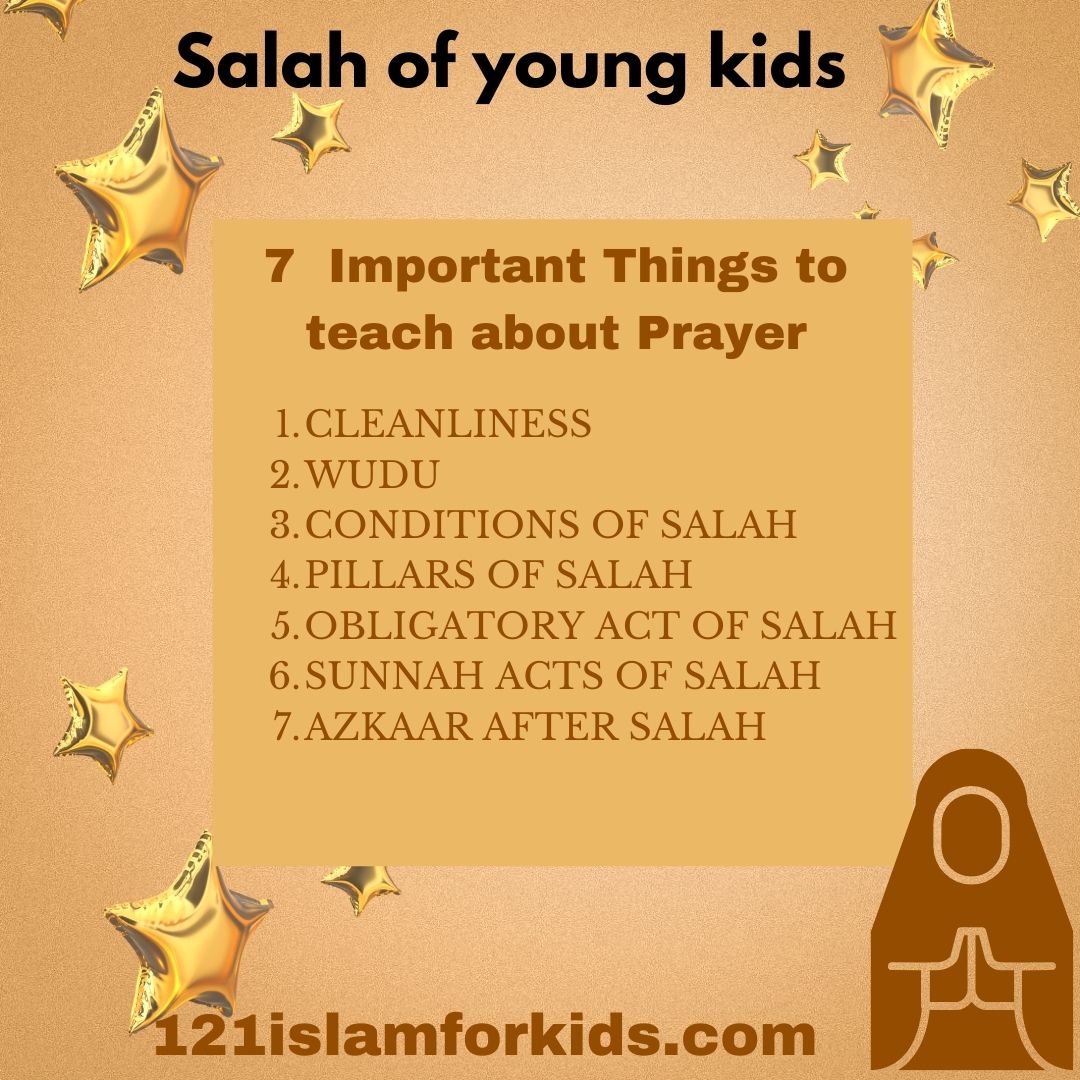
    Prayer for kids courses is short courses to teach about that, Gusal, wudu, times of prayers, number and names of prayers, pillars and conditions of prayer, and method of prayer. Search as Prayer for kids course on the search bar.
    Kindness to Parents
    Ramzan Boost course
    Faith boost course in December to say NO MARYY CHRISTMAS

    Enrolments Available

    Tafseer for kids’ group classes is available online for all time zones. Recommended age for the class Tafseer for kids is 9+. These classes are available in English and Urdu. If you want to enroll your child in our classes contact us via.
    email: bhallitaha@gmail.com

    Facebook.

    Youtube Urdu Channel

    Youtube English Channel

    or leave a comment.

  • Story 20Urdu| What is the best Virtue in Islam?

    Story 20Urdu| What is the best Virtue in Islam?

    Welcome to Our Hadith Classes Online. You are going to Start a free short course for your child. After this course, your children would have their own mini -Kitab -UL-Hadess (For a Description of this Free online course scroll down)

    Here is the “First Hadees and story of Our hadith with stories course for kids.

    The virtues of A blind Sahabi Abdullah Bin Umm Maktoum R.A Story and Hadith on Virtues.

    عبداللہ ابن ام مکتوم کی کہانی اور حدیث نیکی کیا ہے؟

    السلام علیکم پیارے بچو! پیارے بچو کیسے ہیں آپ سب؟ امید ہے کہ اللہ ہاک کے فضل سے آپ سب ٹھیک ہوں گے اور سیرتِ نبوی صلی اللہ علیہ و آلہ و سلم پر ۔ عمل کرنے کی پوری کوشش کر رہے ہوں گے. ہماری آج کی حدیث اور اس سے متعلقہ کہانی بڑی دلچسپ ہے-آئیے شروع کرتے ہیں-آج کی حدیث کا موژضوع ہے نیکی ۔-حدیث ہے کہ۔۔۔۔. 

    “کسی بھی نیکی کو حقیر مت جانو”

    Hadith Classes Online

    یہ حدیث اس بات کی وضاحت کرتی ہے کہ ہر نیکی کا ایک اپنا مقام ہے. ہمیں چھوٹی نیکیوں کو چھوڑ کر بڑی نیکی تلاش کرنے میں اپنا وقت ضائع نہیں کرنا چاہیے. میں جانتی ہوں تمام بچے اچھے کام کرنا چاہتے ہیں. لیکن وہ یہ نہیں جانتے کہ کب اور کیسے انہیں اس پہ بڑا ثواب مل سکتا ہے. کیا آپ جانتے ہیں کہ ہمارے پیارے نبی کریم صلی اللہ علیہ و آلہ و سلم نے فرمایا

    “اگر تم راستے سے کوئی رکاوٹ ہٹا دو تاکہ کسی کو اس سے تکلیف نہ پہنچے، یا اپنے والدین کو دیکھ کر مسکراؤ تاکہ وہ خوش ہوں تو یہ بھی نیکی ہے “

    Hadith Classes Online

    آج میں آپ کو ایک بڑے نیک صحابی عبداللہ ابن مخدوم کی کہانی سناؤں گی، وہ ایک بڑے عمدہ اور بہترین صحابی تھے. وہ نابینا تھے مگر نیکی کے کاموں کے بڑے شوقین تھے. انہیں علم حاصل کرنے کا بھی بہت شوق تھا

    ایک مرتبہ آپ صلی اللہ علیہ و آلہ و سلم غیر مسلموں کو دین اسلام کی تبلیغ کرنے میں مشغول تھے، محفل میں بہت بڑے بڑے رتبے والے سردار موجود تھے، عین اسی وقت عبداللہ ابن مخدوم تشریف لائے اور آپ صلی اللہ علیہ و آلہ و سلم سے کوئی سوال پوچھا. 

    آپ صلی اللہ علیہ و آلہ و سلم بات کرنے میں مصروف تھے لہٰذا انہوں نے توجہ نہ فرمائی اور اپنا رخ غیر مسلموں سرداروں کی جانب موڑ لیا. 

    اللہ پاک بہترین جاننے والا ہے. کہ کون علم جاننے کا بہترین شوق رکھتا ہے اور کون محفل میں بری نیت سے بیٹھا ہے.  

    اللہ پاک نے آپ صلی اللہ علیہ و آلہ و سلم کا صحابی کو نظر انداز کرنا ناپسند کیا. اور ابن مخدوم سے اپنی محبت کے اظہار کے لیے ایک سورہ “عبس” نازل کی. 

    اس کے بعد آپ صلی اللہ علیہ و آلہ و سلم حضرت عبداللہ سے اور بھی زیادہ محبت کرنے لگے. کیونکہ اب وہ جان گئے تھے کہ اللہ تعالیٰ عبداللہ سے محبت کرتے ہیں. اور صحابہ میں ان کا درجہ بڑا بلند ہے. 

    پیارے بچو، اس کے بعد غزوہ بدر کا موقع تھا، اللہ پاک نے بتایا کہ جو اس جنگ کے لیے جائے گا اسے زیادہ اجر ملے گا اس شخص کی نسبت جو گھر بیٹھا رہا.  عبداللہ نے خواہش کی کہ کاش وہ بھی جا سکیں، لیکن انہیں اجازت نہ ملی کیونکہ وہ نابینا تھے. اب پھر اللہ نے آیات نازل فرمائیں کہ بچے، عورتیں اور معذوروں کو جنگ کے لیے مجبور نہ کیا جائے گا. لیکن عبداللہ اصرار کرتے رہے

    نبی کریم صل اللہ علیہ و آلہ و سلم نے ان سے پوچھا کہ عبداللہ تم وہاں کیا کرو گے؟ تم دشمن کو دیکھ نہیں سکتے اس لیے تم لڑائی نہیں کر سکو گے-وہ کہنے لگے کہ میں اسلام کا پرچم اٹھاؤں گا اور اسے گرنے نہیں دوں گا یہاں تک کہ وفات پا جاؤں 

    آپ صلی اللہ علیہ و آلہ و سلم مسکرائے- مگر اجازت نہ دی. عبداللہ بہت افسردہ ہوئے

    لیکن ایک دوسری جنگ، جنگ قادسیہ میں انہیں یہ موقع مل گیا. وہ بہت خوش ہوئے. وہ جنگ کے لیے تیار ہوئے، وہ جھنڈا تھامے ہوئے تھے جب انہیں شہید کر دیا گیا

    پیارے بچو، آپ دیکھ سکتے ہیں کہ وہ نابینا تھے لیکن انہوں نے اپنی کمزوری کو اپنی نیکی کے راستے میں نہیں آنے دیا. وہ مسلسل نیکی کرنے کی کوشش کرتے رہے، اللہ پاک ان سے بہت خوش ہوئے. 

    ان شاء اللہ ہم بھی ان کی طرح نیکیاں اکٹھی کرنے کی کوشش جاری رکھیں گے

    ہم مسکرائیں گے، خوش رہیں گے، اپنی چیزیں دوسروں کے ساتھ بانٹ کر استعمال کریں گے، علم سیکھیں گے، اور جنت حاصل کرنے کے لیے بہت ساری نیکیاں کریں گے. 

    اب اس حدیث کو لکھیں اور اپنے بزرگوں اور دوستوں کے ساتھ شئیر کریں. 

    اور اپنی کسی نیکی کے متعلق وڈیو بنا کر بھیجنا نہ بھولیں. 

    والسلام!

    Video of this story

    Worksheet for This Hadith

    Hadith Classes Online

    This story in English


    Read More Stories with hadith in English

    Read more Stories with Hadith in Urdu

    Enrolments Available

    This is a short course of hadith and stories from My 30 short hadith with stories course. My hadith course is very much liked and appreciated by parents and students. Online group classes are available online for all time zones. Recommended age for the class Hadith for kids is 7+. These classes are available in English and Urdu. If you want to enroll your child in our classes contact us via.

    Other courses we have

    • Easy Tafseer for kids with exciting stories you can see that course in my hadith course tab.
    • Prayer for kids course is a short course to teach about taharat, Gusal, wudu, times of prayers, number and names of prayers, pillars and conditions of prayer, and method of prayer. Search as Prayer for kids course on the search bar.
    • Ramzan boost course we do start 2 weeks before Ramzan.
    • Faith boos course In December to say No To Marry Christmas.
    • Kindness to Parents

    If you want to start this course with me then leave a comment, Email me or enroll your child here.

    Download your free copy of 30 short Hadith book pdfs in Urdu/Eng from the Posts tab.

    Worksheet for this Hadith and story. (Buy This worksheet book here)