Tag: charity in islam

  • Best method to give charity in Islam? A complete Guide.

    It’s obligatory to give charity in Islam. But do you know what the is difference between Charity Sadqa Zakat? And what are the rules for giving charity? Here a a complete guide to giving charity in Islam.

    Introduction to give charity in Islam:
    give charity in islam

    Charity, known as “Sadaqah” in Islam, is a cornerstone of the faith, reflecting its core values of compassion, social justice, and community support. Giving charity holds profound meanings, is supported by numerous Quranic verses and Hadiths, and is guided by specific rules and principles. This article delves into the virtues and significance of charity in Islam, elucidating its meanings, exploring relevant Quranic verses and Hadiths, quoting renowned Islamic scholars, and providing a comprehensive understanding of the rules governing this noble act.

    I. The Meanings of Charity in Islam

    A. A Selfless Act of Giving

    Charity in Islam signifies a selfless act of giving to those in need without expecting anything in return. It embodies the spirit of benevolence and empathy toward others, promoting a sense of community and social welfare.

    B. A Means of Spiritual Growth

    Charity is a path to spiritual growth and closeness to Allah (God). By giving generously, Muslims alleviate the suffering of the less fortunate and purify their souls, seeking blessings and forgiveness.

    II. Quranic Verses on Charity

    The Quran contains numerous verses that emphasize the importance and virtues of giving charity:

    A. Surah Al-Baqarah (Chapter 2), Verse 267: “O you who have believed, spend from the good things which you have earned.”

    This verse calls upon believers to share their earnings for the greater good, stressing the significance of giving from what is earned honestly and ethically.

    B. Surah Al-Baqarah (Chapter 2), Verse 261: “The example of those who spend their wealth in the way of Allah is like that of a grain that sprouts seven ears, and in every ear, there are a hundred grains. Thus Allah multiplies the action of whomever He wills.”

    This verse illustrates the abundant rewards and blessings that charity brings, highlighting the exponential growth of virtuous deeds.

    III. Hadiths to give Charity in Islam

    The Hadith, comprising the sayings and actions of the Prophet Muhammad, further emphasizes the importance of charity:

    A. “Charity does not decrease wealth.” This Hadith conveys the notion that giving charity does not diminish one’s wealth. On the contrary, it brings spiritual and material rewards.

    B. “The believers in their mutual kindness, compassion, and sympathy are like one body.” This Hadith illustrates the interconnectedness of believers, emphasizing that their collective compassion is akin to a unified body.

    IV. Islamic Scholar Quotes on Charity

    Renowned Islamic scholars throughout history have expounded on the significance of charity:

    A. Imam Al-Ghazali: “Charity is a sign of faith, and whoever is not charitable has no faith.”

    Imam Al-Ghazali underscores that charity is a fundamental expression of faith, serving as an indicator of one’s belief.

    B. Ibn Qayyim Al-Jawziyya: “Charity given in secret extinguishes the wrath of the Lord.”

    Ibn Qayyim Al-Jawziyya elucidates that giving charity privately not only aids those in need but also pleases Allah, quelling divine displeasure.

    V. Rules of Giving Charity

    Rules of Giving Zakat in Islam

    Zakat is one of the Five Pillars of Islam and is a mandatory form of almsgiving. It is an act of worship and a means of wealth purification for Muslims. The rules of giving Zakat in Islam include:

    1. Nisab Threshold: Zakat is obligatory for Muslims who possess wealth and assets beyond a specific threshold known as Nisab. The Nisab amount is determined based on the current value of silver or gold and may vary over time.
    2. Eligible Recipients: Zakat must be given to specific categories of recipients, including the poor, the needy, those in debt, travelers in need, and others as defined in Islamic jurisprudence.
    3. Calculation: Zakat is typically calculated as a specific percentage (usually 2.5%) of one’s eligible assets, which can include savings, investments, and certain types of income. The calculation is based on the assets held for one lunar year.
    4. Intention and Sincerity: Giving Zakat should be done with the intention of fulfilling this religious obligation and seeking Allah’s pleasure. Sincerity is paramount.
    5. Distribution: Zakat should be distributed directly to the eligible recipients or through reliable charitable organizations. It should not be used for administrative or overhead expenses.
    6. Timing: Zakat can be given at any time during the year, but many Muslims choose to give it during the holy month of Ramadan.

    Rules of Giving Charity (Sadaqah) in Islam

    Charity, known as Sadaqah in Islam, is a voluntary act of giving to those in need and holds distinct rules from Zakat. These rules include:

    1. Voluntary Nature: Sadaqah is entirely voluntary, and there are no specific thresholds or requirements for giving. It can be done at any time and in any amount.
    2. Broad Eligibility: Sadaqah can be given to a wide range of recipients, including family, friends, neighbors, or any person in need. There are no strict criteria for eligibility.
    3. Intention and Sincerity: Just like Zakat, giving Sadaqah should be done with a sincere intention and solely for the sake of Allah, seeking His pleasure.
    4. Diversity of Forms: Sadaqah can take various forms, including financial donations, acts of kindness, volunteering, providing food, or assisting those in need through virtuous means.
    5. Anonymity: It is highly commendable to give Sadaqah privately, without revealing the identity of the giver. Anonymity ensures the utmost sincerity and humility.
    6. Regular Giving: Sadaqah can be given regularly and consistently, not limited to specific occasions or times of the year.

    Both Zakat and Sadaqah play crucial roles in fulfilling the social and spiritual obligations of Muslims, and they complement each other in addressing the needs of the less fortunate while purifying the wealth of those who give. While Zakat is a mandatory form of almsgiving, Sadaqah offers greater flexibility and serves as a voluntary act of kindness and compassion.
    You also like this about Charity

    Story with Hadith17| What is Best Charity in Islam|Abu Talha’sR.A great charity

    Hadith No 28 | What Is Best Charity In Islam? Great doner Usam R.A

  • Story 17|Talha R.S and his guest with Beautiful hadith about Charity

    Story 17|Talha R.S and his guest with Beautiful hadith about Charity

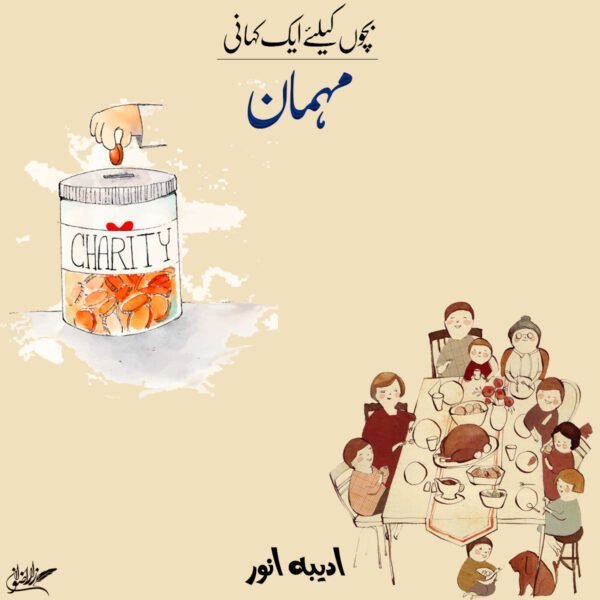
    Aik hadees aik kahani no 17. charity in islam Abu Talha aor un k mehmaan ka waqiya.

    Welcome to our Hadith with stories short course for kids and adults. This course has been designed for personality development.

    We have 30 short hadees with the best stories to understand the meaning of the hadees and to learn how we can apply the sunnah of Prophet Muhammad S.AW in our daily life.

    All hadiths and stories in English and Urdu are available on our site. You can visit the menu to search for stories with series.

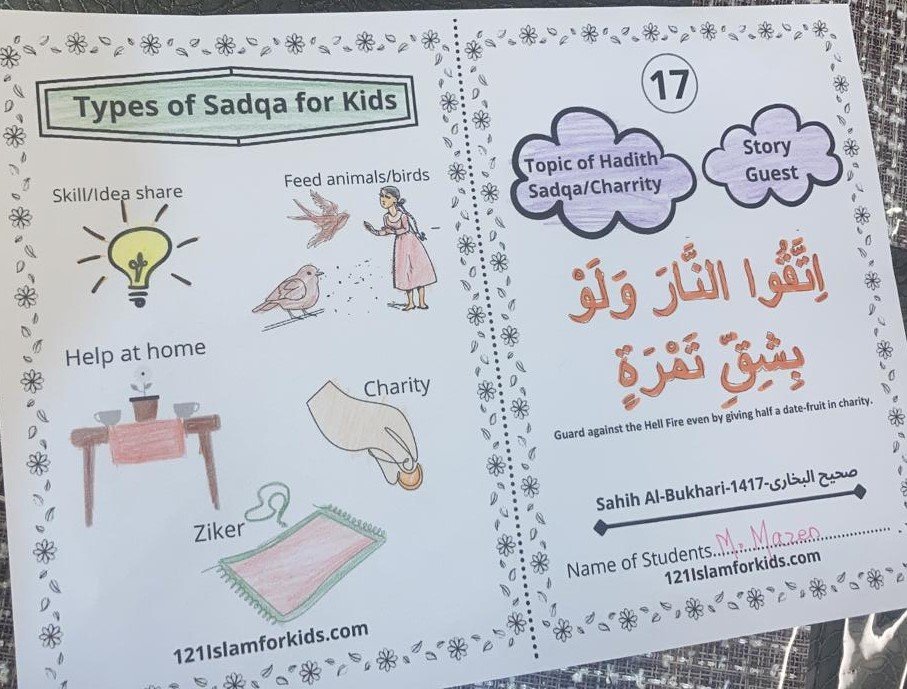
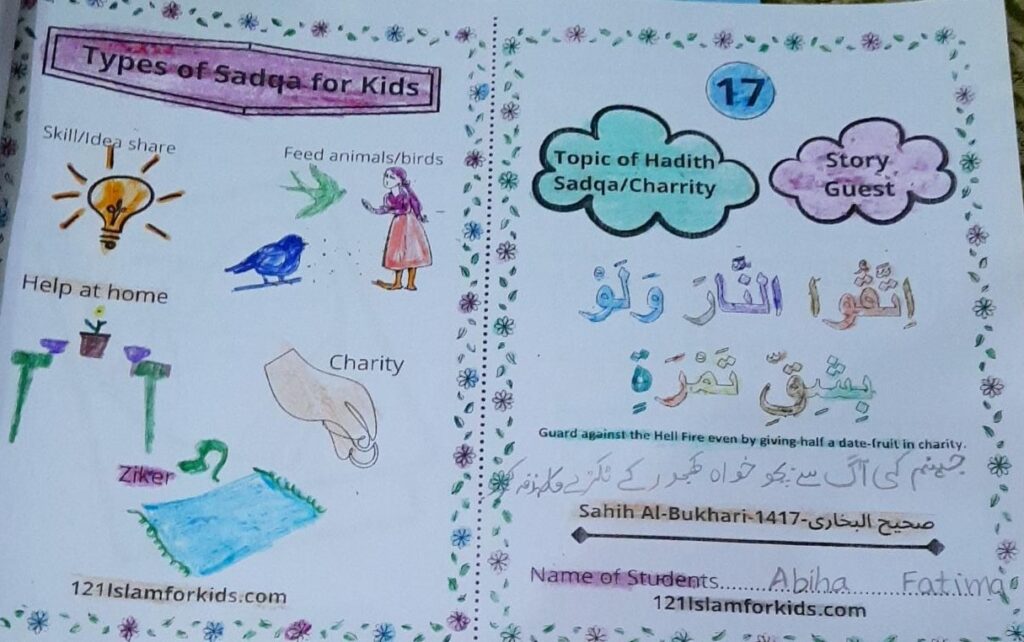
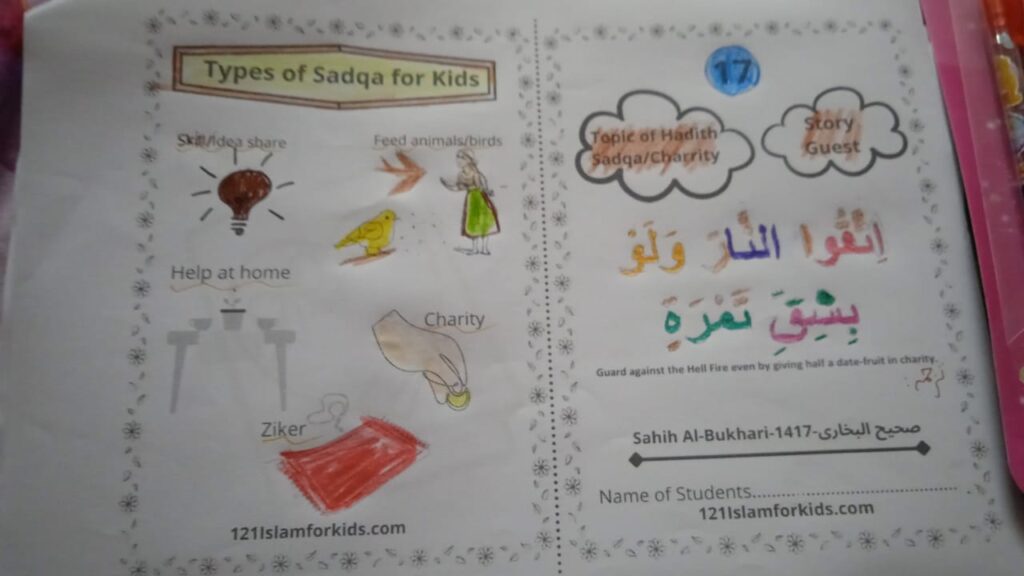
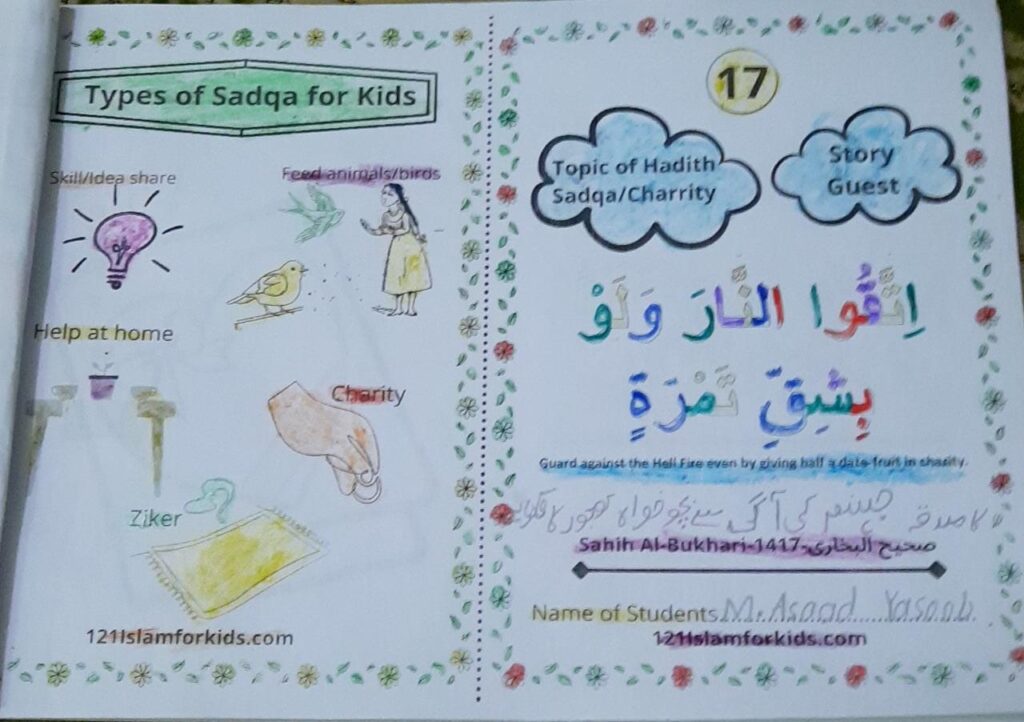
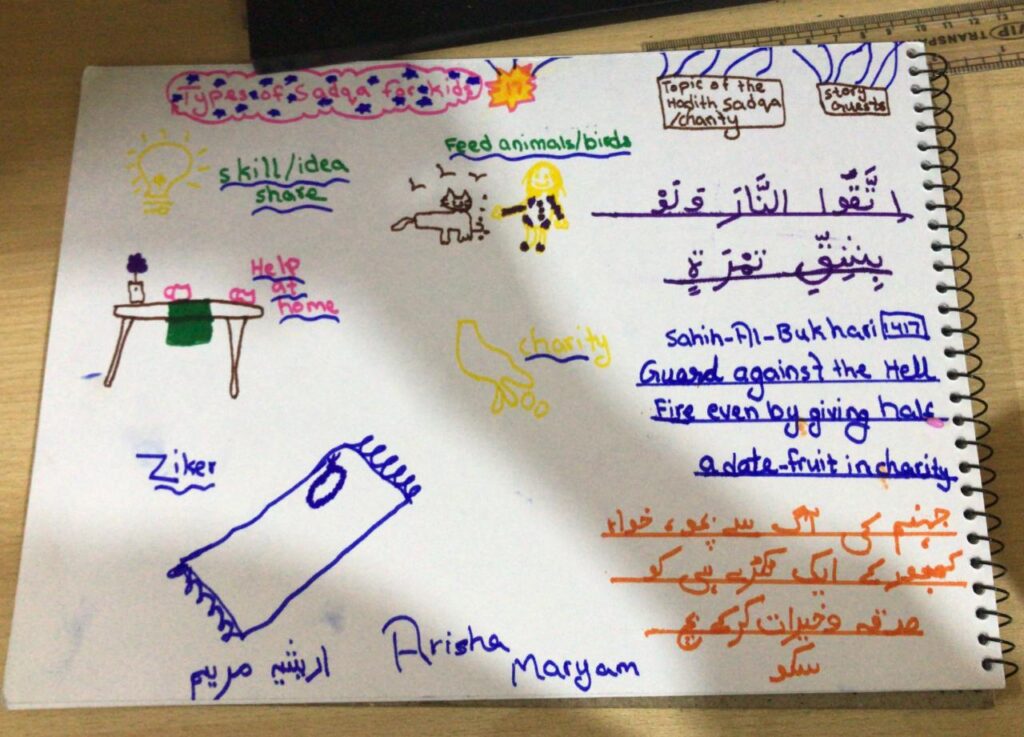
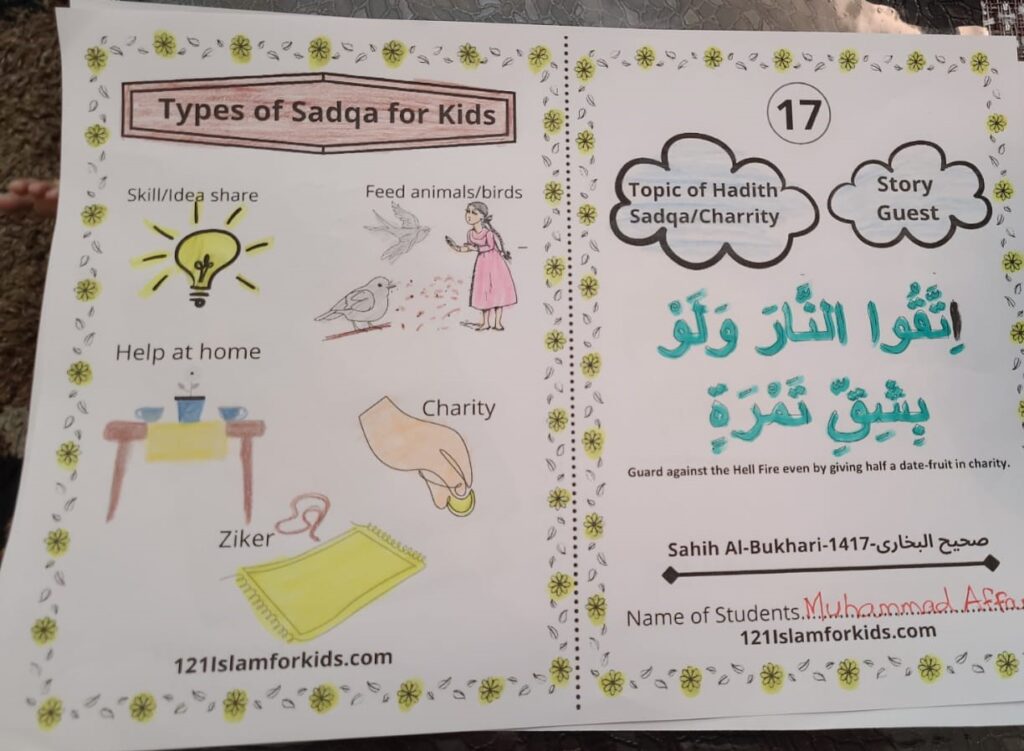
    Topic of Hadees sadqa Al-Bukhari 1417

    Story Abu Talha R.A

    Hadees charity in Islam-حدیث

    charity in islam

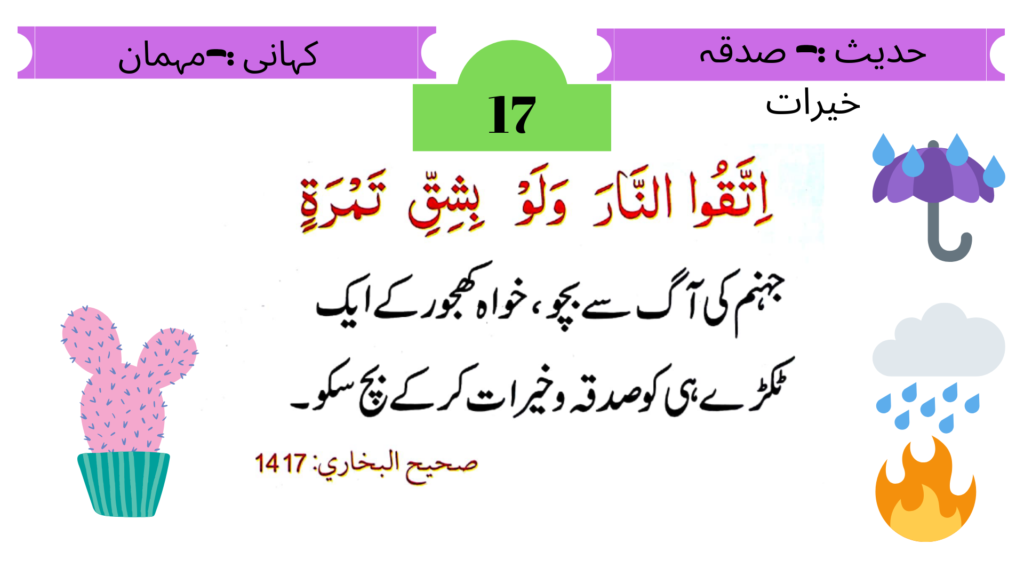
    ماری آج کی حدیث صدقہ کی اہمیت کے بارے میں ہے.صدقہ کا موضوع قرآن اور حدیث میں متعدد بار آیا ہے

    صدقہ ہماری نیکیوں میں اضافہ کرتا ہے اور گناہوں کو مٹاتا ہے-اس حدیث میں بھی  یہی بتایا جا رہا ہے کہ چھوٹے  سے چھوٹا صدقہ بھی ہماری لیے جہنم کی آگ سے بچاؤ کا ذریعہ بن سکتا ہے

    آج کی حدیث کے ساتھ جو کہانی پیش کی جا رہی ہے وہ  بھی اسی موضوع پر ہے

    قابل عمل بات یہ ہے کہ صرف کہانی سنا دینا اور حدیث یاد کر لینا ہے مقصد نہیں بلکہ عملی زندگی میں بچوں کو زیادہ سے زیادہ صدقہ کرنے کی عادت ڈالیں

    بچوں کے ہاتھ سے رقم دلوانے کی بجایے کھانا تقسیم کروائیں، ان کے پسندیدہ کھلونوں میں سے کچھ کھلونے دوسروں کو دینے کی ترغیب دیں . اور اس کے علاوه  بچوں کو اپنی چیزیں دوسروں کے ساتھ مل کر استعمال کرنے کی عادت ڈالیں

    مثلا اپنا لنچ دوستوں کے ساتھ مل کر کھانا اور بہن بھائیوں کے ساتھ مل کر کھیلیں. وغیرہ

    یاد رکھیں ھمارے بچے ہماری جنت بھی ہیں اور جہنم  بھی- ہمیں ان کی تربیت کو معاشرے کے ہاتھوں میں نہیں دینا  

    charity in islam

    صدقہ

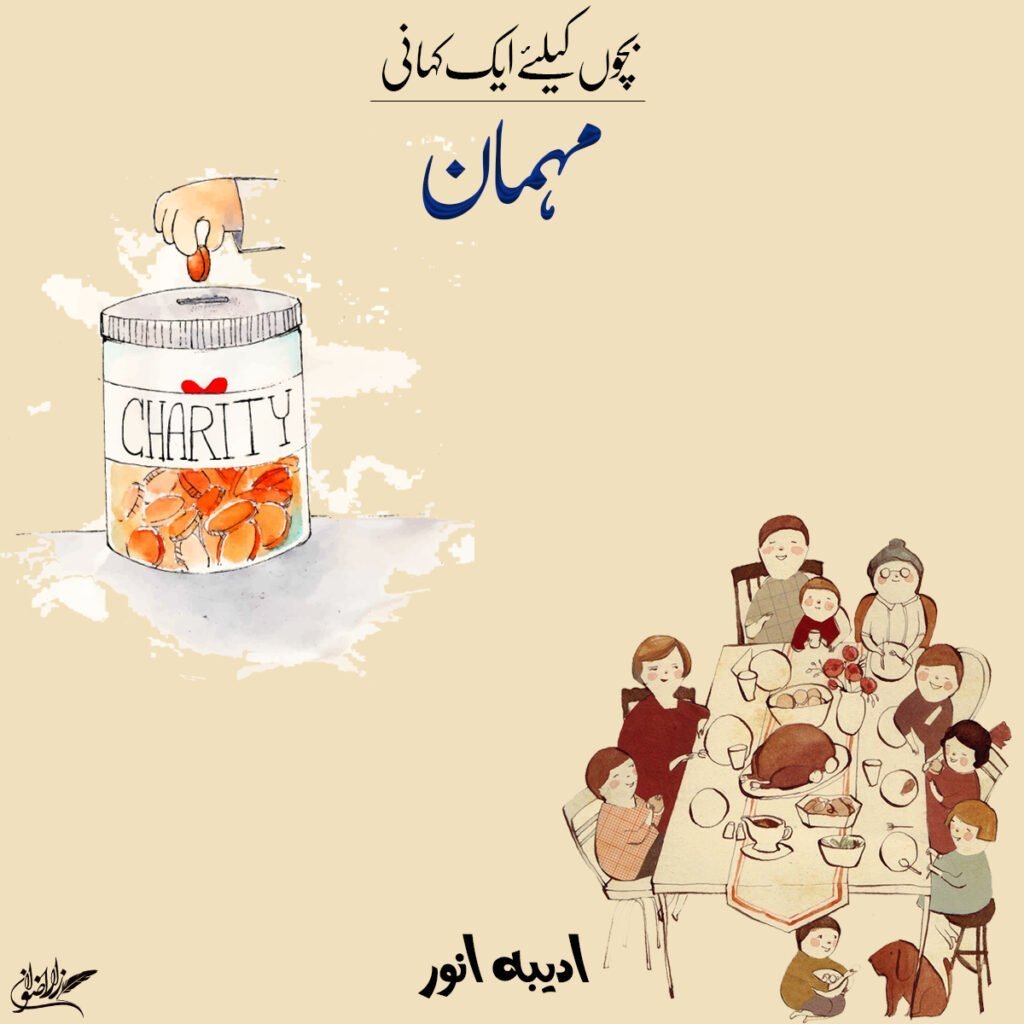
    Story about hadees – حضرت ابو طلحہ  کا واقعہ

    یہ ایک بہت اہم موضوع ہے اور اس کا ذکر قرآن کی بہت سی آیات اور احادیث میں کئی بار ہوا ہے۔ اس حدیث نے ہمیں صدقہ کرنے کے لئے بتایا تاکہ ہم جہنم کی آگ سے محفوظ رہ سکیں۔ روزمرہ زندگی میں ہم جانتے بوجھتے یا نادانستہ بہت سی غلطیوں اور گنا ہوں کا ارتکاب کر تے ہیں ۔ اور ہمارا صدقہ ہماری ان  غلطیوں  اور گنا ہوں  کو دھو   ڈالتا  ھے- خیرات کو صدقہ بھی کہا جاتا ہے۔

    میرے پیارے بچوں ہمیں معلوم ہونا چاہئے کہ بہترین خیرات کیا ہے۔ اللہ کے نبی صلی اللہ علیہ وسلم  نے اس معاملے میں ہماری رہنمائی کی تاکہ ہم بہت کم چیزیں دے  کر   بھی صدقہ ادا کر سکیں-ایک اورحدیث میں ہے کہ آپ صلی اللہ علیہ وسلم نے فرمایا کہ فٹ پاتھ سے کانٹا  چننا بھی صدقہ ہے. لہذا اگر ہمارے پاس کچھ نہیں ہے تو ہمیں   ڈرنا نہیں چاہیے – 

    دوسروں کو مسکرا  کر  دیکھنا بھی صدقہ ہے اوراس  کا بہت اجرہے۔ ذاتی چیزوں کو دوسروں کے ساتھ شیئر کرنا ایک مشکل کام ہے لیکن اگر آپ مشق کریں اور اپنی لالچ اور خود غرضی پر قابو پا لیں تو آپ اللہ کی رضا کے لئے کسی بھی وقت کچھ بھی عطیہ کر سکتے ہیں۔

    ایک مرتبہ ہمارے نبی نے فرمایا’ سب سے بہتر صدقہ کھانا کھلا نا  ہے. لہٰذا ہمیں اپنے دوپہر کے کھانے کا ڈبہ اور روزانہ کھانے کی چیزیں بھی شیئر کرنی چاہیے اور اگر کبھی   شیطان کسی وقت آپ کو غلط راہ دکھانے اور آپ کا لالچ بڑھانے کی کوشش کرے تو حضرت محمد صلی اللہ علیہ و آلہ وسلم کے ایک صحابہ حضرت ابو طلحہ  کا واقعہ یاد رکھیں۔ وہ بہت نیک انسان تھے ۔

    بار رات میں ایک مہمان ان کے گھر گیا – اان کے گھر میں کھانا بہت کم تھا۔ حضرت ابو طلحہ  نے اپنی بیوی سے کہا کہ جب وہ کھانا کھا رہے ہوں تو وہ موم بتی بجھا دیں تاکہ مہمان کو لگے کہ وہ بھی کھا رہے ہیں۔ اس طرح وہ اس رات بھوکے سوگئے ۔ اور اللہ نے اپنے نبی صلی اللہ علیہ وسلم کو وحی کے ذریعے اس واقعہ کے بارے میں بتایا.-

    یہ دو انصاریوں  (مدینہ کے مسلمانوں) ابو طلحہٰ اور ان کی بیوی کی طرف سے ایک مہمان کو پیش کی جانے والی مہمان نوازی اور اخلاقیات کی ایک خوبصورت مثال ہے – 

    ایک مرتبہ ایک بھوکا شخص حضور صلی اللہ علیہ و آلہ وسلم کے پاس گیا ۔ حضور صلی اللہ علیہ و آلہ وسلم نے اپنی بیویوں سے پوچھا کہ کیا ان کے پاس بھوکے مہمان کو کھانا کھلانے کے لیے کچھ ہے؟  ہر ایک نے جواب دیا کہ ان کے پاس پانی کے علاوہ  کچھ نہیں ہے۔ اس کے بعد حضور  صلی اللہ علیہ و آلہ وسلم نے اپنے ساتھی ابو طلحہٰ سے پوچھا

    اور ابو طلحہٰ نے مہمان کو اپنے گھر خوش آمدید کہا۔ جب ابو طلحہٰ  نے اپنی بیوی سے پوچھا کہ کیا ان کے پاس مہمان کے لئے کچھ ہے تو بیوی نے جواب دیا کہ ان کے پاس صرف بچوں کے لئے تھوڑاسا کھانا ہے۔

    ابو طلحہٰ نے اپنی بیوی کو ہدایت کی کہ وہ کھانا لائے، چراغ بجھا  دے اور بچوں کو سلا   دے۔ جب وہ رات کے کھانے پر بیٹھ گئے تو ام سلیمان اٹھ کر چراغ ٹھیک کرنے کا بہانہ کر رہی تھیں- آپ نے  اسے بجھا دیا. مہمان نے اپنا کھانا کھایا تو جوڑے نے بہانہ کیا کہ وہ بھی کھا رہے ہیں۔ تاہم انہوں نے کھانے کو ہاتھ نہیں لگایا تھاکیونکہ یہ کافی نہیں تھا۔

    اگلے دن حضرت محمد صلی اللہ علیہ و آلہ وسلم نے انہیں یہ بڑی خبر دی کہ اللہ نے ان کے بارے میں اور ان کی سخاوت کے   بارے میں ایک آیت نازل کی ہے-

     پیارے بچوں، مجھے امید ہے کہ اب آپ اپنے دوپہر کے کھانے یا اپنے کھلونے اپنے دوستوں اور یہاں تک کہ دوسرے بچوں کے ساتھ بھی شیئر کرنے میں کبھی ہچکچاہٹ محسوس نہیں کریں گے۔

    اللہ تمام مسلمانوں کو جہنم کی   آگ سے دور فرمائے. 

    ایک بار پڑھتے ہیں.

    للَّهُمَّ أَجِرْنِي مِنَ النَّارِ

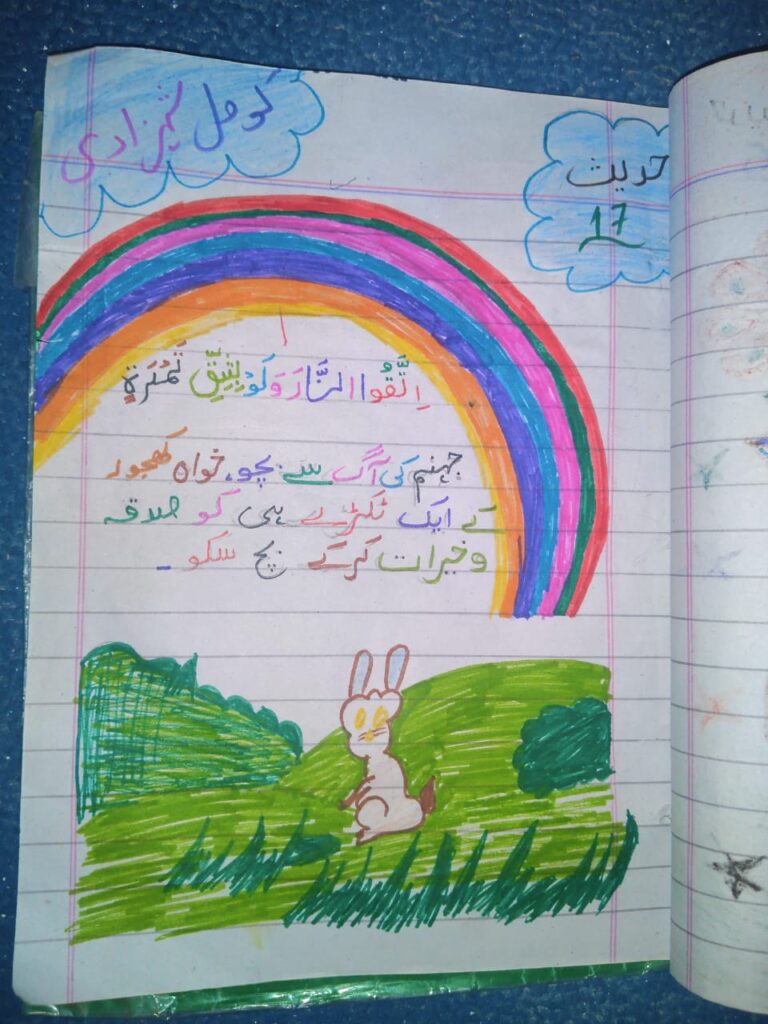
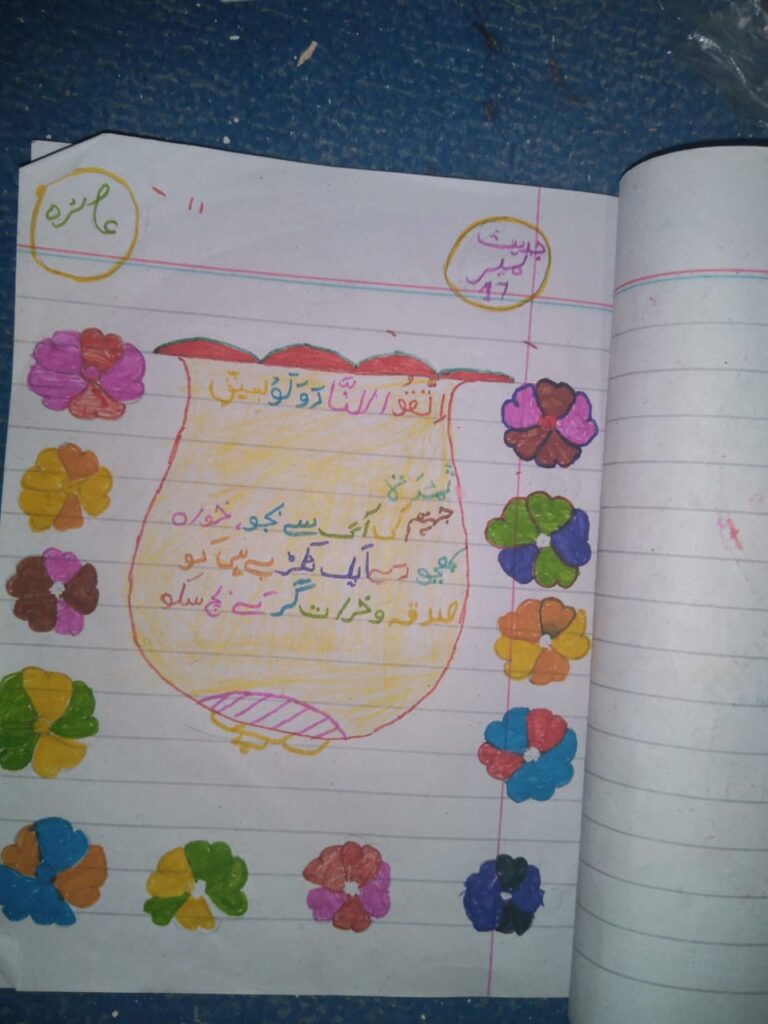
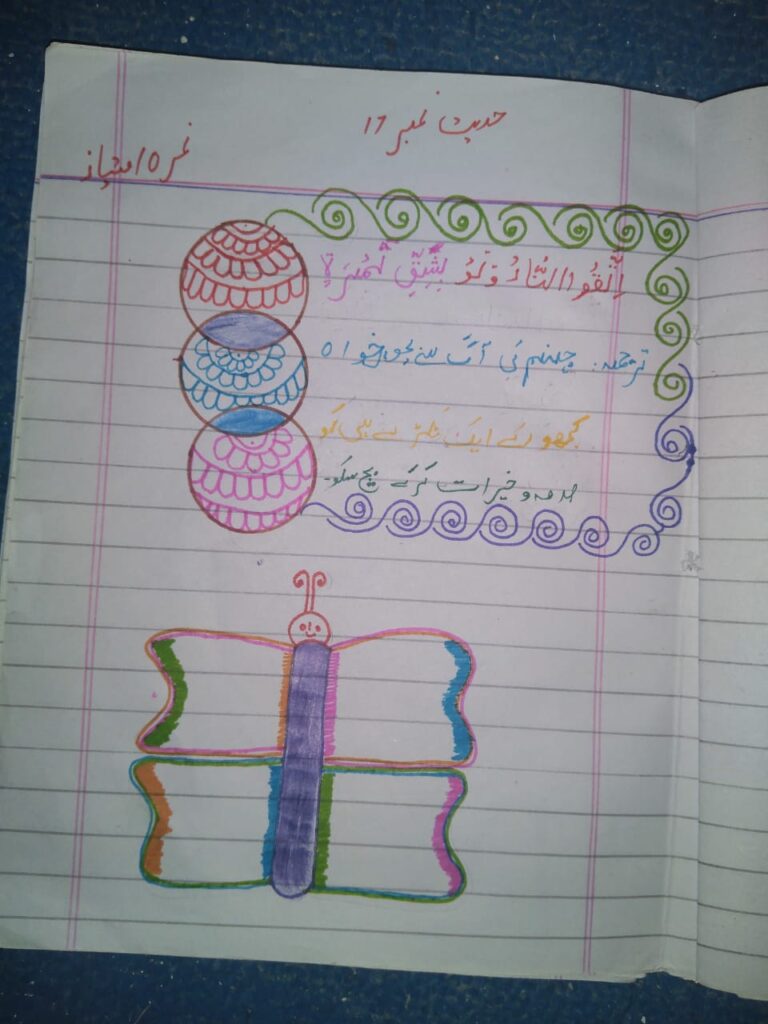
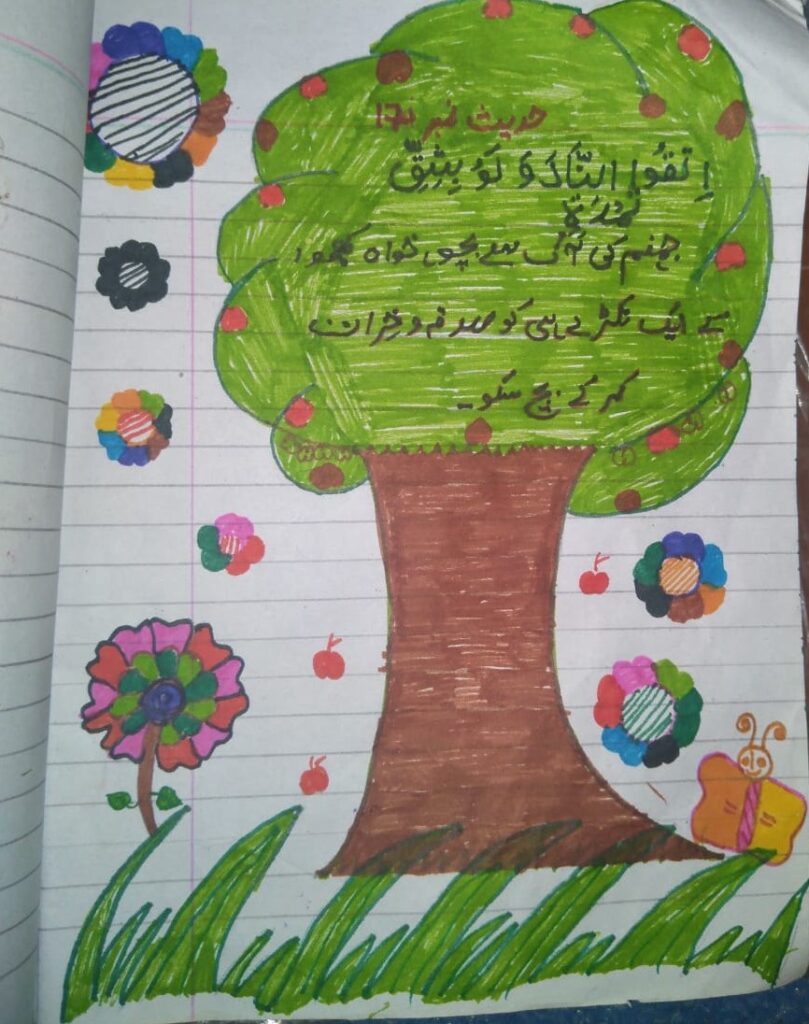
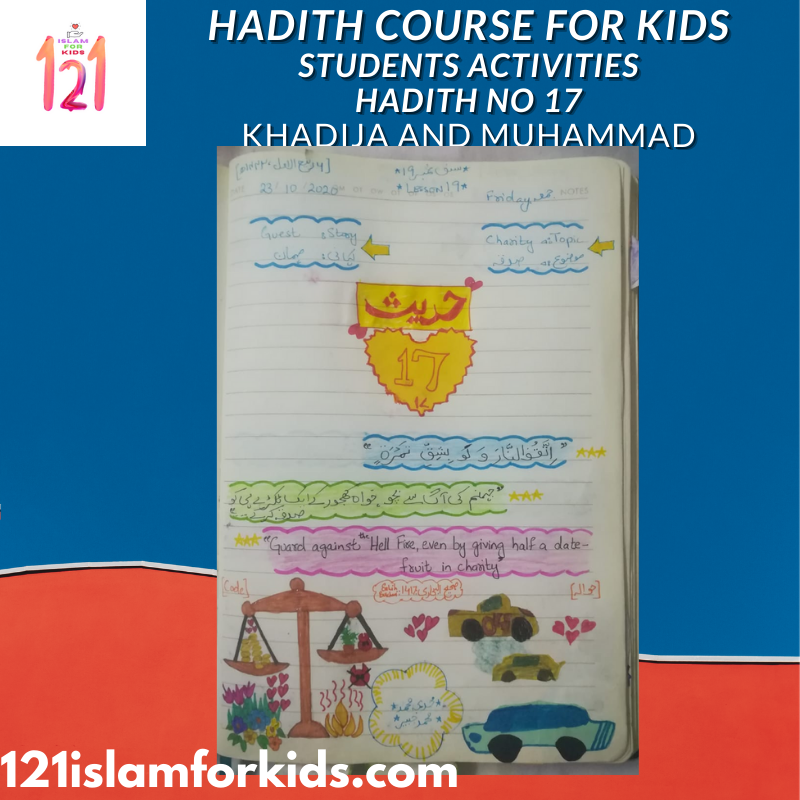
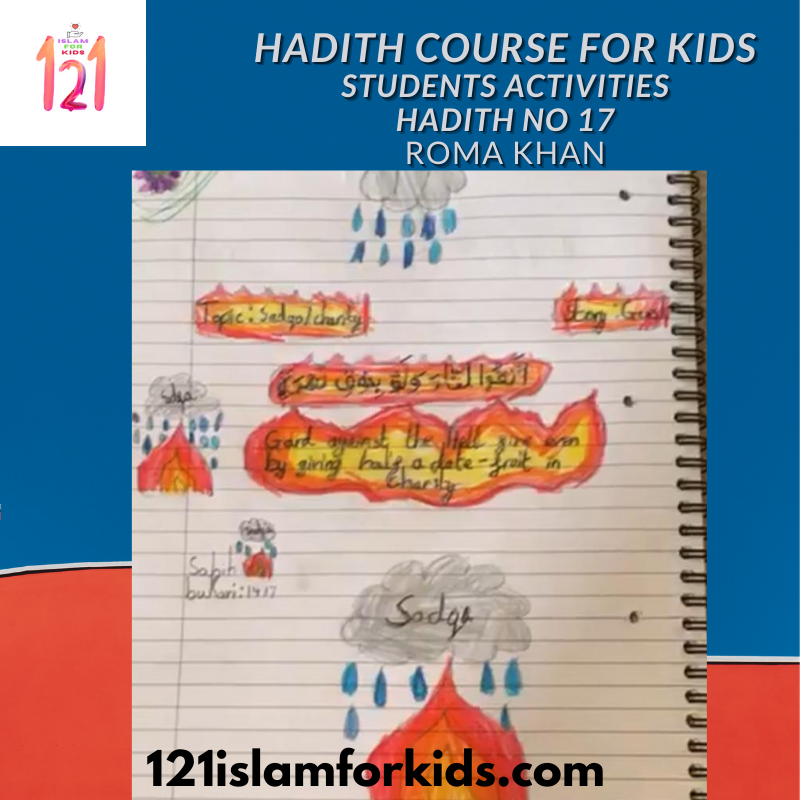
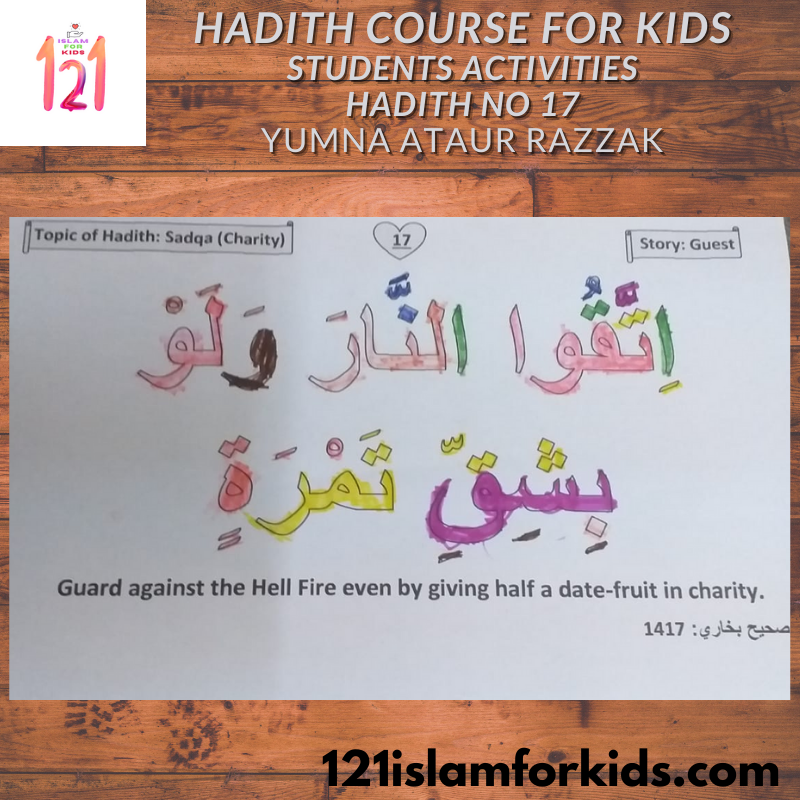
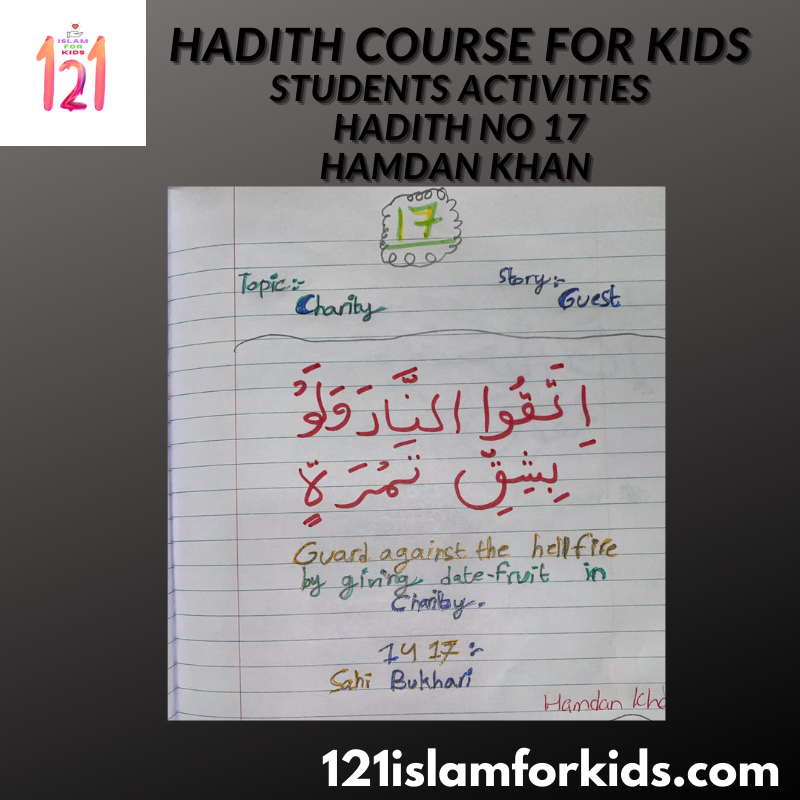
    اب براہ کرم اس حدیث کو اپنی حدیث کی کتاب میں لکھیں اور مجھے تصویر بھیجیں. اس حدیث اور قصوں کو اپنے دادا دادی اور اپنے دوستوں کے ساتھ شیئر کریں۔ 

    Video of the story

    Full hadees course click here

    Download your free copy of 30 short Hadith book pdfs in Urdu/Eng from the here

    Youtube Urdu Channel
    Youtube English Channel

    English stories

    Urdu stories

    Enrolments Available

    Online Urdu Classes are Available for all ages. comment below or Email

    Urdu tutor’s Profile

    We are offering Online Urdu learning classes to students from All time zones. Urdu for beginners, Urdu from Grades 1 to 10, And o Level/A level/GSCE online tuition are available.

    This is a short course of hadith and stories from My 30 short hadith with stories course. Online group classes are available online for all time zones. Recommended age for the class Hadith for kids is 7+. These classes are available in English and Urdu. If you want to enroll your child in our courses contact us via.

    Other courses we have

    • Urdu classes for kids and beginners
    • Urdu Tutions for Matric and 0 levels/A level
    • Online Quran classes and tutors
    • Online Quran memorization/Hfiz program
    • Seerah course for age 9+ in the Month of Rabilawal started
    • Easy Tafseer for kids with exciting stories you can see that course in my hadith course tab.
    • Prayer for kids course is a short course to teach about taharat, Gusal, wudu, times of prayers, number and names of prayers, pillars and conditions, and prayer methods. Search as Prayer for kids course on the search bar.
    • Ramzan boost course we do start 2 weeks before Ramzan.
    • Faith boos course 1st week of December to say No To Marry Christmas.
    • Kindness to Parents

    If you want to start this course with me then leave a comment, Email me or enroll your child here.

    How’s This story and Course? Do you have any suggestions to improve it? Comment below. Which courses you are looking to be designed more?

    Buy this activity book

    https://youtu.be/j4hqo4jxKAU
    charity in islam

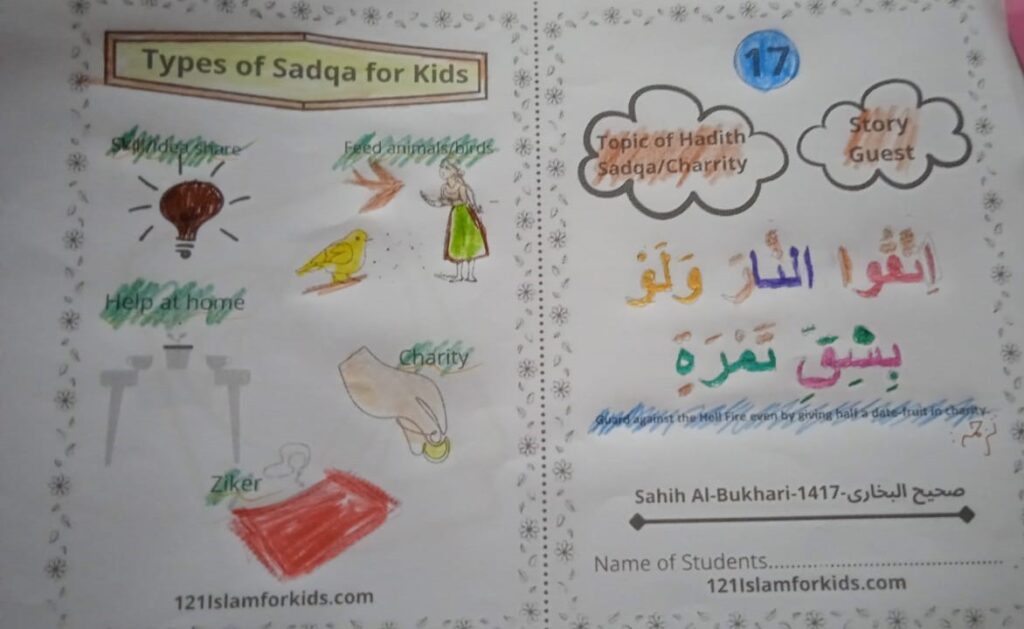
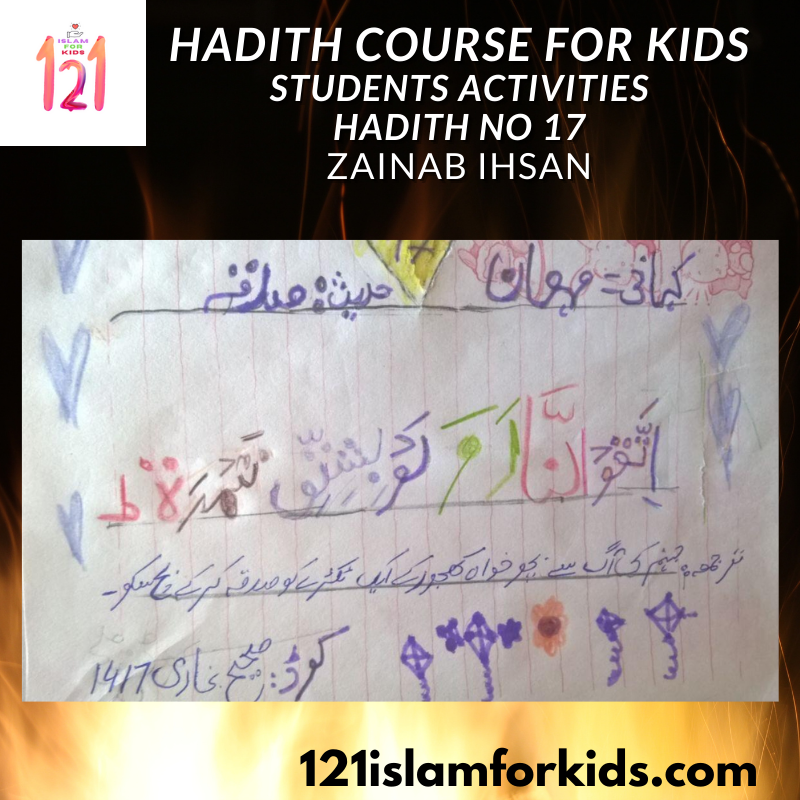
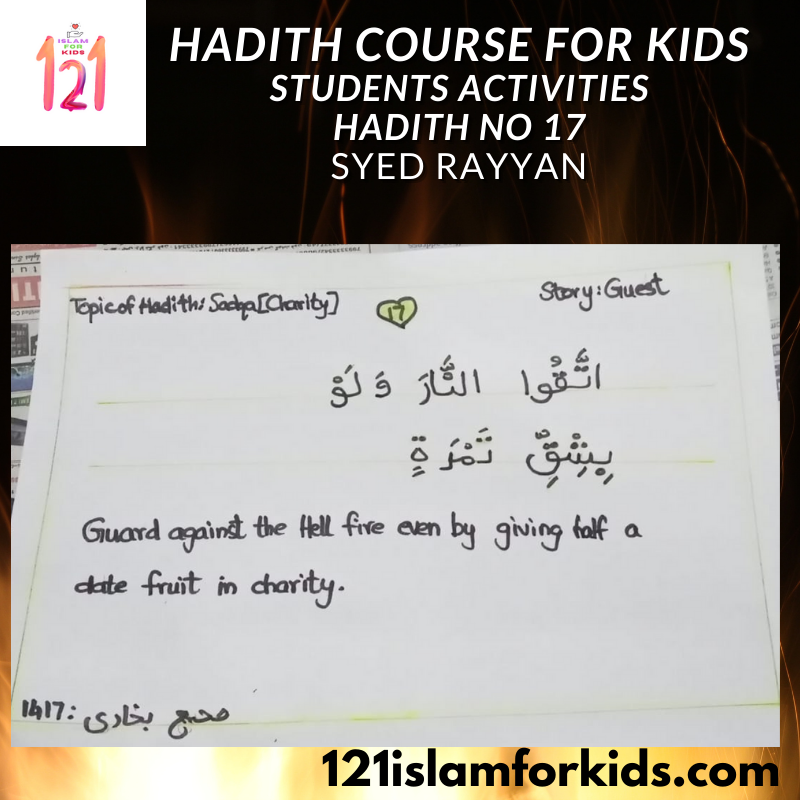
    Students activities