Imagine being the only woman mentioned by name in the entire Quran. Out of all the billions of women in history, Allah chose one—Maryam bint Imran—to be a permanent sign for humanity. Her life wasn’t a fairy tale; it was a journey of massive challenges and social pressure. Because of her loyalty and faith, Maryem A.S as a role modle of teen age girls and women remains the ultimate example of what it means to be truly brave.
A Different Kind of Childhood
It all started before she was even born. Her mother, Hannah, made a beautiful promise to Allah: “I want this child to be devoted only to You”. In those days, only boys were usually dedicated to temple service, but when Maryam was born, Allah accepted her with “goodly acceptance”.
Maryam grew up in a private room called a Mihrab. She wasn’t out chasing trends; she was focused on her connection with her Creator. Her uncle, Prophet Zakariya, would visit her and find her with fresh fruits that weren’t even in season. When he asked where they came from, her answer was simple: “It is from Allah. He provides for whoever He wills”.
The Lesson for You: Maryam didn’t wait until she was “old” to be pious. Her strength started in her teens. She knew that her worth wasn’t defined by people, but by Allah.
The News from the Angel: “Kun” (Be)
As she grew into a young woman, Maryam was known for her Batool nature—she was completely devoted and pure. One day, the Angel Jibril appeared in the form of a man. Her first reflex was modesty: “I seek refuge in Allah from you!”.
It was at this incredible moment that Allah honors her character in the Quran:
{And [the example of] Mary, the daughter of ‘Imraan, who guarded her chastity, so We blew into [her garment] through Our angel [i.e. Gabriel], and she believed in the words of her Lord and His scriptures and was of the devoutly obedient.}
Jibril explained he was a messenger to give her news of a holy son. Maryam was shocked and asked, “How is it possible? I’m unmarried. And I’m a very pure lady. I don’t have any relation with any man…”.
Jibril replied with the ultimate secret of the universe: “This is how… Allah says ‘kun’ (Be) and all things happen”. When Allah decrees something, He doesn’t need a “reason” or a “process.” He just says “Be,” and it is. Maryam trusted Allah’s plan instantly. She said “yes” to a destiny she knew would be almost impossible to explain to others.
Bravery in the Wilderness
When it was time to give birth, Maryam was alone. The pain was so intense and the fear of social judgment was so heavy that she cried out, “I wish I had died before this and was forgotten!”.
If you’ve ever felt overwhelmed, Maryam felt that too. But Allah didn’t leave her. He gave her a stream of water and told her to shake the palm tree for fresh dates. Even in her weakest moment, Allah asked her to take action—to shake the tree.
The Lesson for You: Faith doesn’t mean you never feel pain. It means that when you do, you turn to Allah and keep moving, even if you’re just “shaking the tree” with your last bit of strength.
Facing the “Haters” with a Fast of Silence
The hardest part was going home. Carrying a baby while unmarried was a social death sentence. But Allah gave her a specific order: You will not say anything. He commanded her to tell the people through signs: “Indeed, I have vowed a fast of silence to the Most Merciful, so I will not speak today to any human”.
When she walked into town, the crowds gathered to mock her. She didn’t argue or try to defend herself. She remained silent with dignity and simply pointed to her baby.
Then, the miracle happened. Baby Isa spoke from the cradle: “Indeed, I am the servant of Allah. He has given me the Scripture and made me a prophet… and He has made me kind to my mother”. Allah protected her reputation because she had protected her relationship with Him.
The Perfect Mother: The Honor of “Ibne Maryam”
Maryam raised her son to be a perfect human being—a Prophet who was kind and wise. Their bond was so powerful that in the Quran, Prophet Isa (A.S.) is almost always called “Ibne Maryam” (the Son of Maryam).
In a world that usually names children after their fathers, Allah honored Maryam by linking a great Prophet’s name to hers over 23 times. This shows that a
The Prophet Muhammad (peace be upon him) also confirmed her perfection in these famous Hadiths:
“Many men reached the level of perfection, but no woman reached such a level except Maryam, the daughter of Imraan, and Asia, the wife of Pharaoh.”
“The best of the women of the world are: “Maryam Bint ‘Imraan, Khadeejah Bint Khuwaylid, Faatimah Bint Muhammad, and Asia, the wife of Pharaoh.”
Maryem A.S as a role modle of teen age girls and women shows us that a girl who trusts Allah is stronger than any challenge the world can throw at her.woman’s identity and her role as a mother are deeply respected in Islam.
Conclusion: A Legacy of Faith for Today’s Girls
Maryam (A.S.) isn’t just a figure from ancient history; her entire life story, from her devoted childhood to her unwavering strength as a mother, shines as a beacon for us all. She teaches us that true beauty lies in inner strength, that modesty is empowering, and that loyalty to Allah will always be rewarded, even in the face of the greatest challenges. Her incredible journey, crowned by the miracle of Prophet Isa (A.S.) speaking from the cradle, reminds every girl and woman that with faith, anything is possible.
Want to learn more about the amazing miracles and teachings of Prophet Isa (A.S.) in Islam? Dive deeper with our special “Faith Boosting Course for Children about Isa (A.S.) in Islam” and unlock more incredible stories that will strengthen your child’s belief!
Islamic stories for children are powerful tools for teaching important life lessons. This Islamic story about Surah Humazah demonstrates the dangers of arrogance and pride through the journey of a young boy named Ali. Read on to discover how this Islamic children’s story conveys essential moral values.Once upon a time, in a bustling city, there lived a young boy named Ali. Ali belonged to a wealthy family, known far and wide for their riches. However, despite their wealth, Ali’s family was famous for their arrogance, greed, and tendency to mock others.
Ali grew up surrounded by opulence and luxury. He attended the finest schools, wore the most fashionable clothes, and had every material possession he desired. But along with the luxuries, Ali developed a sense of entitlement and superiority over others.
As Ali grew older, his arrogance and greed only intensified. He would often boast about his family’s wealth, ridiculing those less fortunate than him. He would mock people for their clothes, their homes, and their lifestyles, never once considering the struggles they might be facing.
Despite his parents’ attempts to instill values of kindness and humility in him, Ali remained stubborn and proud. He saw no value in being humble or compassionate when he could flaunt his wealth and belittle others instead.
One day, as Ali was walking through the bustling marketplace, he overheard a group of people talking about a poor family who had lost everything in a fire. Instead of feeling sympathy, Ali sneered at the news, commenting callously about how it served them right for being poor.
However, as fate would have it, tragedy struck Ali’s family soon after. A series of unfortunate events led to the loss of their wealth and status. Overnight, Ali went from living in luxury to facing poverty and hardship.
At first, Ali refused to accept his new reality. He clung to his pride and arrogance, believing that his wealth would somehow return to him. But as days turned into weeks and weeks into months, Ali realized the true value of humility and compassion.
With nothing left to his name, Ali was forced to rely on the kindness of others. He encountered people who showed him compassion and generosity, despite his past behavior. Slowly, Ali began to understand the pain he had caused others with his words and actions.
Determined to change his ways, Ali set out to make amends for his past behavior. He volunteered at local charities, helping those in need with whatever little he had to offer. He apologized to those he had mocked and ridiculed, seeking forgiveness for his past mistakes.
Over time, Ali’s sincerity and humility won the hearts of those around him. He may have lost his wealth, but he gained something far more valuable – the respect and admiration of his peers.
From that day forward, Ali dedicated himself to a life of kindness, compassion, and generosity. He understood that true wealth was not measured in material possessions but in the goodness of one’s heart. And so, Ali’s journey from arrogance to humility served as a powerful lesson for all who knew him, reminding them of the importance of empathy and understanding in a world too often driven by greed and pride.
Enroll in our structured Islamic courses and classes designed specifically for children to learn the Quran, Islamic history, Surahs, Hadith, and moral lessons in an engaging and interactive way.
Subscribe to our YouTube channel for educational videos, animated Islamic stories, Quranic lessons, and engaging content that helps children learn and understand Islamic values and teachings in a fun and memorable way.
Key Lessons from the Surah Humazah Story
This Islamic story for children based on Surah Humazah teaches us several important lessons about humility and character. The main themes include the dangers of materialism, the value of compassion, and the power of personal transformation. By reading children’s Islamic stories like this one, young learners develop a better understanding of Islamic teachings and moral values.
This is the story of Prophet Saleh and Surah Ash Shams. This is a very interesting story crafted for children to explain the surah easiest way. Let’s start our story.
Table of Contents
Surah Ash shams reflection
“The Illuminated Hearts”:
One bright afternoon, Grandma Aisha sat with her grandchildren in the cozy living room. The scent of freshly baked cookies filled the air as the children gathered around, eager for stories from their wise grandmother.
Grandma Aisha: “My little treasures, today I’ll share a tale from Surah Ash-Shams, a chapter filled with wisdom and lessons for our hearts. Allah, the Most Merciful, begins this surah with a series of oaths, each carrying a profound message.”
Lina, the youngest, asked with wide eyes: “Why so many oaths, Grandma?”
Grandma Aisha smiled: “Each oath emphasizes recognizing Allah’s creation. The sun, the moon, the day, the night, the sky, and the earth all bear witness to the perfection of Allah’s design. Just as these creations follow a divine order, we too must understand the order in our lives.”
Ahmed, a spirited boy, said, “But Grandma, what’s the order for us?”
Grandma Aisha: “That’s a wonderful question, Ahmed. The order for us is to keep our souls pure. Allah, in His infinite wisdom, has gifted us with a soul and a conscience. Just like we clean our bodies daily, we must purify our hearts from negativity, greed, and arrogance.”
Layla, the thoughtful one, pondered: “How can we purify our souls, Grandma?”
Grandma Aisha, chuckling: “Well, my dear, just like we clean our rooms, we clean our hearts. Acts of kindness, helping others, and being grateful are like windows to our souls. And when we let the light of goodness in, our hearts become pure and bright.”
Inspired by their grandmother’s words, the children shared stories of their acts of kindness, from helping neighbors to sharing toys.
As the sun dipped below the horizon, Grandma Aisha began weaving the tale of the people of Thamud. She spoke of their remarkable skills, intelligence, and prosperity. However, among them was a wise and compassionate prophet named Saleh.
A Tale of Surah Ash-Shams and the People of Thamud.”
Grandma Aisha: Once upon a time, in a faraway land, there were people known as the Thamud. These were clever and skilled individuals, like their forefathers.
Layla: Forefathers? Who were they?
Grandma Aisha:
The people of Aad, where prophet Hud was sent. So the saved people of Aad were now known as Thamood. They accepted the message of Prophet Hud and were on the right path then. But as time went by, they forgot to be thankful for the wonderful things Allah had given them.
The people of Thamud were bestowed with remarkable skills and unique blessings by Allah. Endowed with exceptional intelligence and craftsmanship, they built grand structures and carved dwellings into the mountains, showcasing their architectural prowess. Their skills in agriculture and irrigation allowed them to cultivate the arid lands, turning barren spaces into flourishing gardens.
Blessed with strength and ingenuity, the people of Thamud thrived in a society marked by prosperity and innovation, enjoying the fruits of their God-given talents. However, these blessings came with a divine expectation of gratitude and righteous conduct, a lesson that echoes through the story of Thamud in the Quran
In this land, Allah sent a special messenger named Prophet Saleh to guide the people back to the right path. He came with a message of goodness and kindness, urging them to be grateful for Allah’s blessings.
Now, Allah decided to test the Thamud with a remarkable miracle—a magical she-camel. This wasn’t just any camel; it had a special schedule for drinking water, and it was a sign of Allah’s incredible power.
Prophet Saleh (PBUH) told the Thamud about the importance of taking care of this unique camel and respecting the signs of Allah. He warned them not to harm the camel or face severe consequences.
But, oh dear! There were some people among the Thamud who didn’t listen. They became proud and rebellious, thinking they knew better than Allah’s messenger. They decided to harm the she-camel, a symbol of goodness.
Qudar, driven by arrogance and defiance, plotted to harm the she-camel. One fateful day, as the she-camel quenched its thirst, Qudar took a bow and arrow, aiming for the defenseless creature. The arrow struck, causing severe harm to the miraculous camel.
Upon this wicked act, a divine punishment was set in motion. The skies darkened, and a thunderous sound echoed through the valley. Allah’s wrath descended upon the people of Thamud in the form of a violent earthquake and a powerful scream from the heavens.
The once-prosperous town of Thamud lay in ruins. The defiant and corrupt were destroyed, while those who followed Prophet Saleh and upheld righteousness were saved. Qudar, the one who harmed the she-camel, faced a fitting punishment as he was seized by the angel of death.
The story of Thamud and Prophet Saleh serves as a powerful reminder of the consequences of arrogance, defiance, and corruption. It emphasizes the importance of gratitude, obedience to divine guidance, and the severe repercussions for those who choose the path of wickedness.
So, dear children, let’s be like the heroes in this story. Be kind, be grateful for the blessings around you, and always listen to the good advice given by those who guide you on the right path. In doing so, you’ll live a magical and happy tale filled with goodness and success.
As Grandma Aisha concluded the story, the room fell silent, the weight of the tale sinking in. The children, now aware of the importance of goodness and humility, carried the lessons of Surah Ash-Shams in their hearts.
More Reads
If you want to get the step-by-step teaching method of Surah ash Shams please visit this link.
If you want to read more stories Please visit this link.
If you want to get videos on these lessons please visit this link.
If you want to get Urdu stories and content please visit this link.
If you want to enroll your child or yourself in our online classes get updates in this link.
Teaching Surah Layl is not just about memorization but understanding and living by its message. Here is a step-by-step study and the Complete Teaching method of Layl Surah. This method of teaching has been created for teachers/homeschooling parents and beginners to deeply study the surah.
This teaching method and resources have been designed for our online Classes for Children and beginners. Details of our online classes are at our site.
Table of Contents
Introduction:
itle: Surah Al-Lail – The Night
In the vast treasure of the Quran, there is a special chapter called Surah Al-Lail, meaning “The Night.” Just like the night holds secrets, this Surah holds valuable lessons that light up our lives.
Surah Al-Lail is like a beautiful bedtime story told by Allah to teach us about the goodness hidden in the darkness of the night. It’s a short chapter but filled with powerful messages that sparkle like stars in the sky.
In this Surah, Allah talks about the balance in our lives, just like how day and night take turns. It tells us that our actions, whether big or small, have consequences, and Allah sees everything, even in the quiet of the night.
Surah Al-Lail also reminds us that the best among us are those who are kind, give to others, and fear Allah, not because someone is watching, but because it comes from the goodness in their hearts.
So, as you listen to the story of Surah Al-Lail, imagine the night sky filled with stars, each twinkling with a lesson for us to learn. It’s a beautiful gift from Allah, just like the night itself.
Let’s dive into the enchanting world of Surah Al-Lail and discover the wisdom it holds for all of us, young and old alike.
Tajweed And Memorization
We Provide Word-by-word Tajweed and verse-by-verse Recitation videos to our children. Children will correct their tajweed and start to memorize Surah Al-Layl. Mmeorisation will be done on a daily basis. Our Tajweed videos are available on our YouTube channel. The link is Downside.
Tajweed Tips
Start with the correct pronunciation and Tajweed rules.
Listen to a skilled reciter to understand the correct melody and pronunciation.
Encourage children to practice reciting the Surah.
Memorization Tips
For those interested in memorizing the Surah, break it down into small segments.
Practice with them regularly, focusing on accuracy and pronunciation.
Offer rewards and incentives to motivate progress.
Verse by Verse word meanings of surah layl in English
(Videos in Playlist)
Verse 1:
وَٱلَّيْلِ إِذَا يَغْشَىٰ ١
By the night when it covers,
وَاللَّيْلِ” (wa al-lail): “By the night”
“إِذَا” (idha): “when” or “as”
“يَغْشَىٰ” (yaghsha): “it envelops” or “it covers”
Verse 2
“وَالنَّهَارِ إِذَا تَجَلَّىٰ”
“And [by] the day when it appears,”
“وَالنَّهَارِ” (wa an-nahar): “And [by] the day”
“إِذَا” (idha): “when” or “as”
“تَجَلَّىٰ” (tajallā): “it appears” or “it becomes bright”
Verse 3
“وَالَّذِي خَلَقَ الذَّكَرَ وَالْأُنثَىٰ”
“And He who created the male and female,”
“وَالَّذِي” (wa allathee): “And He who”
“خَلَقَ” (khalaqa): “created”
“الذَّكَرَ” (adh-dhakara): “the male”
“وَالْأُنثَىٰ” (wal-unthaa): “and the female”
Verse 4
إِنَّ سَعْيَكُمْ لَشَتَّىٰ ٤
Surely the ends you strive for are diverse.
“إِنَّ” (inna): “Indeed”
“سَعْيَكُمْ” (sa’iyakum): “your effort” or “your striving”
“لَشَتَّىٰ” (lashattaa): “varied” or “different”
Verse 5
“فَأَمَّا مَنْ أَعْطَىٰ وَٱتَّقَىٰ”
As for the one who is charitable, mindful ˹of Allah˺,
“فَأَمَّا” (fa-amma): “So as for”
“مَنْ” (man): “who”
“أَعْطَىٰ” (a’taa): “gives” or “gives (in charity)”
“وَٱتَّقَىٰ” (wattaqaa): “and fears (Allah)” or “and has piety”
Verse 6
“وَصَدَّقَ بِٱلْحُسْنَىٰ”
and ˹firmly˺ believes in the finest reward,
“وَصَدَّقَ” (wa sadaq): “and confirmed” or “and affirmed”
“بِٱلْحُسْنَىٰ” (bil-husna): “the best” or “the good”
Verse 7
فَسَنُيَسِّرُهُۥ لِلْيُسْرَىٰ
We will facilitate for them the Way of Ease.
“فَسَنُيَسِّرُهُۥ” (fa-sanu yassiruhu): “So We shall make it easy for him”
“لِلْيُسْرَىٰ” (li-l-yusrā): “toward ease” or “to ease”
Verse 8
“وَأَمَّا مَن بَخِلَ وَٱسْتَغْنَىٰ”
And as for the one who is stingy, indifferent ˹to Allah˺,
“وَأَمَّا” (wa-amma): “But as for”
“مَن بَخِلَ” (man bakhl): “who is miserly” or “withholds”
“وَٱسْتَغْنَىٰ” (wa-istaghna): “and considers himself free from need”
Verse 9
وَكَذَّبَ بِٱلْحُسْنَىٰ
and ˹staunchly˺ denies the finest reward,
“وَكَذَّبَ” (wa-kaththaba): “And denied” or “rejected”
“بِٱلْحُسْنَىٰ” (bil-husna): “the best” or “the good”
Verse 10
فَسَنُيَسِّرُهُۥ لِلْعُسْرَىٰ
We will facilitate for them the path of hardship.
“فَسَنُيَسِّرُهُۥ” (fa-sanu yassiruhu): “So We shall make it easy for him”
“لِلْعُسْرَىٰ” (li-l-‘usrā): “toward hardship” or “to hardship”
Verse 11
وَمَا يُغْنِى عَنْهُ مَالُهُۥٓ إِذَا تَرَدَّىٰٓ
And their wealth will be of no benefit to them when they tumble ˹into Hell˺.
“وَمَا” (wa-maa): “And not”
“يُغْنِى” (yughni): “will his wealth avail” or “will his wealth benefit”
“عَنْهُ” (anhu): “him from it”
“مَالُهُ” (maaluhu): “his wealth”
“إِذَا” (idha): “when”
“تَرَدَّىٰ” (taraddaa): “he falls” or “he tumbles”
Verse 12
إِنَّ عَلَيْنَا لَلْهُدَىٰ
“إِنَّ” (inna): “Indeed”
“عَلَيْنَا” (alayna): “upon Us”
“لَلْهُدَىٰ” (lal-hudaa): “to guide”
Verse 13
وَإِنَّ لَنَا لَلْـَٔاخِرَةَ وَٱلْأُولَىٰ
“وَإِنَّ” (wa-inna): “And indeed”
“لَنَا” (lana): “for Us” or “to Us”
“لَلْآخِرَةَ” (lal-akhirah): “the Hereafter”
“وَٱلْأُولَىٰ” (wal-oola): “and the first”
Verse 14
فَأَنذَرْتُكُمْ نَارًۭا تَلَظَّىٰ
“فَأَنذَرْتُكُمْ” (fa-anthartukum): “So I warn you”
“نَارًا” (naaran): “of a fire”
“تَلَظَّىٰ” (talaththaa): “that flames”
verse 15
لَا يَصْلَىٰهَآ إِلَّا ٱلْأَشْقَى ١٥
“لَا يَصْلَىٰهَا” (laa yaslaahaa): “None will [enter] it”
“إِلَّا” (illa): “except”
“ٱلْأَشْقَى” (al-ashqaa): “the wretched” or “the most miserable”
Verse 16
ٱلَّذِى كَذَّبَ وَتَوَلَّىٰ ١٦
“ٱلَّذِى” (allathee): “The one who”
“كَذَّبَ” (kaththaba): “denied” or “rejected”
“وَتَوَلَّىٰ” (wa-tawallaa): “and turned away”
Verse 17
“وَسَيُجَنَّبُهَا ٱلْأَتْقَى”
“وَسَيُجَنَّبُهَا” (wa-sayujannabuhaa): “But the one who fears”
“ٱلْأَتْقَى” (al-atqa): “the most righteous” or “the one who has taqwa” (piety or mindfulness of God)
This verse talks about how important the night is. Just like a blanket covers you to keep you warm and safe when you sleep, the night covers everything with its darkness. It’s like a protective cover that Allah made for us.
Imagine a big, dark, and peaceful blanket that comes every night. It’s a gift from Allah to help us rest and be safe. The Quran often talks about night and day, and this verse reminds us to appreciate the calm and peacefulness of the night.
So, when you see the nightfall, remember that it’s a beautiful gift from Allah to give us rest and comfort. It’s a time when you can sleep, dream, and be ready for a new day ahead.
Verse 2:
“And [by] the day when it appears,”
This verse talks about the daytime. Just like the night covers everything with its darkness, the daytime is when the sun comes up and brightens everything. It’s like a big, shining smiley face in the sky that makes everything visible.
So, during the day, you can see where you’re going, play with your friends, and learn new things. The Quran talks about day and night to remind us that Allah has created everything with a purpose. The day helps us see and do all the things we need to do, just like the night helps us rest and sleep.
The daytime is a time to be active and do all the things we enjoy, like going to school, playing, and spending time with our families. So, when you see the sun shining in the sky, remember that it’s a wonderful gift from Allah to light up our world and make everything so beautiful.
Verse 3:
“And [by] He who created the male and female,”
This verse talks about how Allah, the One who created everything in the universe, is the same One who created males and females. Just like Allah made the sun, the moon, the stars, the plants, and animals, He also created boys and girls.
When Allah created males and females, He gave them special qualities and differences. Boys and girls have different characteristics and roles, but they are equally important and valued by Allah. He made them this way to complete and complement each other, just like puzzle pieces fit together.
So, this verse reminds us that Allah is the Creator of everything, including us, and He made us with a purpose. Boys and girls are both special and have unique qualities that make the world interesting and beautiful.
Verse 4: “Indeed, your efforts are diverse.”
This verse tells us that people do different things, and they work hard in many different ways. Everyone has their talents, interests, and skills. Some people might be good at art, others at sports, and some at helping others. Allah made us all different, and that’s a good thing because it makes the world colorful and interesting.
So, this verse reminds us that we are all unique, and we should appreciate and respect the diversity of talents and efforts that people put into making the world a better place. Your hard work and what you’re good at are valuable, just like the hard work and talents of others.
Verse 5: “As for he who gives and fears Allah,”
This verse talks about someone very good. They like to share and give to others, like helping people who need it. But what’s even more special is that they also fear Allah. That means they are careful to do what’s right, and they are good people because they want to make Allah happy.
So, this verse reminds us that being kind and generous is wonderful, but it’s even better when we do it while being good and trying to please Allah. When you help others and make Allah happy, it’s like having a big heart full of love and goodness. And that’s a beautiful thing to do.
Verse 6: “And believes in the best [reward],”
This verse talks about someone who believes in getting good rewards from Allah. It’s like when you do something good, like helping others or being kind, and you believe that Allah will reward you with something wonderful in return.
So, this verse reminds us to have faith and trust in Allah’s rewards. When we do good things and believe that Allah will give us something even better, it encourages us to be kind, generous, and good-hearted. It’s like having a special treasure of blessings waiting for us in the future, and that’s something to look forward to!
Verse 7: “We will ease him toward ease.”
This verse tells us that when someone is kind, generous, and believes in Allah’s rewards, Allah makes their life easier. It’s like Allah helps them when things get tough, and their life becomes smoother and more comfortable.
So, this verse reminds us that being good, helping others, and having faith in Allah’s rewards bring happiness and ease into our lives. When we do the right things, Allah looks after us and makes our journey through life a lot more pleasant. It’s like having a friend who always helps you when you need it.
Verse 8: “But as for he who withholds and considers himself free of need,”
This verse talks about someone who doesn’t like to share and thinks they don’t need anyone’s help. They might be selfish and believe they have everything they need on their own.
So, this verse reminds us that being selfish and not helping others can make life difficult. When we think we don’t need anyone and don’t share with those who need our help, it can lead to problems. It’s better to be kind and generous and realize that we all depend on each other. This way, life becomes happier and more peaceful for everyone.
Verse 9: “And denies the best [reward],”
This verse talks about someone who doesn’t believe in the wonderful rewards that come from Allah when we do good things. They might think that being kind and generous doesn’t lead to anything special.
So, this verse reminds us that it’s important to believe in the goodness of our actions and the rewards that Allah promises. When we do good things, we should have faith that Allah will give us something beautiful in return. It’s like having hope and trust that our good deeds are like seeds that will grow into a beautiful garden of blessings.
Verse 10: “We will ease him toward difficulty.”
This verse tells us that when someone is selfish, doesn’t believe in good rewards, and thinks they don’t need others, life can become harder. It’s like Allah doesn’t make things as smooth and easy for them.
So, this verse reminds us that being unkind, selfish, and not believing in the goodness of our actions can lead to difficulties and challenges in life. It’s better to be generous, believe in Allah’s rewards, and realize that we all need each other’s help to make our lives better and more enjoyable.
Verse 11: “And what will his wealth avail him when he falls?”
This verse talks about a person who is selfish and doesn’t like to help others. They think their wealth and possessions are the most important things, and they don’t like to share or be kind to those in need.
So, this verse reminds us that, when this person faces difficulties or problems in life, their wealth won’t be of much help. Money and possessions can’t solve all our problems. Being kind and generous is more valuable than just having lots of things. It’s a good lesson to remember that helping others and being a good person is much more important than having lots of money or fancy things.
Verse 12: “Indeed, [incumbent] upon Us is guidance.”
This verse tells us that providing guidance is Allah’s responsibility. Allah guides us by showing us what’s right and wrong, and what we should do in our lives. It’s like Allah gives us a map or instructions on how to live a good and happy life.
So, this verse reminds us that we can always turn to Allah for guidance in our lives. When we follow the right path that Allah shows us, we make better decisions and live in a way that pleases Him. It’s like having a wise and caring guide to help us make the best choices.
Verse 13: “And indeed, to Us belongs the Hereafter and the first [life].
This verse tells us that everything belongs to Allah, including the life hereafter (the afterlife) and the life we’re living right now. Allah is in control of both.
So, this verse reminds us that Allah is the owner and controller of everything. Our life on Earth is just one part of our journey, and there is also a life after this one. Allah takes care of all of it. It’s like having a loving and wise Creator who has a plan for us in this world and the next.
Verse 14: “So I have warned you of a Fire which is blazing.”
This verse tells us that Allah is warning us about a very hot and fierce fire. It’s not like any fire we’ve seen here on Earth; it’s a fire in the afterlife, a place called Hell.
So, this verse reminds us that we need to be good and do what’s right in our lives. Allah is warning us about the punishment of a fiery place for those who don’t do good things and make bad choices. It’s like a reminder to stay away from bad actions and to be kind and generous to avoid any harm in the hereafter.
Verse 15: “None will [enter it] except the most wretched.”
This verse tells us that only very unhappy and miserable people will go into that fiery place, Hell. These are the people who didn’t do good things and made bad choices in their lives.
So, this verse reminds us that we should try our best to be good and make the right choices in our lives. When we’re kind, generous, and do what’s right, we can avoid ever going to such an unhappy and fiery place. It’s like a reminder to always do our best to be good and avoid harm in the afterlife.
Here’s a simplified explanation of verse 16 of Surah Al-Lail for children:
Verse 16: “The one who denied and turned away,”
This verse talks about a person who didn’t believe in Allah’s guidance and turned away from it. They didn’t listen to what was right and chose to go in the wrong direction.
So, this verse reminds us that we should listen to what’s good and right and not turn away from it. It’s important to have an open heart and mind to learn what’s good and follow the right path. When we do that, we make better choices and have a happier.
Verse 17: “But the one who fears Allah,”
This verse talks about a person who is good and careful about doing what’s right because they fear Allah. It means they’re mindful of Allah and try to please Him by being good.
So, this verse reminds us that it’s important to be good and make the right choices because we fear Allah and want to please Him. When we have respect and love for Allah and want to do what makes Him happy, we become better people and live a happier and more meaningful life. It’s like having a guide to help us on the path to goodness and happiness.
Verse 18: “The one who gives his wealth to purify himself,”
This verse talks about a person who is generous and shares their wealth with others. They do it not just to help people but also to make themselves better and cleaner inside. It’s like when you give away some of your toys or things to help others and at the same time, it makes your heart feel happy and pure.
So, this verse reminds us that being kind and sharing what we have is not only helpful to others but also a way to make our hearts kind and pure. When we give with a good intention, it’s like cleaning our hearts from selfishness or greed. It’s a beautiful way to become a better person.
Verse 19: “And there is not for anyone with Him any favor to be repaid.”
This verse tells us that whatever good things we have in our lives, whether it’s our family, our friends, the nice things we own, or the abilities we have, all of these are blessings from Allah. Allah is the One who gives us these gifts, and we can’t repay Allah for them. We can’t give Him something equal in return for all the wonderful things He has given us.
So, this verse reminds us to be thankful to Allah for all the good things in our lives. We should remember that Allah is the One who provides us with these blessings, and we can’t fully repay Him. We show gratitude by being good, kind, and thankful in our actions and by remembering Him in our hearts.
Certainly, here’s a simplified explanation of verse 20 of Surah Al-Lail for children:
Verse 20: “But only seeking the countenance of his Lord, Most High,”
This verse talks about a person who does good things not for any reward from people or to show off but to seek the pleasure and approval of Allah, who is the Most High. It means they do good deeds because they want Allah to be happy with them.
So, this verse reminds us that the best way to do good things is to do them for the sake of Allah, seeking His approval and love. When we aim to please Allah, it’s like having the best motivation because Allah is the Highest and Most Important One. It’s a way to become a better and more sincere person.
Here’s a simplified explanation of verse 21 of Surah Al-Lail for children:
Verse 21: “And He will be satisfied.”
This verse tells us that when someone does good things to seek Allah’s pleasure and approval, Allah will be happy and satisfied.
So, this verse reminds us that when we do good deeds with a pure heart and to make Allah happy, He will be pleased with us. It’s like having a special connection with Allah, and His satisfaction is the best reward we can ever receive.
Mind map (surah layl explained)
(Video in Playlist)
Introduction:
Surah Al-Lail is the 92nd chapter of the Quran.
It’s a short but powerful chapter that teaches us important lessons.
Key Themes:
Day and Night:
The Surah begins by talking about the day and night.
It’s like a reminder that Allah created these times for a reason.
Day is for being active and night is for resting, both are Allah’s gifts.
Males and Females:
Allah created boys and girls, and both are important.
We are different but complement each other, just like puzzle pieces.
Giving and Being Good:
Being generous, sharing, and helping others is a good thing.
When we do it to make Allah happy, it’s even better.
Doing Good for Allah:
We should be good not for rewards from people, but to seek Allah’s pleasure.
Allah is the Most High, so making Him happy is the best goal.
Seeking Allah’s Pleasure:
When we do good for Allah, He is pleased with us.
Seeking His satisfaction is the best reward we can get.
Consequences of Selfishness:
Selfishness and not helping others can make life harder.
It’s better to be kind and share.
Believing in Allah’s Rewards:
We should believe in Allah’s rewards for our good deeds.
It’s like having a treasure waiting for us in the future.
Guidance from Allah:
Allah is our guide, showing us what’s right and wrong.
It’s like having a map for life.
The Hereafter and Now:
Allah is in control of everything, in this world and the hereafter.
We are on a journey guided by Allah.
A Warning and a Reminder:
Allah warns about a fiery place for those who do bad.
It’s a reminder to be good and avoid harm in the afterlife.
11. Dua
We will memorise A dua after learning Surah. After learning this surah, we selected a dua to Pay off our Debits/ Increase our Blessing/Rizq
‘اللَّهمَّ اكفني بِحلالِكَ عن حرامِكَ ، وأغنِني بِفَضلِكَ عَن سواكَ’
Oh Allah, make what is lawful enough for me, as opposed to what is unlawful, and spare me by Your grace, of the need of others.’
Conclusion:
Surah Al-Lail teaches us to be good, seek Allah’s approval, and believe in His rewards. It’s like having a guide for life and a reminder to make the world a better place with kindness and generosity.
Here’s a step-by-step teaching approach:
(Video in Playlist)
Step 1: Introduction and Discussion
Begin by discussing the importance of the Quran and how it’s a source of guidance.
Explain that Surah Al-Lail is a short chapter with powerful lessons.
Step 2: Learn Tajweed and Recitation
Start with the correct pronunciation and Tajweed rules.
Listen to a skilled reciter to understand the correct melody and pronunciation.
Encourage children to practice reciting the Surah.
Step 3: Understand Word Meanings
Break down the verses to understand individual word meanings.
Use visual aids like flashcards or posters with Arabic and English translations.
Discuss the significance of keywords like “taqwa” (piety) and “jazaa” (reward).
Step 4: Storytelling and Visualization
Narrate a simple story or scenario related to the Surah’s themes.
Encourage children to visualize the scenes described in the Surah.
Use storytelling to make the Surah’s lessons relatable to their lives.
Step 5: Create Infographics and Mind Maps
Design infographics or mind maps for each key theme in the Surah.
Use colorful visuals to make it engaging and memorable.
These visuals can be a valuable reference tool.
Step 6: Exercises and Quizzes
Develop exercises that require children to apply what they’ve learned.
Create quizzes with multiple-choice questions and short answers.
Use these assessments to reinforce their understanding.
Step 7: Discussion and Reflection
Have group discussions about the Surah’s messages and lessons.
Encourage children to share their thoughts and how they can apply the Surah’s teachings in their lives.
Step 8: Memorization (Hifz)
For those interested in memorizing the Surah, break it down into small segments.
Practice with them regularly, focusing on accuracy and pronunciation.
Offer rewards and incentives to motivate progress.
Step 9: Real-Life Application
Encourage children to apply the Surah’s teachings in real life.
Engage in acts of kindness and generosity as a family or group.
Reflect on how these actions align with the Surah’s message.
Step 10: Creative Projects
Assign creative projects like artwork or stories related to the Surah.
Allow children to express their understanding in their own unique ways.
Step 11: Recitation and Review
Continue practicing the recitation regularly.
Review the Surah’s themes, lessons, and meanings.
Step 12: Celebrate Achievements
Acknowledge and celebrate milestones like completing the memorization or reciting the Surah with the correct Tajweed.
This comprehensive approach ensures that children not only learn to recite the Surah but also understand its meanings, reflect on its messages, and apply them in their daily lives. It makes the learning process engaging and memorable, promoting a deeper connection with the Quran.
Exercise: (Video in Playlist)
1:Word Meanings
Match the Arabic words from Surah Al-Lail with their English meanings:
“ذَّكَر” (dhakar) a. Night
“ٱلْٱخِرَة” (al-akhira) b. Seeking Allah’s pleasure
“جنَّة” (jannah) c. The Most High
“بَخِيل” (bakheel) d. Giving and fearing Allah
“نِّعْمَةٍ” (ni’ma) e. The male
“رَبِّهِ” (rabbih) f. The female
True or False
Circle ‘True’ or ‘False’ for each statement:
True/False: Surah Al-Lail is a long chapter in the Quran.
True/False: The Surah mentions the importance of night and day.
True/False: The Surah talks about the importance of giving for rewards from people.
True/False: Seeking Allah’s pleasure is the best way to do good deeds.
True/False: Selfishness and not helping others can make life easier.
True/False: Believing in Allah’s rewards for good deeds is not important.
Quiz:
What is the central theme of Surah Al-Lail? a. The importance of sleep b. Day and night c. The consequences of selfishness d. The benefits of wealth
What does the Surah say about males and females? a. They are equal in every way b. They are different but equally important c. Males are more important d. Females are more important
What should be the main motivation behind doing good deeds, according to the Surah? a. Seeking rewards from people b. Seeking Allah’s pleasure c. To show off to others d. To become famous
Why is it better to seek Allah’s pleasure when doing good deeds? a. It brings more rewards from people b. Allah is the Most High and deserves our efforts c. It doesn’t make any difference d. It’s not important
What are the consequences of selfishness, according to the Surah? a. Life becomes easier b. Life becomes harder c. It doesn’t matter d. Nothing happens
What is the best way to show gratitude for the blessings Allah has given us? a. By being selfish and keeping everything for ourselves b. By believing in Allah’s rewards and being generous c. By showing off to others d. By seeking rewards from people
Answers:
Exercise 1: Word Meanings
“ذَّكَر” (dhakar) – The male (e)
“ٱلْٱخِرَة” (al-akhira) – The hereafter (c)
“جنَّة” (jannah) – Paradise (b)
“بَخِيل” (bakheel) – Selfish (a)
“نِّعْمَةٍ” (ni’ma) – A favor (d)
“رَبِّهِ” (rabbih) – His Lord (f)
Exercise 2: True or False
True
True
False
True
False
False
Quiz:
c. The consequences of selfishness
b. They are different but equally important
b. Seeking Allah’s pleasure
b. Allah is the Most High and deserves our efforts
b. Life becomes harder
b. By believing in Allah’s rewards and being generous
FAQ’S
1. What is the meaning of “Surah Al-Lail”?
The name “Al-Lail” means “The Night” in Arabic.
2. How many verses are there in Surah Al-Lail?
Surah Al-Lail contains 21 verses.
3. What is the central theme of Surah Al-Lail?
The central themes of Surah Al-Lail include the importance of night and day, the consequences of selfishness, the benefits of giving and being good, seeking Allah’s pleasure, and the belief in Allah’s rewards for good deeds.
4. What is the significance of males and females mentioned in the Surah?
The Surah emphasizes that Allah created males and females, and both are equally important. It highlights the differences between them, but the idea is that they complement each other in their roles and responsibilities.
5. What is the message about giving in this Surah?
The Surah encourages giving and being generous. It emphasizes giving not for rewards from people but to seek Allah’s pleasure. This is seen as a higher and purer form of giving.
6. Why is it better to seek Allah’s pleasure when doing good deeds?
Seeking Allah’s pleasure when doing good deeds is considered better because Allah is the Most High and deserves our efforts. Doing things to make Allah happy is a purer and more sincere motivation.
7. What does the Surah say about the consequences of selfishness?
The Surah suggests that being selfish and not helping others can make life harder. It is better to be kind, and generous, and share with those in need.
8. How can one believe in Allah’s rewards for good deeds?
Believing in Allah’s rewards for good deeds involves having faith that when you do something good, Allah will reward you with blessings and happiness in this life and the hereafter.
9. What is the significance of the Surah’s mention of night and day?
The Surah mentions night and day as part of Allah’s creation and design. It serves as a reminder of the importance of these natural times for different aspects of life, such as rest, activity, and worship.
10. What lessons can we learn from Surah Al-Lail?
Surah Al-Lail teaches us to be good, seek Allah’s approval, believe in His rewards, and avoid selfishness. It emphasizes the importance of kindness, generosity, and seeking Allah’s pleasure in all our actions.
Short and Easy-to-understand Quran translation and tafseer will be taught to the young learners. Infographics, mindmaps, work-by-word tajweed and meanings, stories, and duas are included in these classes.
It’s a personality development course for children with interesting stories. 30 short hadiths would be taught with stories. We have worksheets to solve after learning hadiths for implications.
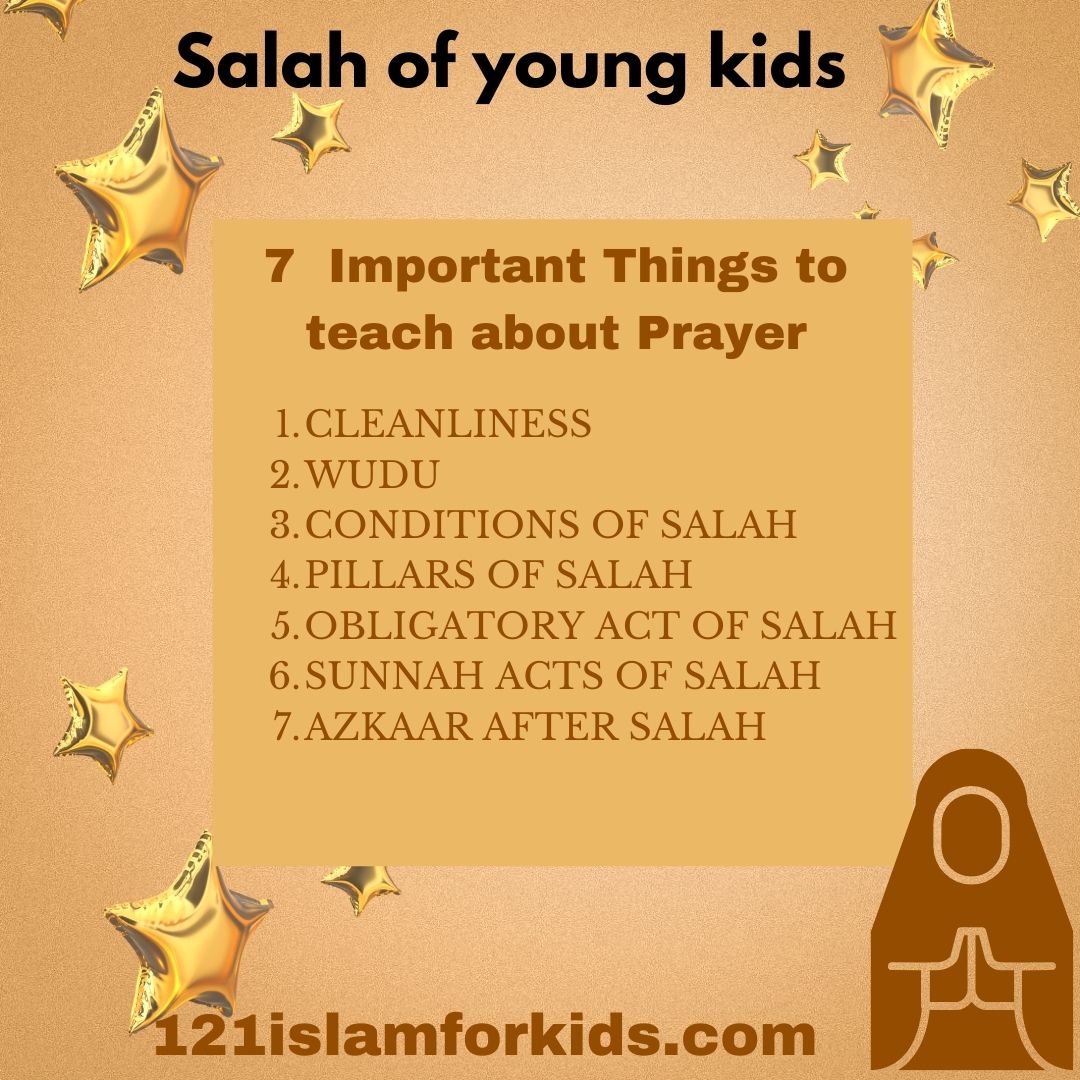
A short course to teach about taharat, Gusal, wudu, times of prayers, number and names of prayers, pillars, conditions of prayer, and method of prayer.
Islamic rules of dressing, Aurah/covering body rules, and modesty dressing will be included in this one-week course.
Ramzan Boost course:
1 month before Ramzan we started this course. Everything about fasting rules and supplication with the Ramzan checklist and daily to-do list is included in this course.
Faith boosts course in December to say NO MARYY CHRISTMAS:
Stories of faith by the Quran will be added in this course with basic articles of faith.
Enrolments Available
All courses Are available to start as one-on-one classes. Please have a look at our group courses continued here.
These Islamic stories have been crafted to teach Surah Zalzalah. The story reflects the message and lesson we get from the translation and Tafseer of Surah Zalzlah.
Table of Contents
The Earth’s Message: Islamic stories
Once upon a time in a quiet little village, there lived a young boy named Ahmed. Ahmed was a good-hearted child, but he had a habit of doing many small wrongs without thinking much about them. He would sometimes say unkind words to his friends, forget to follow the rules he had at home, and even take more candies from the jar than he was allowed. Ahmed didn’t stop there; he would also sneak some of the candies when no one was looking, thinking it was a clever trick.
Ahmed was not always respectful of his surroundings either. As he walked through the village, he would kick stones and other things in his way harshly, showing little regard for the property of others. His friends would often remind him to be more considerate, but he didn’t pay much attention.
One night, something extraordinary happened. Ahmed went to bed as usual, but that night he had a vivid dream. In his dream, the ground beneath him began to shake violently. It was as if the whole Earth was quaking! Ahmed was terrified and didn’t know what to do. He saw houses crumbling, trees swaying, and people crying out for help.
As the dream continued, Ahmed found himself on a long and winding road. Along this road, he met strange creatures with shimmering wings. These were the angels, and they were carrying bundles of papers. Curious, Ahmed asked them what those papers were.
The angels replied, “These are the records of your deeds, Ahmed. Every action, good or bad, is written on these papers. Today, the Earth is revealing the deeds of its inhabitants, and you will see yours too.”
Ahmed’s heart sank as he watched the angels open one of his bundles. The first paper they pulled out had the words “Unkind Words” written on it. Ahmed remembered all the times he had spoken harshly to his friends and even used unkind words behind their backs, and he felt deeply ashamed.
Then, the angels showed him another paper that read “Neglecting Chores.” Ahmed recalled all the times he had avoided helping his family, complaining and breaking some rules at home. He regretted his actions even more.
As Ahmed continued on the road, he came across more and more papers, each revealing his small wrongs and hidden misdeeds. He felt weighed down by the guilt of his actions. It seemed like there was no end to these reminders of his mistakes.
But just when Ahmed was about to lose hope, something wonderful happened. The angels showed him a tiny paper that read “Sharing Candies.” Ahmed remembered the times he had shared his candies with his little sister and friends. He also saw another paper that read “Helping a Friend in Need.” Ahmed remembered the day he had helped his friend fix his bicycle.
He also saw another paper that read ‘’Fear of Allah when scrolling his phone’’
There were so many papers with single words
‘apology‘‘waiting for turn’
‘gratitude’ ‘console’
‘smiley face’ ‘socialization’
These small but kind deeds brought a smile to Ahmed’s face. As the angels continued to show him his good actions, Ahmed felt lighter and happier. The weight of his small sins began to fade away.
Finally, Ahmed woke up from his dream, feeling both relieved and enlightened. He realized that every little deed, good or bad, mattered. His dream had shown him the importance of being mindful of his actions and their consequences.
From that day on, Ahmed made a promise to himself to try his best to avoid small wrongs, hidden misdeeds, and unkind actions. He also decided to be more considerate of the feelings of others. He knew that even the tiniest acts of kindness could make a big difference, just like they had in his dream.
As Ahmed grew older, he became known in his village for his kindness and helpfulness. He learned that by being mindful of his actions and striving to do good, he could not only make his own life better but also bring happiness to those around him.
And so, the story of Ahmed teaches us all that every small deed matters, and even the smallest acts of kindness can have a big impact on our lives and the lives of others.
How’s this story? Do you want to get more stories on short surahs of the Quran?