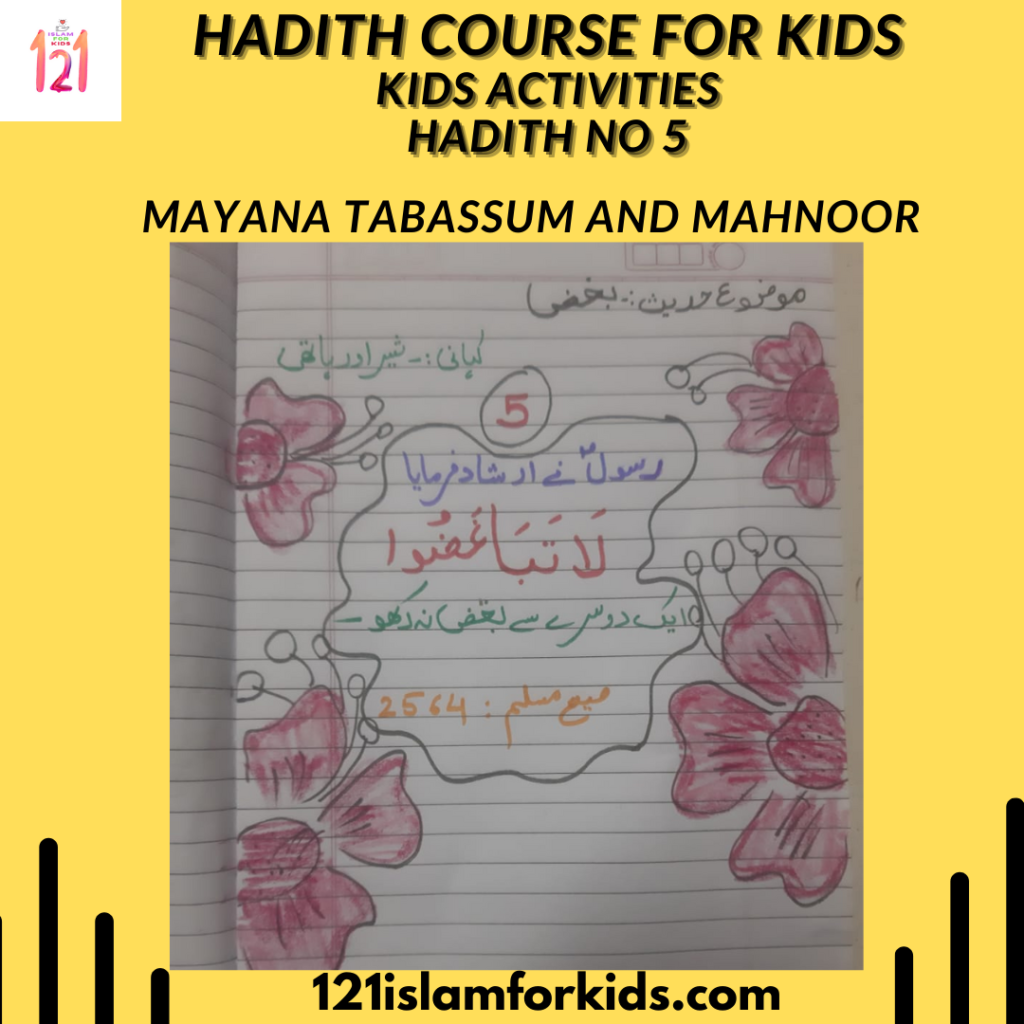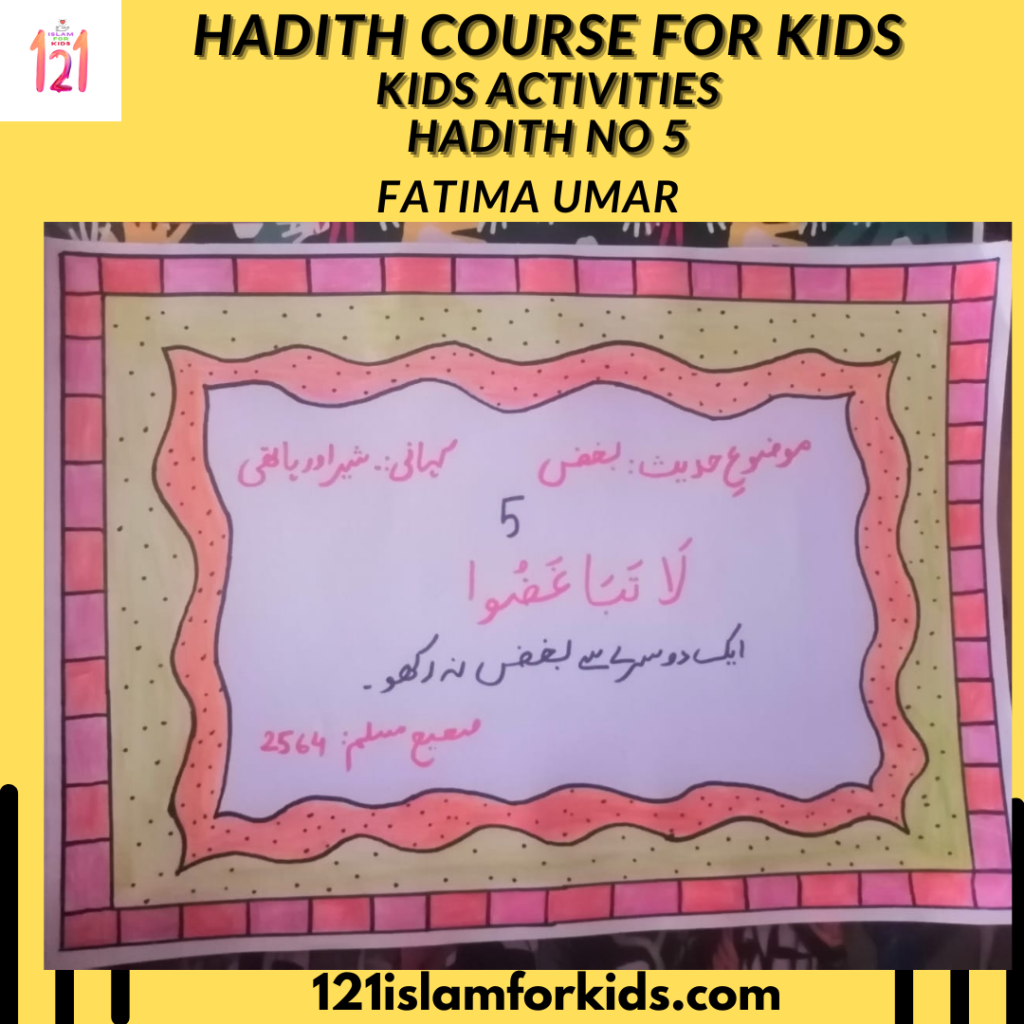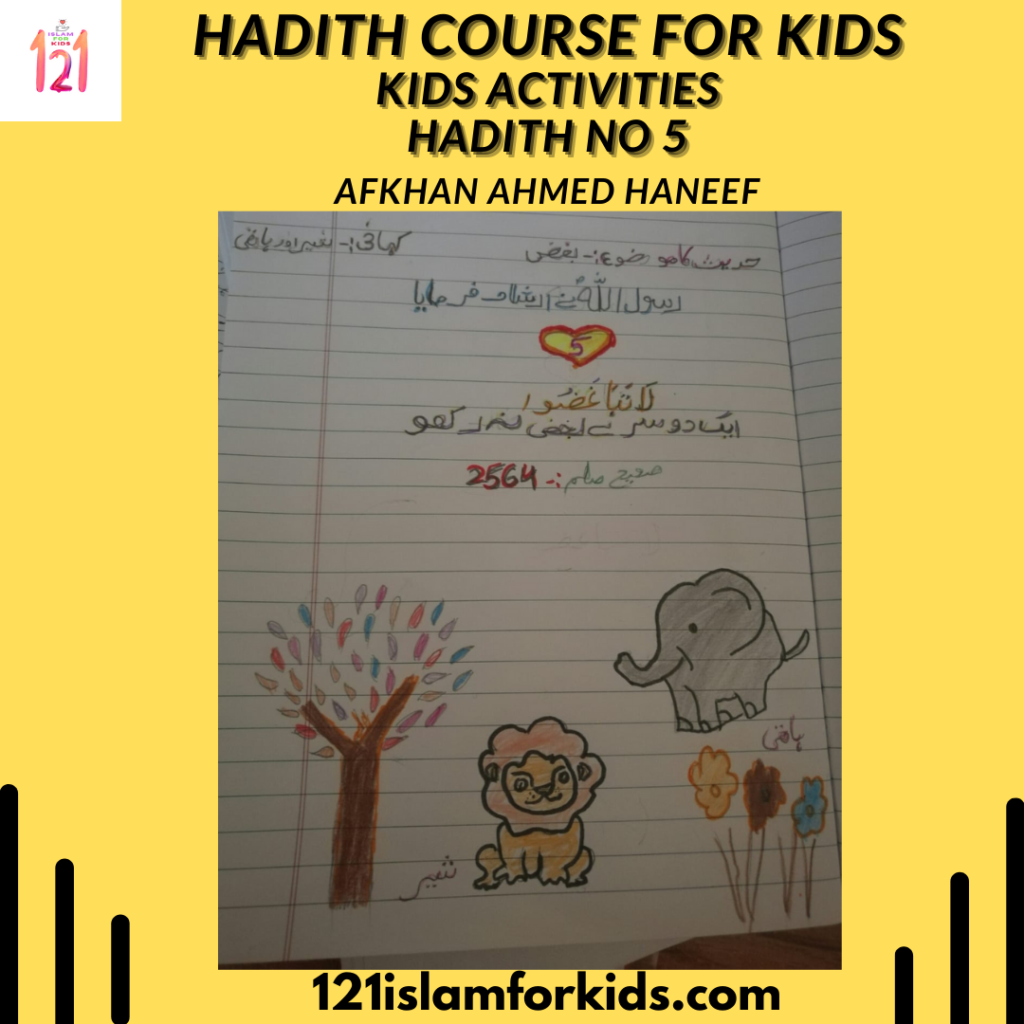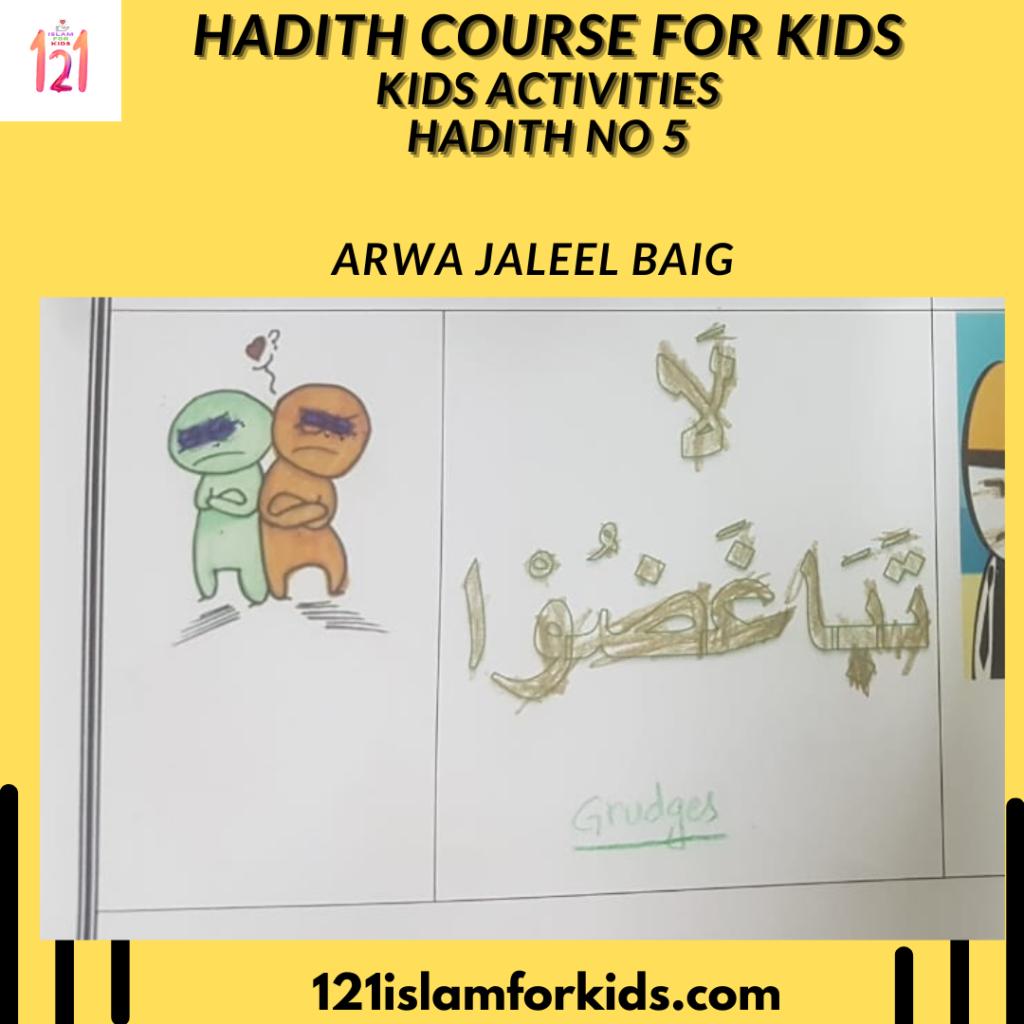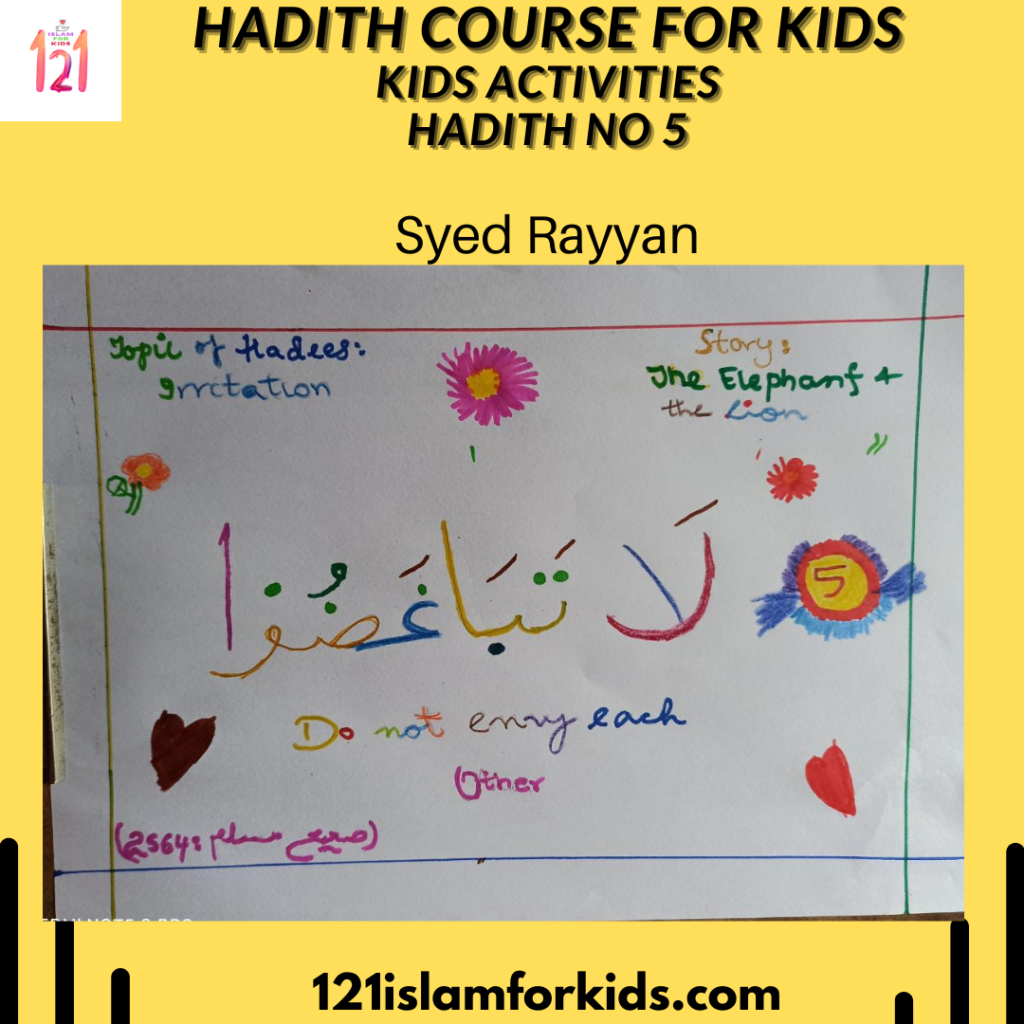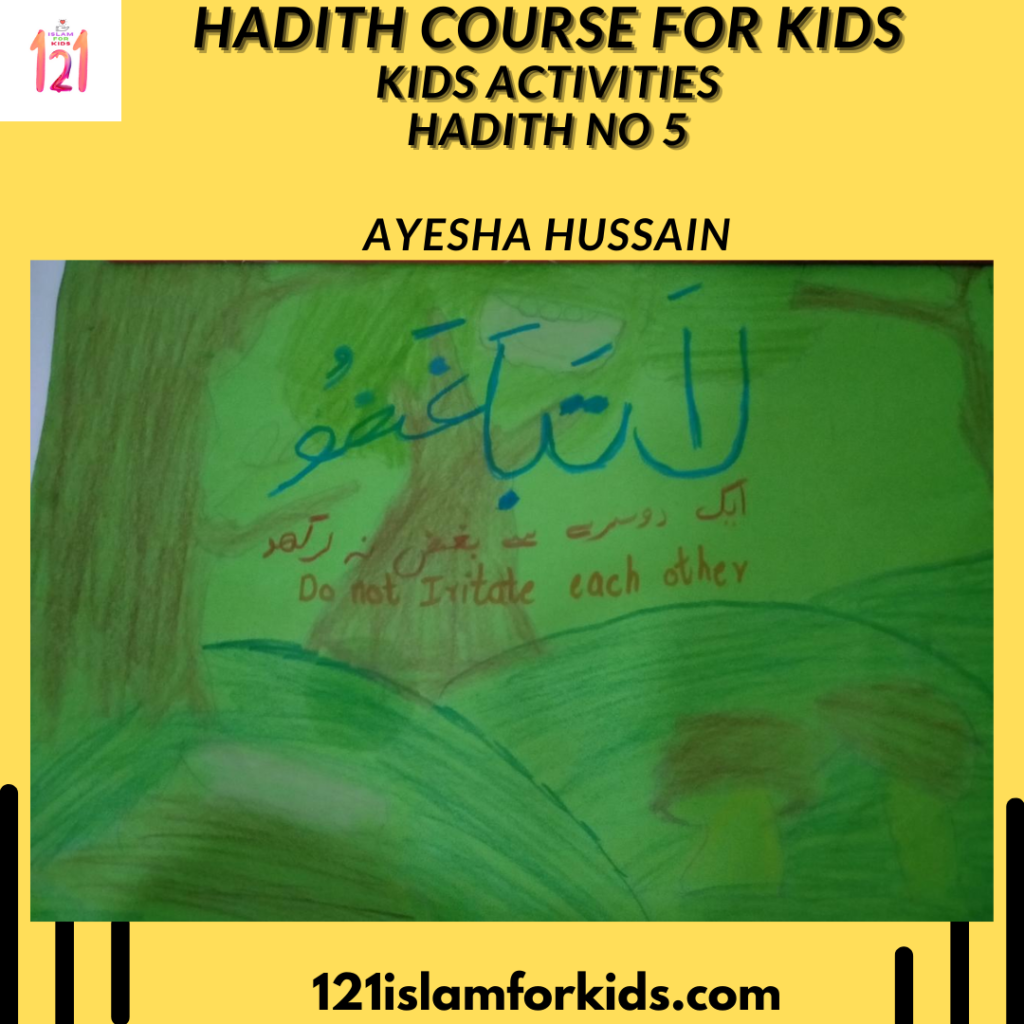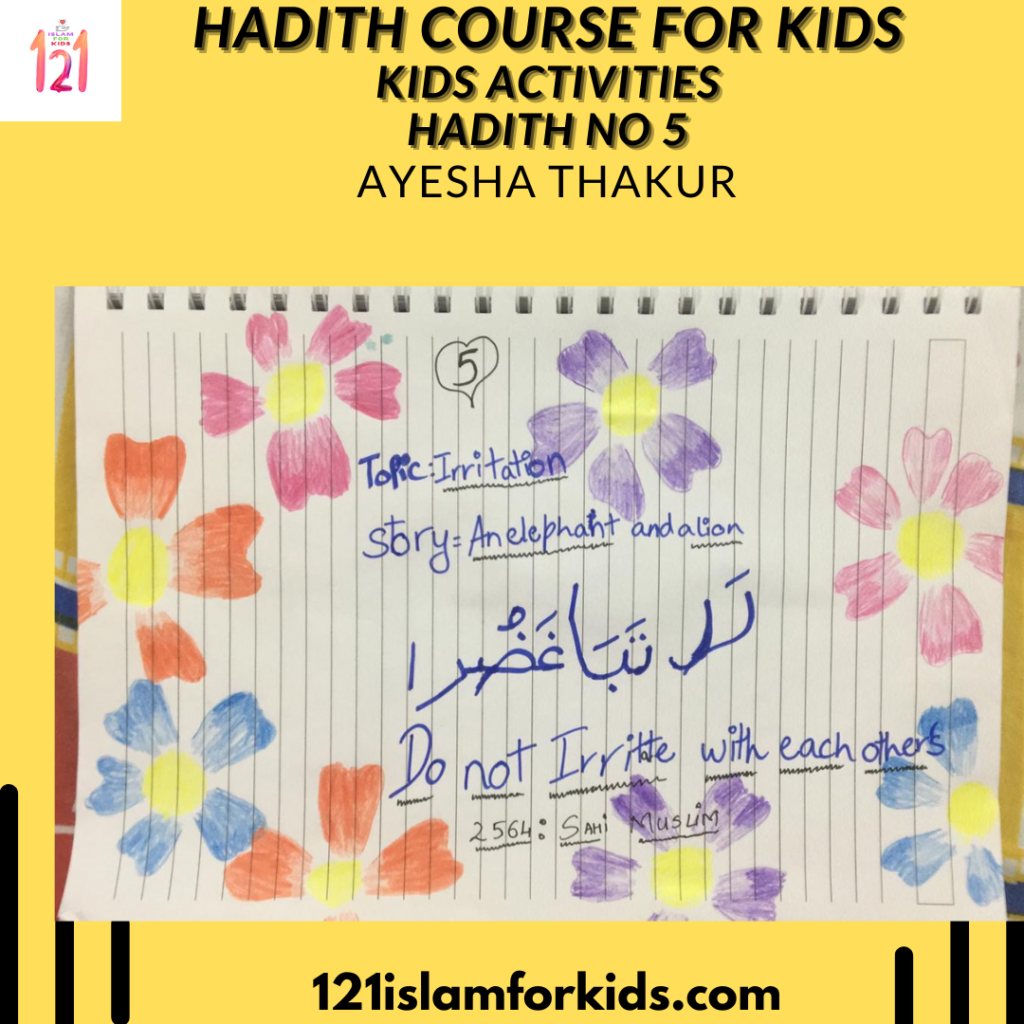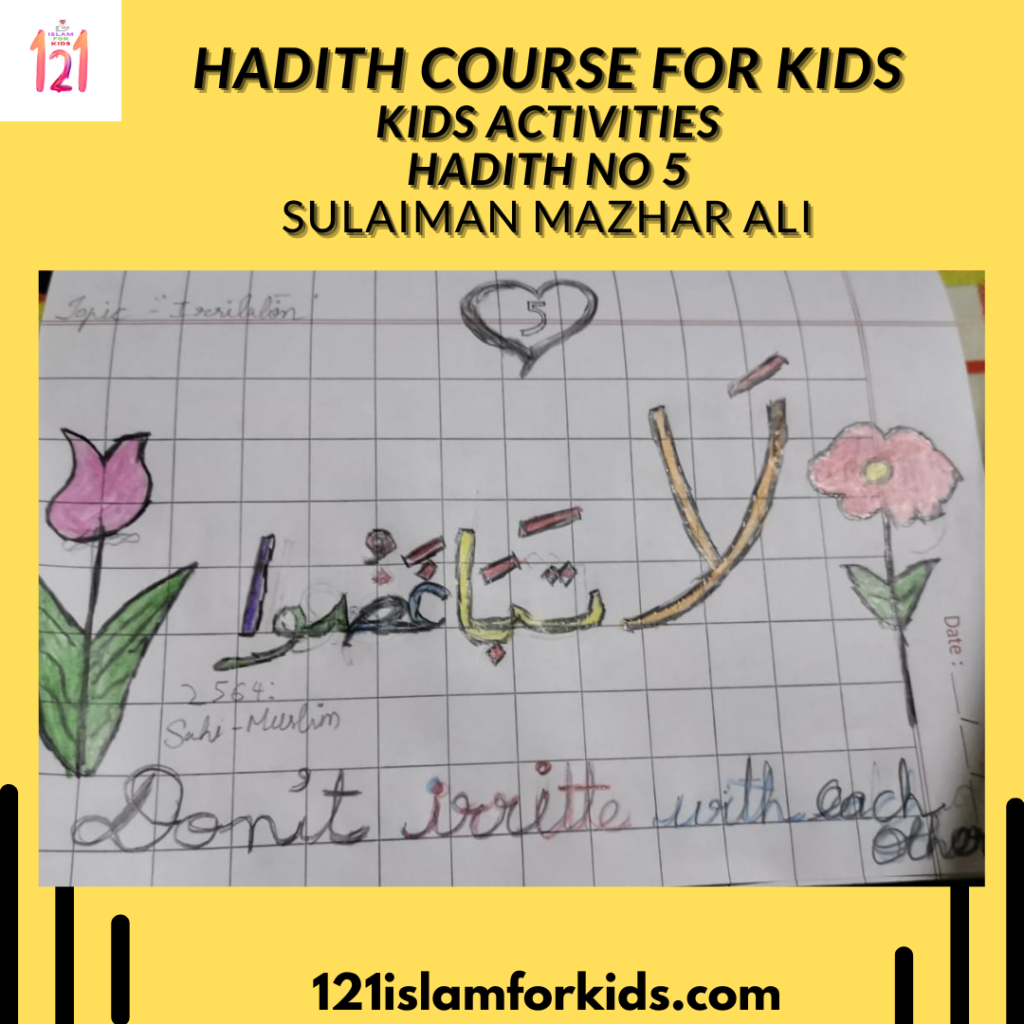
Day .6…Hadees No 5 👇🏃‍♂️

🌷Aslam-O-Alaikum Dear members.🌷

Our today’s Hadees is Down 👇

The Topic of the Hadees of the Day is Envy(Jealousy)Grudge (Irritation)
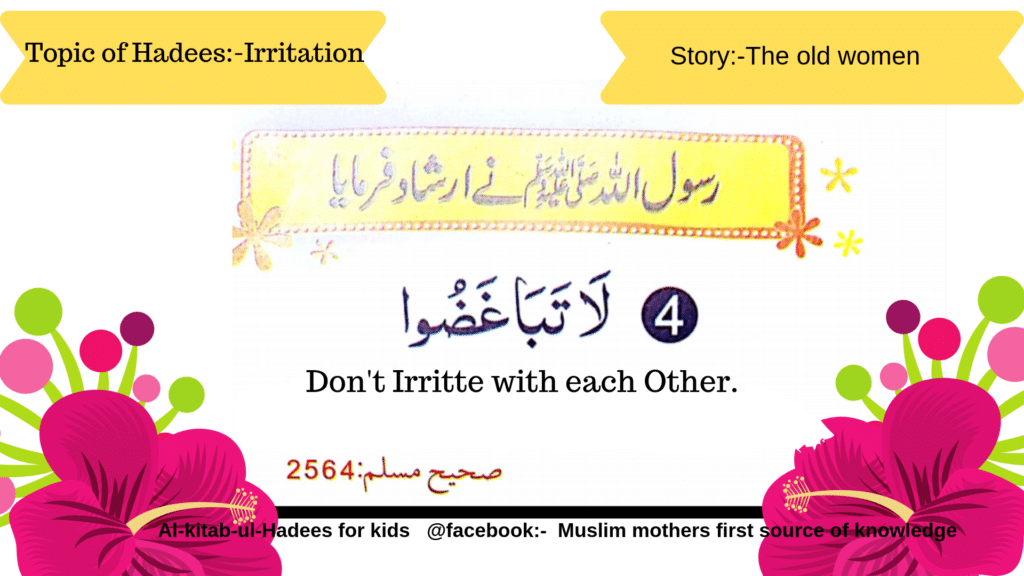
jealousy vs envy

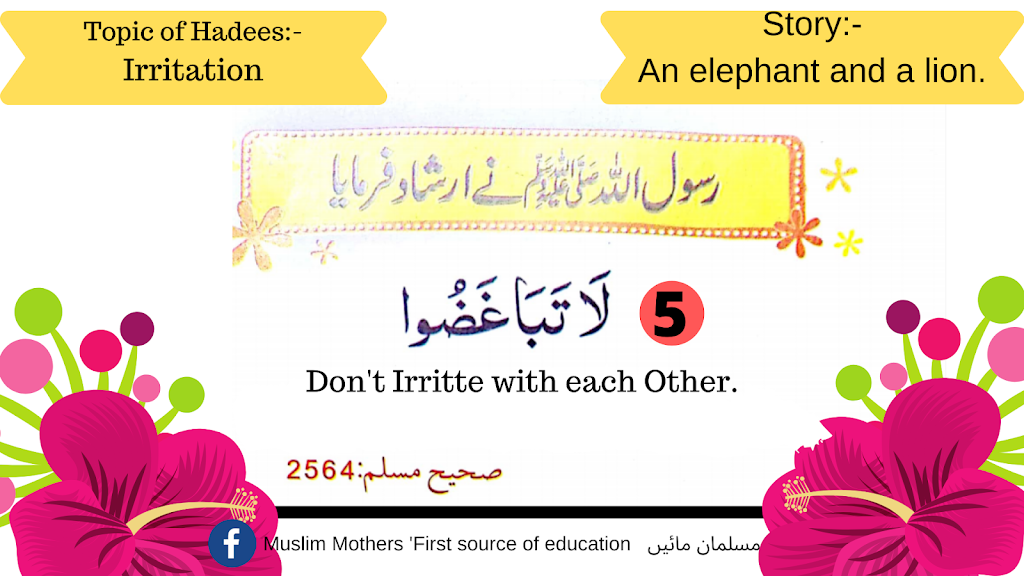
Hadith In English

❤ Kitab-Ul-Hadees 🌷

Day 5: Hadith #5 – Anger, Envy (Hasad), and Grudge (Bhugaz)/Irritation

Hadith Story and Worksheet on Controlling Negative Emotions

🌷 Assalaam-O-Alaikum Dear Students! 🌷

Welcome to an important lesson today! We are excited to share with you Hadith #5, which teaches us about three very dangerous emotional states that can harm our hearts, minds, and relationships. These three negative emotions – anger, envy, and grudge – are like diseases of the heart that can spread and cause serious damage to ourselves and others. Through this hadith and story, we will learn how to recognize these emotions, understand their destructive nature, and most importantly, how to overcome them with Islamic wisdom and strength.

═══════════════════════════════════════════════════════════

UNDERSTANDING THE THREE EMOTIONAL DISEASES

═══════════════════════════════════════════════════════════

Islam teaches us that a Muslim’s heart should be pure, filled with love, compassion, and gratitude. However, three emotions can poison our hearts and lead us away from the path of righteousness. Let’s understand each one:

───────────────────────────────────────────────────────────

  1. ANGER (GHADHAB) – THE FIRST STAGE OF EMOTIONAL DISEASE

───────────────────────────────────────────────────────────

What is Anger?

Anger is a natural human emotion. We all feel angry sometimes. However, when anger becomes uncontrolled and we express it in harmful ways, it becomes a serious problem. Uncontrolled anger can lead us to:

✗ Say hurtful words to others
✗ Act aggressively toward people
✗ Make decisions we later regret
✗ Damage relationships
✗ Lose the respect of others
✗ Distance ourselves from Allah’s guidance

The Prophet Muhammad (PBUH) warned us about anger. He said in many hadiths that anger is from Shaitan (Satan) and that we should seek refuge from it. The Prophet taught us that true strength is not in controlling our outward actions alone, but in controlling our anger and negative emotions.

How Anger Affects Children and Adults:

When we (or children) become angry about every little thing, we develop a habit of being quick to react. Over time, this habit becomes part of our personality. We start:

  • Reacting harshly to minor inconveniences
  • Shouting at family members for small mistakes
  • Breaking things when frustrated
  • Losing friends due to aggressive behavior
  • Creating an unhappy atmosphere at home and school
  • Developing stress and health problems

The Teaching Method: Read the hadith about anger to understand this first stage, then discuss with your child why controlling anger is important. You can also refer to the story about anger that teaches children through narrative.

───────────────────────────────────────────────────────────

  1. ENVY/JEALOUSY (HASAD) – THE SECOND STAGE OF EMOTIONAL DISEASE

───────────────────────────────────────────────────────────

What is Envy (Hasad)?

Envy is when we wish that others did not have something good. It goes beyond simply wanting something for ourselves – it means we want to take away what others have or prevent them from enjoying it. Envy is more dangerous than anger because:

✗ It grows silently in our hearts
✗ Others may not see it on the surface
✗ It eats away at our own peace and happiness
✗ It makes us focus on what others have instead of being grateful for our own blessings

The Prophet Muhammad (PBUH) said: “Do not envy one another, do not inflate prices on one another, do not hate one another, do not turn away from one another, and do not undercut one another; but be you, O servants of Allah, brothers unto one another.” (Reported by Muslim)

The Progression of Envy:

Envy typically develops in stages:

  1. First Stage: We see someone has something nice (a new toy, good grades, nice clothes, a talent)
  2. Second Stage: We wish WE had it instead
  3. Third Stage: We start to feel irritated that THEY have it
  4. Fourth Stage: We might try to make them feel bad about their possession
  5. Fifth Stage: We secretly hope something bad happens to their blessing so it no longer benefits them

How Envy Destroys Happiness:

The worst part of envy is that it destroys OUR OWN happiness more than anyone else’s. When we are envious:

  • We cannot enjoy our own blessings
  • We spend time wishing we had what others have
  • We become ungrateful to Allah
  • We lose the ability to genuinely celebrate with others
  • We develop stress and anxiety
  • We become unhappy even when good things happen to us

Example for Children: If your friend gets a toy you wanted, and you become envious:

  • You cannot play with your other toys happily
  • You cannot enjoy playing with your friend
  • You spend time feeling sad instead of being grateful for what YOU have
  • The toy your friend has doesn’t belong to you, but your sadness DOES belong to you!

The Teaching Method: Teach children about the difference between jealousy (wanting something) and envy (not wanting others to have it). Use the hadith and story to show how destructive this emotion is and how it prevents us from appreciating Allah’s gifts.

───────────────────────────────────────────────────────────

  1. GRUDGE/IRRITATION (BHUGAZ) – THE THIRD STAGE OF EMOTIONAL DISEASE

───────────────────────────────────────────────────────────

What is Grudge?

A grudge is when we hold onto hurt feelings or anger toward someone for a long time. It’s an irritation or resentment that builds up and becomes part of our relationship with that person. When someone has a grudge, they:

✗ Hold onto past hurts
✗ Cannot forgive others
✗ Keep bringing up old mistakes
✗ Hope for revenge or justice
✗ Refuse to give the person another chance
✗ May actively try to harm the other person

Why is Grudge the Most Dangerous Stage?

Grudge is the most destructive because it combines all three emotions:

  1. Anger – We are still angry about what happened
  2. Envy – We might wish they hadn’t succeeded or prospered
  3. Active Harm – We may actually try to hurt them or damage their reputation

The Prophet Muhammad (PBUH) taught us: “Do not cut off relations with one another, do not harbor enmity toward one another, and do not turn your backs on each other, O servants of Allah!”

What Happens When We Hold a Grudge:

When we hold a grudge against someone:

  • We become obsessed with their wrongdoing
  • We cannot move forward in our own lives
  • Every interaction with them is negative and painful
  • We lose out on potential friendships and good relationships
  • Our own health suffers from stress and negative emotions
  • We become a person full of bitterness instead of mercy
  • Most importantly, we distance ourselves from Allah’s mercy

Allah (SWT) teaches us in the Quran: “Let not those among you who are endued with grace and plenty swear not to give (help) to their kinsmen, and those in want, and those who have left their homes in the cause of Allah: let them forgive and overlook, do you not wish that Allah should forgive you? For Allah is Oft-forgiving, Most Merciful.” (Quran 24:22)

The Teaching Method: Help children understand that holding a grudge means we haven’t forgiven others. Teach them the beauty of forgiveness through the hadith and story. Show them that letting go of grudges actually makes US happier and freer.

═══════════════════════════════════════════════════════════

THE HADITH: CONTROLLING ANGER, ENVY, AND GRUDGE

═══════════════════════════════════════════════════════════

HADITH TEXT:

The Prophet Muhammad (Peace be upon him) said: “Anger (Ghadhab) destroys good deeds just as vinegar destroys honey.” Another hadith states: “The strong person is not the one who throws his adversaries to the ground. Rather, the strong person is the one who controls himself when he is angry.” (Reported by Bukhari)

Concerning envy, the Prophet (PBUH) said: “Verily, envy destroys good deeds like fire consumes wood.” And: “Do not envy one another, do not inflate prices on one another, do not hate one another, and do not harbor enmity toward one another; and be not jealous of one another. And be you, O servants of Allah, brothers unto one another.” (Reported by Muslim)

About grudges and holding enmity, Allah (SWT) says in the Quran: “Let those who were made enmity to each other unite. Whoever abandons his enmity and pardons has his reward with Allah.” (Quran 42:40)

Sahih Muslim 2564

───────────────────────────────────────────────────────────

WHY THIS HADITH MATTERS

───────────────────────────────────═──────────────────═─────═

This hadith is crucial for every Muslim, especially children, because:

  1. It shows the consequences of negative emotions: The comparison to vinegar destroying honey and fire consuming wood shows that these emotions damage our good deeds. No matter how much good we do, if we are angry, envious, or hold grudges, our hearts become dark.
  2. It teaches us that true strength is emotional control: The Prophet teaches us that being strong is NOT about physical power. It’s about controlling ourselves when we feel strong negative emotions.
  3. It emphasizes brotherhood: Islam is built on love, compassion, and brotherhood. These three emotions (anger, envy, grudge) directly contradict Islamic values.
  4. It shows us the way to Allah’s mercy: When we let go of these emotions and forgive others, Allah forgives us and blesses us.

───────────────────────────────────────────────────────────

COMPREHENSIVE STORY OUTLINE: “THE THREE BROTHERS AND THE LOST GARDEN”

───────────────────────────────────────────────────────────

Setting: A Muslim village where three brothers live with their family. They grew up together and were once very close, but over time, three dangerous emotions have entered their hearts.

Characters:

  • Adil (Age 12): The oldest brother, kind-hearted but struggles with anger
  • Karim (Age 10): The middle brother, who has become envious of others’ success
  • Bilal (Age 8): The youngest brother, who holds grudges from past conflicts

PART 1: THE BEGINNING – THREE EMOTIONS TAKE ROOT

Once, their father planted a beautiful garden that produced the best fruits and vegetables in the village. It was their family’s pride and their source of happiness and provision. However, one day, their neighbor Hassan planted an even larger garden with better tools and more water access.

When the three brothers saw this, three different emotions took root in their hearts:

Adil’s Anger: When his father mentioned how well Hassan’s garden was doing, Adil became immediately angry. “How is that possible?” he shouted. “Our garden is the best! Hassan must have done something dishonest!” He became angry about little things – the way the wind blew, the amount of rain, anything that affected their harvest. His anger made him harsh with his siblings.

Karim’s Envy: Karim couldn’t stop thinking about Hassan’s garden. “It’s not fair!” he complained. “Why does HE have a better garden? Why does HE have better tools? I wish something would happen to his garden.” He couldn’t enjoy their own garden anymore. When guests praised their vegetables, Karim became irritated. He secretly hoped Hassan’s garden would fail.

Bilal’s Grudge: Two years before, Hassan had accidentally damaged part of their garden wall. It wasn’t intentional, and Hassan had apologized and helped fix it. But Bilal couldn’t let it go. He remembered this incident constantly and used it as an excuse to hate Hassan. “He’s always trying to hurt us,” Bilal would say, even though Hassan had done nothing wrong since then.

THE CRISIS:

One day, a terrible flood came to the village. Hassan’s large garden was completely destroyed. Their family’s smaller garden survived because it was built on higher ground. This was their chance to be happy again, right? But it wasn’t.

What Actually Happened to Each Brother:

Adil: Instead of feeling happy about being saved, Adil remained angry. He complained that the damage to the village walls meant more work for everyone. He snapped at his family. He was so angry about the flooding situation that he couldn’t enjoy their garden’s survival or help the neighbors in need.

Karim: Even though their garden survived and they now had the only good harvest, Karim couldn’t enjoy it. He was still thinking about how unfair it all was, how Hassan had lost his garden, how his dreams were destroyed. Instead of feeling grateful for their blessing, Karim felt bitter. He couldn’t eat, couldn’t sleep well, and his heart felt heavy despite their good fortune.

Bilal: When Hassan came to ask for help after the flood, Bilal refused! “This is what you deserve,” he said cruelly. “You damaged our garden before, and now your garden is destroyed. This is justice!” His refusal to forgive meant he was being cruel when Hassan needed help most.

THE TRANSFORMATION:

Their father saw what was happening. He called his three sons and took them to sit under a big tree. He said:

“My sons, look at what has happened. We were blessed with a good garden, but three emotions have stolen your happiness:

  • Adil, your anger has made you bitter even in our good fortune. You cannot see the blessings because you are focused on what makes you angry.
  • Karim, your envy has destroyed your peace. Even when we have plenty, you cannot be happy because you are focused on what others have. You have become ungrateful to Allah.
  • Bilal, your grudge has made you a cruel person. You refused to help someone in need because of something they did long ago.

These three emotions destroy the heart like vinegar destroys honey. They are like fire consuming wood. Do you feel happy? Do you feel at peace? No. And it’s not because of what happened to Hassan. It’s because of what happened inside YOUR hearts.

But I teach you now the cure for these three diseases:

For Anger (Adil): Control yourself when you feel angry. Remember the Prophet’s teaching: Real strength is controlling your anger, not expressing it. When you feel angry, make wudu, pray, take deep breaths, and remember that Allah is watching and will reward you for controlling your emotions.

For Envy (Karim): Be grateful for what you have. Remember that Allah gives to everyone differently, and each person’s test and blessing is unique. When you see someone with something nice, instead of wishing they didn’t have it, wish them happiness. Be grateful for YOUR blessings.

For Grudge (Bilal): Forgive others, even when they hurt you. Holding a grudge only hurts you more. Look at Hassan – his garden is destroyed. He lost everything. Do you really want to add to his pain by refusing to help him? Forgiveness is a strength, not a weakness. It’s the Islamic way.

I am going to help Hassan rebuild his garden. I want all of you to come with me. This is how we overcome these negative emotions – through mercy, compassion, and forgiveness.”

THE RESOLUTION:

The three brothers learned their lesson deeply that day. As they helped Hassan rebuild and clean up:

  • Adil worked hard without complaining. He controlled his frustration and spoke kindly to everyone, including his brothers. He discovered that without anger, he actually had energy and happiness.
  • Karim started noticing what he had rather than what he didn’t have. As he helped Hassan, he realized that seeing others happy actually brought him joy. He became grateful for his own family’s blessing.
  • Bilal helped Hassan without judgment. Hassan thanked him for the forgiveness and the help, and they became friends again. Bilal realized that holding a grudge had only made him miserable.

THE LESSON:

When the garden finally bloomed again – both theirs and Hassan’s – all four families celebrated together. The village was stronger because the brothers had overcome their three emotional diseases.

Their father reminded them: “When you control anger, you are strong. When you are grateful instead of envious, you are rich. When you forgive instead of holding grudges, you are free. This is the path the Prophet taught us.”

From that day on, the three brothers understood that these negative emotions were weapons Shaitan (Satan) used against them. They made a pact to help each other control these emotions and to always choose forgiveness, gratitude, and mercy – the values that Islam teaches.

═══════════════════════════════════════════════════════════

DISCUSSION QUESTIONS FOR CHILDREN

───────────────────────────────────────────────────────────

After reading the hadith and story, discuss these important questions with your child:

  1. Why do you think anger destroys good deeds like vinegar destroys honey?
    Answer: Because when we are angry, we say and do harmful things that undo all the good we’ve done. An angry person hurts others and themselves.
  2. Can you give an example of when you felt angry? What happened?
    Answer: Help your child reflect on a real situation. Discuss what they could do differently next time.
  3. What is the difference between wanting something and being envious of someone?
    Answer: Wanting something means you wish you had it. Being envious means you don’t want others to have it. Envy is worse because it focuses on taking away from others rather than gaining for yourself.
  4. How did Karim’s envy make him unhappy even though their garden survived the flood?
    Answer: Because he was focused on what Hassan had lost and what they were missing, not on the blessing they received. He couldn’t enjoy their harvest.
  5. Why did Bilal refuse to help Hassan after the flood?
    Answer: Because he was holding a grudge from something Hassan did years before. He thought the flood was punishment and didn’t have mercy.
  6. What did Bilal learn by helping Hassan rebuild his garden?
    Answer: He learned that holding a grudge only hurt himself. By forgiving Hassan and helping him, he felt better and gained a friend back.
  7. What does the father mean when he says “anger makes you weak, envy makes you poor, and grudges make you imprisoned”?
    Answer:
  • Anger makes you weak because you lose control of yourself
  • Envy makes you poor in spirit because you’re never satisfied
  • Grudges imprison you because you can’t move forward
  1. What is the cure for anger according to the hadith and story?
    Answer: Control yourself. Make wudu, pray, take deep breaths, remember Allah. Real strength is controlling anger.
  2. What is the cure for envy?
    Answer: Be grateful for what you have. Wish happiness for others. Remember that Allah gives to each person what they need.
  3. What is the cure for holding grudges?
    Answer: Forgive others. Understand that holding a grudge only hurts you. Choose mercy and compassion like the Prophet taught.

───────────────────────────────────────────────────────────

GUIDELINES FOR PARENTS: TEACHING YOUR CHILD TO OVERCOME NEGATIVE EMOTIONS

───────────────────────────────────────────────────────────

Dear Parents,

These three emotions – anger, envy, and grudges – are very common in children (and adults!). The good news is that they can be controlled and overcome with practice and Islamic guidance. Here are practical strategies:

1. TEACHING YOUR CHILD TO CONTROL ANGER

Recognize Anger Early: Help your child notice the signs of anger before they lose control:

  • Feeling hot or flushed
  • Clenched fists or tight chest
  • Speaking louder or wanting to shout
  • Feeling restless or wanting to hit something

Teach Anger Management Techniques:

  • Breathing exercises: “Take deep, slow breaths. Count to 5 as you breathe in, hold for 5, breathe out for 5.”
  • Make wudu: Performing ablution cools the anger and brings peace.
  • Prayer: Encourage your child to pray when angry. The Prophet said prayer is the best cure.
  • Change position: If standing, sit down. If sitting, lie down. Movement changes our emotional state.
  • Drink water: Water is calming and the Prophet recommended it.
  • Take a break: Remove your child from the situation temporarily.
  • Speak softly: Speaking gently instead of shouting helps control anger.

Model Emotional Control: Let your child see YOU controlling your own anger. When you get frustrated:

  • Acknowledge it: “I’m feeling frustrated right now.”
  • Show the technique: “Let me take some deep breaths.”
  • Explain it: “I’m choosing to control my anger because it’s better for everyone.”

Praise the Effort: When your child controls their anger, praise them specifically:

  • “Masha’Allah! I saw that you got frustrated, but you took a deep breath instead of shouting. That’s real strength!”
  • “You controlled your anger! That’s what the Prophet taught us.”

2. TEACHING YOUR CHILD TO OVERCOME ENVY

Cultivate Gratitude: This is the opposite of envy.

  • “Let’s count 5 things we’re grateful for today.”
  • “Thank Allah specifically for your blessings.”
  • “Remember, Allah gave us exactly what WE need.”

Teach Contentment:

  • Read surahs about gratitude from the Quran
  • Share stories of people who were content with what they had
  • Remind your child: “Your blessing is your blessing. Someone else’s blessing is their blessing.”

Help Them Celebrate Others’ Success:

  • When someone does well, practice saying “Alhamdulillah, I’m happy for them!”
  • Explain: “When our friend is happy, we should be happy too. This is Islamic brotherhood.”
  • “Wanting good for others is a sign of a kind heart.”

Focus on Their Own Blessings:

  • Help them see what makes THEM special
  • Encourage their unique talents
  • Remind them: “You have blessings others don’t have. Be grateful!”

Teach Comparison Awareness:

  • “People show their best on social media and to others. You don’t see their full picture.”
  • “Everyone has challenges, even people who seem to have everything.”
  • “Comparing yourself to others steals your joy.”

3. TEACHING YOUR CHILD TO FORGIVE AND LET GO OF GRUDGES

Discuss Forgiveness:

  • “Holding a grudge is like carrying a heavy rock in your heart.”
  • “When you forgive, you put down the rock and feel lighter.”
  • “Allah forgives us, so we should forgive others.”

Practice Forgiveness at Home:

  • When siblings argue, help them forgive each other
  • Model forgiveness: “I forgive you for what happened. Let’s move forward.”
  • Teach them: “Real strength is forgiving someone who hurt you.”

Address Past Conflicts:

  • If your child is holding a grudge against a friend or sibling:
  • Ask: “How long will you carry this hurt?”
  • Suggest: “What if you forgave them? Would you feel better?”
  • Plan: “Would you like to talk to them about it?”

Teach the Hadith About Forgiveness:

  • The Prophet said: “The best charity is forgiveness.”
  • “Allah loves those who forgive.”
  • “Paradise is for those with merciful hearts.”

Create Opportunities for Reconciliation:

  • Facilitate meeting between the child and the person they have a grudge against
  • Help them express their feelings and listen to the other person
  • Guide them toward forgiveness

SPECIFIC ACTIVITIES AND EXERCISES

Activity 1: The Emotion Wheel
Draw a wheel with different emotions. When your child feels a negative emotion, they point to it and you help them:

  • Name the emotion
  • Understand what triggered it
  • Practice the cure

Activity 2: Gratitude Jar
Each day, have your child write one thing they’re grateful for. Read them together. This fights envy and builds gratitude.

Activity 3: Forgiveness Letters
If your child has a grudge, help them write a forgiveness letter (they may or may not send it). This helps them process the hurt and let it go.

Activity 4: Scenario Role-Play
Create situations and role-play how to respond:

  • Someone gets something you wanted
  • Someone makes you angry
  • Someone hurt you in the past
  • Practice the Islamic response

Activity 5: Hadith Memorization
Memorize the hadith together:
“Anger destroys good deeds just as vinegar destroys honey.”
Repeat it when anger begins to build.

WHEN TO BE CONCERNED

If your child shows these signs, seek additional help from a counselor or Islamic scholar:

  • Frequent explosive anger that leads to harm
  • Persistent envy leading to destructive behavior
  • Inability to forgive, leading to isolation from others
  • Cruel behavior toward others
  • Obsession with revenge

REMEMBER

Controlling these emotions is a lifelong journey for all of us. Be patient with your child. Praise every effort. Show them through your own behavior that the Islamic way of controlling anger, being grateful, and forgiving is the way to peace and happiness.

As the father in the story said: “When you control anger, you are strong. When you are grateful instead of envious, you are rich. When you forgive instead of holding grudges, you are free.”

May Allah help all of us overcome these three emotional diseases and fill our hearts with mercy, gratitude, and peace. Ameen.

═══════════════════════════════════════════════════════════

I’m explaining little here.

Angriness:-

It is the first stage of sickness. Where a person gets angry about every little thing about everyone. He can’t control his angriness and hurt others with his/her behavior. Read hadith and the story about anger here.

jealousy vs Envy(Hasad):-

It is the second stage and in This stage, a person starts to have inner feelings of angriness and jealousy/envy. He can’t control his/her feeling. He lives in a pity condition. He feels hate every time. He can’t see others happy and content. He can’t watch the blessings and luxuries of others. And In this feeling, he loses his own happiness. Because he prays for others that they May lose all that they have. He becomes more unthankful of Allah and others. Read Hadith and the story about envy here.

Grudge(irritation):-

This is the stage where a sick man becomes more harmful. He tries to hurt others. He makes plans to give losses to others. And he digs pits for others and falls into them.

May Allah escape all of us from this.

Please read this to your kids.

Explain it with translation.

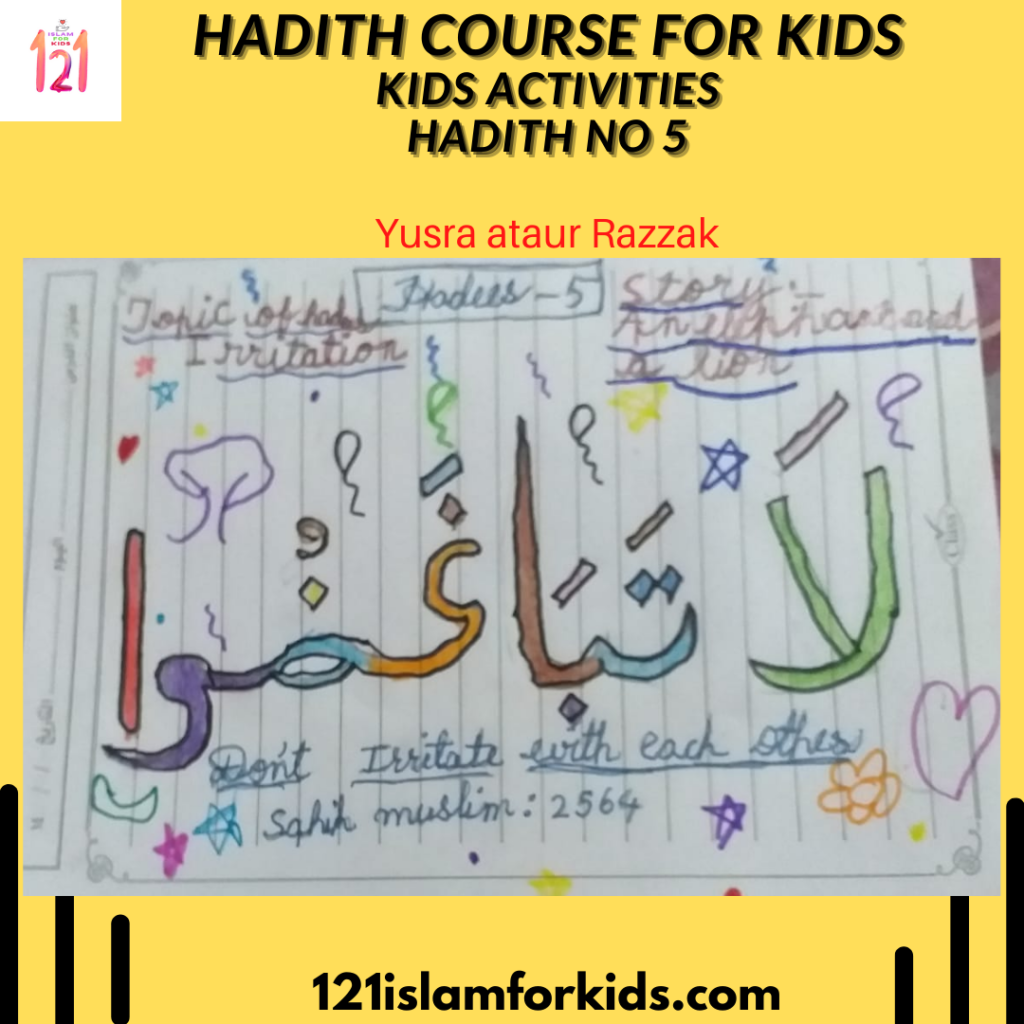
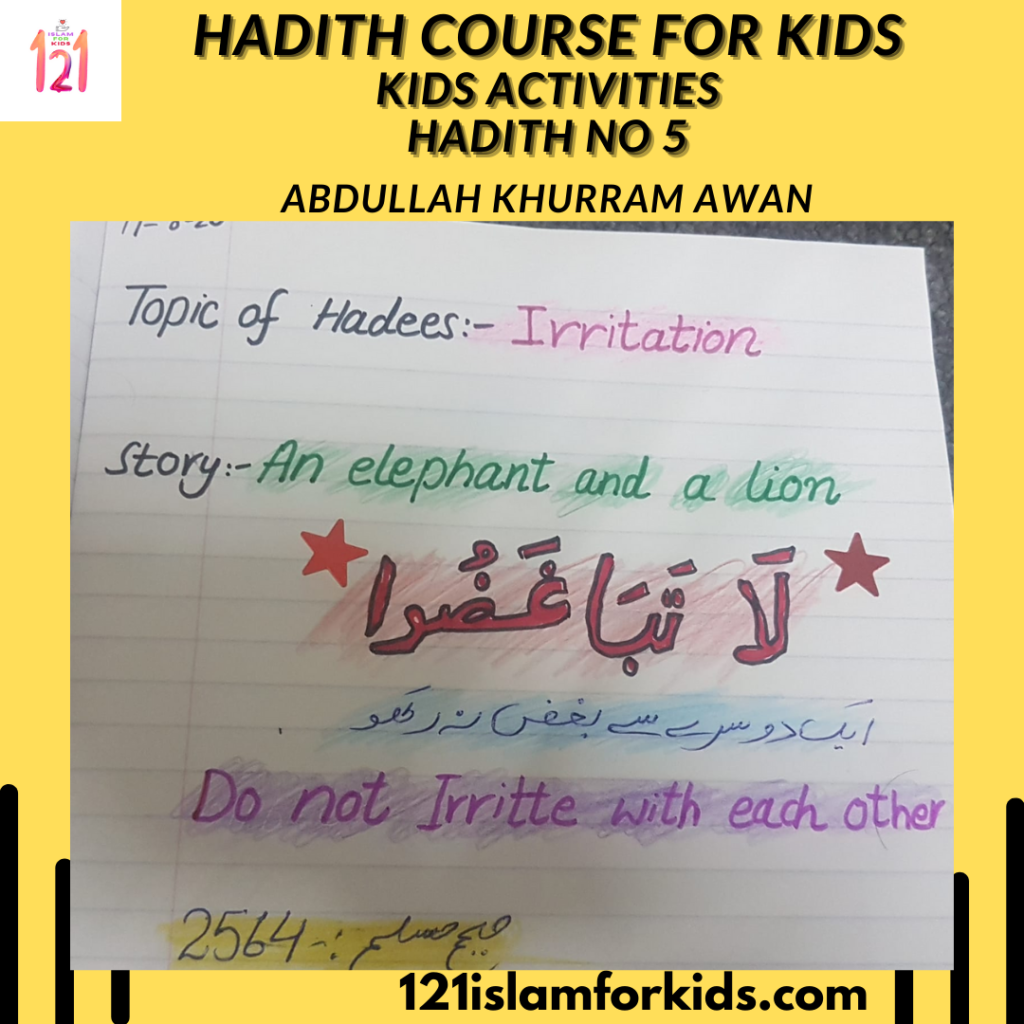
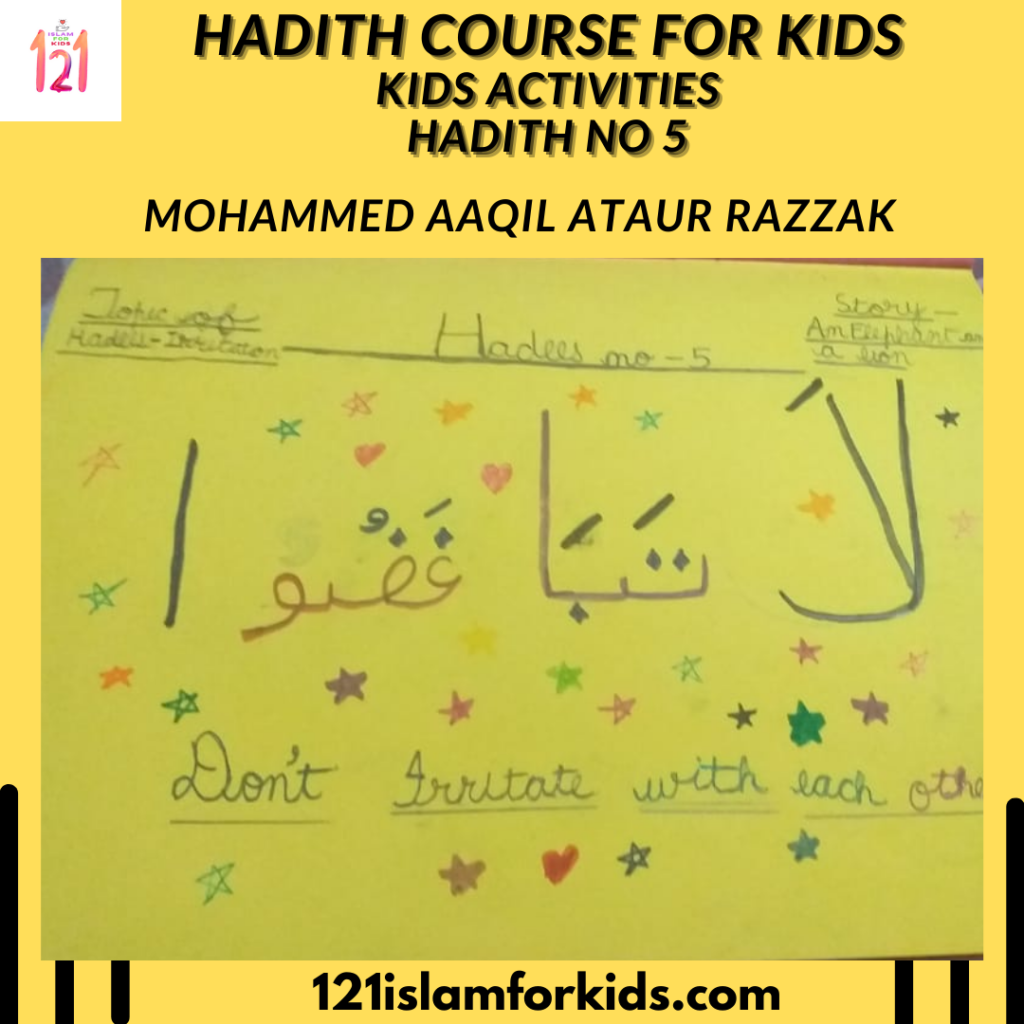
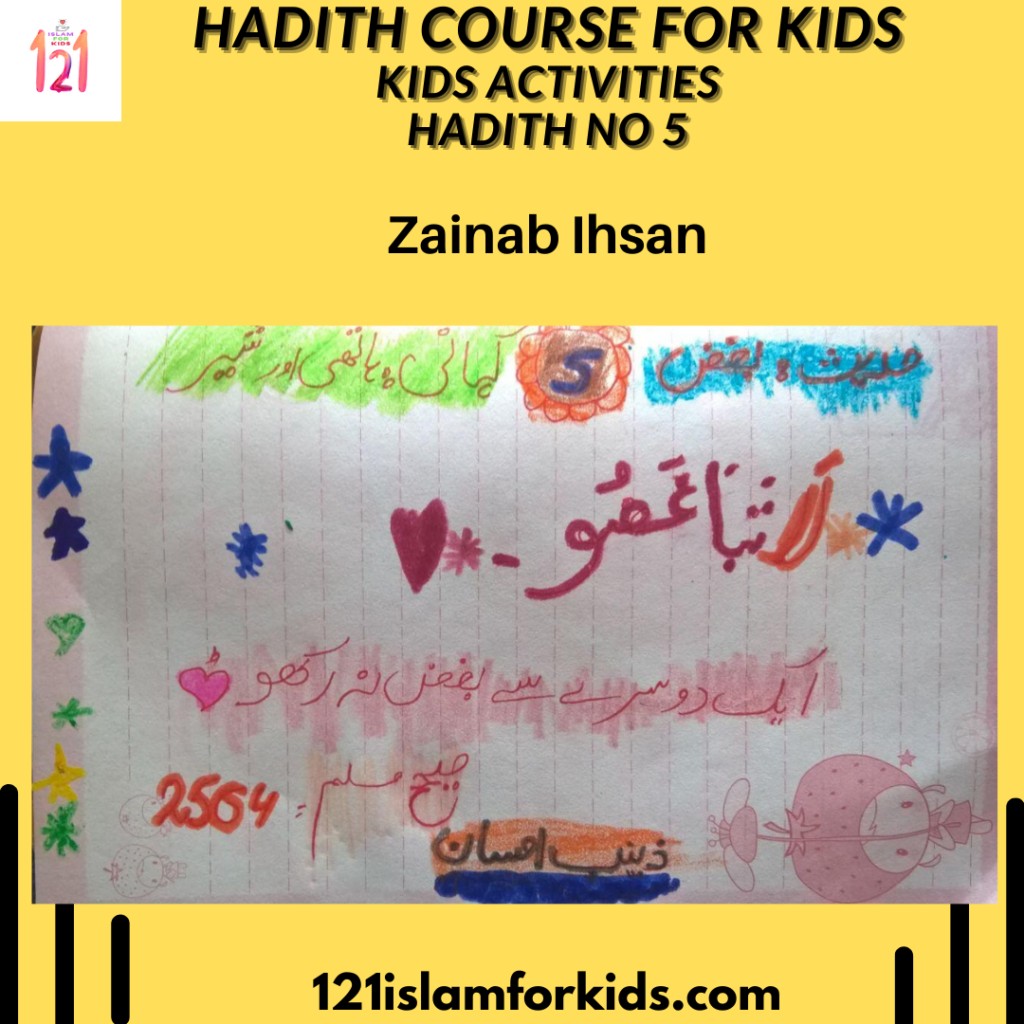
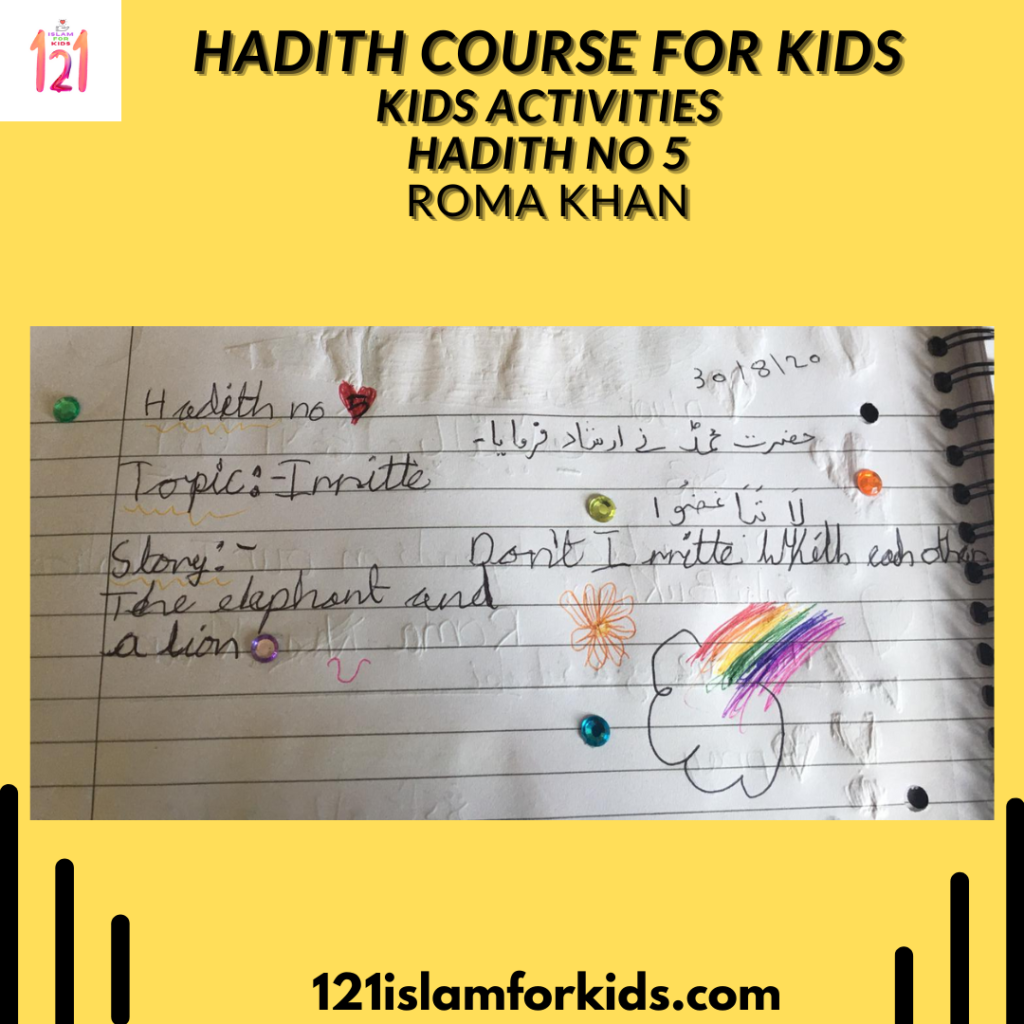
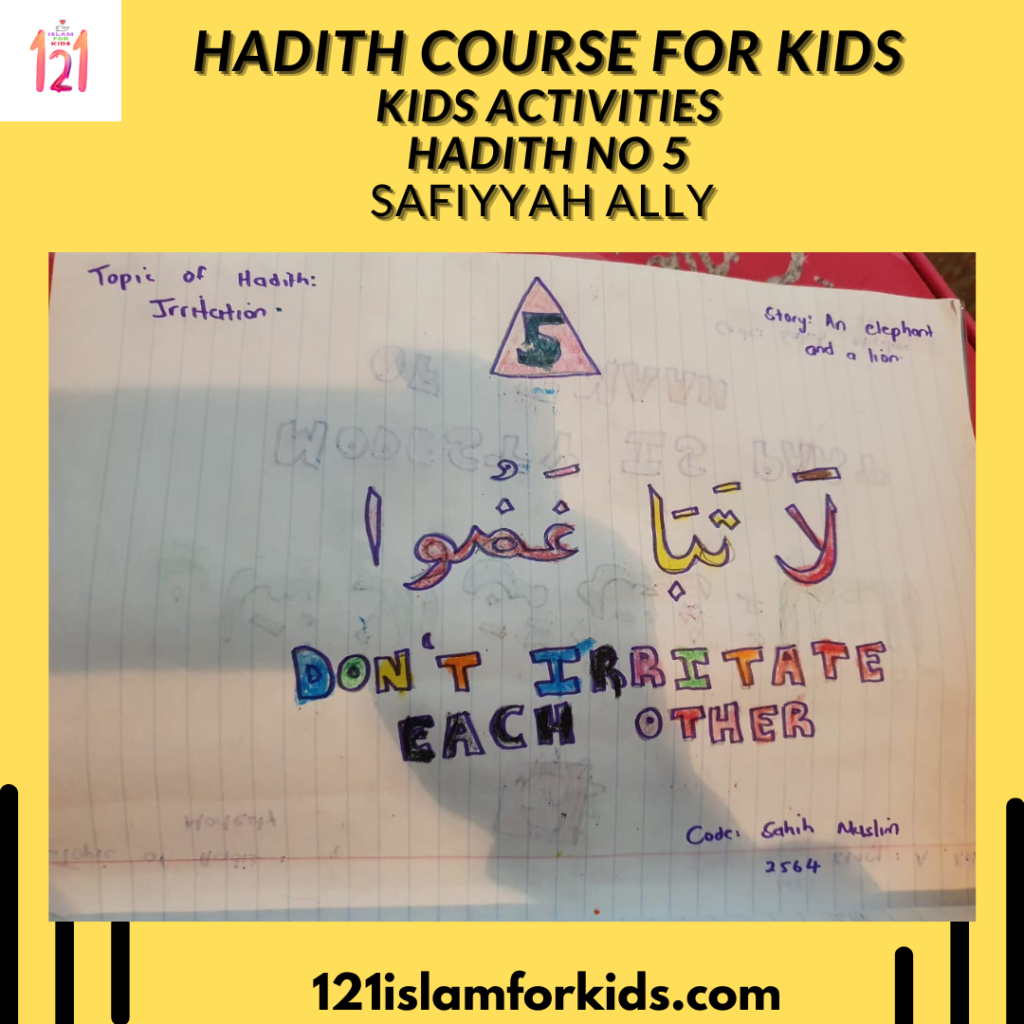
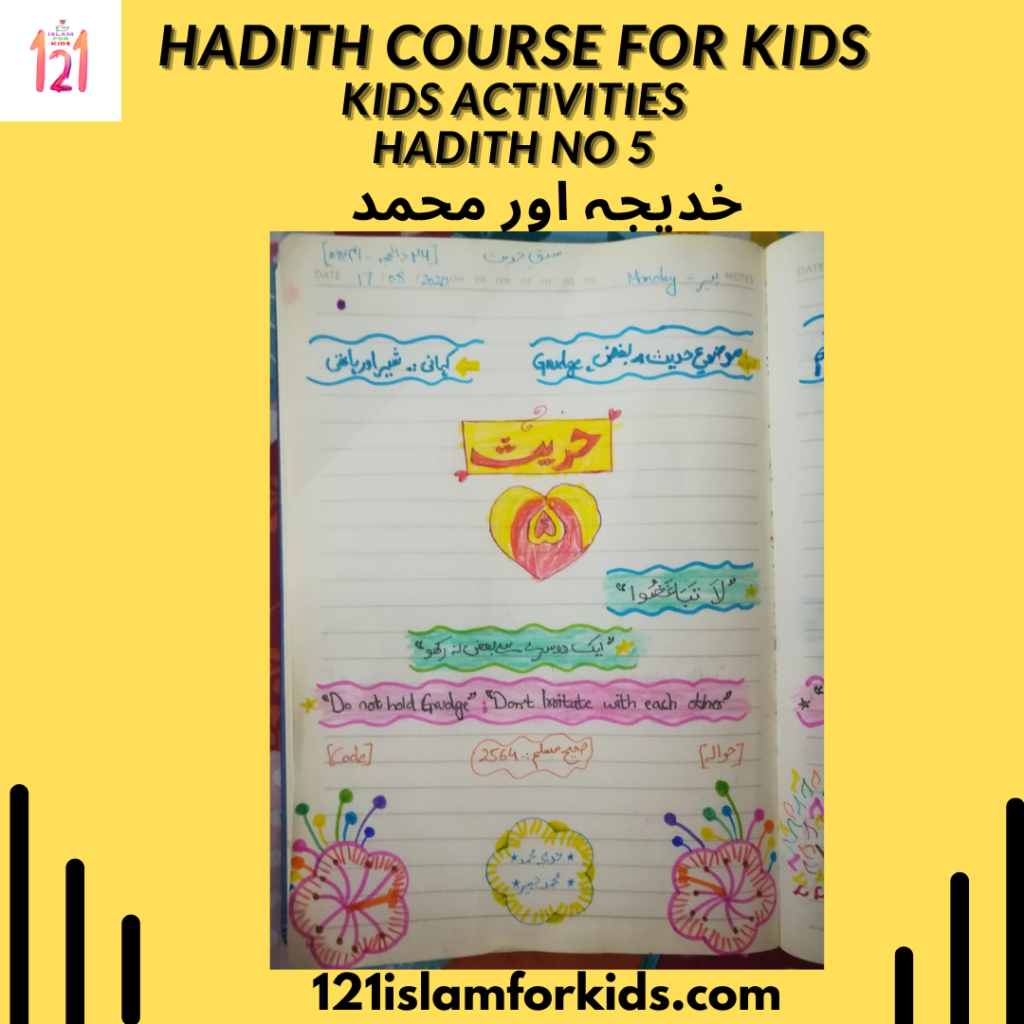
Ask them to write in their Hadith book in beautiful calligraphic design.

Revise it for three days and memorize it with code, story, and name.

Listen total Ahadees we cover, from children.

Here is the link to Hadees with translation and story for kids. It has a full video with Hades, translation, and story. Just play for them. And later help them to write, learn and discuss Hadees.

You can also tell the story of an Old woman who used to throw garbage out of her house at Holy Prophet SAW.

. I’m providing the link to this story. This is a very interesting story with very good morals. Play it. If you wish to tell another story, Then choose and read. 

All the members, Please cooperate with me and submit your kid’s activities here within three days to encourage them and motivate all members. Jazak Allah.

May Allah make it easy for all of us. Ameen.

Hadith Video in English

Hadith in Urdu
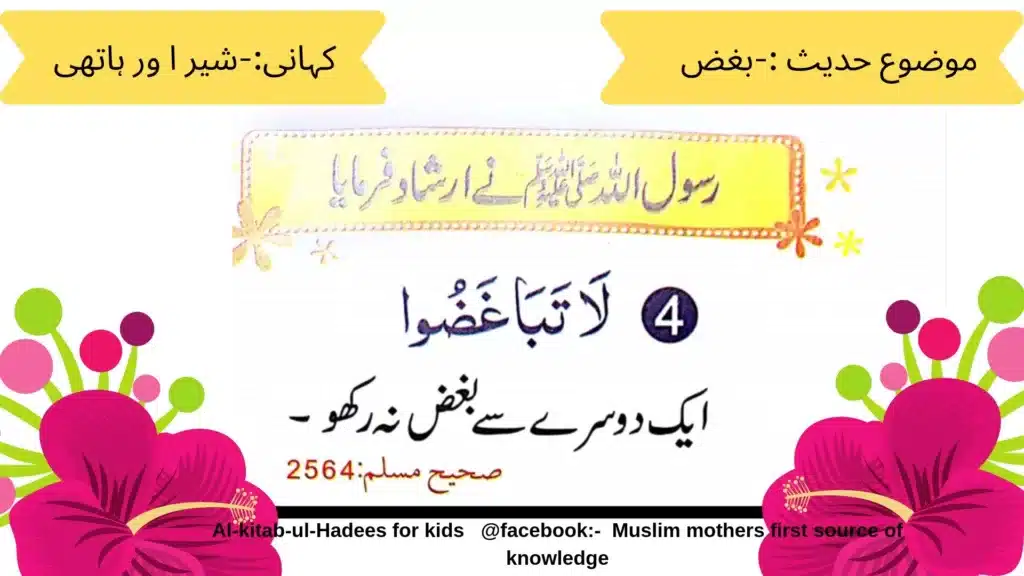
jealousy vs envy

اسلام علیکم پیاری بہنوں! ہمارا آج کی حدیث کا موضوع بغض ہے اور ہماری یہ حدیث پچھلی دو حدیثوں کے سلسلہ کی ایک کڑی ہے پیچھے ہم دو احادیث میں غصہ اور حسد کے بارے میں پڑھ چکے ہیں اور آج کی حدیث بغض  ہے یہ ایک ایسا سلسلہ ہے جس میں سب سے پہلے غصہ انسان کے لیے بہت بری چیز ہے غصے کے ساتھ ساتھ پھر انسان کو دوسروں کے ساتھ حسد محسوس ہوتا ہے کہ کسی کو کوئی چیز ملی تو کیا ملی اور جب یہ بیماری بڑھتی ہے تو اس سے ہمارے اندر بغض پیدا ہوتا ہے اور بغض وہ ہے جس میں انسان اپنا نقصان نفع نہیں سوچتا بلکہ صرف اگلے کا نقصان سوچتا ہے
بچوں میں یہ تینوں چیزیں وقت کے ساتھ ساتھ بہت زیادہ بڑھتی جا رہی ہیں اور اس کے ساتھ ساتھ بڑوں میں یہ چیزیں بہت عام سی چیز ہیں تو یہ تینوں چیزیں بہت خطرناک ہیں اور شیطان کی طرف سے ہیں ان پر قابو پانابہت ضروری ہے میری آپ سب سے درخواست ہے کہ بچوں کو بار بار یہ احادیث روائز کروائیں  اور اس کے ساتھ ساتھ کہانیاں سنائیں اور چاہے آپ خود یہ کہانیاں ان کو بار بار سنائیں یا پھر ان کو ویڈیو لگا کر دیں

اور بچوں سے ان پر عمل کروانے کی کوشش کریں چھوٹی چھوٹی سی ایکٹیویٹیز کروائیں اور ہماری آج کی کہانی بہت پیاری ہے بچوں کو بہت اچھے اچھی لگے گی آپ بچوں کو سنائیں اور انشاء اللہ بچوں میں اس سے بہت اچھی عادت پیدا ہوگی ہیں

Video for Urdu hadith and story.

English written story

Urdu written story

Buy or view the workbook here

Hadith Course Introduction and tips

Enroll your child here.

Or you can join our online classes to learn about Islam.

List of courses/ Classes we have

  • Online Quran classes for beginners
  • Online Quran recitation and Memorisation classes
  • Islamic education for children
  • Seerah course
  • Ramzan boost course
  • Faith boost course
  • Rights of parents course
  • Prayer for kids course

How was your experience visiting our site? If this course help you? Please leave your thoughts. You can ask questions in the Question tab if you have any questions. If you want to connect with us via Email,

My student Activities
(Visited 1,776 times, 1 visits today)