Tag: Muslim mothers

  • A complete history and definition of Muslim culture.

    A complete history and definition of Muslim culture.

    Definition of Muslim culture

    Muslim culture refers to the customs, traditions, values, and practices of the people who follow the Islamic faith. This can include religious practices such as prayer and fasting, as well as cultural traditions such as music, art, and literature.

     Muslim culture also encompasses a wide range of ethnic and national identities, with variations in customs and traditions between different countries and regions. It is also known for strong family values, respect for elders and social norms, and a strong sense of community.

    A brief history of Muslim culture

    The history of Muslim culture can be traced back to the 7th century when the Islamic religion was founded by the prophet Muhammad in the Arabian Peninsula. As the religion spread throughout the region and beyond, it had a significant impact on the development of art, architecture, literature, and other cultural traditions.

    During the early Islamic period, the Umayyad and Abbasid caliphates, which covered a large part of the Middle East, North Africa, and parts of Europe and Central Asia, saw a flourishing of culture and science, with significant contributions to fields such as mathematics, medicine, and astronomy.

    In the medieval period, Muslim culture continued to evolve, with the establishment of powerful Islamic empires such as the Ottoman and Mughal empires, which had a profound impact on the development of art, architecture, and literature.

     During this time, Muslim culture also had a significant influence on the development of European culture, particularly in areas such as Spain where Muslim rule persisted for several centuries.

    In the modern era, Muslim culture has continued to evolve and adapt to changing political and social conditions. Today, Muslim culture is found in many countries around the world and continues to be shaped by a diverse range of influences and traditions.

    I. Religious Beliefs and Practices

    • Overview of Islam as a religion

    Islam is a monotheistic religion that originated in the 7th century in the Arabian Peninsula. The word “Islam” comes from the Arabic word for “submission,” and followers of the faith are known as Muslims. 

    The central belief of Islam is the belief in one God, who is known in Arabic as Allah. Muslims believe that God revealed his message to humanity through a series of prophets, with the last and final prophet being Muhammad.

    The Five Pillars of Islam are the foundation of the Muslim faith and are considered the five basic acts of worship that are mandatory for all Muslims.

     They are:

    1-Shahada: The declaration of faith, which states “There is no god but Allah, and Muhammad is the messenger of Allah.” This declaration is considered the most fundamental aspect of Islam and is the first of the Five Pillars.

    2-Salah: The performance of the five daily prayers, which must be done at specific times throughout the day. These prayers are a way for Muslims to connect with God and remind them of their spiritual obligations.

    3-Zakat: The giving of alms, or charitable donations, to the poor and needy. Muslims are expected to give a portion of their wealth to those who are less fortunate as a way of fulfilling their obligations to the community.

    4-Roza: Fasting during the month of Ramadan, which involves abstaining from food and drink during the daylight hours. This is considered a time of spiritual reflection and self-discipline and is one of the Five Pillars of Islam.

    5-Hajj: The pilgrimage to Mecca, which must be made at least once in a lifetime by Muslims who are financially and physically able to do so. The Hajj is a symbolic journey and a demonstration of the unity of the Muslim community.

    These Five Pillars are considered the foundation of the Muslim faith and are mandatory for all Muslims. They are not just rituals but an integral part of the faith that help Muslims to lead a disciplined and meaningful life focused on submission to the will of God and the betterment of the community.

    II. Family and Community

    • Significance of family in Muslim culture

    Family is considered to be of great significance in Muslim culture. Muslims believe that the family unit is the foundation of society and that strong and healthy families are essential for the well-being of individuals and communities.

    In Muslim culture, the family is seen as a source of love, support, and protection. Muslims are taught to honor and respect their parents and to maintain close relationships with their relatives. They are encouraged to marry and raise families of their own, and to create a loving and supportive home environment.

    • Importance of community in Muslim culture

    Community is of great importance in Muslim culture. Muslims believe that they are part of a larger community of believers, known as the ummah and that they have a responsibility to take care of one another. 

    The concept of the ummah is based on the idea of brotherhood and sisterhood among Muslims and the belief that all members of the community are responsible for each other’s well-being.

    In Muslim culture, the community plays an important role in providing support and guidance to its members. Muslims are encouraged to participate in community activities, such as mosque-based prayer and social services, and to help those in need.

    One of the most significant ways that Muslims come together as a community is through the practice of Friday prayers, known as Jumu’ah.

    III. Clothing and Fashion

    • Traditional Muslim clothing for men and women

    Traditional Muslim clothing for men and women is known as modest dress, which is intended to cover the body and to minimize exposure of skin. The specific styles and types of clothing vary depending on the cultural and historical context, but there are some common elements that are seen across many different Muslim societies.

    For men, traditional Muslim clothing typically includes a long, loose-fitting shirt known as a thobe or(shalwar kameez), and a head covering such as a skullcap or a turban. Some men also wear a long, flowing robe known as a Jubba or a cloak known as an abaya.

    For women, traditional Muslim clothing typically includes a long, loose-fitting dress known as an abaya or hijab, and a head covering such as a scarf or a veil. Some women also wear a long, flowing outer garment known as a chador or a burqa. In some Muslim societies, women also cover their hands and feet

    IV. Food and Cuisine

    • Popular Muslim cuisine from different regions

    Muslim cuisine is incredibly diverse and can vary greatly depending on the region. Some of the most popular Muslim cuisines from different regions include:

    Middle Eastern cuisine, is known for its use of spices and herbs such as cumin, turmeric, and parsley. Popular dishes include falafel, shawarma, and kebabs.

    North African cuisine, is known for its use of spices such as cumin, paprika, and cinnamon. Popular dishes include couscous, tagine, and brick (a type of pastry filled with meat or vegetables).

    Central Asian cuisine is known for its use of meat, particularly lamb, and for its use of fruits and nuts such as apricots, raisins, and almonds. Popular dishes include pilaf, shashlik, and mantou (steamed dumplings filled with meat or vegetables).

    South Asian cuisine, is known for its use of spices and herbs such as turmeric, cumin, and coriander. Popular dishes include biryani, tandoori chicken, and samosas.

    Southeast Asian cuisine is known for its use of spices and herbs such as lemongrass, galangal, and kaffir lime leaves. Popular dishes include nasi goreng, satay, and laksa.

    All these cuisines have their own unique characteristics and ingredients, reflecting the cultural, historical, and geographical influences of each region. Many Muslim dishes are also influenced by the local ingredients and the way of cooking. 

    These cuisines are enjoyed by Muslims and non-Muslims alike and are considered delicious and healthy options.

    Islamic dietary laws, known as Halal, dictate what foods are permissible for Muslims to consume. The following are not allowed:

    • Pork and pork by-products
    • Blood and blood by-products
    • Alcohol
    • Carnivorous animals and birds of prey
    • Animals not slaughtered in the name of Allah

    Muslims follow the concept of balance and moderation in their diets, with a focus on whole grains, fruits, vegetables, and lean protein sources such as chicken, beef, and lamb. Dates and yogurt are commonly used in Muslim cuisine.

     Ramadan, the month of fasting, is a time for spiritual reflection and physical purification through abstaining from food and drink from sunrise to sunset.

    In Islam, the terms “Halal” and “Haram” refer to the permissible and prohibited foods respectively.

    Halal Foods:

    • Meat from animals slaughtered in the name of Allah
    • Seafood, excluding sea animals without fins or scales
    • Plants and fruits, including grains and legumes
    • Dairy products, excluding those containing alcohol
    • Haram Foods:

    Haram Foods:

    • Pork and pork by-products
    • Blood and blood by-products
    • Alcohol and intoxicants
    • Carnivorous animals and birds of prey
    • Animals not slaughtered in the name of Allah
    • Foods contaminated with any of the above substances.

    These rules are intended to promote a healthy and balanced diet while following religious principles. The aim is to maintain a clean and pure lifestyle, physically and spiritually.

    Marriage in Muslim Culture:

    Marriage is highly valued and regarded as a central aspect of Muslim culture. The following are some of the key aspects and practices related to marriage in Islam:

    • Nikah: The Islamic wedding ceremony, performed by a religious leader, where the couple enters into a legal contract and becomes husband and wife.
    • Dowry (Mahr): A gift from the groom to the bride, either in the form of money or property, as a symbol of his commitment to her and their future together.
    • Wali: The bride’s legal guardian, typically a close relative, who gives her away in marriage and provides support for her.
    • Consensus: Both partners must voluntarily agree to the marriage and be of sound mind and legal age.
    • Modesty: Muslim marriages emphasize modest dress and behavior, with a focus on inward spiritual beauty rather than external appearance.
    • Family involvement: Family members often play a significant role in the marriage process and are expected to support the couple in their new life together.
    • Divorce: While discouraged, divorce is allowed in Islam under certain circumstances, such as incompatibility or harm to either partner. The process is subject to Islamic laws and must be done in a respectful and fair manner.

    Family System In Muslim Culture

    The family is considered the cornerstone of Muslim society, with a strong emphasis on close familial ties and mutual support. Some key aspects of the Muslim family system include:

    • Patriarchy: The traditional family structure in many Muslim cultures is patriarchal, with men as the head of the household and women playing a secondary role.
    • Extended family: Strong emphasis on extended family relationships, with grandparents, uncles, aunts, and cousins playing a significant role in the upbringing and support of children.
    • Respect for elders: Muslims are taught to respect and honor their elders, with a particular focus on the mother and father.
    • Education: Education is highly valued and seen as a religious duty, with parents responsible for ensuring their children receive an education.
    • Responsibility: Family members have a shared responsibility to provide for and care for one another, particularly in times of need.
    • Marriage: Marriage is highly valued and seen as a central aspect of family life, with families often playing a role in the matchmaking process.
    • Modesty: Muslim families emphasize modesty and restraint in behavior and dress, with a focus on inner spiritual values rather than outward appearances.

    These values and practices are intended to promote strong familial bonds, support, and stability, and to foster a sense of community and belonging within Muslim society.

    Conclusion

    In conclusion, Muslim culture is a rich and diverse tapestry of customs, traditions, values, and practices that have developed over centuries among the followers of the Islamic faith. From its origins in the Arabian Peninsula, Muslim culture has spread to encompass a wide range of ethnic and national identities, with variations in customs and traditions between different countries and regions.

    More reads

    Let us know, To which culture of cuisine you belong.

    You are not a Muslim? How you found this article?

    Please leave a comment below.

  • Story 20Urdu| What is the best Virtue in Islam?

    Story 20Urdu| What is the best Virtue in Islam?

    Welcome to Our Hadith Classes Online. You are going to Start a free short course for your child. After this course, your children would have their own mini -Kitab -UL-Hadess (For a Description of this Free online course scroll down)

    Here is the “First Hadees and story of Our hadith with stories course for kids.

    The virtues of A blind Sahabi Abdullah Bin Umm Maktoum R.A Story and Hadith on Virtues.

    عبداللہ ابن ام مکتوم کی کہانی اور حدیث نیکی کیا ہے؟

    السلام علیکم پیارے بچو! پیارے بچو کیسے ہیں آپ سب؟ امید ہے کہ اللہ ہاک کے فضل سے آپ سب ٹھیک ہوں گے اور سیرتِ نبوی صلی اللہ علیہ و آلہ و سلم پر ۔ عمل کرنے کی پوری کوشش کر رہے ہوں گے. ہماری آج کی حدیث اور اس سے متعلقہ کہانی بڑی دلچسپ ہے-آئیے شروع کرتے ہیں-آج کی حدیث کا موژضوع ہے نیکی ۔-حدیث ہے کہ۔۔۔۔. 

    “کسی بھی نیکی کو حقیر مت جانو”

    Hadith Classes Online

    یہ حدیث اس بات کی وضاحت کرتی ہے کہ ہر نیکی کا ایک اپنا مقام ہے. ہمیں چھوٹی نیکیوں کو چھوڑ کر بڑی نیکی تلاش کرنے میں اپنا وقت ضائع نہیں کرنا چاہیے. میں جانتی ہوں تمام بچے اچھے کام کرنا چاہتے ہیں. لیکن وہ یہ نہیں جانتے کہ کب اور کیسے انہیں اس پہ بڑا ثواب مل سکتا ہے. کیا آپ جانتے ہیں کہ ہمارے پیارے نبی کریم صلی اللہ علیہ و آلہ و سلم نے فرمایا

    “اگر تم راستے سے کوئی رکاوٹ ہٹا دو تاکہ کسی کو اس سے تکلیف نہ پہنچے، یا اپنے والدین کو دیکھ کر مسکراؤ تاکہ وہ خوش ہوں تو یہ بھی نیکی ہے “

    Hadith Classes Online

    آج میں آپ کو ایک بڑے نیک صحابی عبداللہ ابن مخدوم کی کہانی سناؤں گی، وہ ایک بڑے عمدہ اور بہترین صحابی تھے. وہ نابینا تھے مگر نیکی کے کاموں کے بڑے شوقین تھے. انہیں علم حاصل کرنے کا بھی بہت شوق تھا

    ایک مرتبہ آپ صلی اللہ علیہ و آلہ و سلم غیر مسلموں کو دین اسلام کی تبلیغ کرنے میں مشغول تھے، محفل میں بہت بڑے بڑے رتبے والے سردار موجود تھے، عین اسی وقت عبداللہ ابن مخدوم تشریف لائے اور آپ صلی اللہ علیہ و آلہ و سلم سے کوئی سوال پوچھا. 

    آپ صلی اللہ علیہ و آلہ و سلم بات کرنے میں مصروف تھے لہٰذا انہوں نے توجہ نہ فرمائی اور اپنا رخ غیر مسلموں سرداروں کی جانب موڑ لیا. 

    اللہ پاک بہترین جاننے والا ہے. کہ کون علم جاننے کا بہترین شوق رکھتا ہے اور کون محفل میں بری نیت سے بیٹھا ہے.  

    اللہ پاک نے آپ صلی اللہ علیہ و آلہ و سلم کا صحابی کو نظر انداز کرنا ناپسند کیا. اور ابن مخدوم سے اپنی محبت کے اظہار کے لیے ایک سورہ “عبس” نازل کی. 

    اس کے بعد آپ صلی اللہ علیہ و آلہ و سلم حضرت عبداللہ سے اور بھی زیادہ محبت کرنے لگے. کیونکہ اب وہ جان گئے تھے کہ اللہ تعالیٰ عبداللہ سے محبت کرتے ہیں. اور صحابہ میں ان کا درجہ بڑا بلند ہے. 

    پیارے بچو، اس کے بعد غزوہ بدر کا موقع تھا، اللہ پاک نے بتایا کہ جو اس جنگ کے لیے جائے گا اسے زیادہ اجر ملے گا اس شخص کی نسبت جو گھر بیٹھا رہا.  عبداللہ نے خواہش کی کہ کاش وہ بھی جا سکیں، لیکن انہیں اجازت نہ ملی کیونکہ وہ نابینا تھے. اب پھر اللہ نے آیات نازل فرمائیں کہ بچے، عورتیں اور معذوروں کو جنگ کے لیے مجبور نہ کیا جائے گا. لیکن عبداللہ اصرار کرتے رہے

    نبی کریم صل اللہ علیہ و آلہ و سلم نے ان سے پوچھا کہ عبداللہ تم وہاں کیا کرو گے؟ تم دشمن کو دیکھ نہیں سکتے اس لیے تم لڑائی نہیں کر سکو گے-وہ کہنے لگے کہ میں اسلام کا پرچم اٹھاؤں گا اور اسے گرنے نہیں دوں گا یہاں تک کہ وفات پا جاؤں 

    آپ صلی اللہ علیہ و آلہ و سلم مسکرائے- مگر اجازت نہ دی. عبداللہ بہت افسردہ ہوئے

    لیکن ایک دوسری جنگ، جنگ قادسیہ میں انہیں یہ موقع مل گیا. وہ بہت خوش ہوئے. وہ جنگ کے لیے تیار ہوئے، وہ جھنڈا تھامے ہوئے تھے جب انہیں شہید کر دیا گیا

    پیارے بچو، آپ دیکھ سکتے ہیں کہ وہ نابینا تھے لیکن انہوں نے اپنی کمزوری کو اپنی نیکی کے راستے میں نہیں آنے دیا. وہ مسلسل نیکی کرنے کی کوشش کرتے رہے، اللہ پاک ان سے بہت خوش ہوئے. 

    ان شاء اللہ ہم بھی ان کی طرح نیکیاں اکٹھی کرنے کی کوشش جاری رکھیں گے

    ہم مسکرائیں گے، خوش رہیں گے، اپنی چیزیں دوسروں کے ساتھ بانٹ کر استعمال کریں گے، علم سیکھیں گے، اور جنت حاصل کرنے کے لیے بہت ساری نیکیاں کریں گے. 

    اب اس حدیث کو لکھیں اور اپنے بزرگوں اور دوستوں کے ساتھ شئیر کریں. 

    اور اپنی کسی نیکی کے متعلق وڈیو بنا کر بھیجنا نہ بھولیں. 

    والسلام!

    Video of this story

    Worksheet for This Hadith

    Hadith Classes Online

    This story in English


    Read More Stories with hadith in English

    Read more Stories with Hadith in Urdu

    Enrolments Available

    This is a short course of hadith and stories from My 30 short hadith with stories course. My hadith course is very much liked and appreciated by parents and students. Online group classes are available online for all time zones. Recommended age for the class Hadith for kids is 7+. These classes are available in English and Urdu. If you want to enroll your child in our classes contact us via.

    Other courses we have

    • Easy Tafseer for kids with exciting stories you can see that course in my hadith course tab.
    • Prayer for kids course is a short course to teach about taharat, Gusal, wudu, times of prayers, number and names of prayers, pillars and conditions of prayer, and method of prayer. Search as Prayer for kids course on the search bar.
    • Ramzan boost course we do start 2 weeks before Ramzan.
    • Faith boos course In December to say No To Marry Christmas.
    • Kindness to Parents

    If you want to start this course with me then leave a comment, Email me or enroll your child here.

    Download your free copy of 30 short Hadith book pdfs in Urdu/Eng from the Posts tab.

    Worksheet for this Hadith and story. (Buy This worksheet book here)

  • Hadith with Story 12English| Beautiful patient of Ayob A.S

    Hadith with Story 12English| Beautiful patient of Ayob A.S

    Welcome to our Hadith with stories short course for kids and adults. This course has been designed for personality development.

    We have 30 short hadiths with the best stories to understand the meaning of the hadiths and to learn how we can apply the sunnah of Prophet Muhammad S.AW in our daily life.

    All hadiths and stories in English and Urdu are available on our site. You can visit the menu to search for stories with series.

    Hadith

    AslamoAlikum.

    This is hadith no 12

    Lesson no 13

    The topic of the Hadith patient

    Story of Prophet Ayob A.S most patient man on the earth.

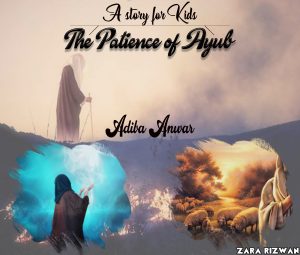
    The topic of today’s Hadith is patience and the story is about the patience of Prophet Ayoob AS.

    The discussion on the Hadith about patient

    My dear kids, let me ask you a question. What do you do when you fell or lose your favorite thing or when you get sick? Do you cry? Or do You get worried? But my dearest, if you would do saber and show your strengths in that awkward situation Allah would give you a reward and He will be happy with us. Same as Allah was happy with Prophet Ayoob AS. 

    Hadith

    The story of Prophet Ayob A.S

    Prophet AS. Prophet Ayoob AS  was the most patient man on this earth. Allah gave him healthy and prosperous life. But he never got arrogant but he helped others. He used to say Alhamdolilah and prostate more and more after getting a blessing from Allah.  Allah was very happy with him.

    Once two angels were talking about Prophet Ayoob AS. They were saying Ayoob AS is the best person on this earth. Allah had chosen him just because of his obedience,  patience, and Ibada. He is a good exam of a true believer in Allah. 

    Because of these qualities, Allah granted him, a long, wealthy life, good health, and many children. He is very good with family friends and servants, he frees the slaves and spends money on the poor. Shytan was listening to all this. He got angry with jealousy.  He wanted to snatch all his wealth and prosperity.  

    He tried many tricks to stop Yaqoob AS, but he was steadfast.  He never stopped good deeds. After failing, one-day shytan recalled Allah and said, O Allah! Ayoob is so grateful just because he has everything in his life.

    His life is full of blessings.  I challenge If you would snatch all his blessings he would be complaining and no more grateful to you.

    Allah replied! “No, it would not happen. He would not lose his dignity and gratefulness even if he had nothing.” Shytan said, ” O Allah allow me to do so, I will snatch all from him. And mislead him. Hence he would be ungrateful.

    Allah said, “Go and do whatever you can. You will find my servant more obedient and patient. 

    Then shytan started his job. He recalled all his helpers.  He started from his wealth and business. He destroyed all his fields and killed his cattle. Nothing was left.

      And then shytan went to meet Ayoob AS in the form of an old man and showed his empathy. He said you lost all your wealth. It is very sad. It is just because you were always busy in your Ibada and you don’t look after your business.

    On the other side, you were giving a lot of Sadqa. But Ayoob AS did not agree with him. He said it’s just a trial from Allah and Allah is very kind to me always.

    Then he started to prostrate.  Shayan was disappointed.  Now the devil was more in anger. Then shytan thought that everyone love his children and family. So I would attack his family. He called all his helpers and attacked his house.

    His helpers lifted the house of Ayoob AS and crashed down. All his children died in this accident only his wife was alive.  Ayoob AS heard this news with a broken heart. , he was worried and sad. But he didn’t complain.

      Shytan went to meet him again as a friend. And said, “you are a true believer of Allah and a very true servant of Allah. Allah did this very wrong with you”. Ayoob AS said “it is Allah’s will. It is a trial from  Allah. He gives and takes it back.

    Then Ayoob AS started to prostrate Allah gratefully.  Shytan was in great anger. He was burning with anger. But He was not disappointed. He came back with another supper Idea. 

    Now he was going to attack his health. He wanted him to make him so weak that he could not do Ibada. So Ayoob AS was affected with a very bad skin allergy.

    His disease was so bad that even his relatives and people of the village left him and kicked out him of the village. He started to live in a hut outside the village with his wife.  His wife took care of him. He got sick for a long time. He was very patient. He never cried. He was still praising Allah. He and his wife were spending their time in Ibada.

    Shytan has failed. He was shocked. He thought how a man could be so patient.  He has nothing,  but still praises Allah.  He thought no man could escape from me. He was wandering around the hut.

    Suddenly he saw the wife of Ayoob AS and an Idea clicked into his mind. He went to meet her and showed his sympathy. He asked about Ayoob AS and said,

    ” Ah! What a big loss.

    Once there was a time you had everything. You had many children and good wealth.  but now there is no one with you.  Ayoob AS is a true servant of Allah. But Allah is not helping him. My heart is weeping for you.”

    The women started to cry. Then she returned to her husband and said, “my dear, you are s pious servant of Allah.  Why you don’t pray to Allah to ease our troubles and end our trials?”.

    Ayoob AS Got angry.  And said, “o my poor wife Allah gave us everything for several years.  And now you want me to complain to Allah for a short trial. I know, you are trapped by shaytan. I will beat you to a hundred brooms when I am healthy again. Now go away.  I don’t need you.”

    The wife was regretful. She went out. Meanwhile then the angel of Allah came to meet Ayoob AS. He said” you are successful.  ALLAH  is happier with you now. Your trial has ended.”

    Ayoob’s AS disease has disappeared. Her wife returned back. He fulfilled his swear by touching her 100 times with a bunch of grass. Later they got more children and wealth. 

    This is how Allah showers his blessings at true believers. ء

    This Story In Urdu

    The video Of This story

    This story is written for our 30-short hadith with stories course for kids. You can join this course. We offer online classes for a very reasonable fee.

    This course is also helping Homeschooling mothers in different ways. You can get all resources from my website to teach your child 30 short hadiths at home. We have videos, written stories, worksheets, and a full teaching method. So contact us if you need to get these helpful resources.

    This course could be done online for free with the help of our free hadiths and stories. You can read English stories here and
    . Free hadith book in pdf is available on our homepage and the workbook is available to buy at our courses sign-up page.

    Or you can join our online classes to learn about Islam. List of courses/ Classes we have

    • Online Quran classes for beginners
    • Online Quran recitation and Memorisation classes
    • Islamic education for children
    • Seerah course
    • Ramzan boost course
    • Faith boost course
    • Rights of parents course
    • Prayer for kids course

    How was your experience visiting our site? If this course helped you? Please leave your thoughts. If you have any questions, you can ask them in the Question tab. If you want to connect with us via Email, then email here

  • Story 15 Eng| Why Qibla was changed?A new story

    Story 15 Eng| Why Qibla was changed?A new story

    Welcome to our short course for kids and adults. This course has been designed for personality development.

    We have the best stories to understand the meaning of the hadiths and to learn how we can apply the sunnah of Prophet Muhammad S.AW in our daily life.

    All hadiths and stories in English and Urdu are available on our site. You can visit the menu to search for stories with series.

    The story no 15

    Lesson no 16

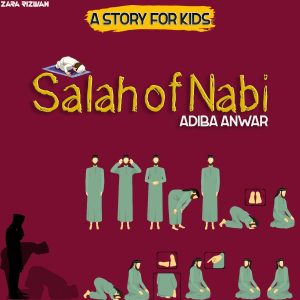
    The topic : Salah of Nabi SAW

    Story Qibla was changed.

    hadith

    Prayer of Nabi SAW

      This Hadith is about prayer and following the Sunnah of Prophet Muhammad SAW. All of us know, When we offer our prayers, we need to follow all the Sunnah and methods of Our Nabi. We can’t add anything from it and We can’t leave any step.

    The Story of Changing the Qiblah

    The story of this Hadith is about the time of changing the Qibla Awal. When after the migration from Makkah to Medina Qibla was changed. It was a big trial for Muhammad SAW and for His companions as well. But the true believers followed him and never argued for that.

    hadith

    When Islam was revealed in Makkah,  the Kabah was the Qiblah in which direction Muslims used to offer Prayer. Kaaba was built by Prophet Ibraheem and His son. And it is the oldest and first house of Allah.

    Once Holy Prophet BBUH  was ordered by Allah to turn towards Jerusalem to Pray.

    Muslims complied with this divine instruction and continued to do so. all the companions of the Holy Prophet obeyed the instructions and never raised any objection or argument. 

     In Madinah, there was a big number of Jews. Jews were used to doing their holy rituals in the direction of Bait-ul-Maqdas( Jerusalem). Bait-ul-Maqdas was built by Prophet Sulemon and also the House of Allah. 

    My dear students,  

    This was just to Make Jews understand that Islam is not a different religion. It was the religion of Prophet Mosa and all other Prophets. And Muslims also have a firm belief in all prophets and books. 

    Prophet PBUH tried his best to lead Jews so that Jews may accept Islam. But they didn’t. Just a few Jews believed in and accepted Islam. Others became enemies of Islam and the holy Prophet PBUH. They started to create hurdles and hidden plans against Muslims. 

    After 17 months, Allah ordered Muslims to change their direction and pray towards Kabah.

    Dear children1

     This was the time of Asr’s prayer. All Muslims were offering their prayer following Muhammad SAW.  In the meantime, The order of Allah was revealed to Prophet, Turn your sides towards Holy Kabah. So Prophet PUH turned back and changed direction.

    All companions of Our Prophet started to move and go back to the Holy Prophet PBUH in a moment. 

    No question was raised. Any Sahabi doesn’t ever argue or refused to turn back. This is the teaching of Islam And the key point for us is that we should accept all the orders of Allah and his Prophet without any argument.

    No complaining, no arguments. Just obey and follow Sunnah and Quran.

    In the end, don’t forget to write Hadith in the Hadees book. And share the picture of the Hadith for other activities you did for this Hadith. So that your kids would get the certificate of completing their Ahadith.

    May Allah make it easy for you.

    Note: -Spread this Hadees with your family and friends so that more people would benefit from it.

    This story in Video
    Worksheet for this Hadith and story

    You can buy this Book of 35 colouring pages. Comment to get a copy.

    This course could be done online for free with the help of our free hadiths and stories. You can read English stories here and
    . Free hadith book in pdf is available on our homepage and the workbook is available to buy at our courses sign-up page.

    Or you can join our online classes to learn about Islam. List of courses/ Classes we have

    • Online Quran classes for beginners
    • Online Quran recitation and Memorisation classes
    • Islamic education for children
    • Seerah course
    • Ramzan boost course
    • Faith boost course
    • Rights of parents course
    • Prayer for kids course

    How was your experience visiting our site? If this course helped you? Please leave your thoughts. If you have any questions, you can ask them in the Question tab. If you want to connect with us via Email, then email us here

    Some pictures about Learn the Sunnah and method of Prayers