Tag: Islamic books

  • Islamic Online Education: A Guide to Best Curriculum(8 to 10)

    Islamic Online Education: A Guide to Best Curriculum(8 to 10)

    Islamic Online Education Curriculum for Children Aged 8 to 10: Building Strong Foundations for 21st-Century Muslims

    online education

    Introduction:

    The 121 Islam for Kids Online Institute is dedicated to providing comprehensive and age-appropriate Islamic education for Muslim children aged 8 to 10 years old. Our curriculum is designed to instill a strong understanding of core Islamic beliefs, principles, and values while also fostering respect for diversity and promoting good character and manners. With a focus on interactive and engaging methods, our program aims to empower children to become confident, compassionate, and responsible young Muslims.

    Online Education Curriculum Modules:

    Module 1: Basic Fiqh

    Objective: To introduce children to the fundamental principles of Islamic Jurisprudence (Fiqh) and guide them in applying Islamic teachings to their daily lives.

    1.1 Five Pillars of Islam:

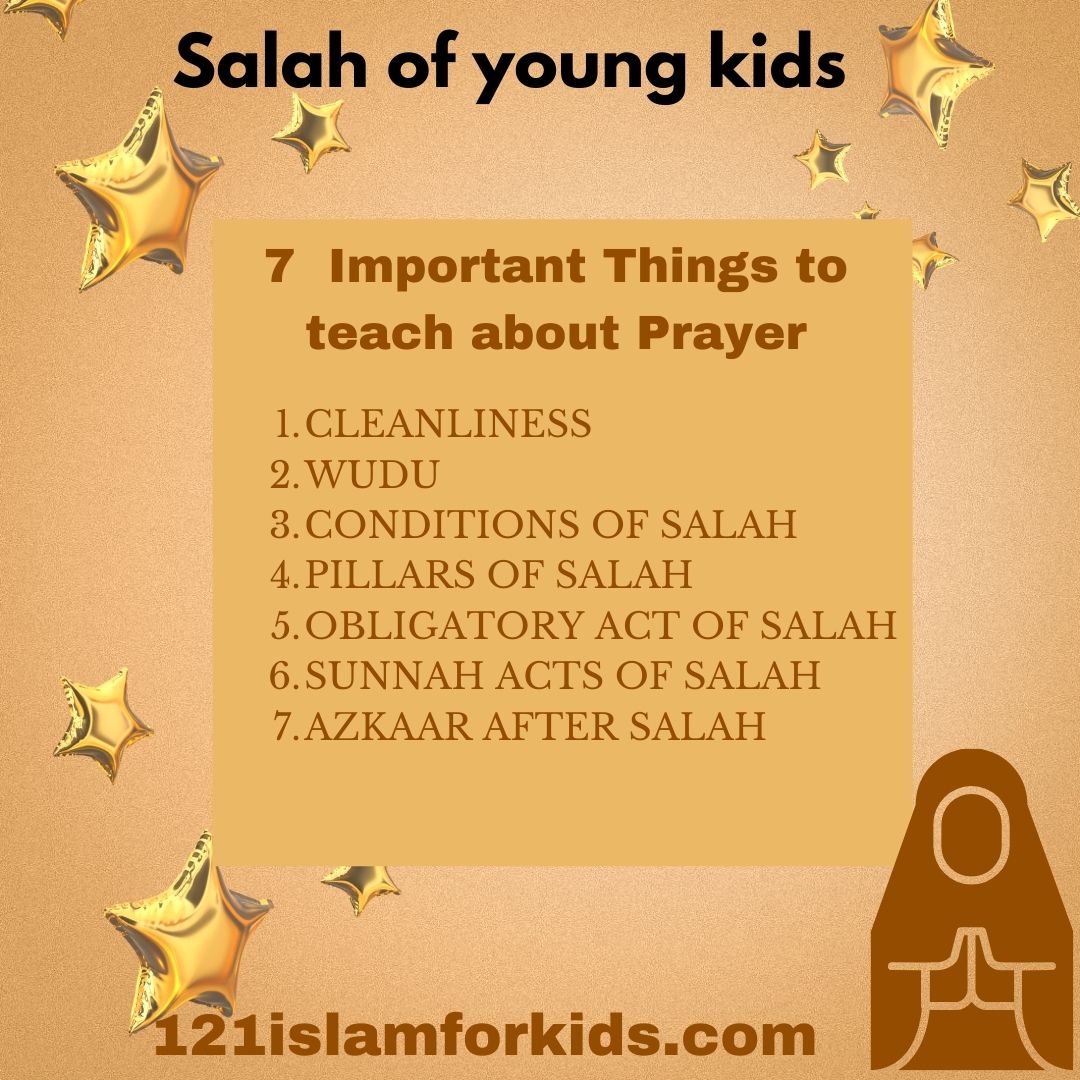
    1.2 Wudu and Salah:

    • Explain the importance of cleanliness (Taharah) and how to perform Wudu (ablution).
    • Guide children through the steps of performing Salah and its importance in daily life.

    Module 2: Core Islamic Beliefs

    Objective: To provide children with a strong understanding of the foundational beliefs of Islam.

    2.1 Oneness of Allah (Tawheed):

    • Teach the concept of Tawheed and the importance of monotheism in Islam.
    • Introduce the 99 Names of Allah (Asma-ul-Husna) and their meanings.

    2.2 Belief in Angels, Prophets, Scriptures, Books, and Day of Judgment:

    • Introduce the concept of angels and their roles in Islam.
    • Teach about the important prophets and their books, including Prophet Muhammad (PBUH), and the divine scriptures.
    • Fate and Day of Judgment

    Module 3: Introduction to Other World Religions

    Objective:

    To promote interfaith understanding and respect for diversity while reinforcing the uniqueness of Islamic beliefs. You can read this topic in detail ‘Understanding Religion and Its Role in Our Lives – A Guide for Muslim Kids (8-10)’

    3.1 Comparative Religion:

    • Introduce children to the basics of major world religions, such as Christianity, Judaism, and Hinduism.
    • Emphasize similarities and differences between these religions and Islam.

    Module 4: Tafseer of Short Surahs

    Objective: To help children understand the meanings and lessons behind short surahs (chapters) from the Quran.

    4.1 Surah Al-Fatiha:

    • Explore the significance of Surah Al-Fatiha as the opening chapter of the Quran.
    • Explain the meanings and implications of the verses within this surah.

    4.2 Surah Al-Asr and Surah Al-Ikhlas:

    • Provide a detailed explanation of Surah Al-Asr and its relevance to time management and mindfulness.
    • Elaborate on the profound meanings of Surah Al-Ikhlas, emphasizing the concept of Tawheed.

    Module 5: Explanation of Hadiths with Stories and Worksheets

    Objective: To engage children with stories and activities that illustrate the wisdom and guidance found in Hadiths.

    5.1 30 short Hadiths:

    • Share Hadiths that highlight the topics of hadith with an explanation.
    • Encourage children to emulate the Prophet’s (PBUH) compassionate character.

    5.2 Story related to the topic

    • We will tell stories from Seerah and prophets stories related to the topic
    • We encourage students to discuss and reflect on the lesson learned from the story
    • We encourage students to share the hadith and story with others.

    5.3 Worksheets and Interactive Activities:

    • Provide interactive worksheets and activities to reinforce the understanding of Hadiths and their practical application.

    Module 6: Seerah of Prophet Muhammad (PBUH) and Other Prophets

    Objective: To introduce children to the life and teachings of Prophet Muhammad (PBUH) and other esteemed prophets.

    6.1 Seerah of Prophet Muhammad (PBUH):

    • Narrate key events from the life of Prophet Muhammad (PBUH), highlighting his character and teachings.
    • Emphasize the importance of following his example in daily life.

    6.2 Stories of Other Prophets:

    • Introduce stories of Prophet Ibrahim, Prophet Musa, Prophet Isa, and others, underscoring the common message of monotheism and morality.

    Module 7: Islamic Manners and Etiquettes

    Objective: To instill good manners, etiquette, and the importance of respecting elders and peers.

    7.1 Dress Code in Islam:

    • Teach the significance of modesty and appropriate Islamic dress for boys and girls.
    • Explain the concept of hijab and its various interpretations.

    7.2 Rights of Parents and Elders:

    • Highlight the respect and kindness that children should show towards their parents and elders.
    • Encourage children to be grateful for their caregivers’ efforts.

    7.3 manners – 121 Islam for Kids:

    • Promote kindness, honesty, and integrity in children’s interactions with others.
    • Emphasize the value of empathy and compassion in Islam.

    Conclusion:

    At the 121 Islam for Kids Online Institute, we are dedicated to providing an interactive and all-inclusive curriculum that will help shape young Muslim minds. Our program is designed to focus on fundamental Islamic values, ethics, and manners, which will help to establish a strong foundation in faith and character. We also aim to instill a sense of open-mindedness and respect towards diverse beliefs, thereby encouraging children to actively participate as responsible members of their communities and the world at large. Through our curriculum, we strive to equip the next generation with the knowledge and tools needed to uphold the principles of Islam and make positive contributions to society.

    How does this guide Islamic online education curricula? Let us know in the Comment box

    Do you want to add any other module to this list?

  • How to start Muslim homeschooling? 8 steps guide

    How to start Muslim homeschooling? 8 steps guide

    muslim homeschool

    Starting Muslim homeschooling can be a rewarding experience for both parents and children. As a parent, you have the opportunity to provide your child with a tailored education that aligns with your values and beliefs. Here is a detailed guide on how to start a Muslim homeschooling program:

    The first step in starting a Muslim homeschooling program is to research the legal requirements in your state or country. Laws and regulations can vary widely from one location to another. In the United States, for example, homeschooling is legal in all 50 states, but the specific requirements can vary depending on where you live. To ensure that you are in compliance with the law, start by researching the homeschooling laws and regulations in your area.

    Step 2: Goals and objectives

    Define Your Educational Goals and Objectives The next step is to define your educational goals and objectives. As a Muslim homeschooling parent, you have the flexibility to tailor your child’s education to your values and beliefs. Start by considering the subjects that are important to you and your family, such as Islamic Studies, Arabic Language, and Quranic Studies. You may also want to consider other subjects, such as Math, Science, and Social Studies.

    Step 3: Curriculum (Get Books)

    Choose a Curriculum Once you have defined your educational goals and objectives, the next step is to choose a curriculum. There are many options available online, including secular curricula that can be adapted to a Muslim homeschooling program, as well as specialized Muslim curricula.

    There are many curriculums and books available for Muslim homeschooling families. Here are some popular options:

    1. The Islamic Education Series: This is a comprehensive Islamic curriculum that covers all aspects of Islamic studies for children from kindergarten through grade 12. It is published by the International Islamic Publishing House.
    2. Noorart: Noorart offers a variety of Islamic curriculums and textbooks for children of all ages. Their curriculums cover Quran, Islamic studies, the Arabic language, and more.
    3. Islamic School Book: This is a series of textbooks published by the Islamic Services Foundation that cover Islamic studies, the Quran, and the Arabic language for children in grades 1-12.
    4. I Love Islam: (Get Books) This is a comprehensive Islamic curriculum for children from kindergarten through grade 5. It is published by the Islamic Services Foundation.
    5. A Guide to Islamic Studies: This is a comprehensive curriculum for Islamic studies for children from kindergarten through grade 12. It is published by the Muslim American Society.
    6. The Seerah Trail: (Get Book)This is a unique Islamic curriculum that teaches the life of the Prophet Muhammad (peace be upon him) through a trail format. It is designed for children aged 7-11.
    7. Learning Roots: (Get Books) Learning Roots offers a variety of Islamic books and resources for children of all ages. Their books cover topics such as Quran, Islamic studies, and Arabic language.

    These are just a few of the many curriculums and books available for Muslim homeschooling families. It’s important to research and find a curriculum that fits your family’s needs and goals.

    Some popular Muslim homeschool curricula include:

    Be sure to research the different curricula available to find the one that best meets your needs and goals.

    Step 4: Plan Your Lessons

    Plan your lessons With your curriculum in hand, it’s time to plan your lessons. Start by breaking down the curriculum into manageable units and then plan the lessons for each unit. Be sure to allocate enough time for each subject and use a variety of teaching methods to keep your child engaged.

    Step 5: Get the Necessary Resources

    To effectively homeschool your child, you will need the necessary resources. This may include textbooks, workbooks, educational software, and other materials. Many resources are available online, or you may be able to find them at local homeschooling stores or Islamic bookstores. ( View or Buy)

    When it comes to homeschooling, there are several resources that are necessary to ensure a successful and effective learning experience. Here are some essential homeschool resources:

    1. Curriculum: A curriculum is the backbone of homeschooling. It provides a structured framework for learning and ensures that the child is learning what they need to know. There are many options for homeschool curriculums, including religious-based curriculums, secular curriculums, and online curriculums.
    2. Learning Materials: Learning materials include textbooks, workbooks, worksheets, and other materials that are used to teach specific subjects. These materials are often part of the curriculum, but they can also be purchased separately or found online.
    3. Supplies: Homeschooling requires various supplies, such as pencils, paper, art supplies, and manipulatives for math. Having the necessary supplies on hand is important for ensuring that the child has everything they need to complete their work.
    4. Technology: In today’s world, technology is an essential part of homeschooling. Computers, tablets, and educational software can enhance the learning experience and provide a wealth of information and resources.
    5. Support: Homeschooling can be challenging, and having a support system is essential. This can include other homeschooling families, online groups, co-ops, and tutors.
    6. Field Trips: Field trips provide a hands-on learning experience and are an essential part of homeschooling. Trips to museums, historical sites, and other educational destinations can help bring learning to life.
    7. Assessment Tools: Assessment tools, such as tests, quizzes, and progress reports, are essential for tracking the child’s progress and ensuring that they are meeting learning objectives.

    These resources are essential for successful homeschooling. However, it’s important to remember that every family’s needs are different, and what works for one family may not work for another. It’s important to do research and find the resources that work best for your family’s unique needs and goals.

    Step 6: Join Muslim Homeschooling Group

    Joining a Muslim homeschooling group can provide valuable support and resources for both parents and children. These groups may offer online forums, in-person meetings, and other resources to help you connect with other Muslim homeschooling families. Some popular Muslim homeschooling groups include:

    • Muslim Homeschoolers Unite
    • Muslim Homeschooling Resources
    • Muslim Homeschool Network

    Some Muslim homeschool groups on Facebook

    There are many Muslim homeschooling groups on Facebook that offer support and resources to Muslim homeschooling families. Here are some of the popular Muslim homeschooling groups on Facebook:

    1. Muslim Homeschoolers Unite: This is a global community of Muslim homeschooling parents and educators. The group offers support, resources, and advice on Muslim homeschooling.
    2. Muslim Homeschooling Resources: This group is a resource hub for Muslim homeschooling parents. The group shares free resources, curriculum ideas, and tips for Muslim homeschooling.
    3. Muslim Homeschool Network: This group is for Muslim homeschooling parents and students. The group shares advice, resources, and support for Muslim homeschooling families.
    4. Muslimah Homeschool: This is a group for Muslim women who homeschool their children. The group offers support, resources, and advice on Muslim homeschooling.
    5. Islamic Homeschooling: This group is for Muslim homeschooling parents who are interested in using an Islamic curriculum. The group shares curriculum ideas, resources, and advice on Islamic homeschooling.
    6. Muslim Homeschooling Moms: This is a group for Muslim homeschooling moms to share their experiences, advice, and resources on Muslim homeschooling.
    7. Islamic Homeschooling for Little Muslims: This group is for Muslim homeschooling parents with young children. The group shares ideas, resources, and advice on teaching Islam to young children.

    These are just a few of the many Muslim homeschooling groups on Facebook. Joining a group can provide valuable support and resources for both parents and children.

    Step 7: Keep Records and Create a Portfolio (Get)

    Keeping records and creating a portfolio is essential for documenting your child’s progress and meeting legal requirements. Your portfolio should include samples of your child’s work, a record of lessons, and any assessments or evaluations.

    Step 8: Decorating and managing (view or buy)

    Decorating and managing a homeschooling space can be an important part of creating a productive and inspiring learning environment. Here are some tips for Muslim homeschool decor and management:

    1. Create a dedicated homeschool space: Designate a specific area in your home for homeschooling. This could be a separate room or a corner of a larger room. Having a dedicated space helps create a sense of structure and routine.
    2. Incorporate Islamic art and decor: Including Islamic art and decor in your homeschooling space can help create a sense of connection to Islamic culture and values. This could include Islamic calligraphy, paintings, or even decorative items such as prayer rugs or Islamic-themed wall hangings.
    3. Keep it organized: A well-organized homeschooling space can help create a calm and focused environment. Invest in storage solutions such as shelves, bins, and drawers to keep materials organized and easily accessible.
    4. Create a schedule: Having a schedule helps create structure and routine in your homeschooling day. Create a schedule that includes time for prayer, breaks, and different subjects. This can help keep your homeschooling day on track and ensure that you cover all necessary subjects.
    5. Utilize technology: Technology can be a valuable tool for homeschooling. Consider incorporating educational apps, online resources, and virtual field trips into your curriculum.
    6. Take breaks: It’s important to take regular breaks to avoid burnout and maintain focus. Encourage your child to take breaks throughout the day, and use this time to relax and recharge.
    7. Keep it comfortable: Creating a comfortable learning environment is important for ensuring that your child can focus and learn effectively. Make sure the space is well-lit, and consider adding comfortable seating or a cozy rug to create a warm and inviting atmosphere.

    These tips can help create an effective and inspiring Muslim homeschooling space. Remember to personalize your homeschooling space to fit your family’s unique needs and preferences.

    In summary, starting a Muslim homeschooling program requires careful planning and preparation. Research the legal requirements in your area, define your educational goals and objectives, choose a curriculum, plan your lessons, get the necessary resources, join a Muslim homeschooling group, keep records, and create a portfolio. With dedication and commitment, you can provide your child with a quality education that aligns with your values and beliefs.

    Here are some book suggestions for a Muslim homeschool library:

    1. “The Seerah of the Prophet Muhammad” by Ibn Kathir – This book provides a comprehensive account of the life of the Prophet Muhammad, including his teachings and character.
    2. The Quran (get)” – The Quran is the central religious text of Islam and is essential for Muslim education. Consider having a copy of the Quran in your homeschool library for reference and study.
    3. “Stories of the Prophets” by Ibn Kathir ( view books)– This book provides a collection of stories about the Prophets in Islam, including Adam, Noah, Abraham, Moses, and Jesus.
    4. “1001 Inventions: Muslim Heritage in Our World” by Salim Al-Hassani – (Get Book)This book explores the contributions of Muslim scholars and inventors to science, technology, and culture throughout history.
    5. “The Islamic Golden Age” by Jonathan Bloom and Sheila Blair – This book provides an overview of the Islamic Golden Age, a period of cultural, scientific, and artistic flourishing in the Muslim world from the 8th to the 14th century.
    6. “The Complete Idiot’s Guide to Understanding Islam” by Yahiya Emerick –(Get Book)This book provides an introduction to Islam, including its beliefs, practices, and history.
    7. “The Prophet’s Ramadan Handbook” by Dr. Taqi Hashmi and Dr. Abidullah Ghazi – This book provides guidance for observing Ramadan, including the history and significance of the holy month, fasting practices, and daily devotions.
    8. “The Muslim Family Guide to Successful Homeschooling” by Dr. Nafiisah Chowdhury – This book provides guidance and advice for Muslim families who are homeschooling their children. (Get Parenting Book)

    These books are a great starting point for a Muslim homeschool library, but there are many other books and resources available as well. It’s important to choose materials that align with your family’s values and goals for education.

    Here are some Muslim children’s books available on Amazon:

    1. “My First Quran Storybook” by Saniyasnain Khan
    2. “Allah Gave Me Two Hands and Feet” by Fatima D’Oyen
    3. “Under My Hijab” by Hena Khan
    4. “Ilyas & Duck and the Fantastic Festival of Eid-al-Fitr” by Omar Khawaja
    5. “The Story of the Elephant: Surah Al-Feel” by Hajera Memon
    6. “A to Z of Akhlaaq: Moral Values for Children” by Sr. Nafees Khan
    7. “Zaki’s Ramadan Fast” by Shaima Abdullah
    8. “What is Jannah?” by Shahada Abdul Haqq
    9. “The Adventures of Hakim: 2” by Wafa’ Tarnowska
    10. “The Perfect Gift” by J. Samia Mair

    Please note that this is just a small sample of the many Muslim children’s books available on Amazon, and there are many more titles and authors to explore.

    Muslim Parenting books to read

    Muslim children books

    121 Islam for Kids Online Classes for kids

    Online Quran classes for kids

    Online Quran Tafseer and Translation for Kids

    Online Hadith course for kids

    Islamic stories for kids