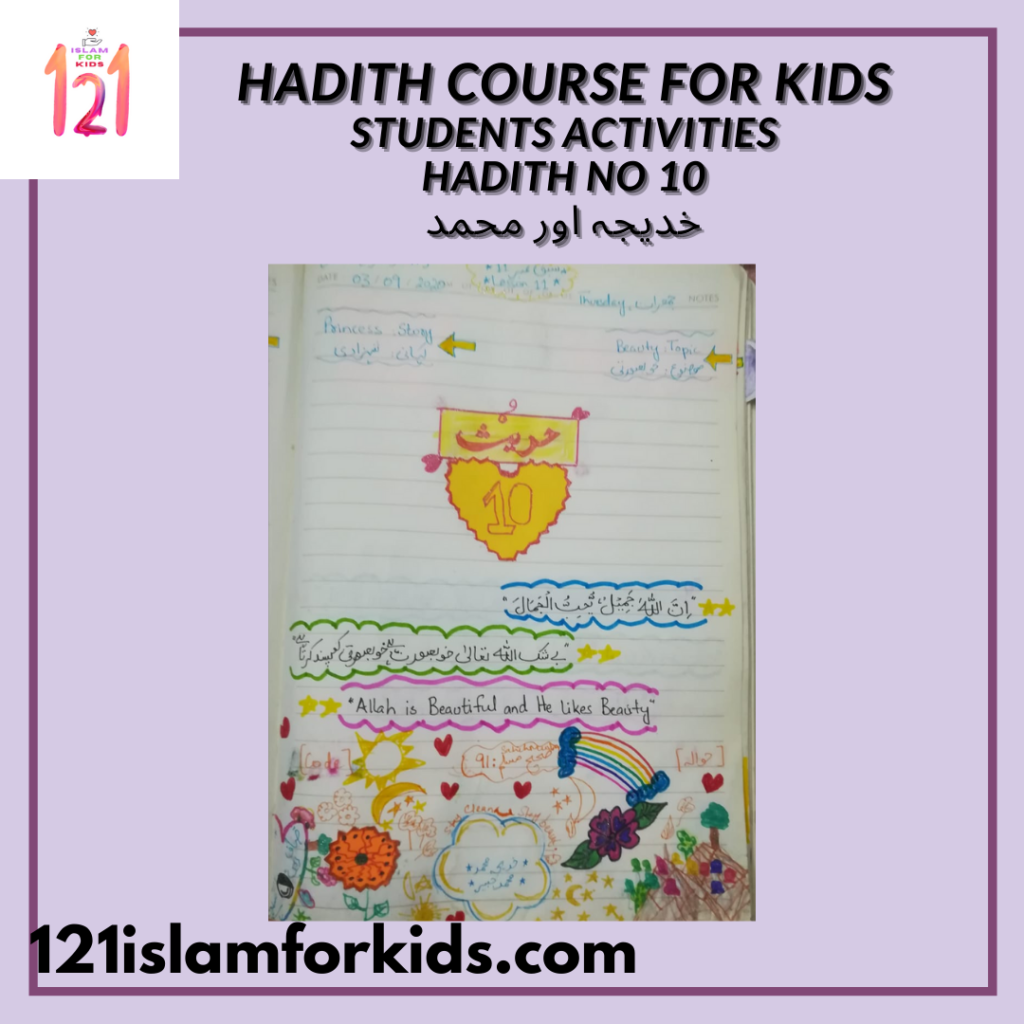
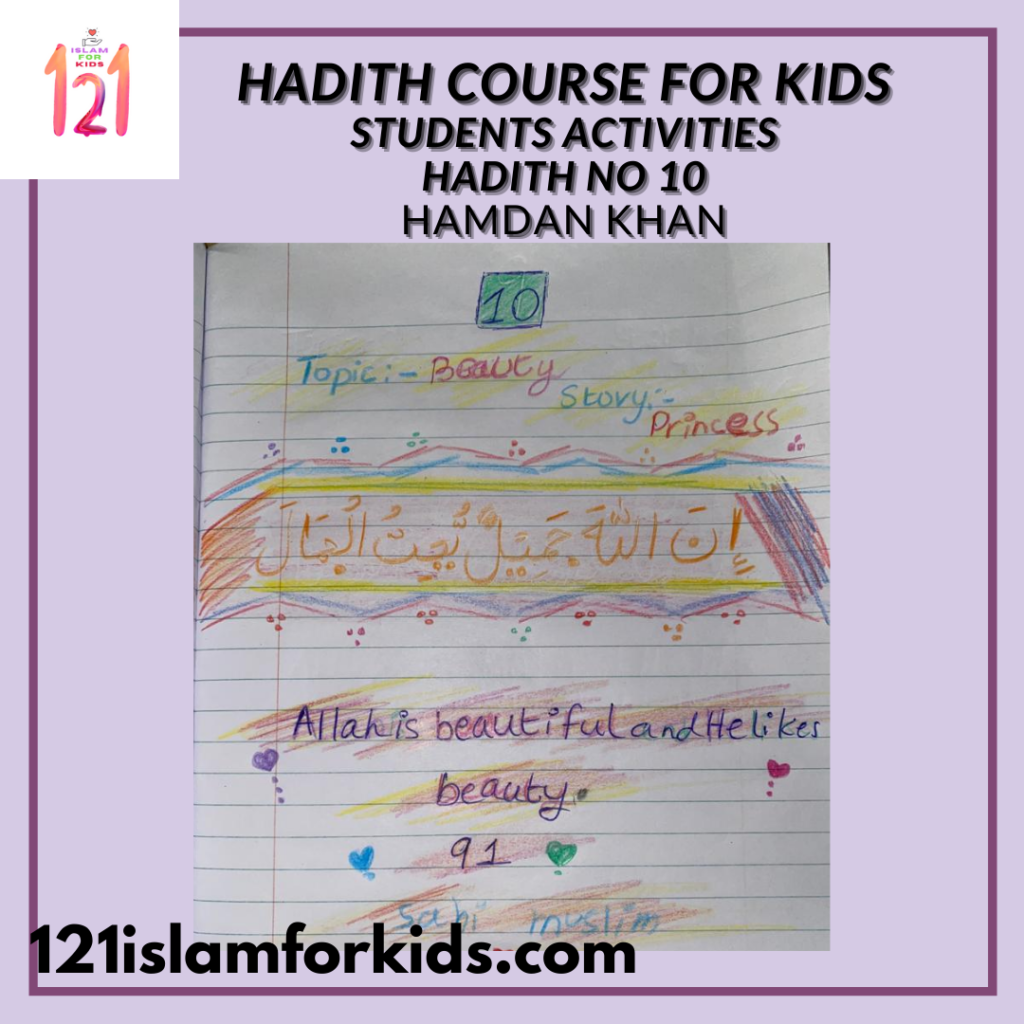
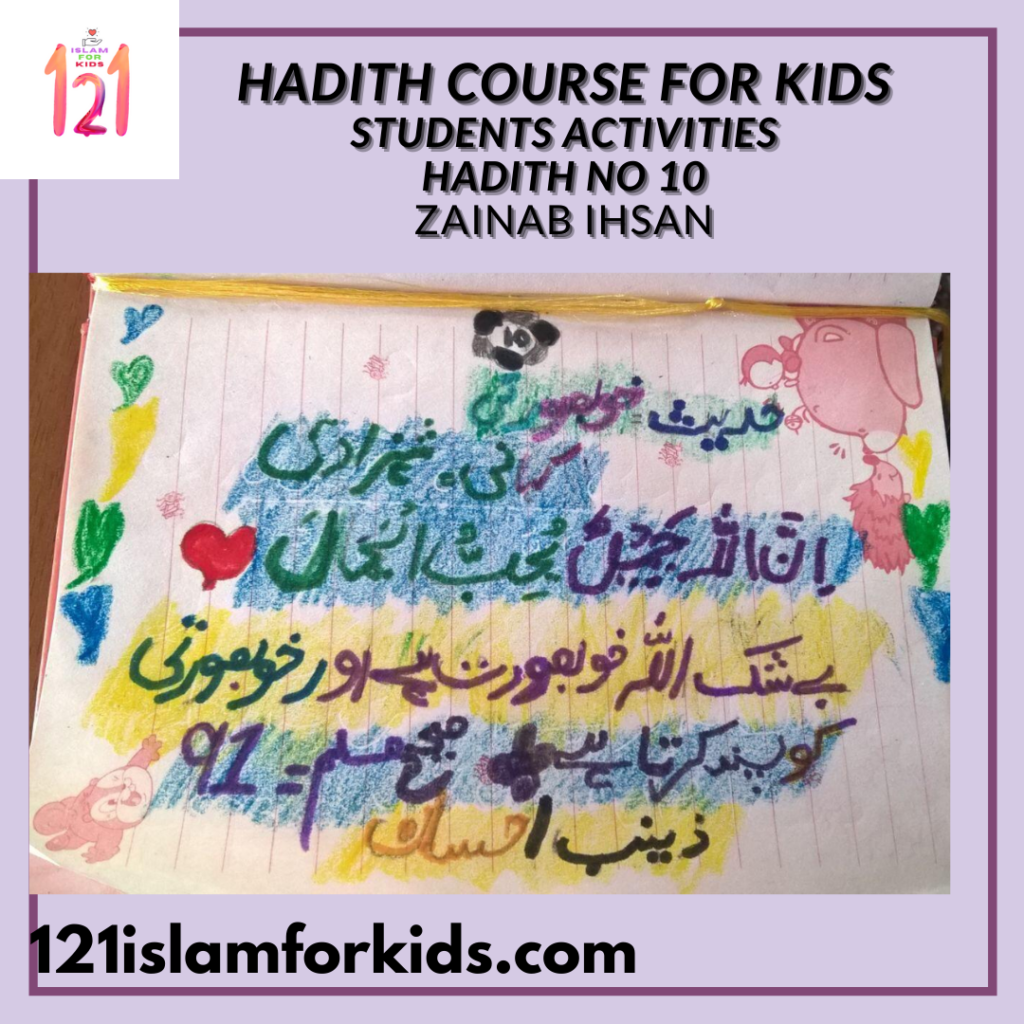
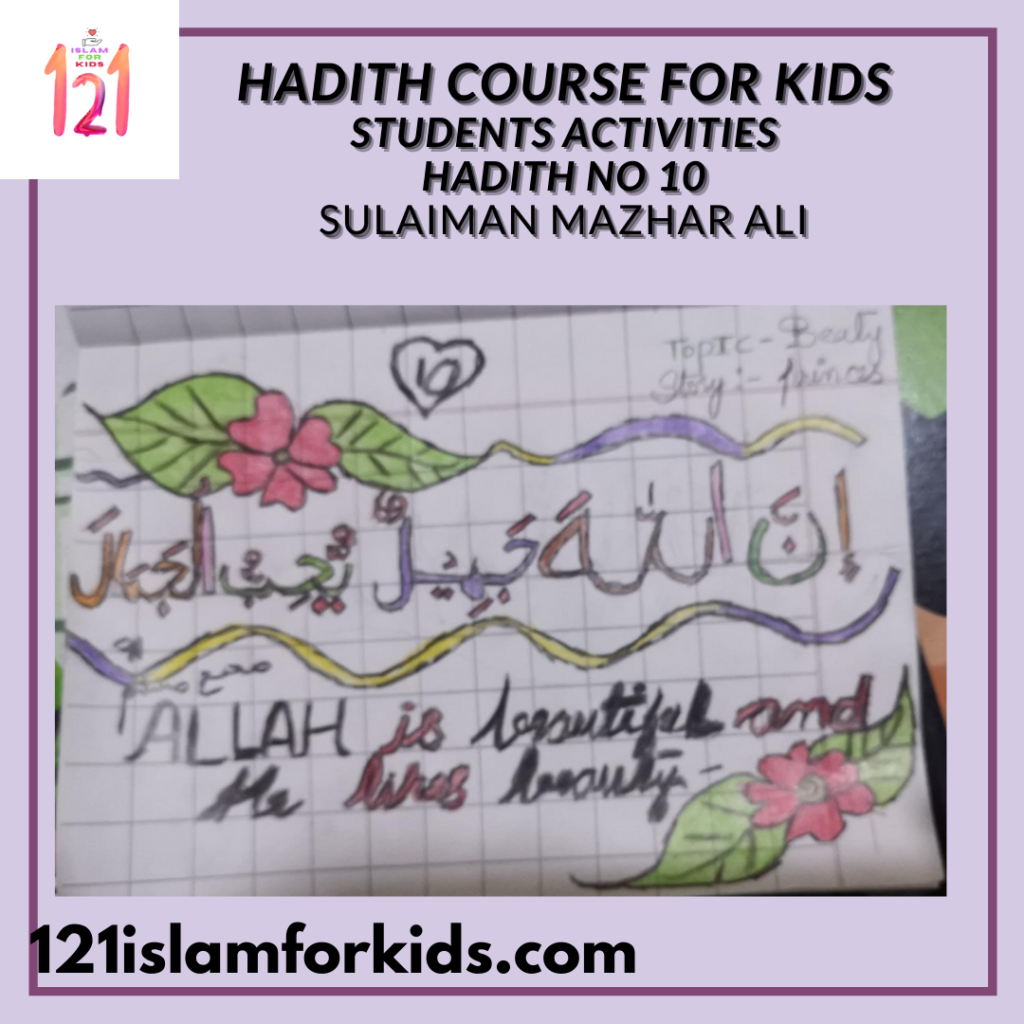
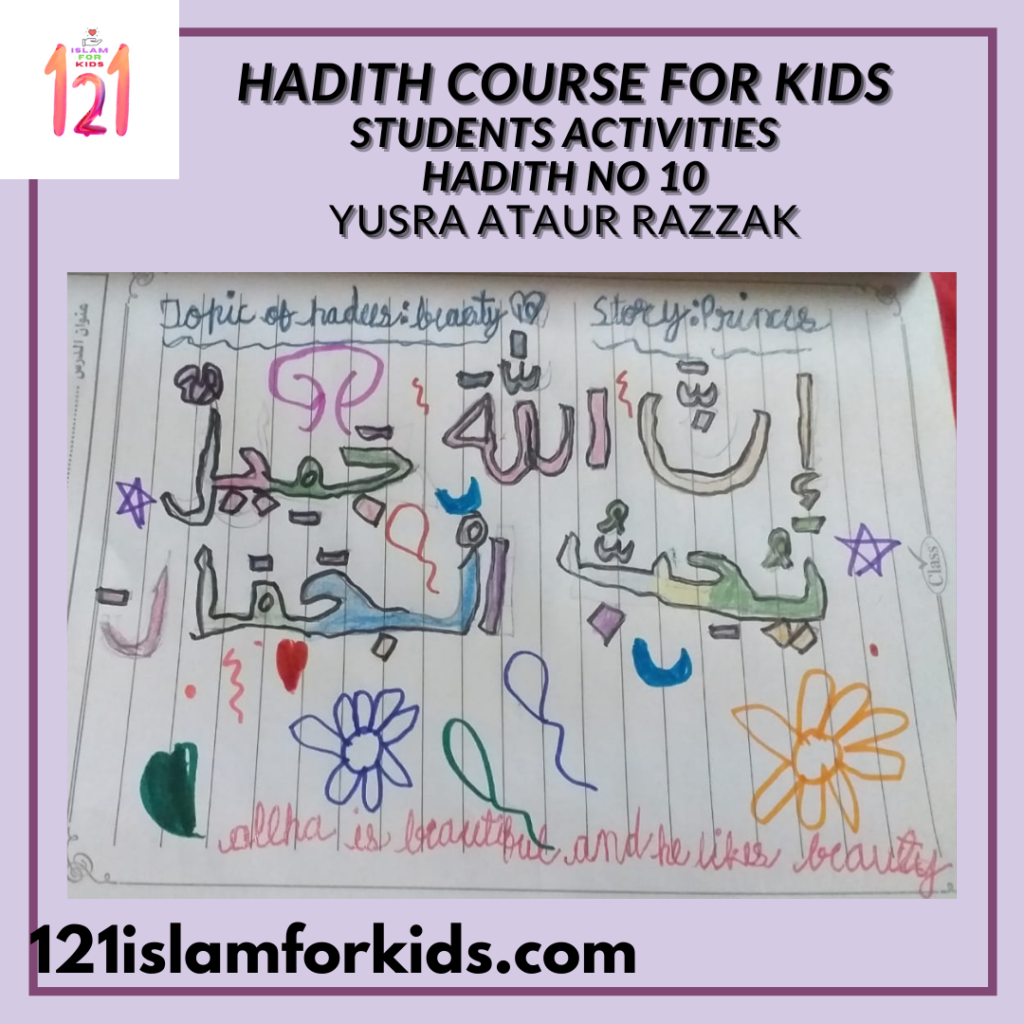
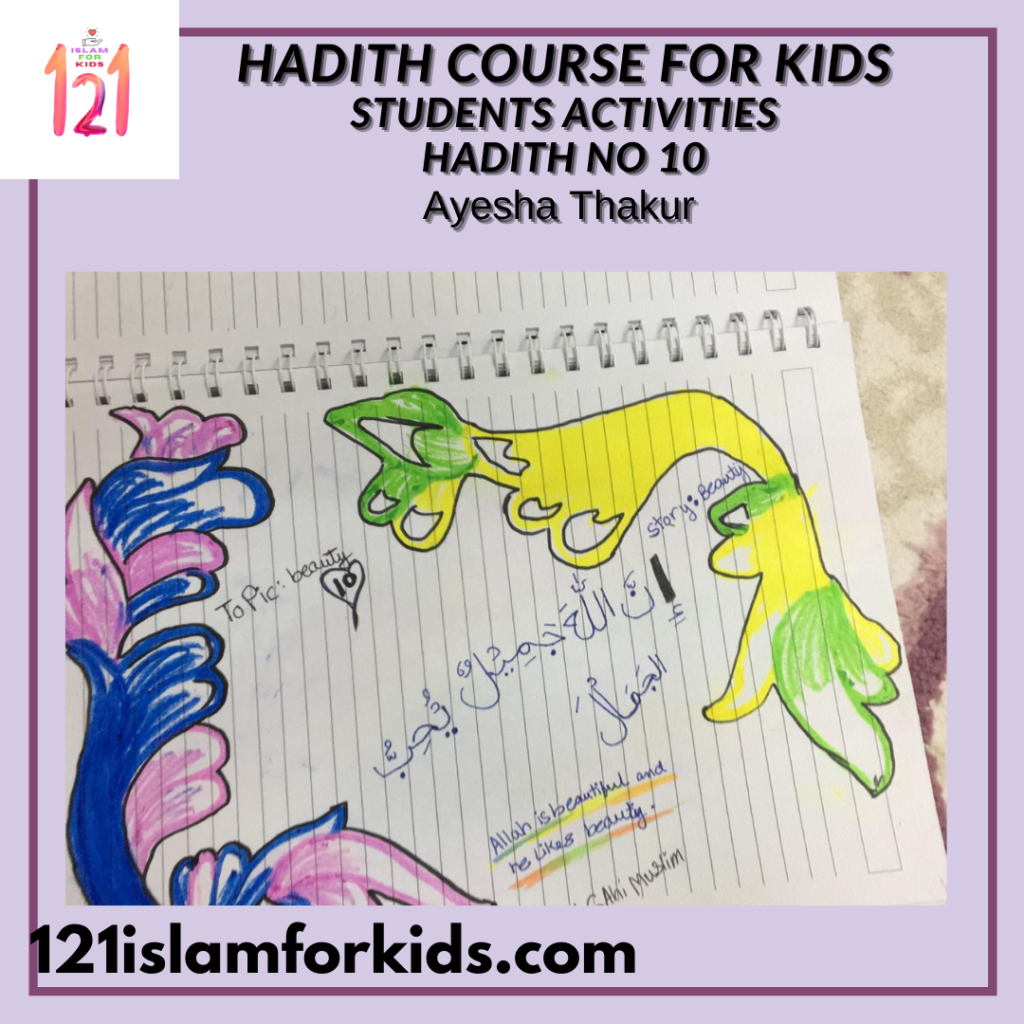
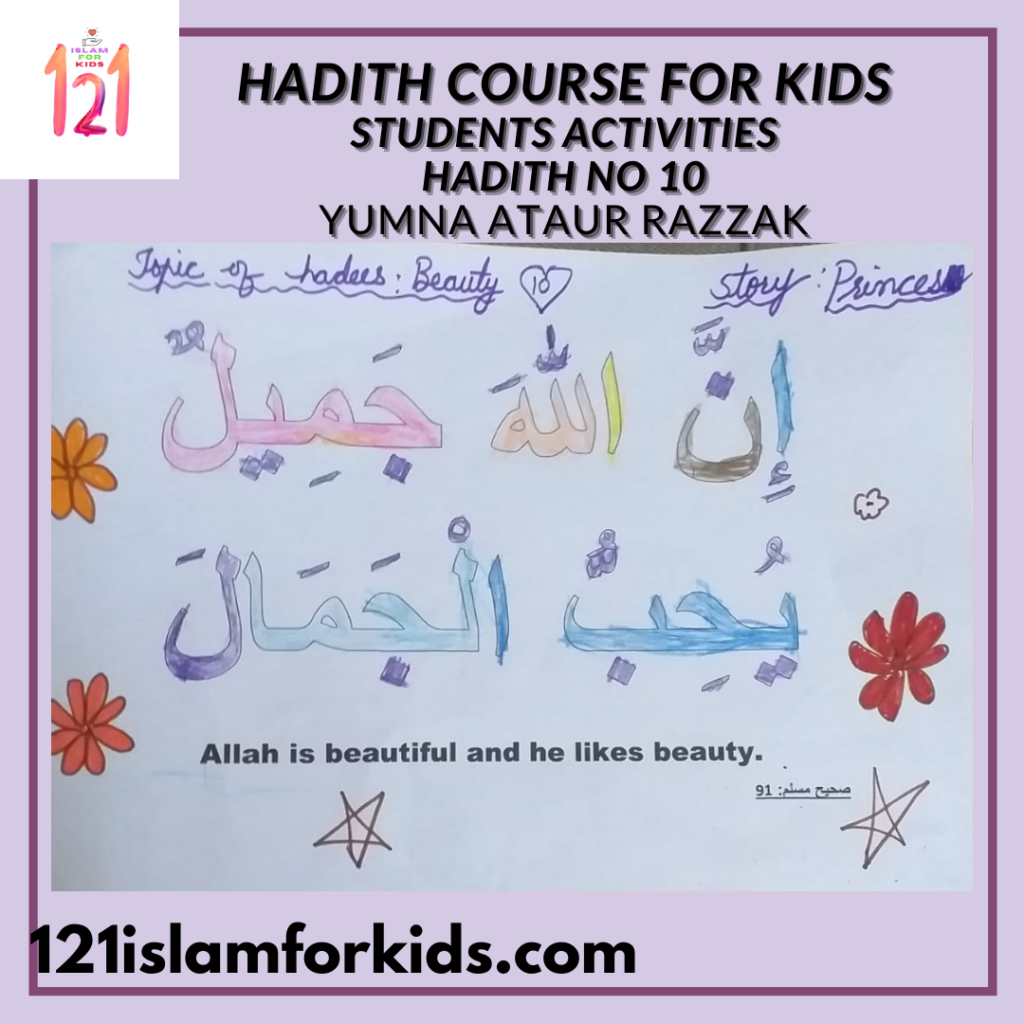
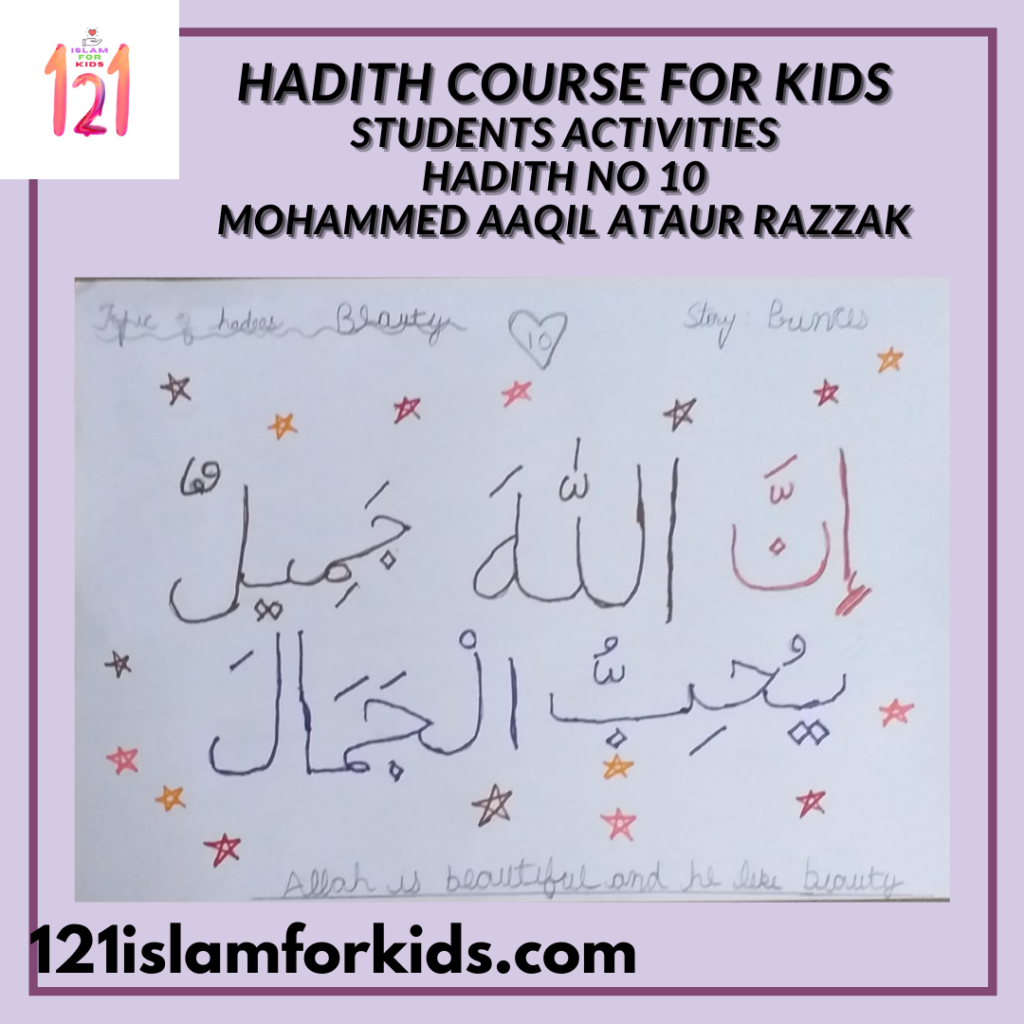
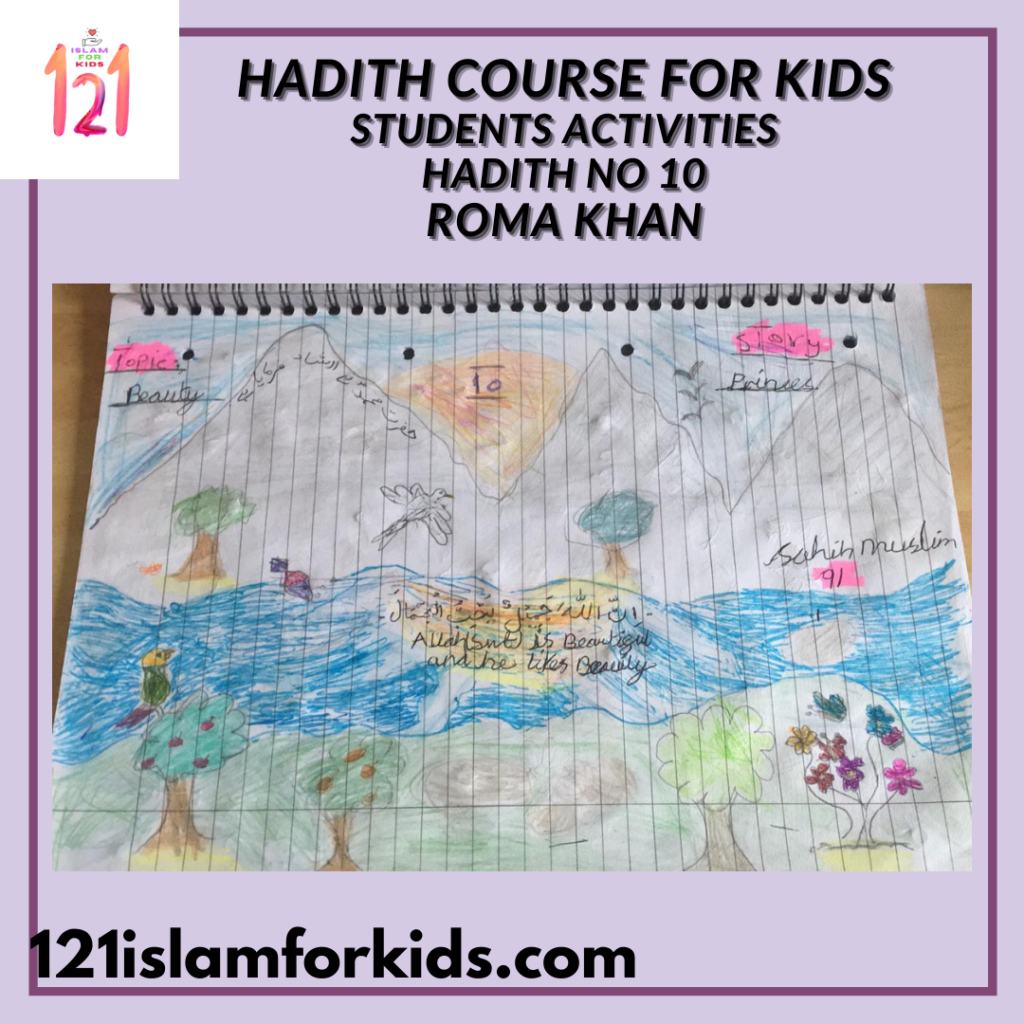
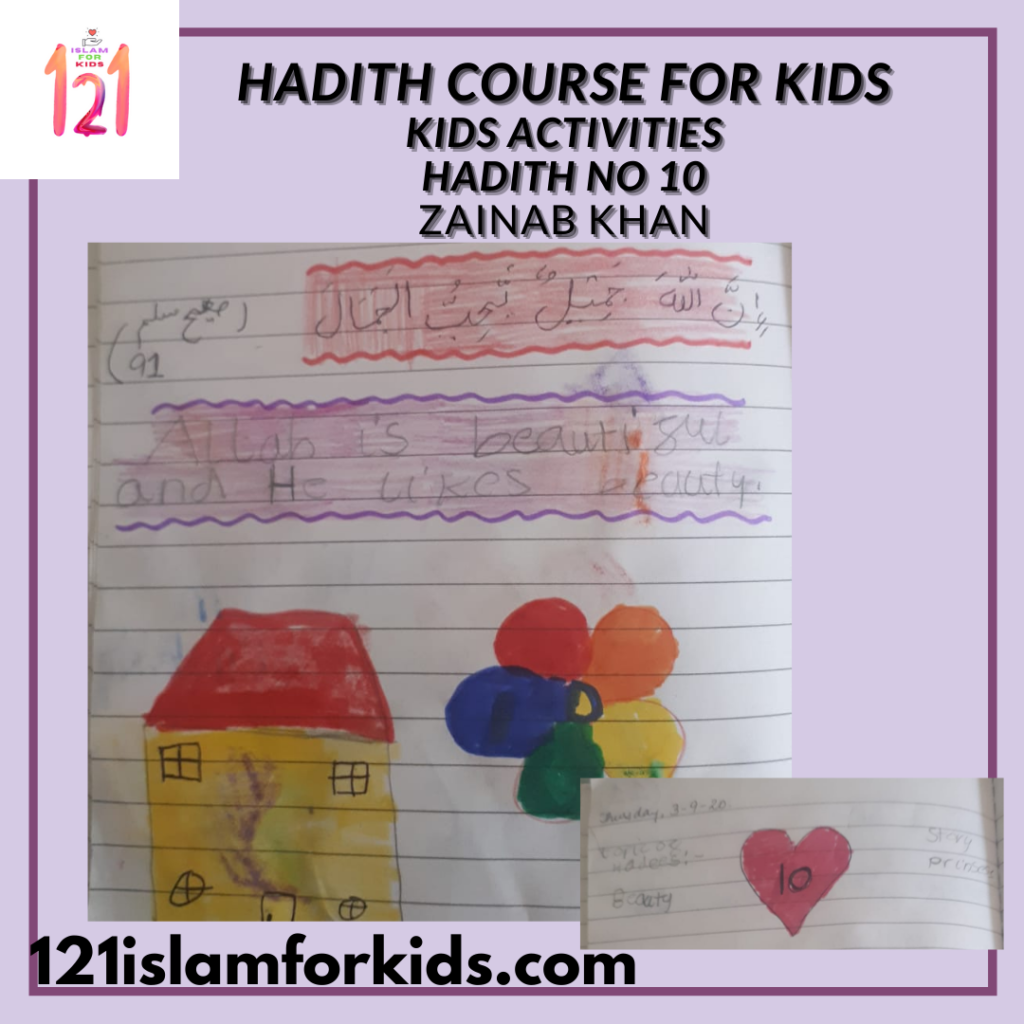
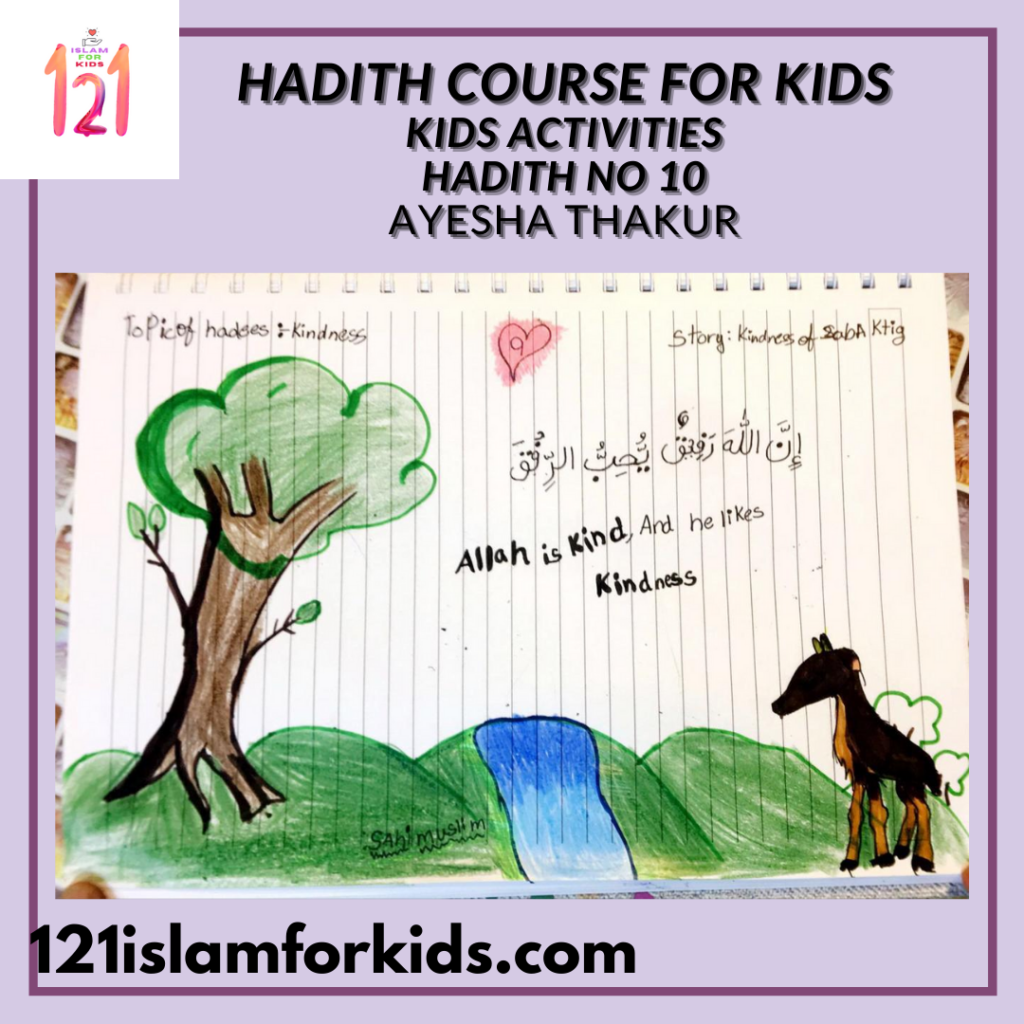
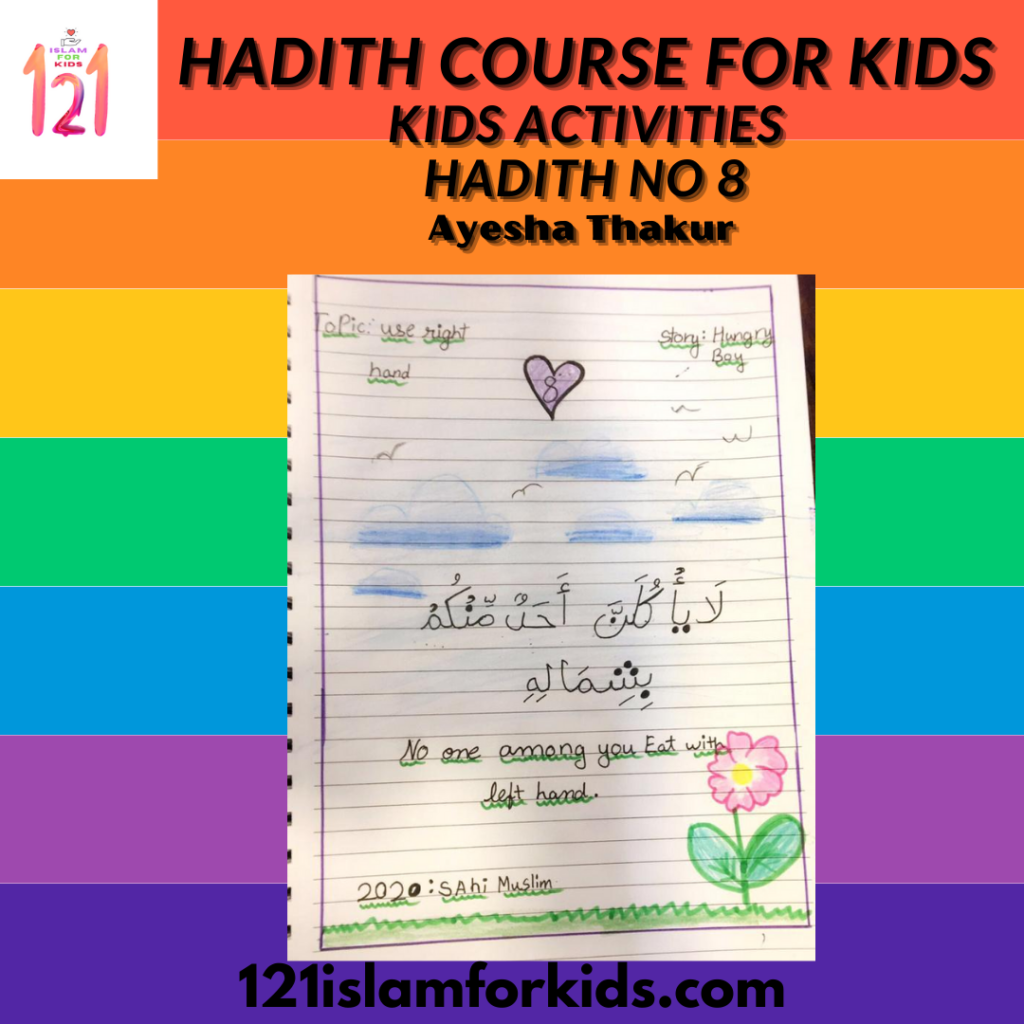
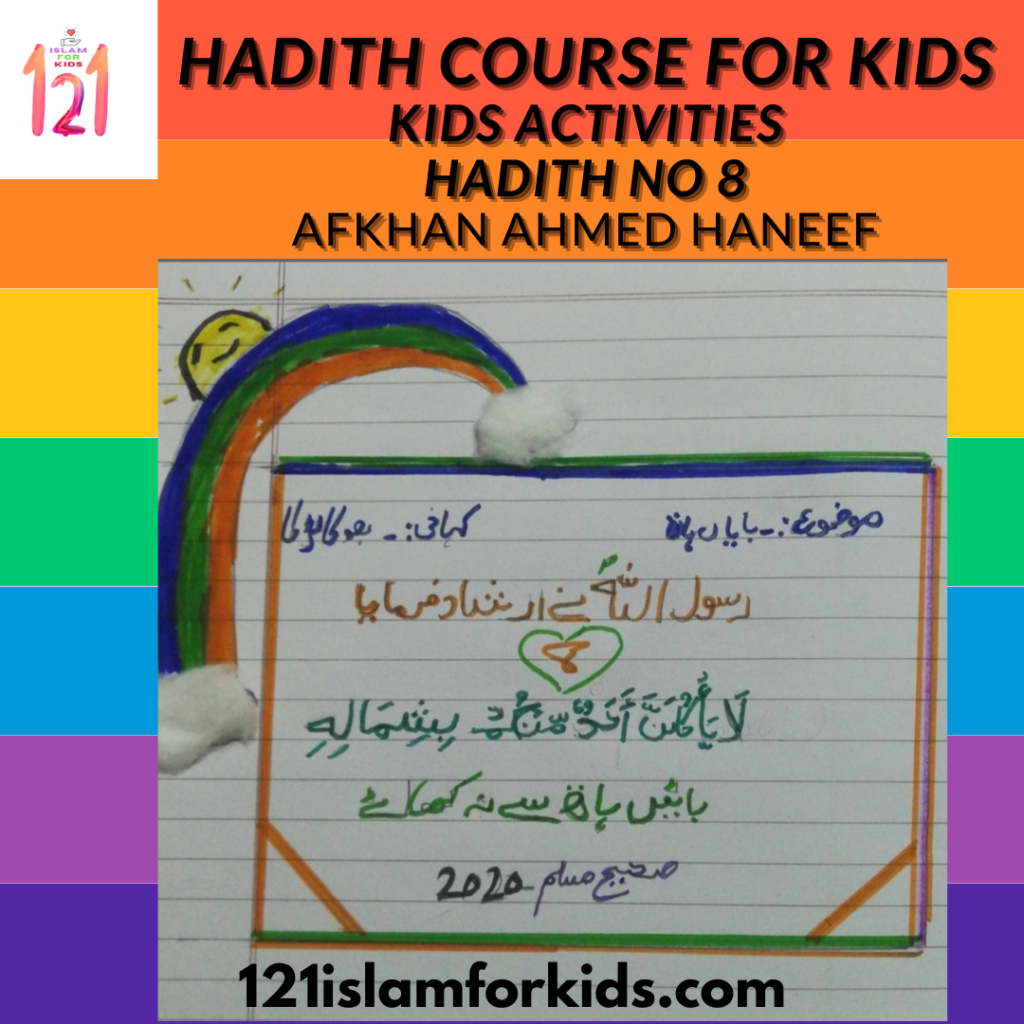
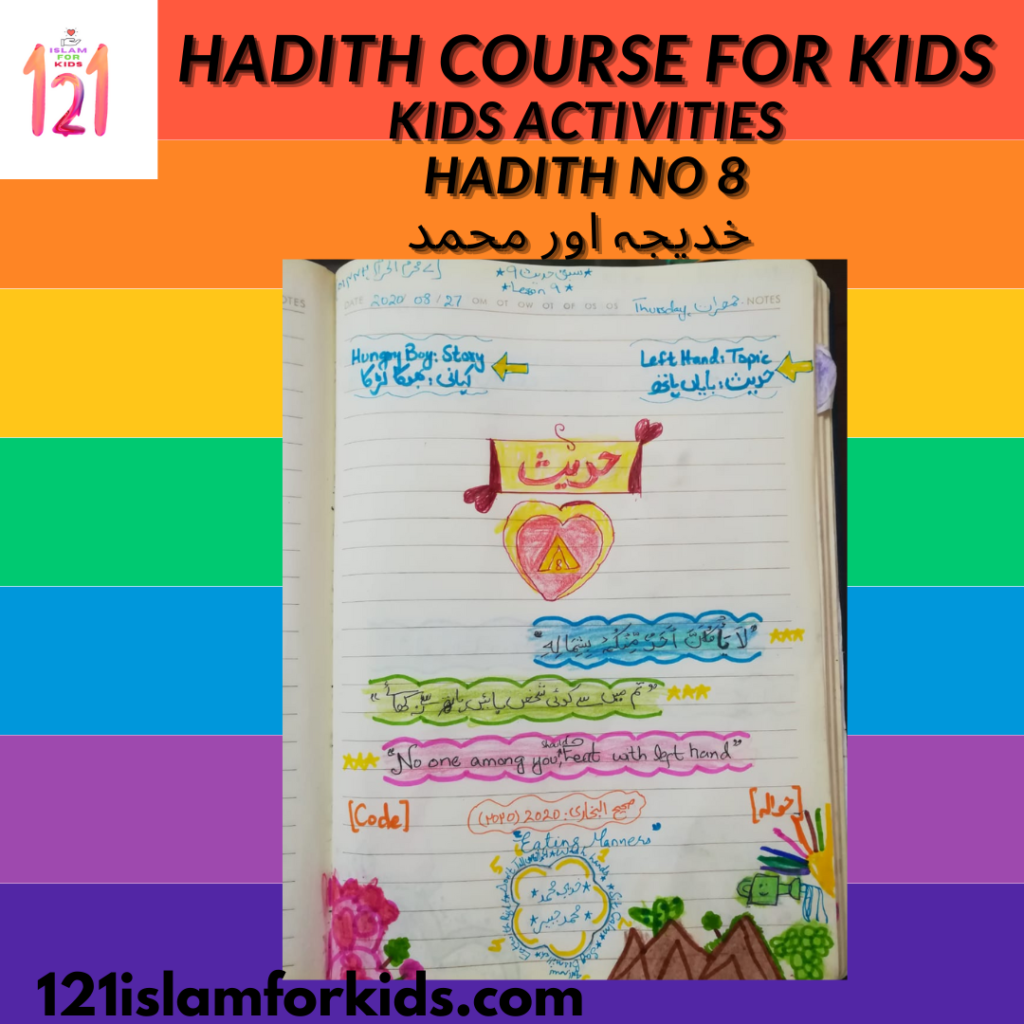
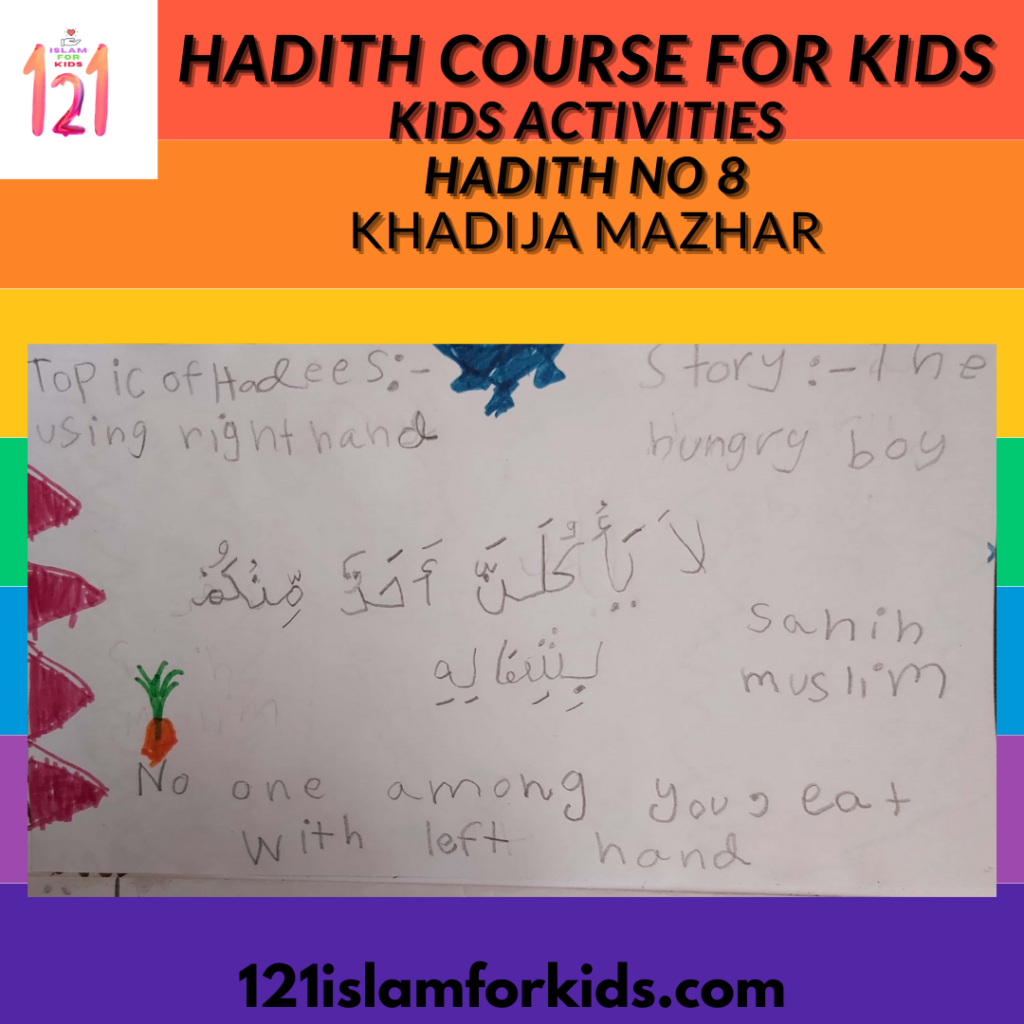
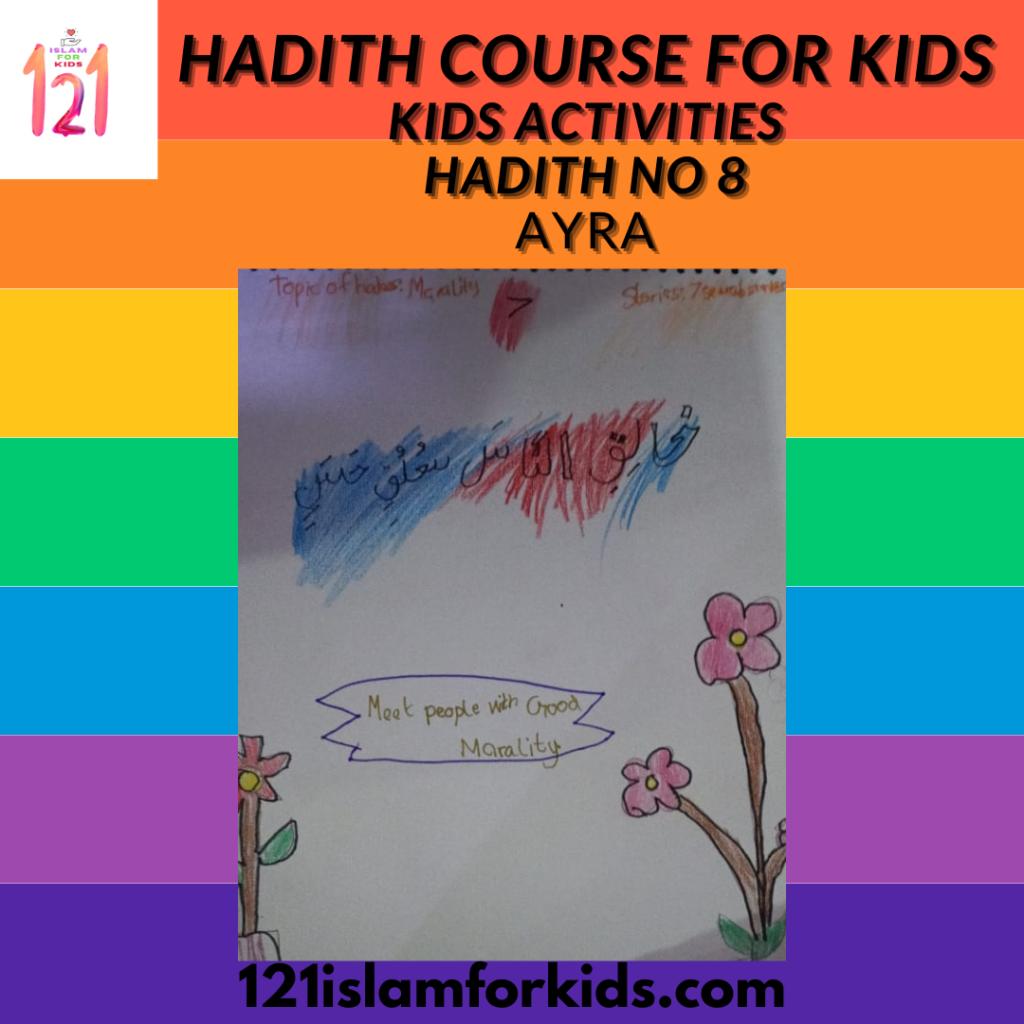
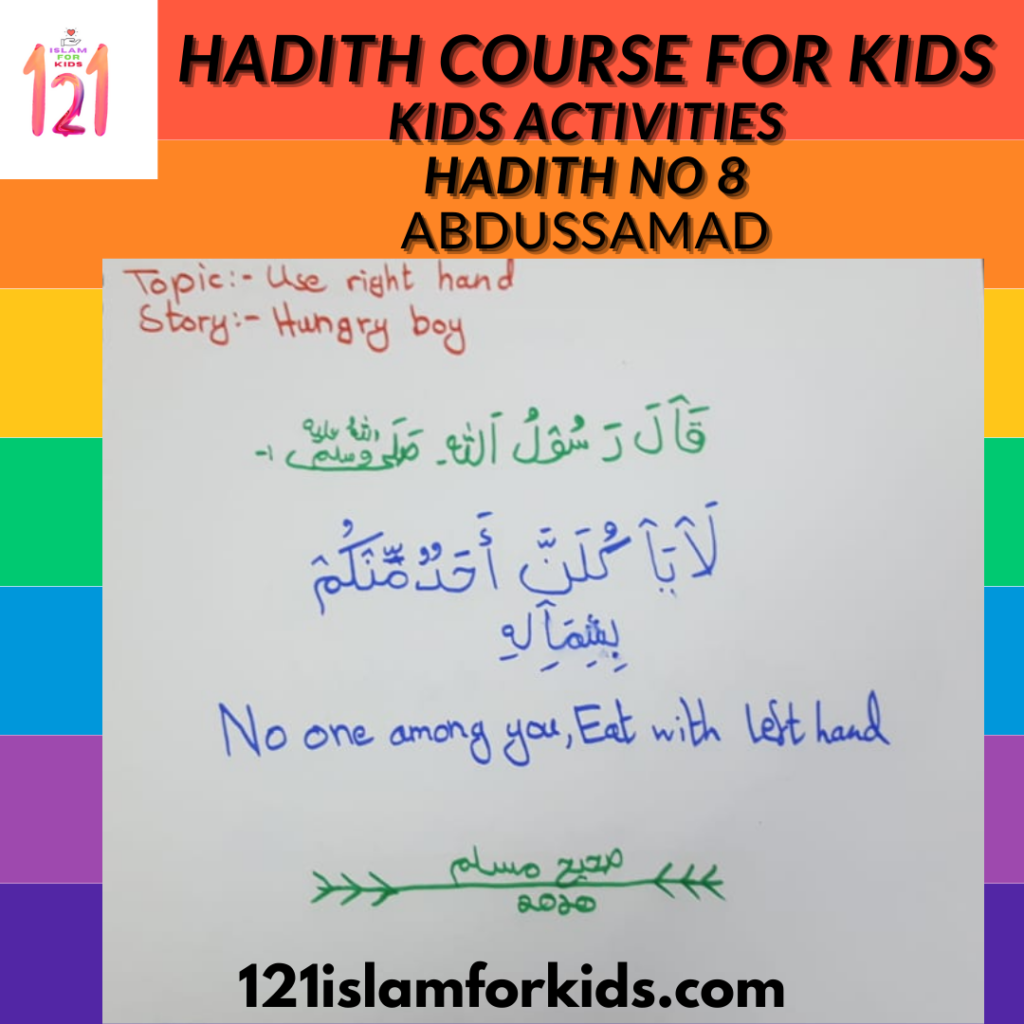
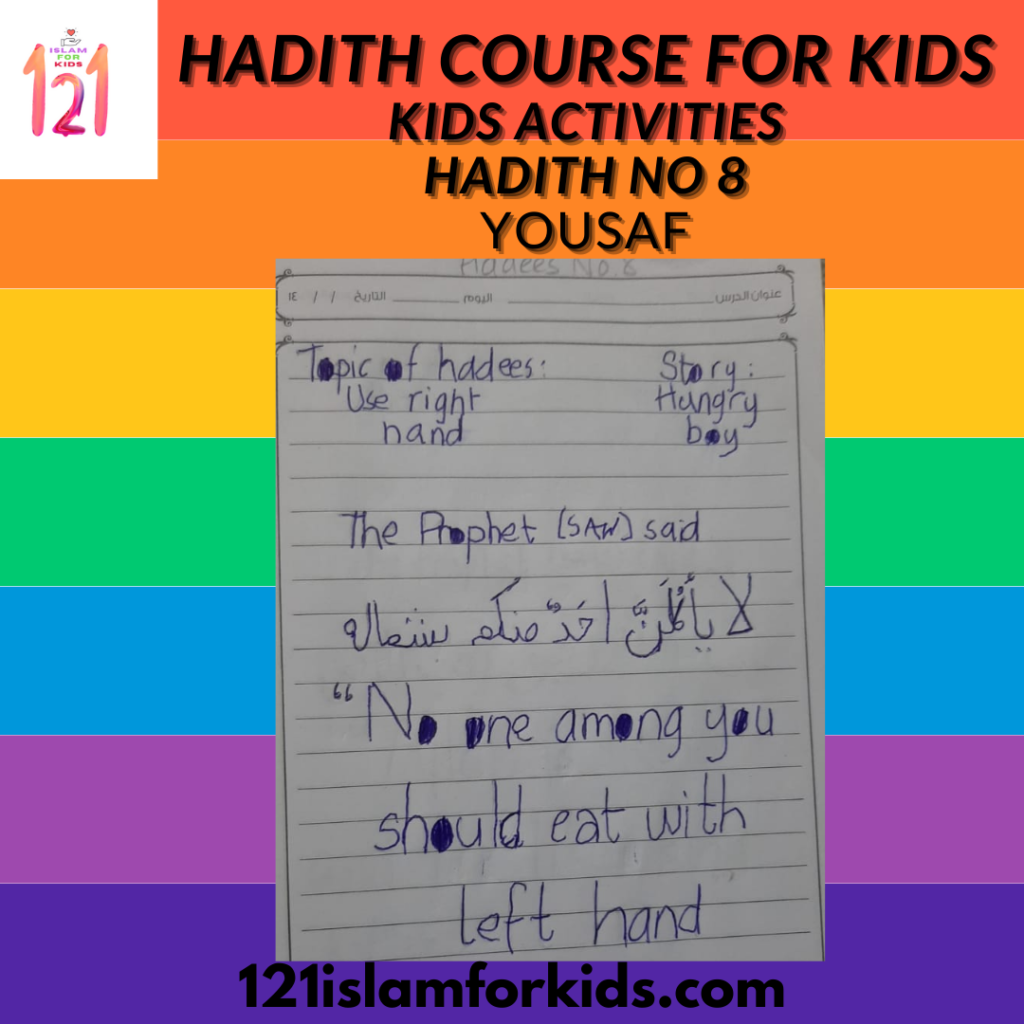
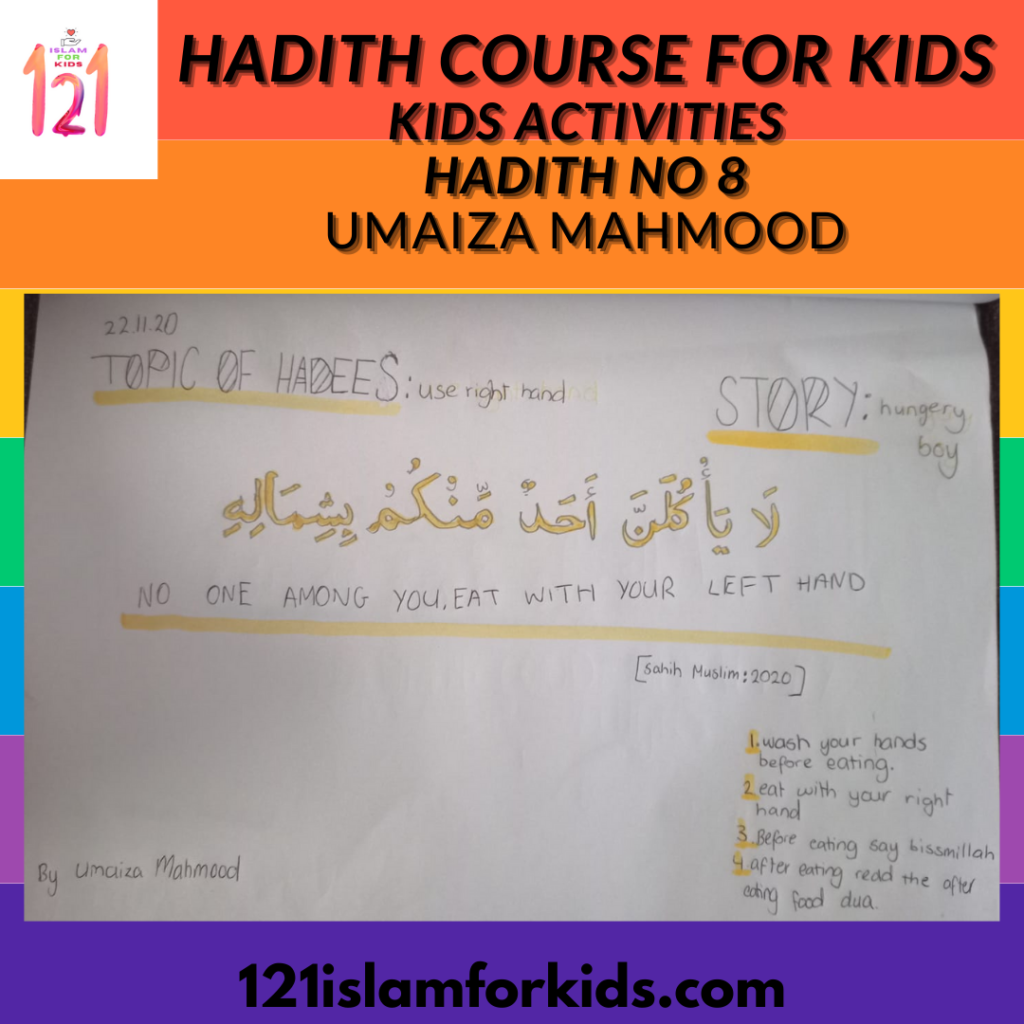
Welcome to our online hadith courses. This is a 30-short hadith with stories course(Teaching method). We have free stories, and videos to teach these hadiths online. You can also get a soft worksheets book to get more benefits from this course.
Teaching methods and videos of the hadith and story are added. You can choose English or Urdu and start to teach. Let’s start today’s Hadith.
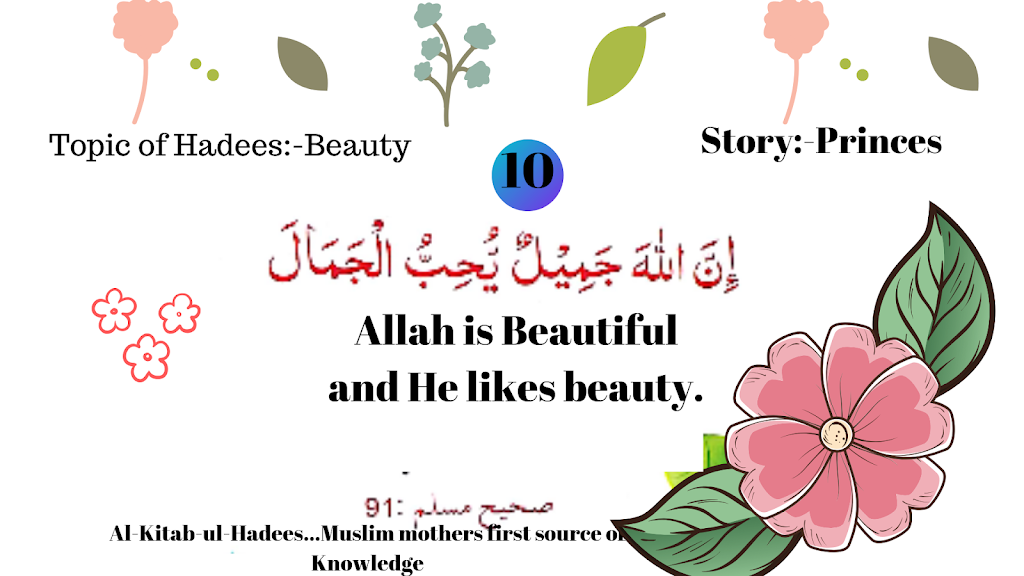
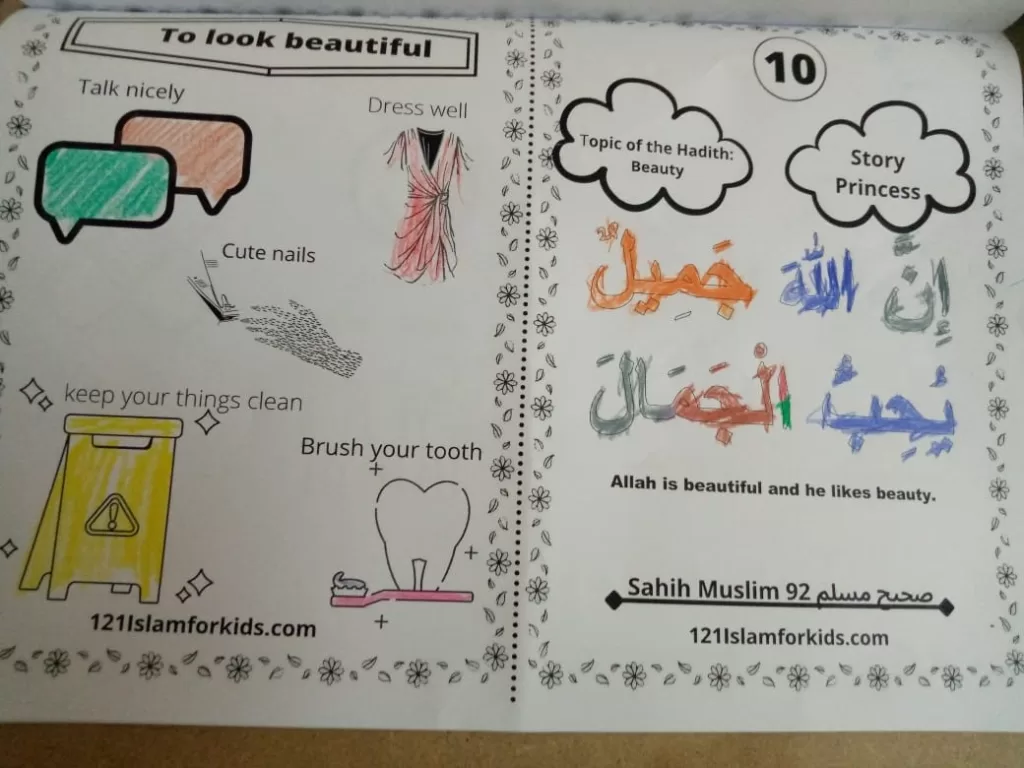
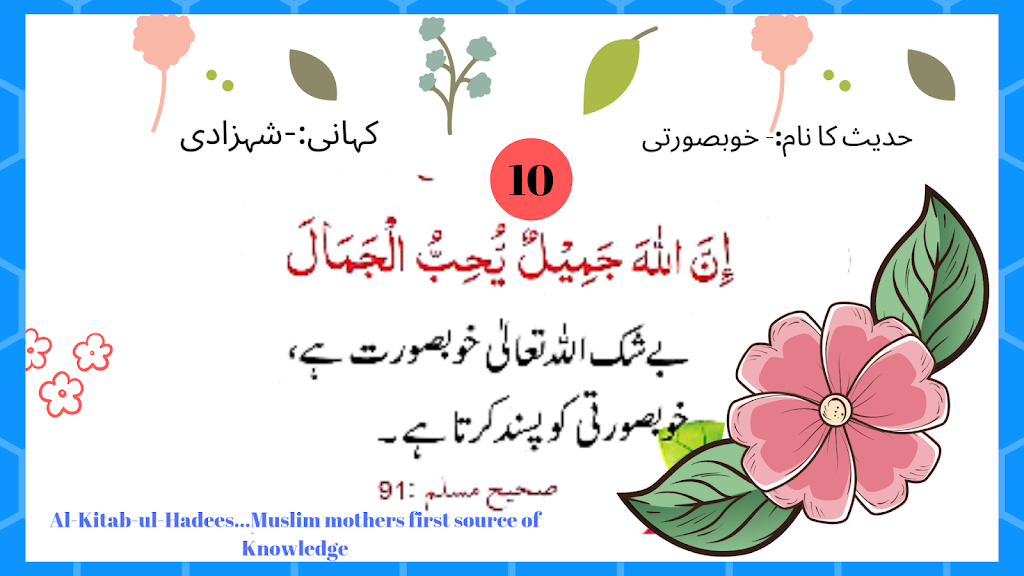
This is a very beautiful hadith of the beautiful name of Allah (Asma-ul-husna). This hadith is also important to teach kids to live clean and neatly. And also care about the keep clean the things around them.
Humans are the best creation of Allah. And Allah created them on his best creativity. No one is ugly or bad looking. And one black, white or brown has any priority on each other.
If we look in to nature, every thing is so beautiful, managed, organized, neat and clean.
So when we talk about beauty, it does not mean we can beautify our self. Beauty is in our personality, our soft talk, kind words, neat and clean wear up, our body should be clean, things around us should be arranged and managed.
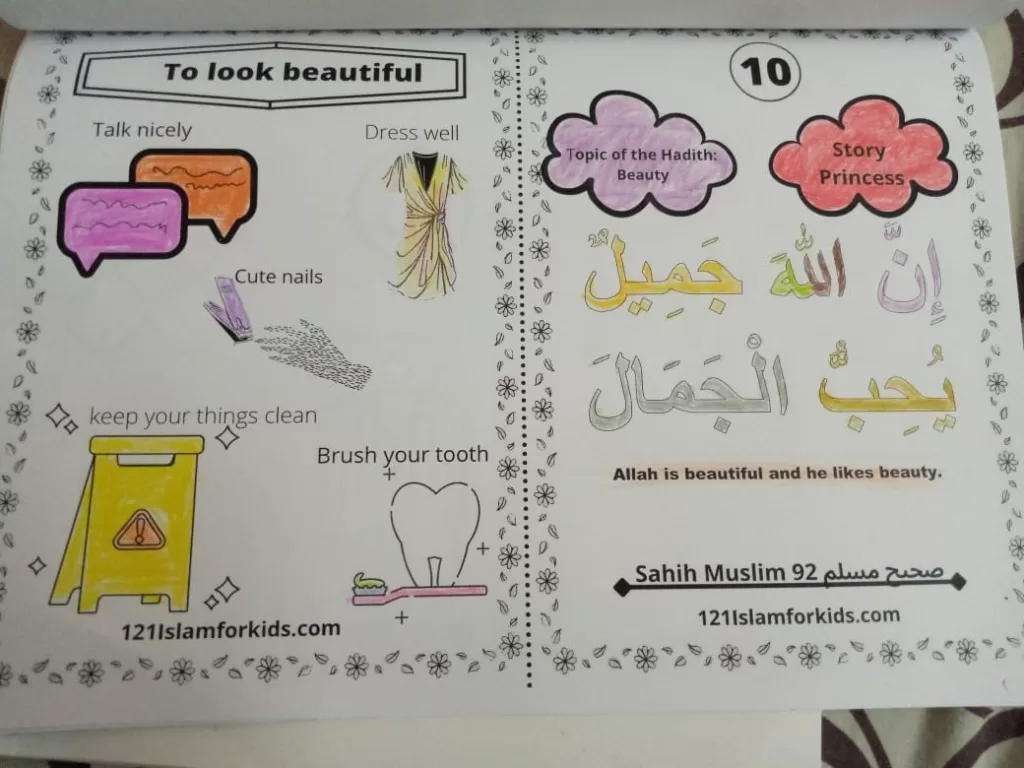
We are going to teach our children through this hadith that, wearing neat clothes and combing hair daily, brushing teeth, nice talk, kind words, humble body language is our real beauty. We should be organized. including after learning this hadith and beautiful attribution os Allah Subhan was Talh, If we would do it as Sunnah and for the sake of Allah we will get a reward from Allah for it.
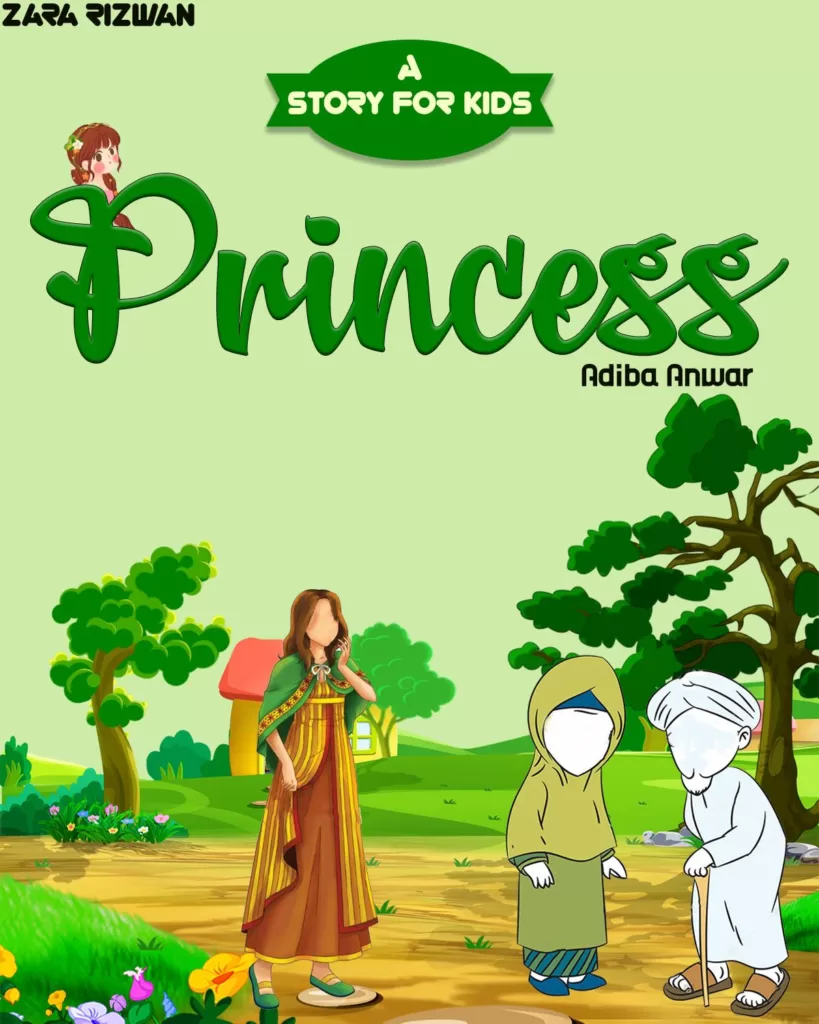
Here is a story of a princess who was a really beautiful, having all facilities of life.
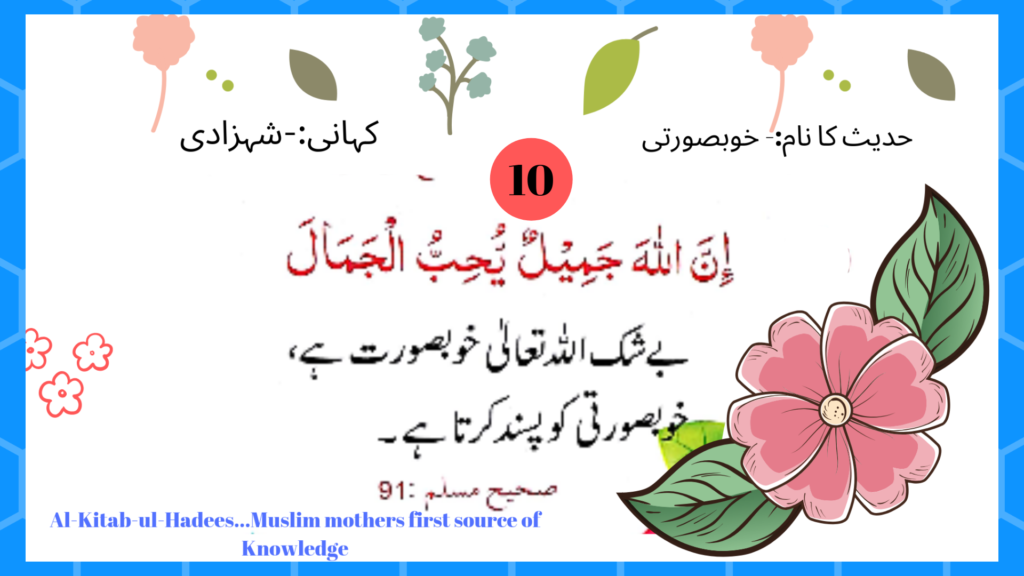
یہ حدیث اللہ کی صفت سکھانے کے ساتھ ساتھ بچوں کو صاف ستھرا رہنا سیکھاتی -اس کے ساتھ ساتھ بچوں کو ماحول کو صاف رکھنا اور خوبصورتی کا احساس رکھنا پیدا کرے گی -آج لوگ کپڑے بدلنا ور بال بنانا تک دنیاوی کام سمجھتے ہیں.جب کہ اگر اگر ہم سنت کی نیت سے اور الله کو خوش کرنے کی نیت سے سب کچھ کریں گے تو اس پر اجر بھی ملی گا. لہذا آج کی حدیث اور کہانی بچوں کے لیے بہت اہم ہے
حدیث اس کا ترجمہ ،تفسیر اورسیرت /اخلاقی کہانی اس ویڈیو میں جمع کر دی گئی ہے
براہ مہربانی بچوں کو ویڈیو لگاکر دکھاتے ہوۓ ساتھ بیٹھیں اور ان کی توجہ اہم نقاط پر ڈالیں.اس کے بعد حدیث لکھنے میں بچوں کی مدد کریں ور حدیث یاد کروائیں اس کا ساتھ ساتھ پچھلی احادیث بھی دوہرائیں
بچوں کی حدیث کی تصویر گروپ میں نام کے ساتھ پوسٹ کریں. تا کہ اس سیشن کے آخر میں وہ سرٹیفکیٹ حاصل کر سکیں .اگر بچوں کی حادیث سناتے ہوۓ ویڈیو بجھنا چاہیں تو وہ بھی بیجھ سکتے ہیں
This is a short course of hadith and stories from My 30 short hadith with stories course. My hadith course is very much liked and appreciated by parents and students. Online group classes are available online for all time zones.
Recommended age for the class Hadith for kids is for all. These classes are available in English and Urdu. If you want to enroll your child in our classes contact us via.
Easy Tafseer for kids with interesting stories you can see that course in my hadith course tab.
Prayer for kids course is a short course to teach about taharat, Gusal, wudu, times of prayers, number and names of prayers, pillars and conditions, and prayer method. Search as Prayer for kids course on the search bar.
Princess stories are always a good source to entertain children as well as to teach them good manners and morality. This story also has a lesson for children to learn to keep neat and clean.
Beautiful Princess!
Dear kids this hadith is one of the attributions of Allah. If we see
into nature, We will see beautiful flowers, butterflies and many insects ta them, mountains, stars, and the moon in the sky, oceans, fruits, colors, and everything in this world is so beautiful. Babies and we also are the best and innocent creations of Allah.
Now it is our duty that lives very clean and keeps things around us clean our prophet Muhammad SAW was also the cleanest and most well-dressed person. So following the Sunnah will make us happy and also reward us to be thankful to Allah.
Once there was A princess who was very beautiful. Her parents took the best care. But she was very lazy. She always lives in dirty clothes, She often doesn’t care about hair and would leave them uncombed. Her teeth were getting yellow because she does not brush them for days.
She had many servants and maids who were ready to offer their services. Instead of asking them to clean her room, her clothes, and her closets, she would play all the time with her maids. So her room was also dusty and dirty. Her mother queen also spent more time on other activities. So there was no one to guide her.
Once they had a family trip. They camped near the beautiful bank of a river. They were enjoying themselves. The servants were cooking and serving food. After a meal everyone started to wander here and there, Everyone was busy with their favorite activities. King started to play polo.
The prince also went for a walk with the maids of her age. They go for a run on the bank of the river. They showered water on each other. she took off her shoes. Their clothes were wet. Then they plan to play hide and seek with her maids.
She went too far from her camps and got lost. She wandered here and there to find her camping but no use. Now she was worried. She was running around. And in this interval, she was too far from her camp. Her clothes were now dirty and had holes in some places. But she did have no problem with it. She was also hungry.
Finally, she reached a village. She saw a hut outside the village. She went there. She found there an old man and an old woman. She told them that she is lost. She also told them that I’m a princess. My parents must be searching for me But the night is here. I want to shelter and some food to eat. Please allow me to stay with you.
The old couple looked at each other. They do not believe them because of her dirty look. Her clothes were dirty and torn Her hairs were uncombed. Her nails were long and dirty.
Both of them thought she must be lying. And she could harm them. But they do not want to say no. Because if she would be a princess as she is saying, then her father king May harm them for not helping his daughter.
They were in big problems. Finally, they allowed her to stay with them. They were judging her and were alert for any situation. She did not eat happily because the food was unlike her royal style.
Then she went to sleep. But she could not sleep. Because the bed was so hard. She was missing her soft and comfortable bed. Old people were observing her restlessness. Now they believe that she is really Princess. So in the morning, they asked her how was night.
She said I can’t sleep overnight. Your beds are too hard. They smiled and said, Ooo poor girl you are a princess. We know our home and facilities don’t meet your status. Now it’s time to help you. Your family will be soon here, as we already had sent some boys from the village to find your camping place.
But we want to say something. Ohh how kind are you? I’m really very thankful to you. Yes please say what you want to say. The old woman said,’ Little, beautiful girl, you are very nice and beautiful. Allah made you perfect. I must say you to take care of yourself. It would help if you always kept clean and Neat.
It’s Sunnah and half of our Iman. Allah Almighty is beautiful and he likes Beauty and cleanliness. You are a princess. You have many servants and maids to help you. But this does not mean that you live in such a rough outlook. Do you know we did not believe that you are a princess?
The girl was regretting herself. She noticed that the old woman is poor but her dress was so clean, Her hairs were white and made nicely. Her house was also maintained.
She promised that she will always remember her advice. In the meanwhile, Some horsemen came there with her Horsecar and she rides on it. She waved her hands and left the hut with a very good lesson.
Dear kids, you all are also very beautiful and perfect human beings. So always try to live clean and well-managed. So that Allah will love you and reward your following His Sunnah.
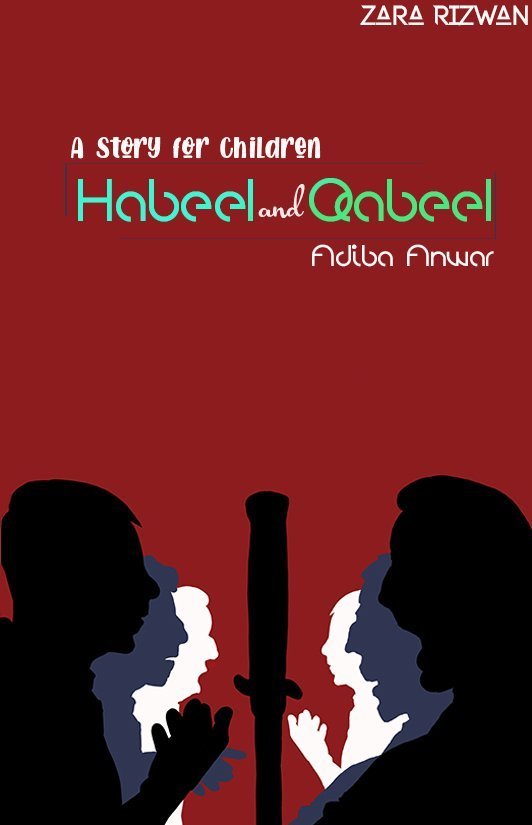
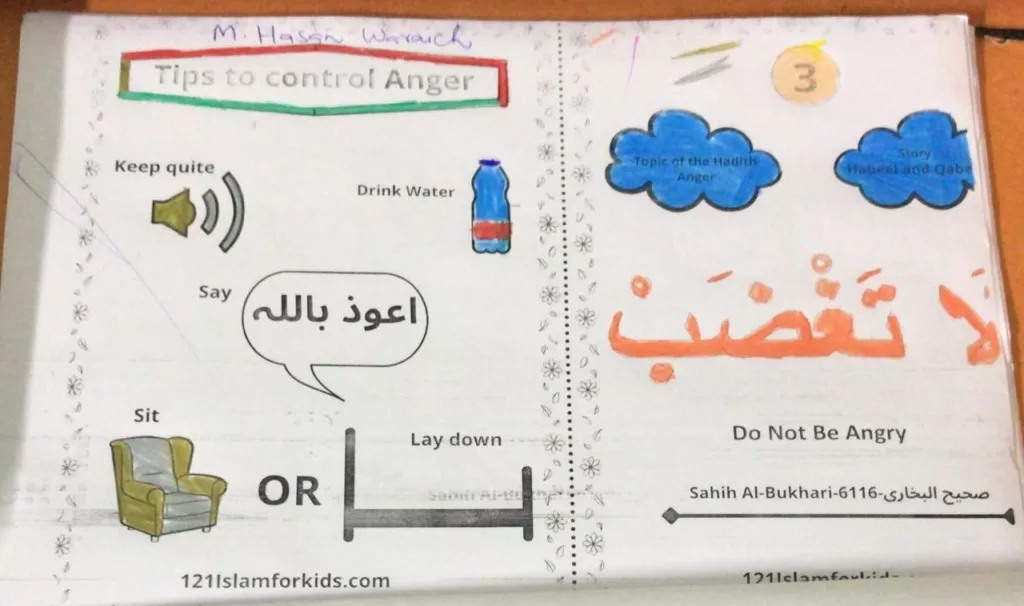
Habeel And Qabil” is A short story for kids to overcome anger and jealousy with worksheets and the Hadith of Prophet Muhammad SAW.
Table of Contents
Short story for kids
Habeel and Qabil
In Islam to get angry is haraam and anger comes from the devil.
The devil makes us angry person so that we do bad things which Allah (SWT) does not like and we can not enter into Jannah.
Dear kids today I will tell u a story of anger which is about the sons of Hazrat Adam A.S
Hazrat Adam A.S had two son’s Habeel and Qabeel.
They lived with love in childhood, but as they grew up they appeared opposite personalities.
Habeel loved to sacrifice in the way of Allah. He lived his life in a kind way by nature.
On the other hand, Qabeel was lazy, jealous, and discontent. He never spared the time to thank Allah .he always blamed others but not himself.
As the devil was making him hate his brother and other people. Qabeel thought that his father Hazrat Adam (A.S) do not love him, and loved Habeel more so Qabeel get jealous of Habeel.
Once both brothers were doing work on the edge of a large stone, suddenly Qabeel slipped from the stone, Habeel holds him before falling down and saved the life of Qabeel.
After this incident, Qabeel’s s hate and anger for Habeel decreased to some extent.
But soon the devil again started to make him angry and jealous of his brother, and now Qabeel becomes angrier and started to demand unfair things.
Then the time came to choose a Khalifa. Hazrat Adam A.S’s choose Habeel to become Khalifa by the order of Allah, but Qabeel got angry and demanded to become Khalifa and Had a fight with Habeel, then Allah SWT asked them to sacrifice their favorite thing in the way of Allah, one with the best sacrifice will become Khalifa.
As Habeel was a caretaker of animals so he sacrificed a very beautiful, healthy cow.
Qabeel was a farmer, he took rotten crops and fruits in a basket to sacrifice,
When they both put their sacrifice in an open area and came back, A light came from the sky and took Habeel’s s sacrifice. And Qabeel’s s sacrifice remained there as it is because Allah SWT did not like them.
It was Allah’s decision but Qabeel did not accept it and his hate for Habeel increased more, he started to tease him more and one day he asked his father I will marry the girl with whom Habeel is going to get married, his father refused and said ‘as she is your sister you can not marry her’.
Qabeel becomes angry and killed his brother Habeel.
Dear kids it was the first murder of any human on earth, so Qabeel did not know where to hide his brother, then he saw a crow digging another crow into the mud.
So he also buried his brother in the mud.
After it, Qabeel was regretful of it and thought that this crow is better than him. He loves his brother more and knows how to treat him after death, but now it was useless to regret, he could not become Khalifa nor get married to that girl.
Dear kids May we lose our loved ones when we get angry like Qabeel.
So let’s make a promise that we will act upon today’s Hadith of the prophet(PBUH), do not get angry.
Video of the story in English
Recommended Books.
This story is being written to teach a Hadith about anger. Prophet Muhammad SAW said
‘Dont get angery”
Prophet (PBUH) said that recite ‘Ta’awwuz’ and perform wudu when we get angry so that we can not follow the path of the devil. Practice to overcome anger, we have prepared this worksheet. Do you find this hadith, shorts tory for kids, and worksheet helpful? Please leave your comment below.
I’m very grateful to Allah that He made me do this work. I’m just thinking while typing that the topic of the last hadith is provoking me to start to learn and teach Qur’an more deeply.
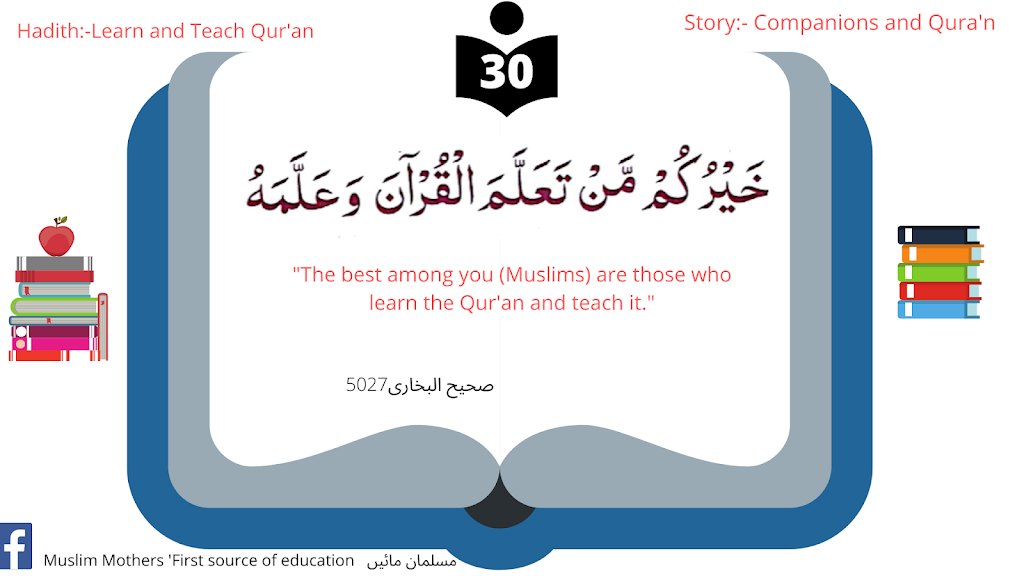
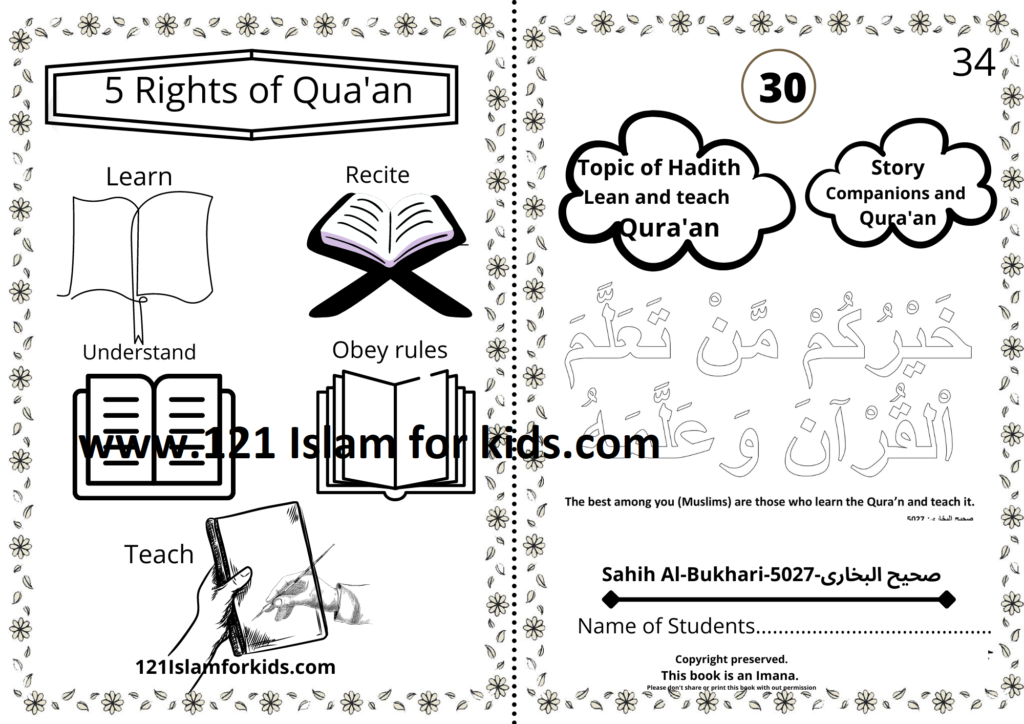
Hadith on learning and teaching Quran is a very important hadith for kids.. Quran is a complete and perfect Book. It’s the word of Allah. We get rewarded for reciting and learning the holy Quran. but this book also teaches us to live a successful life in this world and hereafter.
As Shytan challenged that I will mislead these stones of Adam A.S Allah Surbhanwa Tallah promised to guide us, as human beings. So Allah revealed many books, Quran is the last book among them.
So with the help of today’s story and hadith, we will teach the virtue and importance of learning and teaching Quran to our kids.
Our children need to understand the Quran in such a way that they would able to read this Holy book in such a way that they run to this book whenever they would have any questions regarding any aspect of their life. This book should be their handbook.
While looking for the story of this hadith, I studied the life of the companions of Prophet Muhammad. It amused me that, They were a true lover and Alim of this book. I think we should compile and read all the stories to our kids about their love and deep knowledge of the Quran. But here I selected one story about the love of Abu Baqer R.A for the Quran.
So let’s come to the story Of Hazarat Abu Baqer R.A about the love for the Quran.
Video of the Story of Abu Bakar R.A in English
اردو بچوں کے لیے
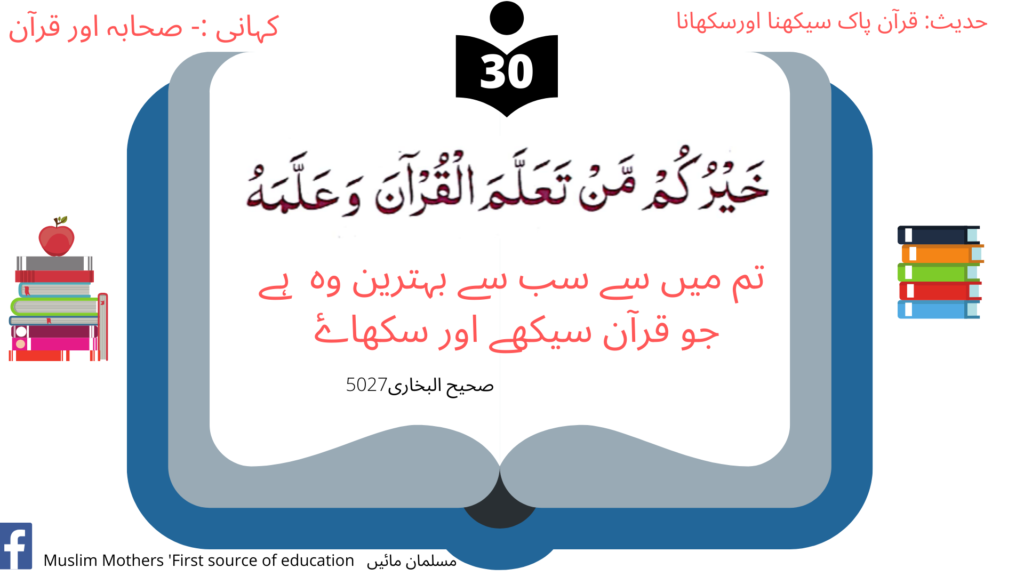
اسلام علیکم ۔ محترم والدین جیسا کہ آپ جانتے ہیں کہ یہ حدیث ہمارے کورس۔ ” 30 چھوٹی احادیث کہانیوں کے ساتھ “ کی آخری حدیث نمبر 30 ہے۔ ”تم میں سے بہترین وہ ہے جو قرآن سیکھے اور سکھائے۔ صحیح البخاری 5027. “
اس حدیث کا موضوع ہے۔ قرآن سیکھنے اور سکھانے کی فضیلت یہ اللہ کا کرم اور شکر ہے کہ اس نے اس قابل بنایا کہ حدیث کورس کا اتنا عمدہ کام کرنے کا موقع ملا۔ اور والدیں اور بچوں نے اس کو بہت پسند کیا۔ اس کورس پر بہترین طریقے سے کام کر کے کئی بچوں کے اخلاق و کردار سنوارے گئے۔ اور اس کورس میں۔ ہر انواع موضوعات کو شامل کرنے کی کوشش کی گئی۔ پھر بھی ابھی بہت کچھ سکھانا باقی ہے۔ جو ان شاللہ ہمارے ڈیزائن کردہ دوسرے کورسس اور آن لائن کلاسس کے زریعے بھی ہو رہا ہے۔ اور اس کورس میں بھی ان شاءاللہ وسعت کی جائے گی۔ آج کی حدیث کا موضوع بھی اللہ کے کرم سے آخری حدیث کی مناسبت سے عمدہ ہے۔
ساری عمر سیکھنا اور سکھانا انسان کی زمہ داری اور فرض ہے۔ مگر قرآن کا حق ہے کہ اس کو سیکھا جائے اور سکھایا ہے جائے ۔ اس سلسے میں صحابہ کرام کی زندگیاں اور ان کا کردار ہمارے لئے بہترین نمونہ ہے۔ جب اس حدیث کے موضوع کی مناسبت سے میں نے کہانی کی تلاش میں صحابہ کرام رضوان اللہ علیہم کی سیرت پڑھی۔ تو ان کا علم کا حاصل کرنے کا شوق و جذبہ، قرآن سے محبت، اور اس کے مطابق عملی زندگی کے واقعات مجھے حیرت انگیز کر گئے۔ دل چاہا تمام کہانیاں بچوں کو سنا دی جائیں
لیکن اس کورس کے تقاضے کے مطابق صرف ایک کہانی ہی سنائی جا سکتی تھی۔ تو میرا انتخاب ابو بکر صدیق رضی اللہ تعالیٰ عنہ کی قرآن سے محبت کی کہانی بنا۔ چلیں یہ کہانی بچوں کو وڈیو کی صورت میں دکھاتے ہیں یا پھر آپ پڑھ کر سنا لیں۔
گروپ میں بھی دوبارہ سیشن شروع ہو چکا ہے جہاں پر ہفتہ وار عملی کام اور حدیثیں کہانیوں کے ساتھ شیر کی جاتی ہیں. چاہیں تو ابھی جوائن کر سکتے ہیں شکریہ
کہانی اور حدیث کا ترجمہ اور تفسیر نیچے دیا جا رہا ہے.بچوں کو وڈیو دکھائیں اور ساتھ ساتھ ان کے سوالوں کا جواب بھی دیں. اگر اس واقعہ کو تفصیل سے پڑھنا ہے تو آاپاردو کہانیوں والے سیکشن میں موجودلنک میں پڑھ سکتے ہی
Written story Companions and their love for Quran In Urdu
Here is the link to the stories of companions of the Holy Prophet SAW about learning, teaching, and understanding the Quran Stories
After watching This video or reading the story, don’t forget to write Hadith in the Hadees book. Or solve your Hadith worksheet from the hadith workbook about this hadith.
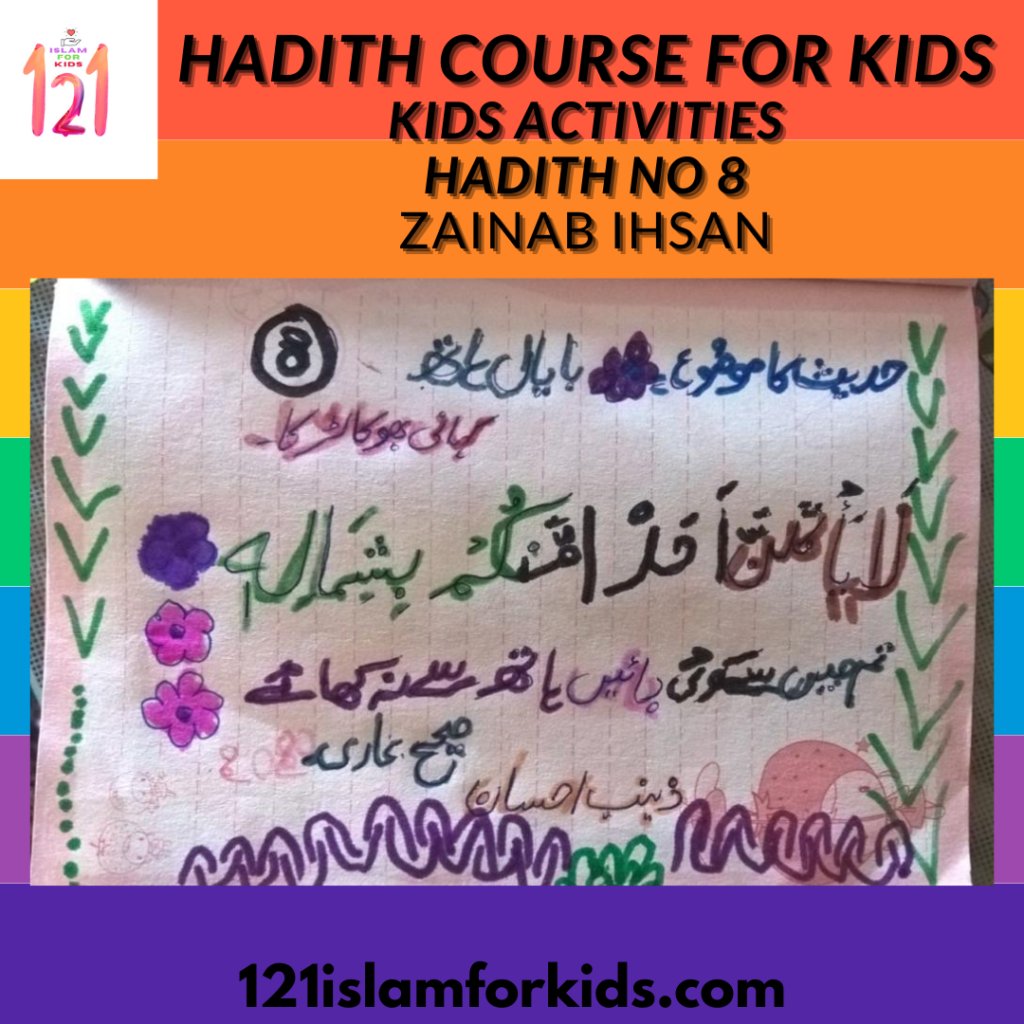
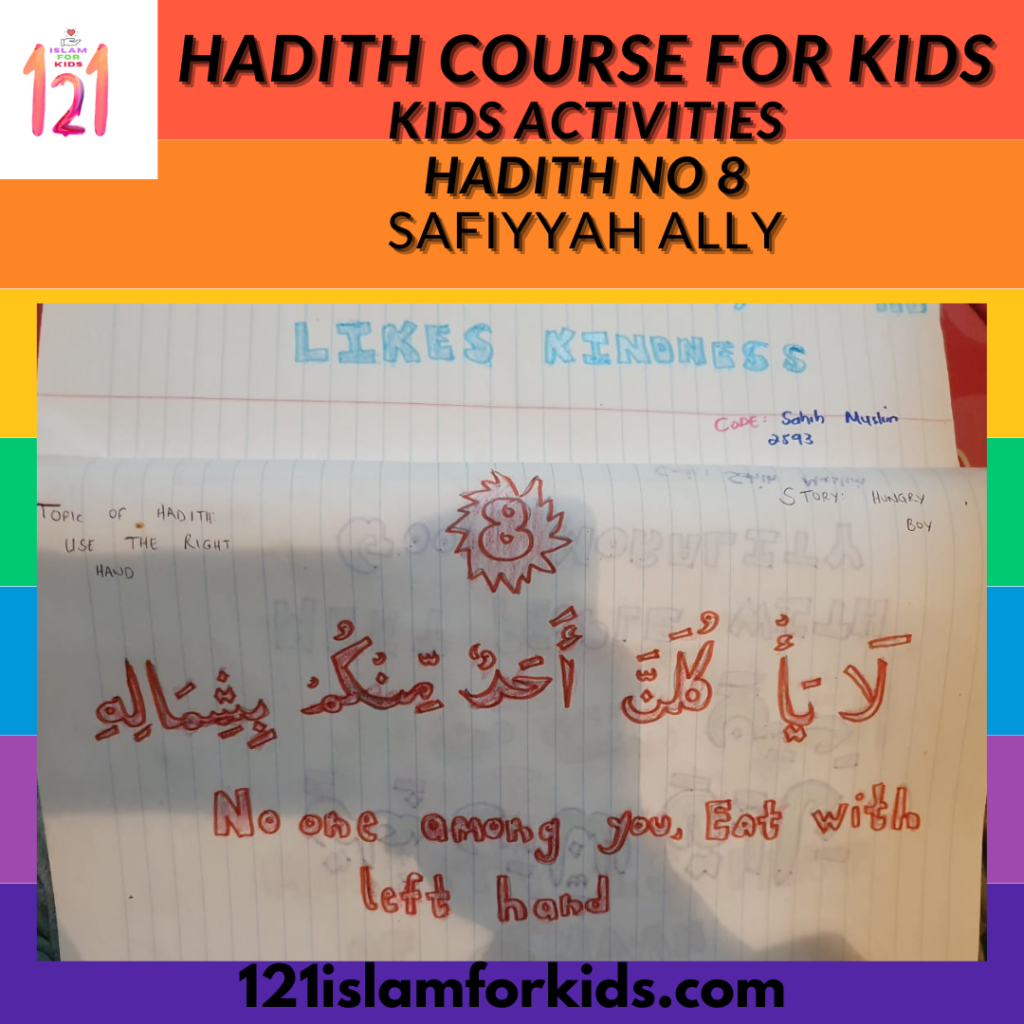
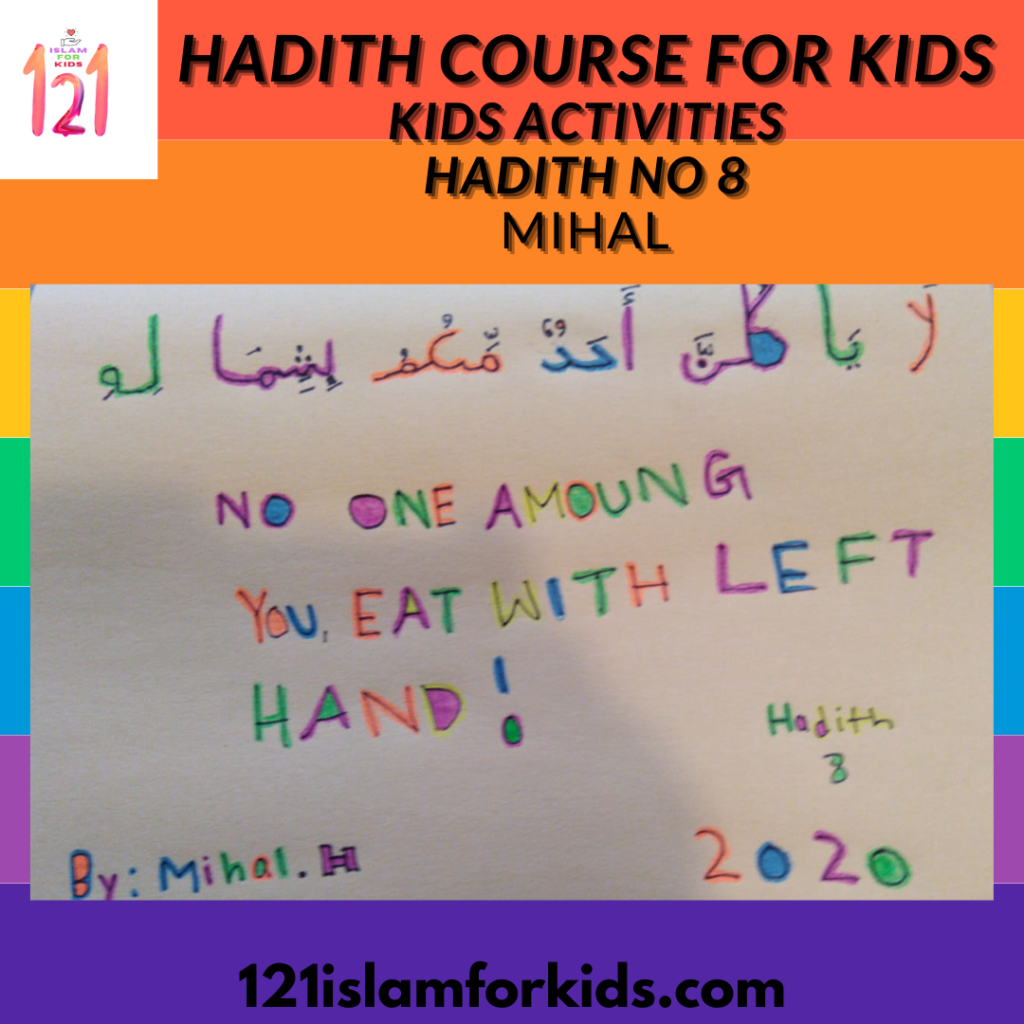
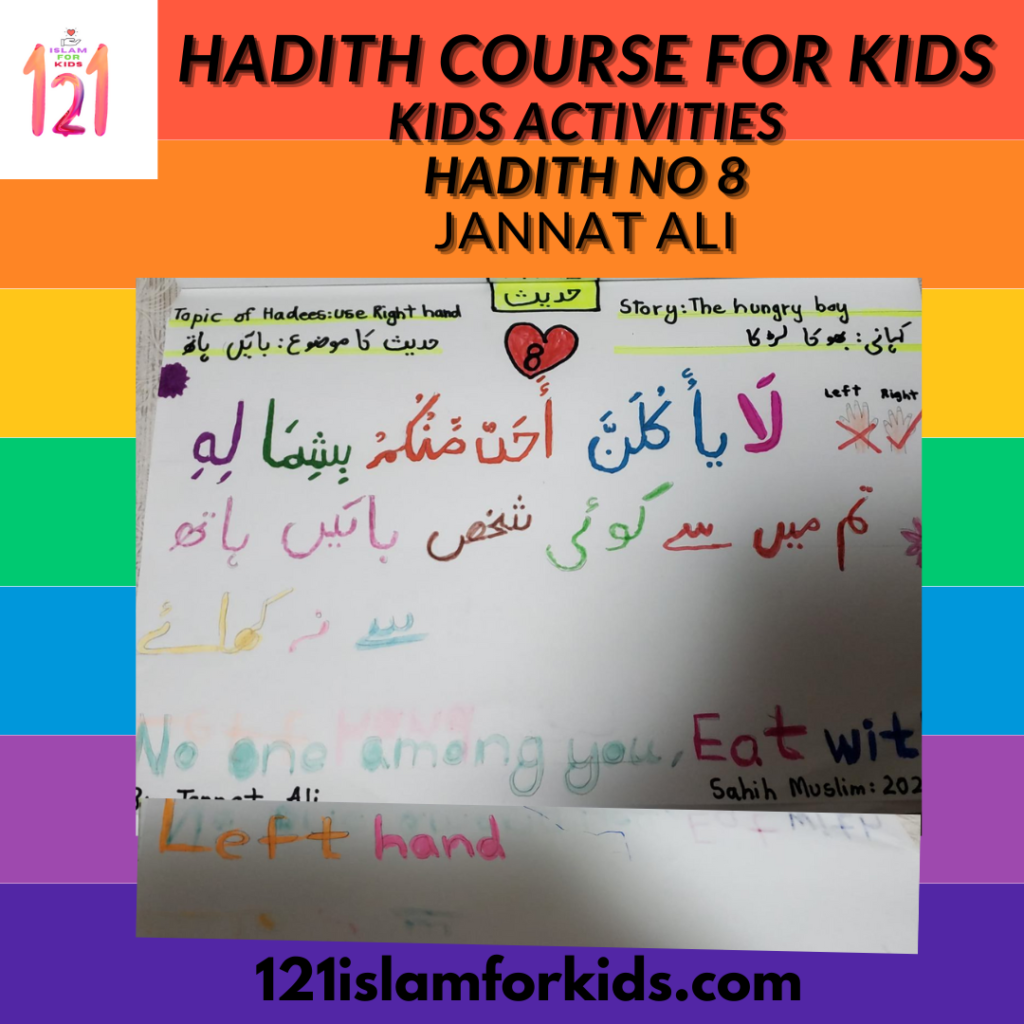
You can share the picture of the Hadith and other activities you did for this Hadith. So that your kids would get the certificate of completing their Ahadith. May Allah make it easy for you.
How many of you would like to start a new session like Quran learning for kids? How many of you would like to just get videos of those stories of Seerah and their companions?
Or we could do some activities to understand many things in Qur’an. I did and intended to do more activities on birds and animals mentioned in Qur’an with crafts and many other resources. Or we could start something other.
Note: -Spread this Hadith with your family and friend so that more people would get benefit from it.
Hadith with stories course consists of 30 short hadith for children with interesting stories you can see that course in my hadith course tab.
Prayer for kids courses is short courses to teach about taharat, Gusal, wudu, times of prayers, number and names of prayers, pillars and conditions of prayer and method of prayer. Search as Prayer for kids course on the search bar.
Kindness to Parents
Ramzan Boost course
Faith boost course in December to say NO MARYY CHRISTMAS
Enrolments Available
Tafseer for kids’ group classes is available online for all time zones. Recommended age for the class Tafseer for kids is 9+. These classes are available in English and Urdu. If you want to enroll your child in our classes contact us via.
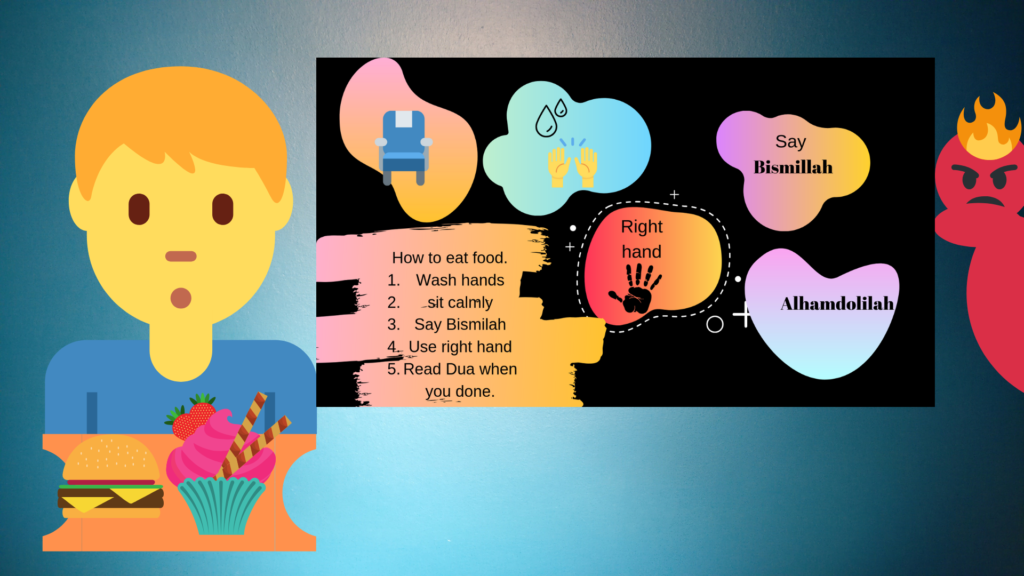
Welcome to our special lesson today! We are excited to share with you one of the most important hadiths about eating manners in Islam. This hadith teaches us how to eat with respect, gratitude, and good behavior – something that touches every part of our daily lives as Muslim children and adults.
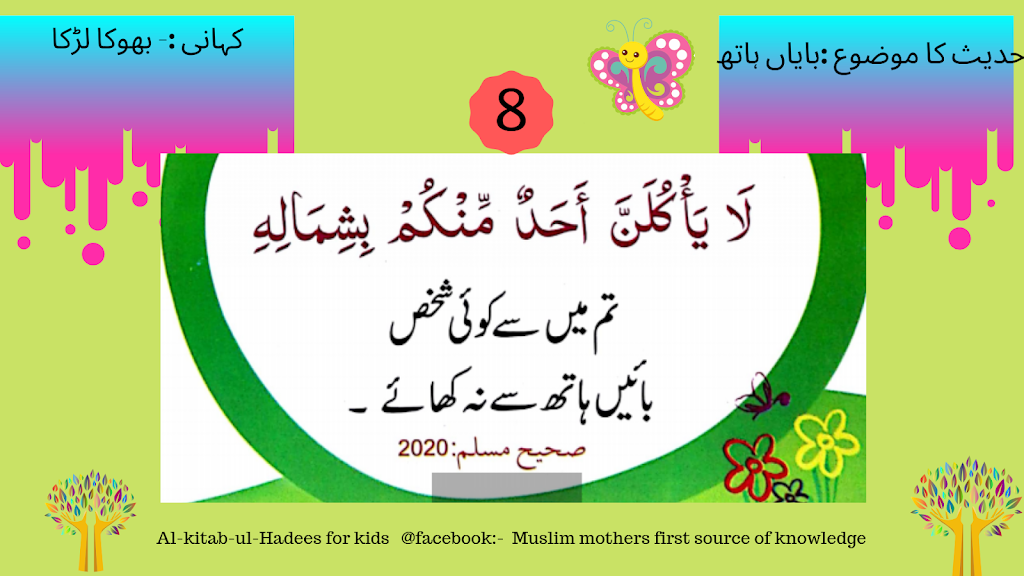
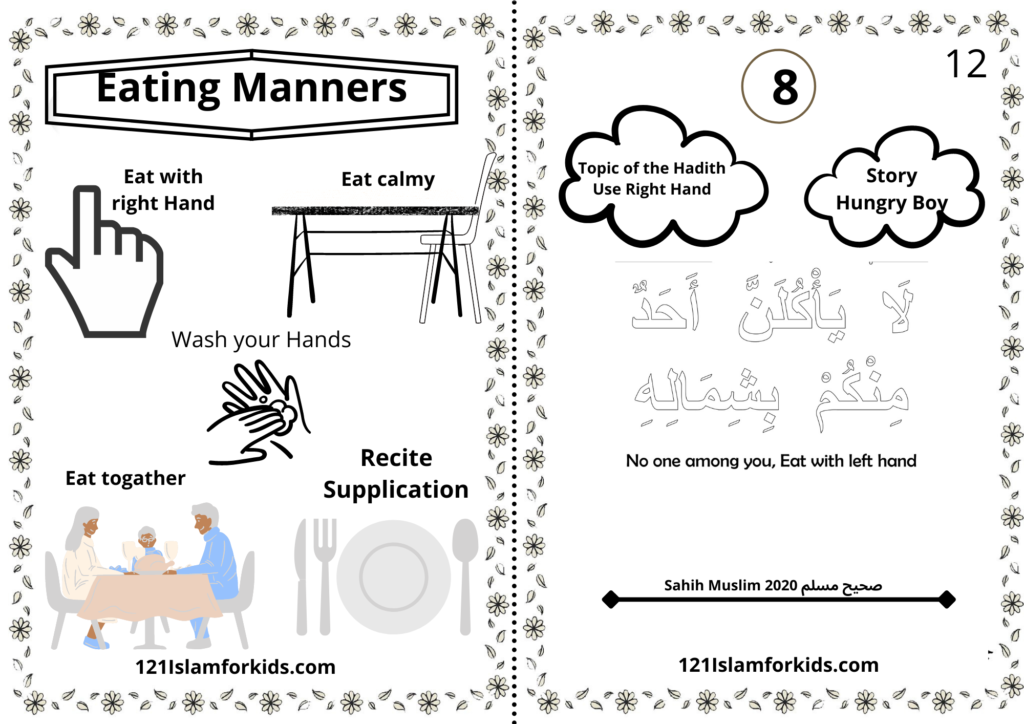
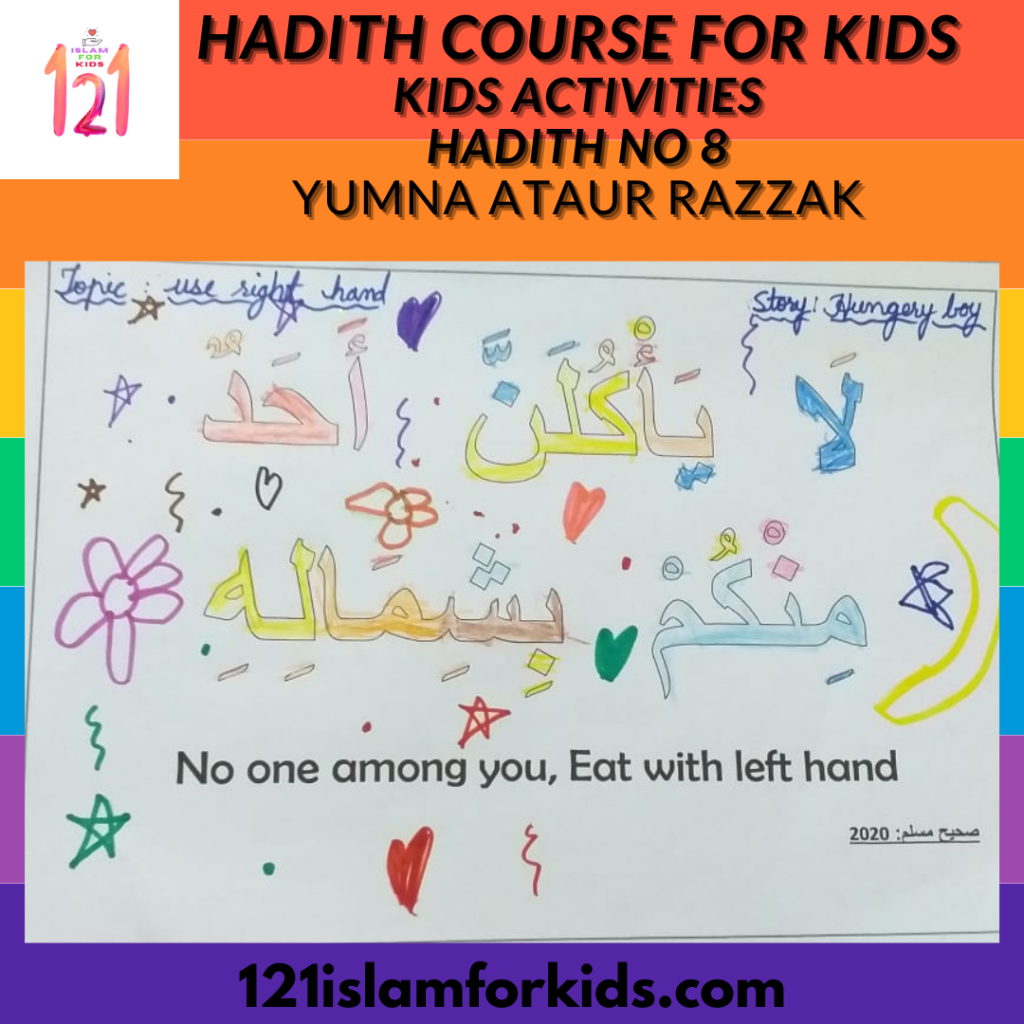
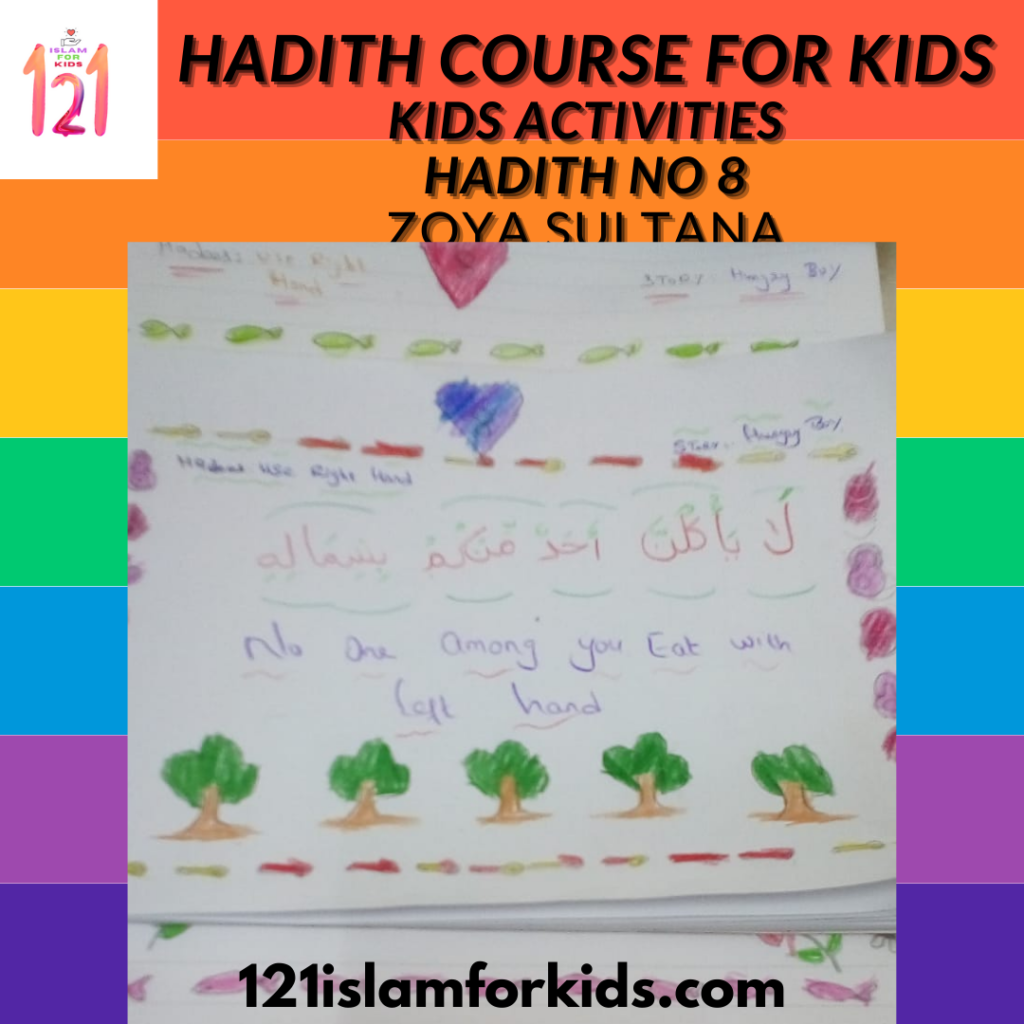
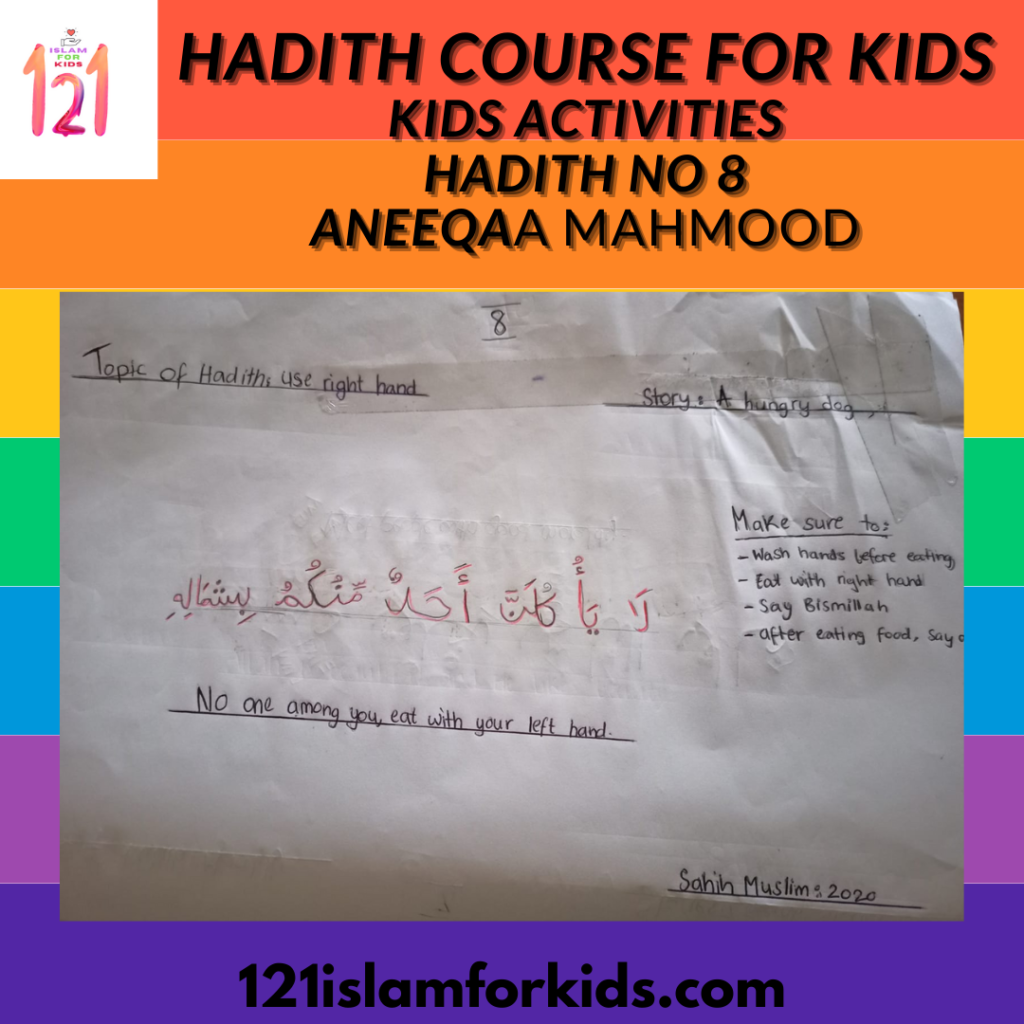
Another Hadith is.. The Prophet Muhammad (Peace be upon him) said: “Eat with your right hand and drink with your right hand, for the Shaitan eats with his left hand and drinks with his left hand.”
This beautiful hadith teaches us several important lessons about Islamic etiquette and our relationship with Allah. The right hand in Islamic tradition is considered the hand of honor, purity, and respect. When the Prophet Muhammad (PBUH) instructs us to eat with our right hand, he is not just giving us a physical instruction – he is teaching us about Islamic values, respect for ourselves, and maintaining cleanliness.
THE IMPORTANCE OF THE RIGHT HAND IN ISLAM:
Purity and Cleanliness: In Islamic tradition, the left hand is specifically designated for personal hygiene and cleaning. The right hand is reserved for eating, greeting, giving and receiving gifts, and other noble acts. This separation helps maintain cleanliness and respect.
Obedience to the Prophet: Following the Sunnah (the teachings and practices of Prophet Muhammad PBUH) is a fundamental part of being a Muslim. When we eat with our right hand, we are directly following his example.
Avoiding Evil Influence: The mention of Shaitan (Satan) eating with the left hand reminds us that we should distance ourselves from evil and base our actions on goodness and purity.
Respect and Dignity: Using the right hand for eating shows respect for the food, respect for ourselves, and acknowledgment of Allah’s blessings upon us.
OTHER EATING MANNERS IN ISLAM:
Beyond using the right hand, Islam teaches us many other important eating manners:
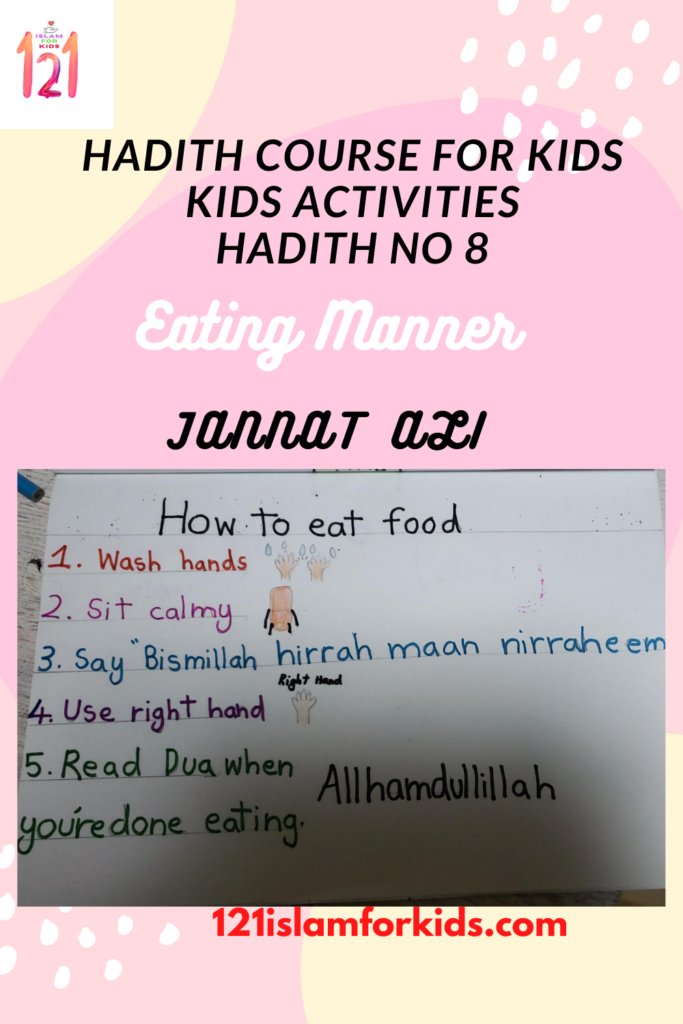
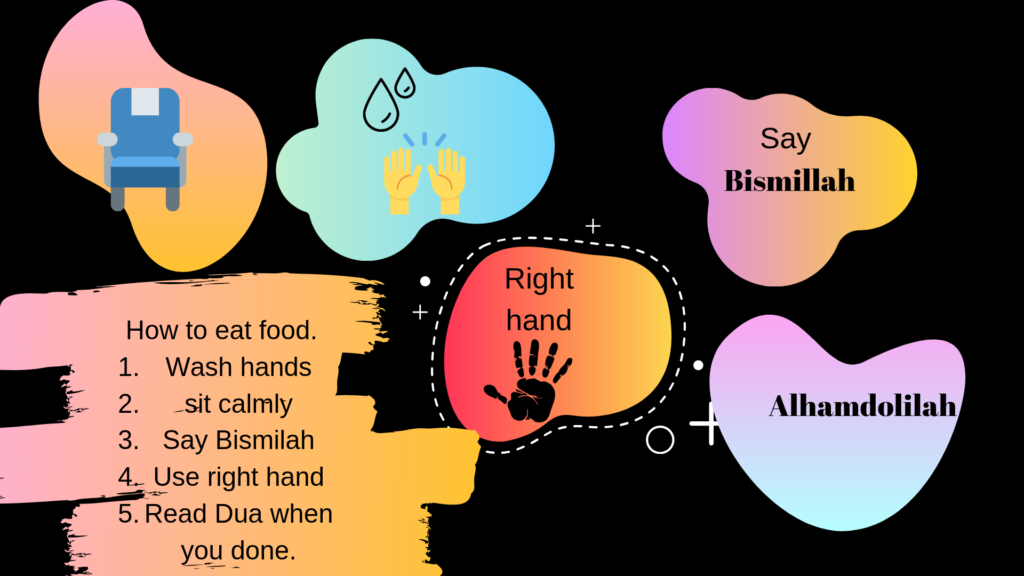
✓ Say Bismillah Before Eating: Always say “Bismillah” (In the name of Allah) before beginning to eat. This is a form of gratitude and remembrance of Allah.
✓ Wash Your Hands Before Eating: Cleanliness is part of Islamic faith. Always wash your hands thoroughly before eating.
✓ Sit While Eating: Eating while sitting is more dignified and helps with proper digestion. Standing and eating hastily is discouraged.
✓ Eat with Others: The Prophet (PBUH) enjoyed eating with family and friends. Sharing meals brings people together.
✓ Don’t Waste Food: Islam strongly discourages wasting food. We should take only what we can eat and be grateful for every bite.
✓ Don’t Talk While Chewing: Keep your mouth closed while chewing to maintain cleanliness and respect.
✓ Eat Moderately: The Prophet (PBUH) taught us not to overeat. We should eat until we are satisfied, not until we are completely full.
✓ Say Alhamdulillah After Eating: After finishing your meal, always say “Alhamdulillah” (All praise is due to Allah) to express gratitude.
✓ Use Your Right Hand to Give and Receive: When giving or receiving something from others, use your right hand as a sign of respect.
Setting: A Muslim household where good manners are valued
Main Character: Ali, a 9-year-old boy who is generally well-behaved and obedient
The Problem: Ali had fallen into a bad habit of using his left hand for eating, despite his parents’ constant reminders. His parents had noticed that when he ate with his left hand, other negative behaviors would follow – he would eat hastily, forget to say Bismillah, not sit properly, and often waste food. It was as if this one bad habit was opening the door to many other impolite behaviors.
The Struggle: The more Ali continued with this habit, the worse things became. He started experiencing:
Constant hunger, never feeling satisfied even after eating large amounts
Losing concentration in his studies because he was always thinking about food
Becoming irritable and upset with his family
Forgetting all the beautiful manners his parents had taught him
His stomach would hurt, and he wasn’t feeling well
His parents realized something had to change. They recognized that this wasn’t just about eating – it was about building character and following the teachings of Islam.
The Solution: Ali’s parents took him to visit a respected Islamic teacher and counselor. The teacher sat with Ali and explained to him:
“Dear Ali, do you know that our beloved Prophet Muhammad (PBUH) taught us to eat with our right hand? This isn’t just a rule – it’s a way of showing respect to yourself, to your food, and to Allah. When we follow this teaching, we invite blessings (barakah) into our lives. When we ignore it, we invite confusion and frustration.”
The teacher then taught Ali the complete way to eat according to Islamic manners:
Always say “Bismillah” before eating
Sit down while eating
Eat with your right hand
Eat slowly and mindfully
Chew your food properly
Don’t waste any food
Say “Alhamdulillah” after finishing
The Transformation: As Ali began to practice these manners consistently:
He started feeling satisfied and content after meals
His concentration improved in school
He felt calmer and more respectful
His family relationships became more peaceful
His health improved, and his stomach problems disappeared
He noticed how much happier everyone was around him when he practiced good manners
The Lesson: Ali realized that the Shaitan (negative influences and bad habits) had been making him miserable through that one bad habit. But now that he was following the Prophet’s (PBUH) teachings, he felt at peace, healthy, and happy. He understood that good manners are not restrictions – they are gifts from Allah that help us live better lives.
Moral of the Story: Good Islamic manners, especially eating manners, are blessings from Allah. When we follow them, we experience blessings in our health, our relationships, and our hearts. When we ignore them, we invite problems. Ali learned that being obedient to Islamic teachings brings joy and satisfaction in all areas of life.
After learning about this hadith and the story of Ali, let’s think about these important questions:
Why did the Prophet Muhammad (PBUH) teach us to eat with the right hand? Answer: To maintain cleanliness, purity, and respect. The right hand is for noble actions, and the left hand is for personal hygiene.
What happened to Ali when he didn’t follow the Prophet’s teachings? Answer: He felt hungry all the time, couldn’t concentrate, had stomach problems, and forgot other good manners.
How did Ali’s life change when he started eating with the right hand and following proper eating manners? Answer: He felt satisfied, healthier, calmer, and his relationships with family improved.
Can you think of other ways we use our right hand in Islam? Answers: Giving and receiving gifts, greeting others with handshakes, writing, eating, drinking, etc.
What does it mean when we say the Shaitan eats with his left hand? Answer: It means that following bad habits and ignoring Islamic teachings is like inviting Shaitan into our lives. But when we follow the Sunnah, we keep ourselves pure and away from evil influences.
What other eating manners did you learn from the story? Answers: Saying Bismillah before eating, sitting while eating, not wasting food, saying Alhamdulillah after eating, eating slowly, etc.
How can you practice these manners starting today? Answer: Each student should think about how they will apply at least one eating manner in their next meal.
Teaching eating manners is one of the most important aspects of raising well-mannered Muslim children. Here are some practical tips to help you teach and reinforce these behaviors at home:
1. Model the Behavior Yourself Children learn best by observing. Always eat with your right hand, say Bismillah and Alhamdulillah, sit while eating, and practice all the manners you want your child to learn. When children see you doing these things consistently, they naturally want to imitate you.
2. Make It Practical and Gradual Don’t expect perfection immediately. Start with one or two habits – perhaps saying Bismillah before eating and using the right hand. Once these become automatic, add more manners gradually.
3. Explain the “Why” Behind the Rules Children are more likely to follow rules when they understand the purpose. Explain that:
Bismillah reminds us that food is a blessing from Allah
Using the right hand shows respect and maintains cleanliness
Sitting while eating is more dignified and helps digestion
Not wasting food respects Allah’s blessings
4. Praise and Encourage When you notice your child practicing good eating manners, praise them specifically: “Masha’Allah! I saw you say Bismillah before your meal today. That shows you remember Allah’s blessings.” Positive reinforcement is much more effective than criticism.
5. Create a Family Mealtime Culture Make mealtimes special by:
Eating together as a family when possible
Having meaningful conversations
Creating a calm, respectful atmosphere
Avoiding screens and distractions during meals
6. Be Patient with Younger Children Very young children (3-5 years old) may need more reminders and gentle guidance. Use simple language and be consistent. Don’t show frustration – patience is key.
7. Use Reminders Without Shaming Instead of: “You’re eating like Shaitan,” try: “Remember, the Sunnah of the Prophet (PBUH) is to eat with our right hand. Let’s use our right hand, okay?”
8. Incorporate Islamic Stories Share stories like “The Hungry Boy” regularly. Children remember lessons better when they’re attached to stories and characters they can relate to.
9. Let Them Help in Food Preparation When children help prepare meals, they develop a better appreciation for food. This naturally leads to them wanting to eat mindfully and not waste.
10. Connect to the Quran and Sunnah Help your child understand that eating manners are not just “mom’s rules” or “dad’s rules” – they are teachings from our beloved Prophet (PBUH) and part of Islamic culture for centuries.
11. Address Challenges Kindly If your child is struggling with a particular manner (like using the right hand if they are naturally left-handed), work with them patiently. Some children may need occupational therapy, and that’s okay. The goal is to gradually improve behavior, not create stress or shame.
12. Celebrate the Progress When your child has been consistently practicing good eating manners for a week or month, celebrate that achievement. You might say, “Alhamdulillah, I’ve noticed how well you’ve been eating! I’m so proud of your good manners.”
One important concept to teach children is Barakah – which means blessing, abundance, and increase of goodness from Allah.
When we follow the teachings of the Prophet Muhammad (PBUH), especially something as simple as eating manners, we invite Barakah into our lives. This means:
✓ The food satisfies us more even if we eat less ✓ We feel healthier and stronger ✓ Our minds are clearer and we can focus better ✓ Our family relationships improve ✓ We feel Allah’s presence and blessings in our daily activities ✓ We develop good character and self-discipline
Conversely, when we ignore these teachings, we lose the Barakah. We feel:
Constantly hungry and unsatisfied
Restless and confused
Weak and unhealthy
Disconnected from our Islamic identity
Frustrated and unhappy
This is a powerful lesson for children: Following Islam isn’t restrictive – it’s the key to happiness and blessings in life.
This Hadith course consists of hadith with storytelling via a zoom live session with kids with activities, memorization revision, and assessment. The course is also available on WhatsApp. If you want to learn About this course read this. Hadith Introduction and tips to Teach 30 short Hadith with Stories.
بچوں کی حدیث کی تصویر گروپ میں نام کے ساتھ پوسٹ کریں. تا کہ اس سیشن کے آخر میں وہ سرٹیفکیٹ حاصل کر سکیں
Written Story in Urdu.اگر بچوں کی احادیث سناتے ہوۓ ویڈیو بجھنا چاہیں تو وہ بھی بیجھ سکتے ہیں.شکریہ
Some manners activities book and cards are presented down. They are made for Muslim kids and very helpful Have a look at them. Jazak Allah.
May Allah make it easy for all of us. Ameen. Books recommended by me.
Enrolments Available
This is a short course of hadith and stories from My 30 short hadith with stories course. My hadith course is very much liked and appreciated by parents and students. Online group classes are available online for all time zones. Recommended age for the class Hadith for kids is 7+. These classes are available in English and Urdu. If you want to enroll your child in our classes contact us via.
Other courses we have
Easy Tafseer for kids with exciting stories you can see that course in my hadith course tab.
Prayer for kids course is a short course to teach about taharat, Gusal, wudu, times of prayers, number and names of prayers, pillars and conditions, and prayer methods. Search as Prayer for kids course on the search bar.
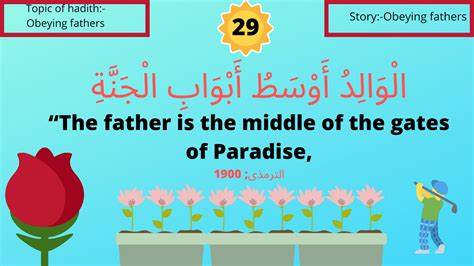
Welcome to our short course, short hadiths for children with stories. This is hadith no 29 of our course.
30 short hadiths for children| No 29
Today’s Hadith is about obedience to the father.
Here is another beautiful short hadiths for children. Parents are often valued only after they are no longer with us. When they raise and educate their children, it is filled with sincere love and dedication. But love alone is not enough — parents must understand that children are a trust and a great responsibility from Allah. Raising them with their rights in mind and seeking only Allah’s pleasure is crucial.
Today, many children are restless, disobedient, and sadly abandon their parents in old age. One main reason is that parents raise children like their personal property, without turning to Allah for guidance or connecting their children to Allah from the start.
This Hadith teaches children to obey their father, beautifully explained using the examples of the prophets and their sons. Prophet Ibrahim (A.S.) and his son Prophet Ismail (A.S.) are perfect examples of obedience. Prophet Ismail (A.S.) never refused his father’s instructions — even when it came to the test of sacrifice. He obeyed without hesitation, and Allah granted him honor in both this world and the hereafter. On the other hand, the sons of Prophet Lut (A.S.) and Prophet Nuh (A.S.) were disobedient and faced Allah’s punishment because they refused to follow their fathers.
Also remember, we have previously shared a Hadith about obedience to the mother, along with a beautiful Seerah-based story. Make sure to share that with your children as well.
Alhamdulillah! Today, we complete Hadith number 29. This journey began with fear and uncertainty, but by Allah’s grace, it is almost finished. Even now, I wonder if it could have been better. But I am grateful that Allah gave me the opportunity. Perhaps those who supported this work, shared it, and helped their children learn from it will become my proof on the Day of Judgment.
I request all of you to share this effort at your level. You never know who may read it, act upon it, and become a source of reward for all of us.
These short Hadiths for children are also available in English. Our group is active again with weekly tasks, stories, and Hadith activities. You are welcome to join anytime.
Below, you will find the explanation of the story and Hadith. Show the video to your children and kindly answer their questions. If you want to read the story in detail, check the links in the English section.
والدین وہ ہستیاں ہیں جن کی اصل قدر و قیمت اکثر تب محسوس ہوتی ہے جب وہ ہمارے ساتھ نہیں رہتے۔ جب وہ بچوں کی پرورش اور تربیت کر رہے ہوتے ہیں، تو ان کی محبت اور خلوص اس میں شامل ہوتا ہے۔ لیکن محبت کے ساتھ ساتھ والدین کو چاہیے کہ وہ بچوں کو ایک آزمائش اور اہم امانت سمجھیں، نہ کہ اپنی ملکیت۔
بچوں کی تربیت کرتے وقت ان کے حقوق کا خیال رکھنا، ان کی شخصی نشوونما میں اللہ کی رضا شامل کرنا ضروری ہے۔ آج کل بچوں کی بے چینی، نافرمانی اور والدین کو بڑھاپے میں تنہا چھوڑ دینے کی اہم وجہ یہی ہے کہ اکثر والدین اللہ سے مدد لیے بغیر بچوں کی تربیت کرتے ہیں۔
اس حدیث میں اولاد کی اطاعت اور والد کی بات ماننے کی اہمیت کو انبیاء کرام کی زندگیوں سے واضح کیا گیا ہے۔ حضرت ابراہیم علیہ السلام اور ان کے بیٹے حضرت اسماعیل علیہ السلام کی تابعداری ایک مثالی واقعہ ہے۔ حضرت اسماعیل علیہ السلام نے ہر موقع پر اپنے والد کی بات مانی، حتیٰ کہ قربانی جیسے مشکل حکم پر بھی صبر اور اطاعت کا مظاہرہ کیا۔ اس کے برعکس، حضرت لوط اور حضرت نوح علیہما السلام کے بیٹے نافرمان تھے، اور اسی وجہ سے اللہ کی طرف سے ان پر عذاب نازل ہوا۔
یاد رہے، ہم پہلے ماں کی فرمانبرداری سے متعلق حدیث اور اس پر ایک خوبصورت سی سیرت کی کہانی کر چکے ہیں۔ وہ بھی بچوں کو ضرور سنائیں۔
الحمدللہ! آج ہماری حدیث نمبر ۲۹ مکمل ہوئی۔ یہ سفر خوف کے ساتھ شروع کیا تھا لیکن اللہ کے فضل سے مکمل ہونے جا رہا ہے۔ دل میں ابھی بھی یہ احساس ہے کہ شاید اس سے بہتر ہو سکتا تھا، مگر جو کچھ ہوا، وہ اللہ کے کرم سے ہوا۔ میری دعا ہے کہ جو لوگ اس کوشش میں میرے ساتھ تھے، اور جنہوں نے اپنے بچوں کے ساتھ یہ احادیث سیکھیں، وہ سب میرے لیے حجت بن جائیں۔
آپ سب سے گزارش ہے کہ آپ بھی اپنی سطح پر اس نیکی کو دوسروں تک پہنچائیں۔ کیا معلوم کہاں، کون، کب اس کو پڑھ کر عمل کرے اور ہمارے لیے صدقہ جاریہ بن جائے۔
ان احادیث کو انگلش میں بھی اپلوڈ کیا جا رہا ہے، اور ہمارا گروپ دوبارہ ایکٹیو ہے۔ وہاں پر ہر ہفتے عملی سرگرمیاں، کہانیاں اور حدیثیں شیئر کی جاتی ہیں۔ اگر آپ چاہیں تو ابھی بھی جوائن کر سکتے ہیں۔
کہانی اور حدیث کی مکمل تفسیر نیچے دی گئی ہے۔ بچوں کو ویڈیو دکھائیں اور ان کے سوالوں کے جواب محبت سے دیں۔ اگر آپ اس واقعے کو تفصیل سے پڑھنا چاہتے ہیں تو انگلش والے سیکشن میں موجود لنک پر کلک کریں۔
This hadith and story is part of our course ‘short 30 hadiths with stories’. This course has been designed for children. Its a personality development course. You can enrol your child for online zoom classes. Enrol or see our courses here.
Welcome to our online hadith courses. This is a 30-short hadith with stories course(Teaching method). We have free stories, and videos to teach these hadiths online. You can also get a soft worksheets book to get more benefits from this course.
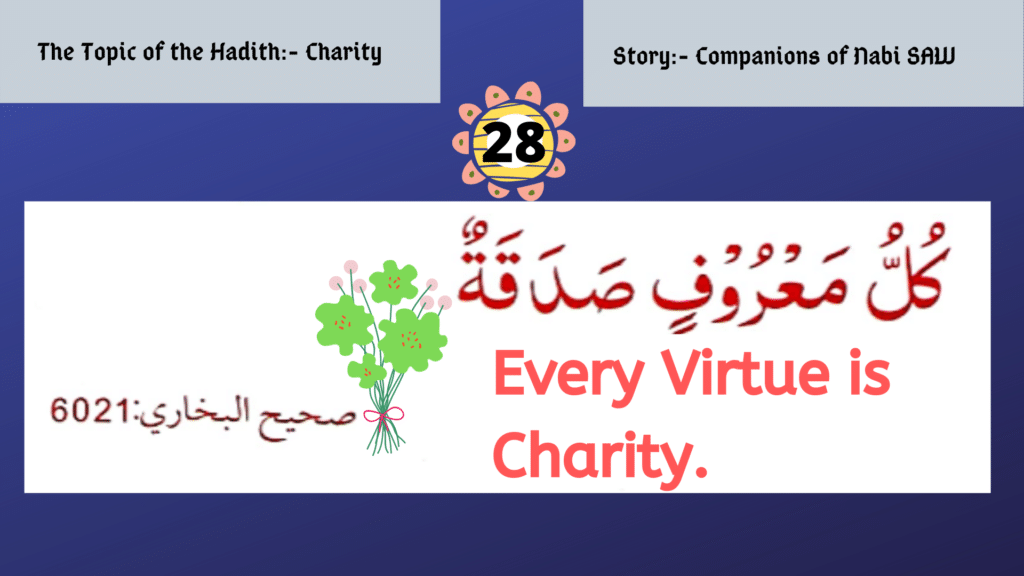
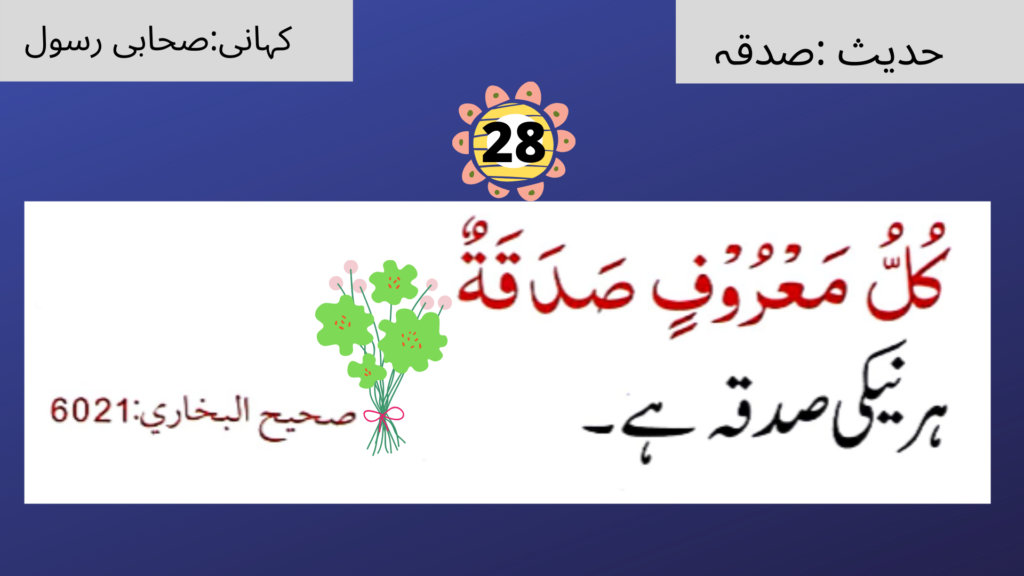
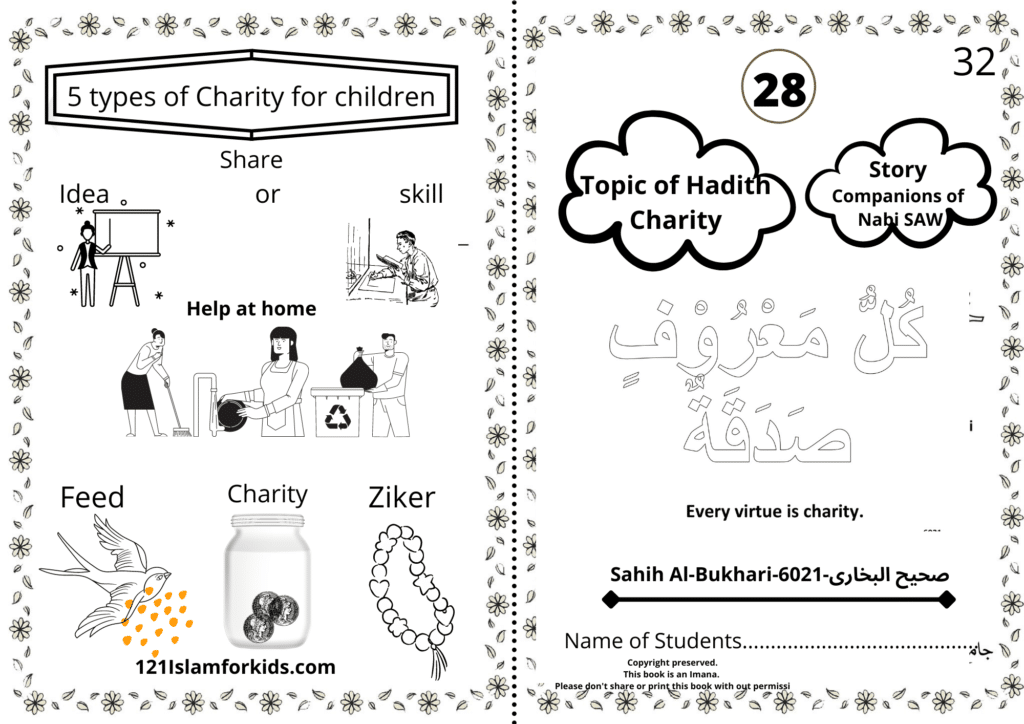
On this page, we are only introducing the meaning of charity in Islam, the best ways to give charity
What is the best method to give charity in Islam and how we can teach this to our kids? We have stories, videos, and worksheets to teach. In this post, the teaching method has been discussed in Urdu and English. Scroll down to get stories and worksheets
This a very important topic and it is revealed many times in many Ahadith and verses of the Quran. These Hadith peruse us to give charity so that we could guard ourselves against the hellfire.
Obligatory charity/Zakat is one of the five pillars of Islam. And everyone has to give Zakat once a year if he is implacable.
But there is no limited to give charities besides our Zakat.
In daily life, we may commit many mistakes and sins knowingly or unknowingly. And Our charity is the best form to vapor our sins. The important part of this hadith for kids is that they should know what is the best charity. Allah’s Prophet guided us in this case that we may give very little things in charity.
In another hadith, he said that picking a throne from the footpath is also a Sadqa. So we may not fear if we have nothing, we can give a good smile to others to get Ajer on that.
When I pursue my kids to give to charity, I always motivate them to share personal things with others. Because it is really a hard job to do so for kids as well as adults.
But if you do practice and overcome your greed and selfishness you may donate anything at any time for the sake of Allah. Once our Prophet said’ the best charity is food.’ So we should motivate our kids to share their lunch boxes, and their daily eatable things as well as they may donate other personal things.
Story of Charity of Usam R.A In English
Today the story is about the third Caliph of Islam Uthman RA. He was a great leader and the best to give charity. Please read the life of Uthman Ghani from the given link and tell the Seerah to your kids. In sha Allah I will bring more stories about all Islamic heroes to my channel soon.
Don’t forget to write Hadith in the Hadees book. And share the picture of the Hadith for other activities you did for this Hadith. So that your kids would get the certificate of completing their Ahadith.
ہماری آج کی حدیث اور کہانی نیکی اور صدقہ کرنے کی ہے اس موضوع سے ہم پہلے ہے دو احدیث کر چکے ہیں. آج کی کہانی میں بچوں کو چھوٹے چھوٹے نیکی کے کام کرنے اور اس سےثواب حاصل کرنے کی تربیت ملے گی –
آج کی حدیث کے ساتھ حضرت عثمان رضی اللہ کی کہانی دے جا رہی ہے .حضرت عثمان کی زندگی کے واقعات اور ان کی فیاضی بچوں کے لیے بہترین نمونہ ہے.انگلش والی سیکشن میں ان کی زندگی کے متعلق معلومات حاصل کریں اور بچوں کو ان کی شخصیت کے متعلق ضرور باتیں.مزید کہانی بھی انشااللہ اسی چینل پر لے کر آئیں گے.
کہانی اور حدیث کا ترجمہ اور تفسیر نیچے دیا جا رہا ہے.بچوں کو وڈیو دکھائیں اور ساتھ ساتھ ان کے سوالوں کا جواب بھی دیں. اگر اس واقعہ کو تفصیل سے پڑھنا ہے تو آاپ انگلش والے سیکشن میں موجودلنک میں پڑھ سکتے ہیں
میں نے بچوں کو سنت سیکھانے کے لیے انفرادی طور پر کچھ مطالعہ کیا ہے اور اپنے بچوں کو سیکھانے کے لیے کچھ چیزیں تیار بھی کر رکھی ہیں اگر کسی کو میری مدد کی ضرورت کو تو مجھے کومنٹ کر سکتے ہیں
This is a short course of hadith and stories from My 30 short hadith with stories course. My hadith course is very much liked and appreciated by parents and students. Online group classes are available online for all time zones.
Recommended age for the class Hadith for kids is for all. These classes are available in English and Urdu. If you want to enroll your child in our classes contact us via.
Easy Tafseer for kids with interesting stories you can see that course in my hadith course tab.
Prayer for kids course is a short course to teach about taharat, Gusal, wudu, times of prayers, number and names of prayers, pillars and conditions, and prayer method. Search as Prayer for kids course on the search bar.
Our Ibada, believe in Allah and the purpose of fasting is having the fear of Allah. Because of it we do good deeds and escape ourselves from wrongdoings.
Fear of Allah without seeing Him is the thing that we have been taught in childhood. And Alhamdolilah we do believe that Allah is watching us everywhere and every condition. But we adults are who do not offer our duty and do not stop ourselves from doing the wrong things. And when our children see us doing all the bad things, their hearts get hard and they also stop fearing from Allah in true meanings.
And then they commit such sins which are actually much disliked by Allah. Because their immature minds and the excitement of exploring new things are the weapons of Shaytaan.
In today’s, story we will learn how the fear of Allah benefits us. This story is explaining to kids Allah and His angels are watching us and our good and bad deeds are being written and recorded. So we should not commit such deeds which ur heart says no. And We also should not obey our elders and our friends when they invite us to do any wrong thing if our heart is not satisfied with those things. They will learn to say ‘nooo’ to the wrong things.
Please open the hadith or write this hadith for them on board, explain the hadith and topic a little more for them.
In the end, don’t forget to write Hadith in the Hadees book. And share the picture of the Hadith for other activities you did for this Hadith. So that your kids would get the certificate of completing their Ahadith
اللہ کا ڈر اصل میں تقویٰ کا دوسرا نام ہے. یہی وہ چیز ہے جو انسان کو بھلائی پر آمادہ کرتی ہے اور برائی سے روکتی ہےالله کوبغیر دیکھے اس سے ڈرنا ہے روزے کا مقصد ہے اور اللہ کی حیا کرکے خود کو اس کی پسند کا بنانے میں اللہ کی خوشی ہے
ہم بڑے اللہ پر بھرپور امن و یقین رکھتے ہیں مگر بچے اللہ کی پہچان کے بارے میں ہمیشہ تذبذب کا شکار رهتے ہیں.ہمیں بچپن سے یہ بتایا جاتا ہے کہ اللہ ہر جگہ ہے اور ہمیں دیکھ رہا ہے اور ہم اس پر یقین رکھنے کے باجود اللہ سے اس طرح نہیں ڈرتے جس طرح اس سے ڈرنے کا حق ہے اور اس کے ساتھ ہی ہم اتنے جرأت مند ہیں کہ بچوں کے سامنے بے خوفی کے ساتھ ایسے گناہ کر جاتے ہیں جو اللہ کی نظر میں بہت برے ہیں اور پھربچوں کے معصوم ذہن سخت ہوجاتے ہیں اور وہ بھی ہماری طرح عمل سے دور ہو جاتے ہیں لہٰذا بچے بھی با عمل زندگی گزرنے اور اللہ سے ویسے ڈرنے جیسا اس سے ڈرنے کا حق ہے محروم ہو جاتے ہیں- آج کی کہانی میں بچوں کو آج کی technalogy کی مثال دے کر ایک خوبصورت کہانی کے ساتھ اس بات کا احساس دلایا جایے گا کہ اللہ ہر جگہ کیسے موجود ہے؟ اس سےہر وقت کیسے ڈرا جایے؟ہم جو بھی کر رہے ہیں اس کو ہر وقت لکھا اور سنا کیسے جاتا ہے؟اور یہ چاہے بڑا ہو چھوٹا ہو یا ہمارا ہم عمر دوست ہمیں اس کا ‘نا’ کیسے کہنا ہے؟یہ بہت اہم اور سبق ہے اس کہانی میں بچوں کے ساتھ ساتھ ہم بڑوں کے لیے بھی عمل کی بات ہے کہ ہم چھوٹے فائدوں کے لیے اللہ کو ناراض کرتے ہیں.مگر اگر ہم اللہ کو خوش کر لیں تو اللہ اپنی شان کے مطابق عطا فرماتا ہے.الله سمجھ اور عمل کی توفیق عطا فرمایے آمین.بچوں کو کہانی لگا کر دیں خود بھی کہانی اور حدیث سننے میں دلچسبی لیں اور حدیث یاد بھی کر لیں-اور دوسروں کے ساتھ شئیر بھی کریں . کیوں کہ قیامت کے دن یہ ہماری لیے حجت بن سکتی ہیں.انشااللہ
کہانی اور حدیث کا ترجمہ اور تفسیر نیچے دیا جا رہا ہے.بچوں کو وڈیو دکھائیں اور ساتھ ساتھ ان کے سوالوں کا جواب بھی دیں. اگر اس واقعہ کو تفصیل سے پڑھنا ہے تو آپ انگلش والے سیکشن میں موجودلنک میں پڑھ سکتے ہیں
میں نے بچوں کو سنت سیکھانے کے لیے انفرادی طور پر کچھ مطالعہ کیا ہے اور اپنے بچوں کو سیکھانے کے لیے کچھ چیزیں تیار بھی کر رکھی ہیں اگر کسی کو میری مدد کی ضرورت کو تو مجھے کومنٹ کر سکتے ہیں
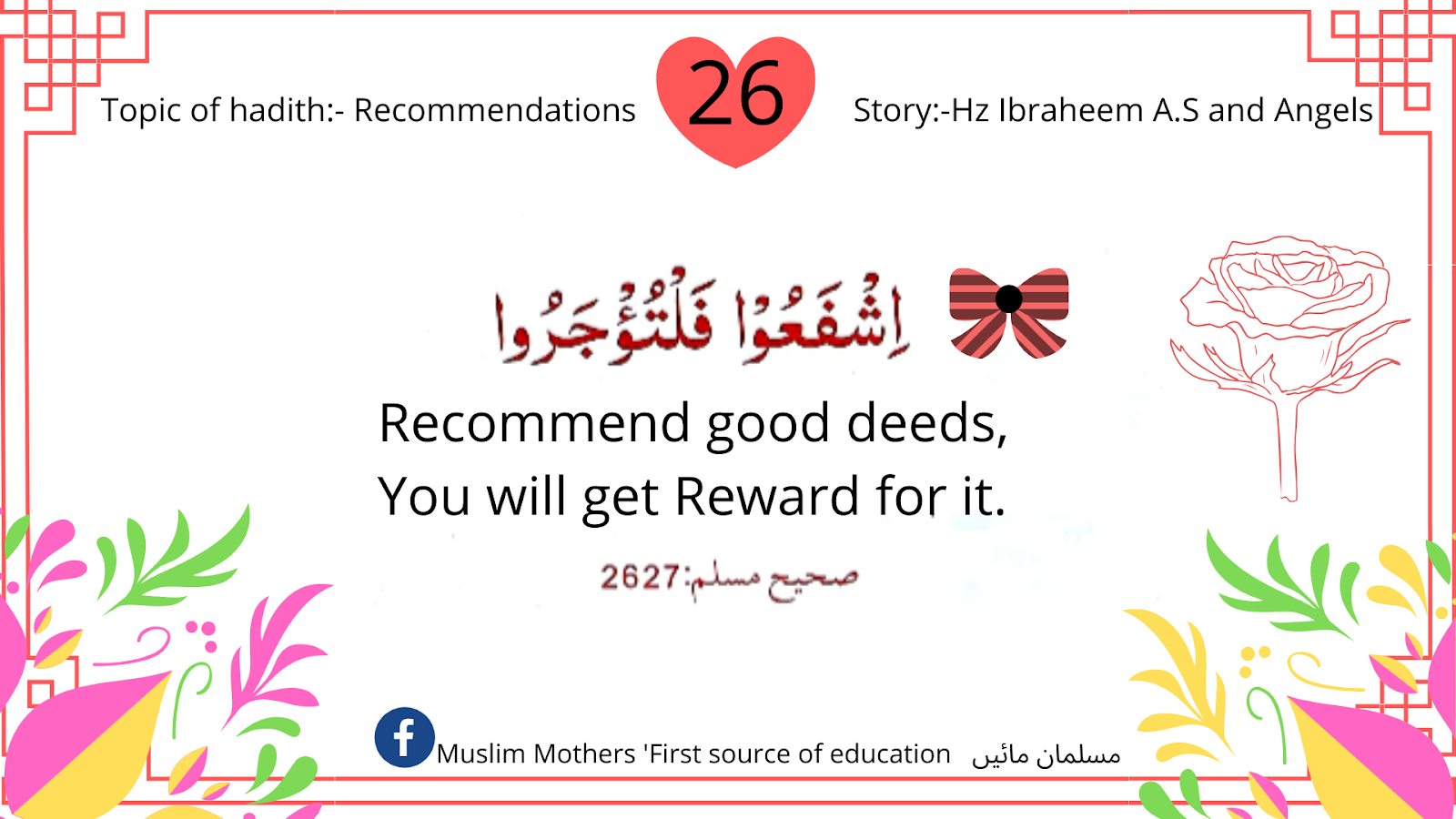
It is the topic which was ignored and many people don’t have much knowledge about it. Some people grab every opportunity by giving and making recommendations. They do not know it is a big sin. And others who think this is the wrong thing they stop recommending for good and noble deeds.
In to days, hadith two stories are presented which are actually one Incident from the lives of Prophets. One prophet is presented recommends for good and other is shown avoiding bad recommendations.
The link to the story is here. videos for kids with this hadith and stories are at my channel 121 Islam for kids. Video in down side
In the end, don’t forget to write Hadith in the Hadees book. And share the picture of the Hadith for other activities you did for this Hadith. So that your kids would get the certificate of completing their Ahadith. May Allah make it easy for you.
Note: -Spread this Hadees with your family and friend so that more people would get benefit from it.
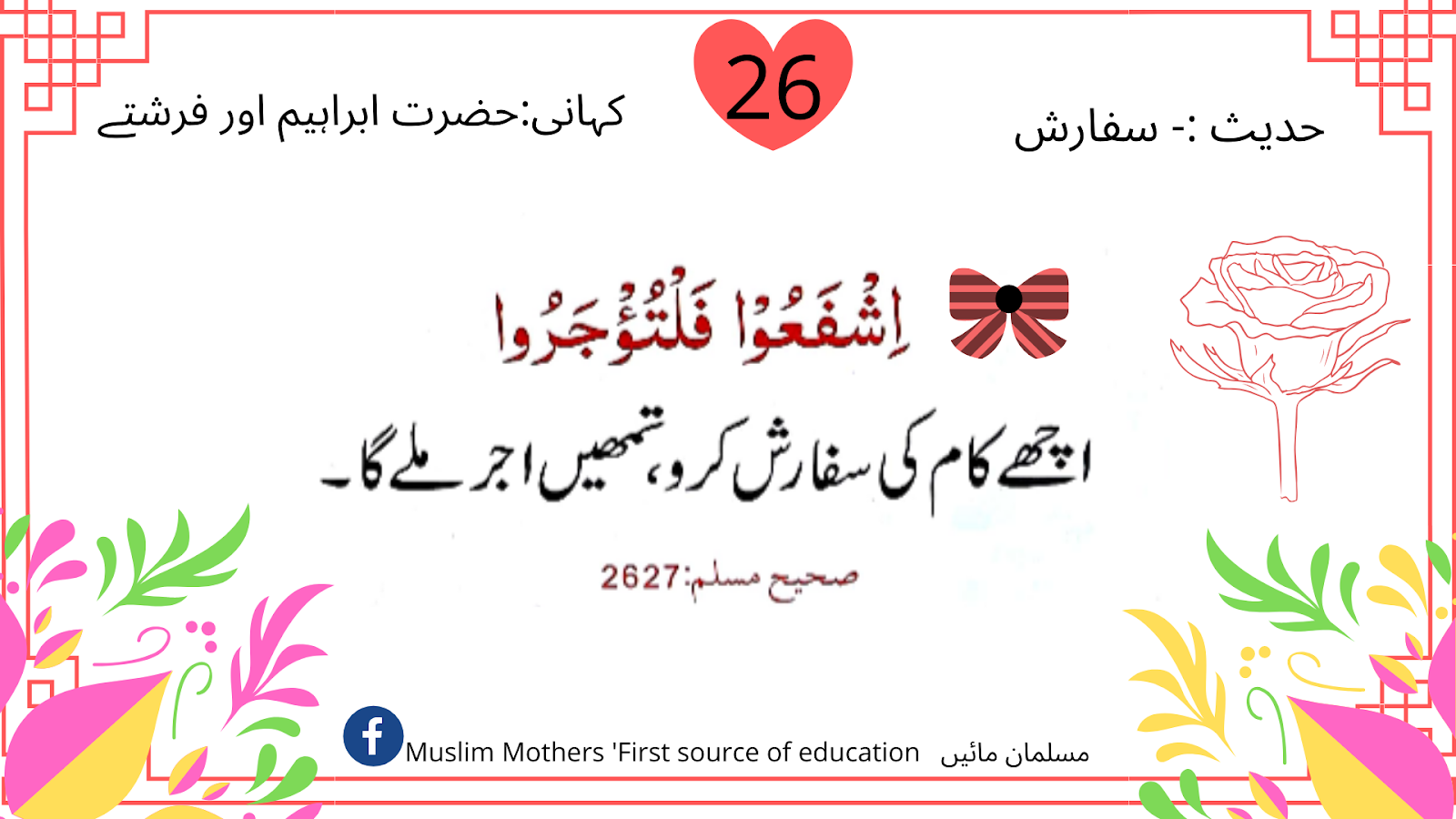
سفارش ایک ایسا موضوع ہے جس پربہت کم لکھا اور پڑھا گیا. اسی وجہ سے بہت سارے لوگ یہ نہیں جانتے کہ سفارش کب کرنی چاہے اور کب نہیں.کچھ لوگ سفارش کرنا اور کروانا اپنا حق سمجھتے ہیں. ان کے لیے کسی دوسرے کا حق مار کر سفارش کروانا کوئی گناہ یا ناپسندیدہ کام نہیں ہے. جب کہ جو اس کو گناہ سمجھتے ہیں وہ اچھی سفارش پر ملنے والے اجر سے ناواقف ہوتے ہیں. اسی لیے سفارش کرنا چھوڑ دیتے ہیں
سفارش کب کرنی چاہی اور کب نہیں یہ سمجھانے کے لیے آج بچوں کو دو نبیوں کی کہانیاں سنائی جائیں گی ایک میں اچھے کام کی سفارش کی گئی اور دوسرے میں سفارش کرنے سے اجتناب برتا گیا.
بچوں کو کہانی لگا کر دیں خود بھی کہانی اور حدیث سننے میں دلچسبی لیں اور حدیث یاد بھی کر لیں-اور دوسروں کے ساتھ شئیر بھی کریں . کیوں کہ قیامت کے دن یہ ہماری لیے حجت بن سکتی ہیں.انشااللہ
کہانی اور حدیث کا ترجمہ اور تفسیر نیچے دیا جا رہا ہے.بچوں کو وڈیو دکھائیں اور ساتھ ساتھ ان کے سوالوں کا جواب بھی دیں. اگر اس واقعہ کو تفصیل سے پڑھنا ہے تو آاپ انگلش والے سیکشن میں موجودلنک میں پڑھ سکتے ہیں
میں نے بچوں کو سنت سیکھانے کے لیے انفرادی طور پر کچھ مطالعہ کیا ہے اور اپنے بچوں کو سیکھانے کے لیے کچھ چیزیں تیار بھی کر رکھی ہیں کمینٹ کر کے پوچھ سکتے ہیں
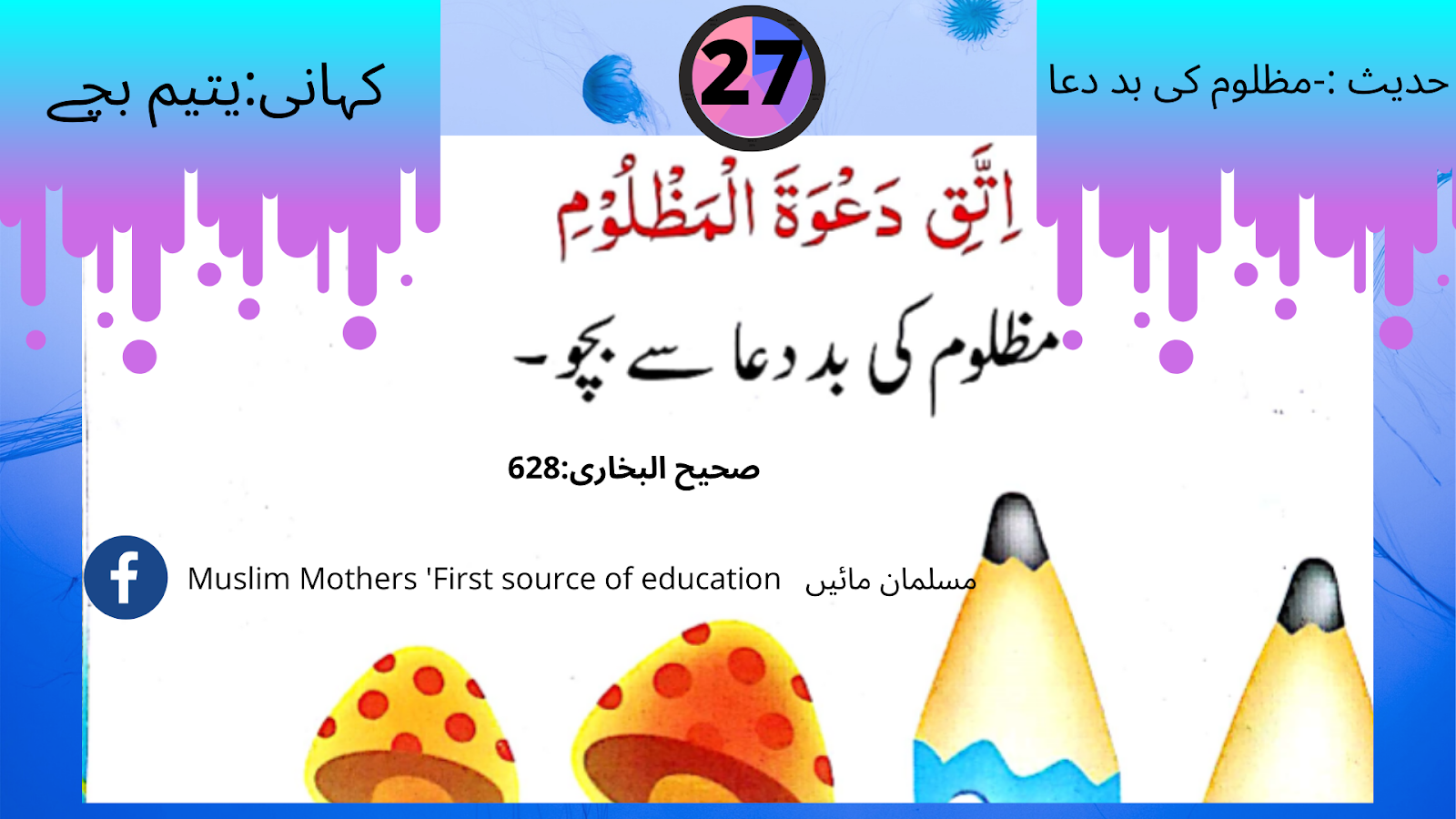
Oppression is a very bad habit. Every person could be an oppressor who has some status like, leader, husband or King. When someone would have any authority, he could try to beat others or snatch things from others, and some people hurt others by using bad words for them. Prophet Muhammad SAW said help oppressed and oppressor. People asked him. How we could help an oppressor? He replied by preventing him from oppressing others…It is very important to teach our kids how Companions of Prophet Muhammad SAW were generous and had fear of Allah. They were true followers of Nabi Muhammad SAW. We should teach Our children seerah and stories of Companions. For this here is a story of Umer RA for kids about the topic. I hope We will bring more stories about this soon in English video stories till then please read the story to your kids.
Video of the story is downside.
In the end, don’t forget to write Hadith in the Hadees book. And share the picture of the Hadith for other activities you did for this Hadith. So that your kids would get the certificate of completing their Ahadith. May Allah make it easy for you.
Note: -Spread this Hadees with your family and friend so that more people would get benefit from it.
ظلم کیا ہے؟ کوئی شخص کسی پرہاتھ اٹھا کر اس کو نقصان پہنچاتا ہے. کوئی کسی کا مال چھین کر اور کوئی اپنی زبان سے دوسرے کے لیے برے الفاظ استعمال کر کے اس پر ظلم کرتا ہے. .یہ ظالم لیڈر، شوھر یا بادشاہ یا ہر اہ شخص ہو سکتا ہے جس کو کوئی عہدہ یا طاقت دی گئی ہو.حضرت محمّد صلم نے فرمایا ظالم اور مظلوم دونوں کی مدد کرو -صحابہ نے پوچھا کہ ظالم کی مدد کیسے کریں. فرمایا اس کو ظلم سے روک کر-جانے انجانے میں ہم سب کسی .نہ کسی پر ظلم کر بیٹھتے ہیں ہم سب کو چاہئیے کہ اگر کسی پر ظلم کر بیٹھیں تو جلدی سے اس سے معافی مانگ لیں اور اس کا نقصان پورا کرنے کی کوشش کریں-تا کہ اس کی بددعا سے بچ سکیں بچوں کو یہ چھوٹی چھوٹی سی باتیں سیکھا نی بہت ضروری ہیں یہ حدیث اور اس کے ساتھ دی گئی کہانی خلیفہ عمر رضی اللہ کے متعلق جو عادل ور انصاف کرنے والے تھے اور اس کے ساتھ اللہ سے ڈرنے والے بھی تھے-انشااللہ ان احادیث کے بعد صحابہ کی سیرت سے متعلق مزید کہانیاں اسی چینل پر پیش کی جائیں گے.جس سے بچے صحابہ کی طرح نبی صلم کی سنت پر عمل کرنے میں کامیاب ہو سکیں گے چنیل کو سبسکرائب کر لیں تا کے آپ کے بچے اس سے فائدہ اٹھا
سکیں
کہانی اور حدیث کا ترجمہ اور تفسیر نیچے دیا جا رہا ہے.بچوں کو وڈیو دکھائیں اور ساتھ ساتھ ان کے سوالوں کا جواب بھی دیں. اگر اس واقعہ کو تفصیل سے پڑھنا ہے تو آاپ انگلش والے سیکشن میں موجودلنک میں پڑھ سکتے ہیں
میں نے بچوں کو سنت سیکھانے کے لیے انفرادی طور پر کچھ مطالعہ کیا ہے اور اپنے بچوں کو سیکھانے کے لیے کچھ چیزیں تیار بھی کر رکھی ہیں اگر کسی کو میری مدد کی ضرورت کو تو مجھے کومنٹ کر سکتے ہیں