This new Islamic Story a Reflection of the Surah Al-Bayyinah: This story has been crafted to teach Surah Al-Bayyinah in a very interesting and reflectiong methods. We encourage our students to craft their own Islamic stories after learning these short Surahs of the Quran. These are our online classes for teens/preteens and bigginers. More detail is available in the link below.
Table of Contents
Title: The Clear Sign – A Story of Farid and the Wise Sage (islamic stories)
In a peaceful village nestled between rolling green hills, there lived a curious and kind-hearted boy named Farid. Farid’s days were filled with wonder and questions about the world around him. One sunny morning, a wise and elderly traveler from a distant land arrived in their village, known as the Sage of Clarity.
Word spread like wildfire through the village, and soon, the villagers gathered around the sage, eager to hear his wisdom. Among the crowd, Farid was particularly intrigued by the idea of “The Clear Sign,” something he had never heard of before.
After a while, as the villagers eagerly listened to the sage’s words, Farid quietly slipped away and made his way toward the wise sage. Respectfully, he asked, “Honorable Sage, could you please explain to me what ‘The Clear Sign’ is?”
The sage looked down at Farid with a gentle smile and said, “Of course, young one. ‘The Clear Sign’ is like a guiding light, a beacon of truth and wisdom from Allah.”
Farid was genuinely interested now. “How can one find ‘The Clear Sign,’ and why is it so important?” he inquired.
The sage responded, “You find ‘The Clear Sign’ by seeking wisdom in the Quran, a book that contains Allah’s guidance and the keys to a good and righteous life. But remember, it’s not enough to just read the words; you must also understand and live by its teachings.”
Farid’s eyes sparkled with curiosity. “How can I make sure that ‘The Clear Sign’ shines in my heart?” he asked eagerly.
The wise sage continued, “To keep ‘The Clear Sign’ bright in your heart, you must act with honesty and kindness. These qualities are like the fuel that ignites the light of Allah’s wisdom within you. When you follow these virtues, you share the light of ‘The Clear Sign’ with others.”
Farid took this advice to heart and understood that merely reading the Quran was not enough. To truly bask in the radiance of “The Clear Sign,” he had to delve deep into its meanings and act upon its teachings.
As the wise sage shared stories about people who had received Allah’s guidance through scriptures, Farid learned that while some had embraced it with open hearts, others had turned away. “But why,” Farid wondered, “would anyone turn away from such a wonderful light?”
The sage explained, “Fear of change and a desire to hold onto power or old beliefs can lead some astray. That’s why it’s crucial to keep your heart open to the wisdom of ‘The Clear Sign.’”
From that moment forward, Farid was determined to live a life of honesty and kindness. He knew that these qualities were key to understanding and spreading the light of “The Clear Sign.” Farid not only read the Quran but also made an effort to comprehend its deeper meanings and act upon its teachings.
As Farid grew older, he continued to be a beacon of light and goodness in his community. His life’s mission was to embody “The Clear Sign” and help others understand that reading the Quran was just the beginning. True success in this life and the hereafter came from deeply comprehending its teachings and living by them.
Praying to be honest and kind is a noble intention. Let’s learn, How to Pray. You can incorporate this into your daily prayers and life by following these steps and using relevant supplications (duas): Let’s learn How to Pray.
Table of Contents
Sincerity in Intention (Niyyah):
Begin by making a sincere intention to be honest and kind in all your actions. Your intention should be solely for the sake of pleasing Allah and following the path of the Prophet Muhammad (peace be upon him).
Morning and Evening Supplications:
Incorporate the morning and evening supplications (adhkar) recommended by the Prophet Muhammad (peace be upon him) into your routine.
For example, recite the following du’a in the morning and evening: “O Allah, I ask You for truthful speech and for a heart full of honesty and kindness.”
Istighfar (Seeking Forgiveness):
Seek forgiveness from Allah for any past dishonesty or unkindness.
Use the supplication: “Astaghfirullaha Rabbi min kulli dhambin wa atubu ilayh” (I seek forgiveness from Allah, my Lord, for every sin, and I turn to Him).
Self-Reflection and Accountability:
Regularly evaluate your actions and words to ensure they align with honesty and kindness.
Make a sincere effort to rectify any wrongdoings.
Charity and Acts of Kindness:
Engage in acts of charity and kindness toward others, as these actions promote honesty and kindness.
Seek opportunities to help those in need.
Prayers for Guidance:
During your daily prayers (Salah), ask Allah for guidance to remain on the path of honesty and kindness.
Make a personal supplication from your heart, expressing your desire to embody these qualities.
Reading and Reflecting on Quranic Verses:
Read Quranic verses and stories of the Prophet’s life emphasizing honesty and kindness.
Reflect on their meanings and how you can apply them in your life.
Seeking Knowledge:
Learn about the Prophet Muhammad’s (peace be upon him) character and his interactions with others.
Study Islamic ethics and morals to understand better how to practice honesty and kindness.
Surround Yourself with Good Company:
Associate with people who encourage and exemplify honesty and kindness.
Positive peer influence can help reinforce these values.
Consistency and Patience:
Remember that personal growth takes time.
Be patient with yourself and continue to pray, seek knowledge, and make a conscious effort to improve.
By incorporating these steps and supplications into your life, you can strive to be a more honest and kind individual, following the teachings of Islam and the example set by Prophet Muhammad (peace be upon him).
Jibril (Gabriel): Revelation and communication with prophets
Mikail (Michael): Responsible for natural provisions and sustenance
Israfil: Blowing the trumpet on the Day of Judgment
Izrail (Azrael): Angel of death
Raqib and Atid: Recording angels who document deeds
Munkar and Nakir: Questioning Angels in the Grave
Attributes and Characteristics of Angels
Purity and obedience to Allah
No free will or ability to disobey
Unlimited knowledge and power
Vast in number, beyond human comprehension
Interactions with Humans
Conveying messages from Allah to prophets
Assisting and supporting believers
Recording deeds and actions
Intervening in human affairs with Allah’s permission
Importance and Significance in Islam
Affirming the unseen realm and the divine order
Serving as a reminder of Allah’s power and presence
Reinforcing the concept of accountability and divine justice
Inspiring awe, reverence, and gratitude toward Allah
References from the Quran and Hadith
Quranic verses mentioning angels
Hadiths narrated by the Prophet Muhammad (peace be upon him) about angels
Examples of angelic interventions and interactions in Islamic history
Conclusion: The Islamic belief in angels is a fundamental aspect of faith, affirming the unseen realm and the presence of Allah’s divine order. Angels play various roles, carrying out specific tasks assigned by Allah and serving as messengers between Allah and His creation. They possess unique attributes and characteristics, emphasizing their purity, obedience, and knowledge. Belief in angels reinforces accountability, divine justice, and the importance of a spiritual connection with Allah. References from the Quran and Hadith provide further evidence and guidance on the significance of angels in Islam.
Definition and Nature of Angels
Angels are special beings created by Allah from pure light. They obey Allah perfectly and have no choice but to follow His commands.
Angels are messengers between Allah and people. The angel Jibril (Gabriel) brought the Qur’an to Prophet Muhammad, and other angels have different jobs like protecting people and recording our deeds.
There are many angels, but we cannot count them. They watch over us, protect us, and help keep everything in the universe organized.
Muslims should respect and honor angels by making duaa (prayers). However, we should only worship Allah, not the angels.
Believing in angels is very important in Islam. The Qur’an and Hadith tell us many stories about angels and what they do.
Muslims confirm their belief in angels in various ways:
We learn about angels from the Qur’an, which is Allah’s holy message.
The Hadith (sayings of Prophet Muhammad) also tells us about angels and their jobs.
Islamic teachers explain the stories about angels to help us understand them better.
Some Muslims feel the protection and guidance of angels through their dreams and personal experiences.
Our faith in Allah gives us faith in the angels He created to help us.
We see Allah’s mercy, protection, and guidance in our lives, which angels help deliver.
Muslims all over the world believe in angels, and this shared belief confirms it is true.
By understanding these beliefs, Muslims grow closer to Allah and appreciate His perfect plan.
Names of some angels and their role
Archangels:
Jibril (Gabriel): He is known as the angel of revelation and is responsible for delivering Allah’s messages to the prophets.
Mikail (Michael): He is associated with the distribution of provisions and sustenance from Allah.
Guardian Angels:
Raqib and Atid: These angels are assigned to record the good and bad deeds of every individual.
Recording Angels:
Kiraman Katibin: They are a group of angels who record every action, word, and thought of humans. They write the deeds in a person’s book of records.
Angel of Death:
Izrail (Azrael): He is tasked with the responsibility of taking the souls of individuals at the time of their death.
Angels of the Grave:
Munkar and Nakir: These angels visit the deceased in their graves to question them about their faith and deeds.
Angels of Mercy and Punishment:
Ridwan: He is responsible for welcoming righteous believers into Paradise.
Malik: He is in charge of Hellfire and overseeing its punishments.
Angels of Protection:
Muaqqibat: These angels are assigned to protect and accompany individuals, especially during critical moments.
Different types of angels have different roles and names mentioned in Islamic tradition. Each one has an important job in Allah’s creation.
Teaching Method Islamic Belief in Angels to Children:
Introduction:
Start the lesson by introducing the topic of angels in Islam and their significance.
Explain that angels are spiritual beings created by Allah and play an important role in the unseen world.
Definition and Nature of Angels:
Teach children that angels are made of light and are subservient to Allah’s commands.
Emphasize that angels are invisible to humans and exist in a realm beyond our perception.
Purpose and Role of Angels:
Discuss the purpose of angels, which is to worship and glorify Allah.
Explain that angels also carry out specific tasks assigned by Allah, such as delivering messages to prophets.
Belief in Specific Angels:
Introduce some prominent angels in Islam, such as Jibril (Gabriel), Mikail (Michael), Israfil, and Izrail (Azrael).
Explain their roles and responsibilities, making the concepts relatable to children.
Share stories from Islamic history that involve these angels to engage children’s interest.
Attributes and Characteristics of Angels:
Discuss the qualities of angels, such as their purity, obedience to Allah, and vast knowledge.
Explain that angels do not have free will or the ability to disobey Allah.
Highlighting their power and vast numbers, which are beyond human comprehension.
Interactions with Humans:
Explain that angels serve as messengers between Allah and His creation.
Discuss how angels deliver revelations to prophets, such as Jibril conveying the Quran to Prophet Muhammad (peace be upon him).
Teach children that angels record their deeds and actions, and will be present during the questioning in the grave.
Importance and Significance in Islam:
Emphasize the importance of believing in angels as part of faith in Islam.
Explain that belief in angels affirms the unseen realm and the divine order established by Allah.
Discuss how angels remind us of Allah’s power, presence, and the concept of accountability.
References from the Quran and Hadith:
Different angels have different jobs. Some bring messages from Allah to the prophets, some record what we do, and some manage the weather. Each angel’s job is important and helps keep everything in the universe working perfectly.
Duties of Angels in Islam
We don’t know exactly how many angels exist. Allah created so many angels that no human can count them. Each person has angels with them to protect and watch over them.
How Many Angels are There in Islam?
Yes! Believing in angels is a very important part of being Muslim. The Qur’an and Hadith teach us that angels are real and they help Allah’s creation in many ways.
Do Muslims Believe in Angels?
Share selected Quranic verses mentioning angels, such as Surah Al-Baqarah (2:97) and Surah Al-Anbiya (21:27).
Narrate age-appropriate hadiths from the Prophet Muhammad (peace be upon him) about angels and their interactions.
Relate examples from Islamic history where angels played significant roles, such as the Angel Jibril appearing to Maryam (Mary).
Conclusion:
Summarize the key points covered in the lesson, emphasizing the belief in angels as an integral part of the Islamic faith.
Encourage children to reflect on the importance of angels in their lives and to appreciate Allah’s creation.
Remind them that belief in angels strengthens their connection with Allah and reinforces the concept of accountability.
When teaching children about angels, use simple words, stories, and fun activities. This helps them understand and love learning about the unseen world and Allah’s perfect creation.
This article is a series of our 6 articles in Islam course. Other articles on this course.
Islam and largest monotheism religions in the world: Unveiling the truth and difference between Islam and other religions and beliefs.
Table of Contents
What is Monotheism?
Monotheism is the belief in the existence of a single supreme deity or God. It holds that there is only one God who is all-powerful, all-knowing, and the creator of the universe. Monotheistic religions reject the idea of multiple gods or polytheism. In Islam, monotheism is a fundamental concept known as “Tawhid,” which is emphasized throughout the Quran and the teachings of the Prophet Muhammad.
Monotheism in Quran:
The Quran contains numerous verses that affirm the oneness of Allah and warn against associating partners with Him. For example, in Surah Al-Ikhlas (Chapter 112), it states: “Say, ‘He is Allah, the One, Allah, the Eternal Refuge. He neither begets nor is born, nor is there to Him any equivalent.’” (Quran 112:1-4) This verse emphasizes the uniqueness and absolute oneness of Allah, rejecting any notion of partners or equals.
Additionally, the Prophet Muhammad emphasized the importance of monotheism in his teachings. In a hadith, he said: “The best words are: La ilaha illallah لا إله إلا الله(There is no god but Allah).” This statement affirms the belief in the oneness of Allah as the central tenet of Islam.
While Islam places a strong emphasis on monotheism, it differs in certain beliefs from other religions that also adhere to monotheistic principles. Here are some other religions based on monotheism but with differences from Islam:
Polytheism is a religious belief system that recognizes and worships multiple deities or gods. In polytheistic religions, there is a belief in the existence of many gods, each with its own distinct powers, attributes, and roles. These gods are often associated with specific aspects of nature, such as the sun, moon, earth, water, or other natural forces.
Polytheistic belief systems can be found in various cultures throughout history, including ancient Greek and Roman religions, Norse mythology, Hinduism, Shintoism, and some African and Native American traditional religions. Each of these polytheistic traditions may have a different pantheon of gods, with certain deities holding greater importance or prominence.
In polytheism, followers may worship and offer prayers, rituals, and sacrifices to different gods based on their specific needs or desires. It is not uncommon for individuals to have a preferred deity or personal connection with a particular god, while still acknowledging the existence and significance of other deities within the pantheon.
It’s important to note that polytheism differs from monotheism, which is the belief in a single, all-powerful deity, and from atheism, which is the absence of belief in any deities.
Christianity is a monotheistic religion that believes in the Trinity, which states that God is one being existing in three distinct persons: the Father, the Son (Jesus Christ), and the Holy Spirit. Islam rejects the concept of the Trinity and considers it a form of polytheism.
Judaism is one of the oldest monotheistic religions and forms the foundation for the Abrahamic faiths. It emphasizes the covenant between God and the Jewish people. While Islam shares the belief in monotheism with Judaism, there are differences in theological interpretations and practices.
Sikhism:
Sikhism is a monotheistic religion that emerged in South Asia in the 15th century. It believes in the oneness of God, referred to as Ik Onkar. Sikhism incorporates elements from both Islam and Hinduism but has distinct beliefs and practices.
Bahá’í Faith:
The Bahá’í Faith is a relatively newer monotheistic religion that originated in the 19th century. It emphasizes the unity of all religions and the belief in the oneness of God. While sharing a belief in monotheism, the Bahá’í Faith differs in its teachings about the succession of prophets and the unity of religions.
These are just a few examples of monotheistic religions with differences in beliefs and practices compared to Islam. It is important to recognize that while monotheism is a common thread among these religions, the specific understandings and interpretations of monotheism may vary, resulting in distinct theological systems and religious practices.
Besides polytheism and monotheism, there are several other religious beliefs and philosophical perspectives that exist worldwide. Here are a few examples:
Pantheism: Pantheism is the belief that the divine or sacred is present in everything in the universe, equating the universe itself with God or the divine. It sees the entire cosmos as a manifestation of the divine, and therefore, everything is considered sacred. This belief emphasizes the interconnectedness and unity of all things.
Panentheism: Panentheism is similar to pantheism in that it acknowledges the divine presence in all things. However, it also suggests that the divine extends beyond the universe. In panentheism, God is seen as both immanent (present within the universe) and transcendent (existing beyond the universe).
Animism: Animism is a belief system that attributes spiritual or supernatural qualities to non-human entities, such as animals, plants, natural phenomena, and inanimate objects. Animistic beliefs often involve the worship or reverence of these entities, considering them to have souls or spirits.
Atheism: Atheism is the absence of belief in any deities or gods. Atheists do not subscribe to the existence of a divine being or higher power. Atheism can be characterized by a rejection of religious claims based on the lack of empirical evidence or philosophical arguments.
Agnosticism: Agnosticism is the view that the existence or non-existence of deities is unknown or unknowable. Agnostics claim that it is impossible to prove or disprove the existence of a higher power, and thus they suspend judgment on the matter.
Deism: Deism is a belief system that asserts the existence of a supreme being or creator who set the universe in motion but does not actively intervene in human affairs. Deists often view God as a distant and non-personal entity, and they rely on reason and natural observation rather than religious revelation.
These are just a few examples of the diverse range of beliefs that exist beyond polytheism and monotheism. It’s important to recognize that there are numerous religious, spiritual, and philosophical perspectives worldwide, each with its own unique characteristics and interpretations of the nature of the divine and the universe.
Conclusion:
In conclusion, polytheism is a religious belief system that recognizes and worships multiple deities, while monotheism is the belief in a single, all-powerful deity. Polytheistic religions have pantheons with multiple gods, each with distinct attributes and roles, while monotheistic religions emphasize the existence of one supreme God.
Beyond polytheism and monotheism, there are various other belief systems, such as pantheism, panentheism, animism, atheism, agnosticism, and deism. These beliefs offer alternative perspectives on the nature of the divine, the universe, and the relationship between humans and the divine.
It’s important to respect and understand the diversity of religious and philosophical beliefs that exist, as they contribute to the richness of human culture and worldview.
If this article was helpful for you? Leave your thought.
. This step-by-step teaching method of Surah Aser word meanings Translation, tafsir, and activities.
Table of Contents
Introduction
Surah Al-Asr is the 103rd chapter of the Quran, the holy book of Islam. It is a short but powerful surah, consisting of only three verses, and is considered one of the most profound and impactful surahs in the Quran.
The word “Asr” in Arabic means “time” and the surah emphasizes the importance of utilizing time wisely. It serves as a reminder to believers that time is a precious and finite resource and that they must use it wisely in the pursuit of their spiritual goals and in doing good deeds.
The surah also emphasizes the importance of faith, good deeds, and patience. It reminds believers that these are the key ingredients for success in both this life and the hereafter.
Surah Aser Word-by-word Meanings and Translation:
Here are the Arabic words in Surah Al-Asr, along with their English translations:
Verse 1: وَالْعَصْرِ (Wal-‘Asr) – By the time
Verse 2: إِنَّ (Inna) – Indeed الْإِنسَانَ (al-insana) – mankind لَفِي (lafi) – is in خُسْرٍ (khusr) – loss,
Verse 3: إِلَّا (Illa) – Except الَّذِينَ (alladhīna) – those who آمَنُوا (āmanū) – have believed وَعَمِلُوا (wa ‘amilū) – and done الصَّالِحَاتِ (al-ṣāliḥāti) – righteous deeds وَتَوَاصَوْا (wa tawāṣaw) – and advised each other بِالْحَقِّ (bi-al-ḥaqqi) – to truth وَتَوَاصَوْا (wa tawāṣaw) – and advised each other بِالصَّبْرِ (bi-aṣ-ṣabr) – to patience.
(Illa alladhīna āmanū wa ‘amilū al-ṣāliḥāti wa tawāṣaw bi-al-ḥaqqi wa tawāṣaw bi-aṣ-ṣabr) –
Except for those who have believed and done righteous deeds and advised each other to truth and advised each other to patience.
“By the time, Indeed, mankind is in loss, Except for those who have believed and done righteous deeds and advised each other to truth and advised each other to patience.”
Each word in Surah Al-Asr carries significance and contributes to the overall meaning of the chapter, emphasizing the importance of faith, good deeds, and mutual guidance toward truth and patience.
Tafsir:
Surah Al-Asr is a short but powerful surah that carries a deep message about the importance of time and the consequences of wasting it. Here’s a brief tafsir (explanation) of each verse:
Verse 1: “By the time,
The first verse of Surah Al-Asr highlights the importance of time and the value of every moment. The phrase “By the time” refers to the fleeting nature of time, and how quickly it passes by.
Verse 2: Indeed, mankind is in the loss.”
The verse then goes on to state that humanity is in a state of loss or ruin, emphasizing that time is a precious resource that should be used wisely to seek Allah’s pleasure and to do good deeds.
Verse 3: “Except for those who have believed and done righteous deeds and advised each other to truth and advised each other to patience.”
The third verse of Surah Al-Asr offers hope to those who have faith and do good deeds. It emphasizes that those who believe in Allah, perform righteous deeds, and encourage each other to truth and patience will be exempt from the state of loss mentioned in the first verse. The verse highlights the importance of working towards the betterment of humanity, promoting truth and justice, and encouraging each other towards good deeds and righteousness.
“Indeed, Allah is with the patient.”
The final verse of Surah Al-Asr emphasizes the importance of patience in the face of adversity. It reassures believers that Allah is with those who show patience and perseverance and that He will reward them in this life and the hereafter. The verse reminds us that life is full of challenges and difficulties, but with patience and faith in Allah, we can overcome them and attain success and happiness.
Overall, Surah Al-Asr reminds us that time is a precious resource and that every moment should be used wisely to seek Allah’s pleasure and to do good deeds. It encourages us to have faith in Allah, perform righteous deeds, and encourage each other toward truth and patience. The surah is a powerful reminder of the ultimate purpose of our existence and the importance of working toward the betterment of humanity.
Step by Step teaching method:
Tajweed and Recitation:
It is necessary to read Quran with perfect Tajweed. Children need to memorize this surah with good recitation and proper tajweed rules. So our quran teacher will start to teach them this surah in Quran class. We also provide Tajweed videos to children. Within 2 or 3 weeks, while we will complete the translation and tafsir of the surah and other activities, students will be able to recite this surah with good recitation. In sha Allah
Word by word Translation of My first Quran with pictures book:
From ”my first quran with Picture” book, we will do word-by-word translations of the Surah. Word-by-word translation will be done online from the soft book and children will write meanings on their copies or Quran notebooks. word by word translation and verse-by-verse translation are compulsory to memorize by heart. So daily revision and class work will make it easy to learn by heart. (More pictures in Gallery)
Tafsir and explanation from Islamic education book
Tafsir and explanation are done during word meanings and translation of the surah from the picture book. For the deep study, we get help from the book ‘Islamic Education’ by ‘Darusslam for more detail and complete understanding. The tafsir in this book is pretty easy and age-appropriate. You can download this book form here.
Infographics:
My first QUran with pictures has the best infographics for children. It is quite easy to draw the important graphics from the book. But we appreciate our children using their creativity. So children may draw, or create with the help of any app. Children may draw their imaginary understanding of the surah. Discussion on their creativity is the next part of our class lecture.
Lesson and implication of this surah:
There are 4 life goals that Allah emphasizes in this surah. We have learned from this surah that life is very short. We have to fulfill world duties, but for life hereafter is also. Our life should be spent on these purposes of life
Faith in Allah
Good deeds/actions
Advice for good to others
Advise patience to others
Activities:
The last verse of the surah is the central subject of the surah. This verse is about the whole deen. In this surah Allah, Subhan was Tallah informed us of the strategies of a successful life in this world and hereafter. So we will understand this topic with two activities.
We will make an hourglass to see how time is passing ( see video or gallery)
We will have an experiment with ice blocks. We will make a target to fulfill a task before melting a small block of ice.
Revision and Exercise:
Children will tell word meanings with full translation. Then the introduction of the surah will be revised. And we will have a discussion on the lesson and practical things we started to follow after learning this surah. Exercises from the Islamic education book will be solved by the children themself.
Story:
The stories of the Muslim faith hold immense importance for children as they provide a powerful medium to instill Islamic values, inspire good behavior, and nurture a strong sense of identity and love for Allah and His religion. These stories shape their character, moral compass, and understanding of Islam, equipping them with the knowledge and values needed to navigate the world as faithful and conscientious individuals. So we selected the story of Ibrahim’s faith for children from boo” My first quran stories book. Pictures are in the gallery.
Time management story is also a good exposure for children. So We can select any other story about it.
Mind map:
We have mindmaps from Islamlive.org which we use in our class. It is a very helpful activity that after teaching everything about surah, children would sum up what they have learned from the Surah so You can see the mindmap prepared by our students in the picture. A video of the mindmap of Surah Aser will also be provided to students for deep understanding and long-term memory. (See Gallery)
Excellency of Surah Al-Aser
Surah Al-Asr is often recited in daily prayers and other Islamic rituals, and its message is considered relevant and applicable to all Muslims, regardless of their background or circumstance. Its concise yet powerful message continues to inspire and guide Muslims around the world.
Short and Easy to understand Quran translation and tafseer will be taught to the young learners. Infographics, mindmaps, work-by-word tajweed and meanings, stories, and duas are included in these classes.
It’s a personality development course for children with interesting stories. 30 short hadiths would be taught with stories. We have worksheets to solve after learning hadiths for implications.
A short course to teach about taharat, Gusal, wudu, times of prayers, number and names of prayers, pillars, conditions of prayer, and method of prayer.
Islamic rules of dressing, Aurah/covering body rules, and modesty dressing will be included in this one-week course.
Ramzan Boost course:
1 month before Ramzan we start this course. Everything about fasting rules and supplication with the Ramzan checklist and daily to-do list is included in this course.
Faith boosts course in December to say NO MARYY CHRISTMAS:
Stories of faith by the Quran will be added in this course with basic articles of faith in this course.
Enrolments Available
All courses Are available to start as in one on one classes. Please have a look at our group courses continued here.
This live stream was just for Summer vacations. We are not going live daily. But we are still uploading our New videos in English and Urdu. And We are conducting some live courses as well as some classes. Scroll down for links.
الحمدللہ اردو کے کچھ حروف پر کام مکمل ہو چکا ہے۔
اس کے علاؤہ کچھ کہانیاں اور نظمیں بھی تیار ہو چکی ہیں۔
ہر روز میرے چینل اور پیج پر ڈیڑھ گھنٹے کا لائو پروگرام آیا کرے گا۔
اس میں عمر کے حساب سے درجہ بندی ہو گی۔
8سال سے چھوٹے بچوں کو کہانیاں اور نظمیں سنا کر حروف کی پہچان، الفاظ سکھائے جائیں۔ گے۔ ساتھ ہی آرٹ اینڈ کرافٹ ہو گا جس میں بچوں کو حروف کی مناسبت سے ہاتھ کی کچھ سرگرمیاں کروائی جائیں گی۔ 8 سال سے اوپر بچوں کے لئے کہانیاں ہوں گی اور ساتھ ساتھ کچھ اسلامی موضوعات جیسے نماز کاطریقہ اور چھوٹی سورتوں کی تفسیر ہو گی۔ پیچ میں ہلکی پھلکی ورزش ہو گی۔
اور سوال جواب بھی۔
اس کے ساتھ ساتھ کچھ استاد بچوں کو سائنس اور ٹیکنالوجی کی تعلیم بھی دیا کریں گے ۔ایسے بچوں کے انٹرویو بھی کیا کریں گے۔ جو کہ تعلیم کے ساتھ ساتھ کچھ اچھی معیاری سرگرمیاں بھی کرتے ہوں گے۔
یہ ایک مشکل پرجیکٹ ہے۔ اور فیس بک کی تاریخ میں پہلی دفعہ ایسا ہو گا۔
Hadith with stories course consists of 30 short hadith for children with interesting stories you can see that course in my hadith course tab.
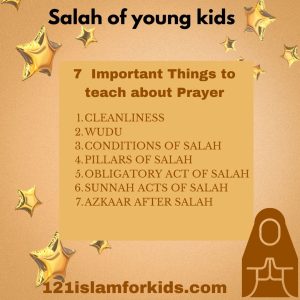
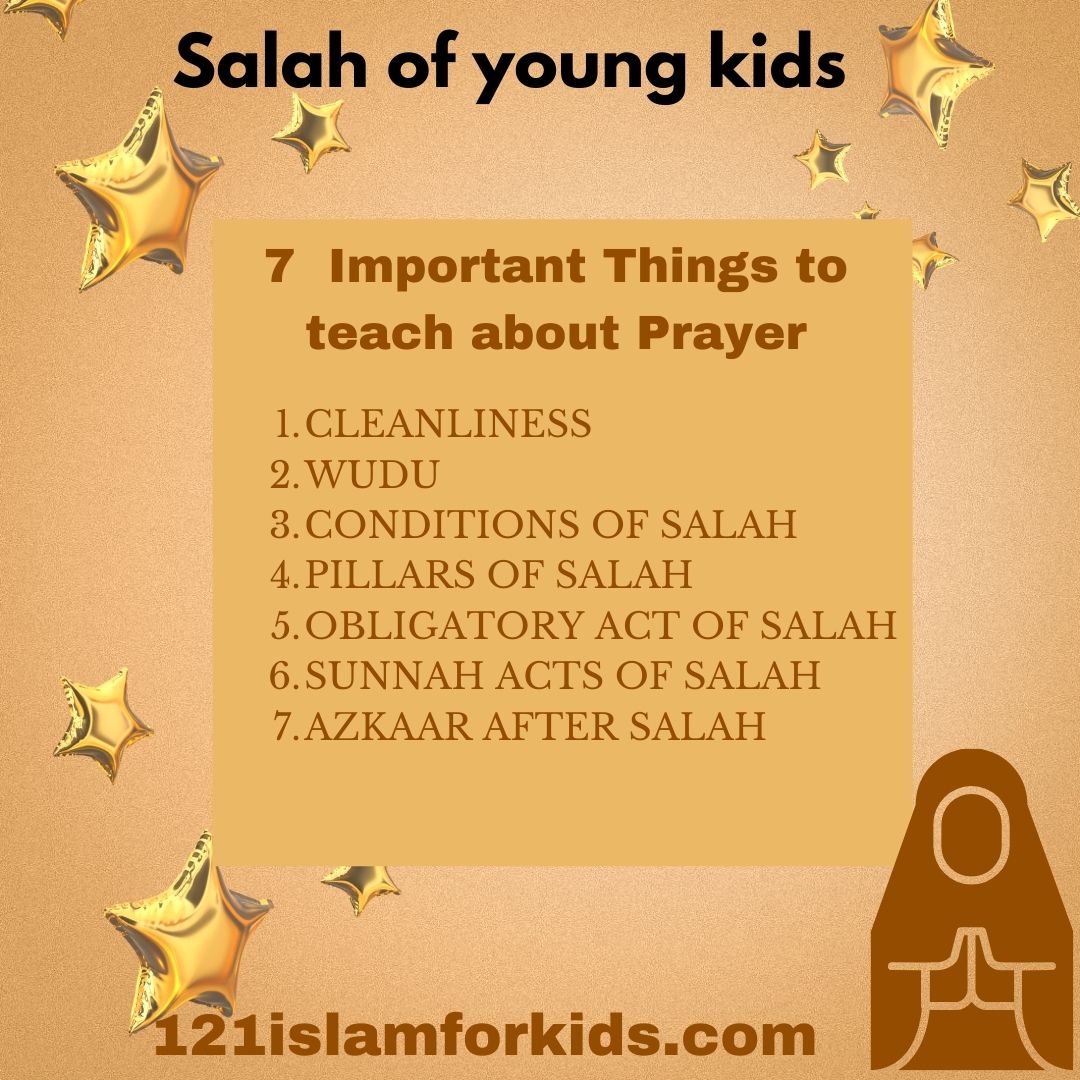
Prayer for kids courses short courses to teach about taharat, Gusal, wudu, times of prayers, number and names of prayers, pillars and conditions of prayer and method of prayer. Search as Prayer for kids course on the search bar.
Kindness to Parents
Ramzan Boost course
Faith boost course in December to say NO MARYY CHRISTMAS
Enrolments Available
Tafseer for kids’ group classes is available online for all time zones. Recommended age for the class Tafseer for kids is 9+. These classes are available in English and Urdu. If you want to enroll your child in our courses contact us via.
I have been in search of a good application for fasting for my kids. But found nothing which would be good for family activities. Then I decided to prepare one for myself.
This is Teacher Adiba Anwar Teacher of Islamic education for kids and adults. I love to teach and create online lessons for Muslim children. We have designed a Ramadan activity book pdf for our students.
After teaching for years, I was looking to get any Ramadan activity book pdf that could be used in online classes as well as which is printable. So that my students could get prints and solve the worksheets.
Honestly speaking, there was no Ramzan activity book pdf that was going to fulfill our all needs. I was looking for supplications, Fasting information and rules, things to dos and don’t, Day by day good and bad deeds planner and a Daily Ibada checklist.
For that purpose, I was able to prepare this Ramzan activity books pdf which is really amazing.
It is a complete 36 pages book which is designed for Muslim children as well as revert Muslims.
There is a video of Ramdan activity book pdf downside. We have designed this activity book /child’s diary for our students. But it is available for other Homeschoolers, reverts Muslims, and parents as well. So we have recorded lectures and lessons of these classes as well in Urdu and English. These lessons would be available for free to your kids.
You can just Buy our book. And day by day your child would watch video of every lesson and solve the worksheet/activity from our workbook.
These Online lessons have another thing for you. We are also giving them an opportunity to our students that they will assess the knowledge they had learned from our lectures. So we have some questions for our students on our site.
We uploaded some questions for our students day by day with lectures and They will answer in their own words. This will help them to review and learn more about Ramzan and fast. here is link for the questionnaire
If you are looking for online lessons in Ramadan activity book pdf, Then you can also enroll your child in my online Ramadan special classes
Other courses we have
Online Quran class for beginner, intermediate and Memorization.
Prayer for kids courses to teach about TAHARAT, Gusal, wudu, times of prayers, number and names of prayers, pillars and conditions of prayer, and method of prayer. Search as Prayer for kids course on the search bar.
Kindness to Parents
Ramzan Boost course
Faith boost course in December to say NO MARYY CHRISTMAS
Enrolments Available
Tafseer for kids, group classes are available online for all time zones. Recommended age for the class Tafseer for kids is 9+. These classes are available in English and Urdu. If you want to enroll your child in our classes contact us via.
Here is the link to the online lessons. For English, lectures visit this Channel. Please Subscribe to the channel to get all videos right after we upload them.
Here is a playlist of Our online lessons in Urdu. Please subscribe Urdu channel for getting upcoming videos.
The Video of Our Ramzan diary about online lectures. What is inside this Book?
Here are some worksheets shown in Pictures from our online lessons. You can download them for free. If you want to buy This worksheet book with Ramzan diary of a child then you can pay in the course sign u category and you will be emailed this book. comment for more details.
I hope you are all good with the Grace of Allah. Alhamdulillah. Today we are going to learn hadith no 18 with story form our hadith with stories course.
Table of content
Introduction of hadith
Story of A companion of Prophet Muhammad SAW
Dear students the topic of our today’s Hadith is Status of mothers in Islam.
My dear students this hadith shows that disobeying our mother and parents is Haram. As like other haram things like eating pork and backbiting this deed is also disliked by Allah and our prophet SAW.
My dear student, sometimes it happens we react to our mother very badly, sometimes we argue with her and sometimes when our mother advises us to do something or avoid anything we disobey her.
But this hadith clearly tells us it is a very bad habit. You know in the Quran Allah said even if we say Uff!!! In response to any action of her, it is also disliked by Allah.
In our last hadith we already learnt that looking towards parents with smiling faces is also a sadqa.
So I hope you will never do anything which will make your mother angry or sad.
Otherwise maybe Allah SWT will get angry with us like this young boy.
The Story about status of mothers
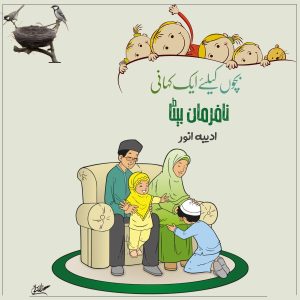
A disobedient son
He was a very good boy. But he got sick in his youth. When he was about t o die, People asked him to say shahada so that he would feel good. But strangely he can’t do it. He tried again but failed. He was in a lot of pain. But no one could do anything.
Then a Sahabi came to Muhammad SAW and said.,’ Ya rasool ALlah, there is a boy, who is about to die but he can’t read shahad. Our Prophet asked, did this man offer Salah, in his life. Answer was yes.
Then Prophet SAW went to see that young boy. The boy was very sick. Prophet Muhammad Saw advised him to recite Shahada with Him. But he said, I can’t recite as words would not come to his tongue.
Then the Prophet called his mother who was angry with him. The Prophet asked women to forgive his dying son. Woman said no, never. He was a good Muslim. He was very kind to others. But not with me. He always disobeyed me and used harsh words to me.
Prophet SAW said, o kind lady forgive him. Do you bear this if some one would throw him in fire. She said no never. He is my beloved son. I cant see this. The Prophet replied to her that if you would not forgive him, Allah SWT would definitely throw him in hellfire.
Then she forgave the boy. Now that boy recites the Shahada and dies.
My dear student, every mother works hard to raise children, she prays for us, she can’t sleep when we are sick. In return we should respect her.
Let’s make a wish that we will never argue with our mother and always try to follow her instructions.
Lets pray for our parents,
رَّبِّ ارْحَمْهُمَا كَمَا رَبَّيَانِي صَغِيرًا
Rabir Hamhuma kama rabbayani sagheera.
Write this hadith and learn it. Don’t forget to follow and share it.
Written story is available in Urdu as well. Comment to get pdf of 30 short hadiths with Graphics Enrol your child for this online course zoom class Worksheets for this Hadith and story You can buy This worksheet Book from our courses sign up cost only 5$ Buy this activity book
یہ حدیث ہمیں بتاتی ہے کہ والدین یا اپنی ماؤں کی نافرمانی کرنا حرام ہے. دوسرے حرام کاموں جیسا کہ سور کا گوشت کھانا یا کسی کی غیبت کرنا کی طرح اللہ پاک اور آپ صلی اللہ علیہ و آلہ و سلم کو ماؤں کی نافرمانی کرنا بھی سخت ناپسند ہے
پیارے بچو کبھی کبھی ایسا ہوتا ہے ناں کہ ہم اپنی ماؤں کے ساتھ بڑے سخت انداز میں پیش آتے ہیں. بعض اوقات ہم ان سے جھگڑا کرتے ہیں اور بعض اوقات جب وہ ہمیں کوئی کام کرنے یا اس سے رُک جانے کا کہتی ہیں تو ہم ان کی بات نہیں مانتے. لیکن یہ حدیث ہمیں صاف الفاظ میں وضاحت کے ساتھ یہ بتا رہی ہے کہ ایسا کرنا بہت بُری عادت ہے.
آپ جانتے ہیں ناں کہ اللہ پاک نے قرآن مجید میں کہا ہے کہ اگر ان کی کسی ناپسندیدہ بات پر تم “اُف” بھی کہتے ہو تو اللہ کو یہ بھی پسند نہیں آتا پچھلی حدیث میں ہم پہلے ہی پڑھ چکے ہیں کہ اپنے ماں باپ کو مسکرا کر دیکھنا بھی صدقہ ہے. اس لیے اب میں امید کرتی ہوں کہ آپ کبھی ایسا کچھ نہیں کریں گے جس سے آپ کی والدہ ناراض یا پریشان ہوں. ورنہ ہو سکتا ہے کہ اللہ تعالیٰ آپ سے بھی ایسے ہی ناراض ہو جائیں جیسے اس شخص سے ہوئے.
وہ ایک صحابی رسول اللہ صلی اللہ علیہ و آلہ و سلم تھا- وہ بہت اچھا لڑکا تھا، لیکن وہ اپنی جوانی میں بیمار ہو گیا. جب وہ مرنے کے قریب تھا تو لوگوں نے اسے کہا کہ وہ کلمہ شہادت پڑھے. تاکہ وہ اچھا محسوس کر سکے. لیکن حیرت انگیز طور پر وہ کلمہ نہیں پڑھ رہا تھا. اس نے بار بار کوشش کی کہ پڑھ سکے لیکن ناکام ہو گیا. وہ بہت تکلیف میں مبتلا تھا. لیکن کوئی اس کے لیے کچھ نہ کر سکتا تھا.
پھر ایک صحابی رسول اللہ صلی اللہ علیہ و آلہ و سلم کے پاس تشریف لائے اور کہا کہ ‘اے اللہ کے رسول، ایک لڑکا ہے جو کہ قریب المرگ ہے لیکن اس سے کلمہ شہادت نہیں پڑھاجا رہا’. آپ صلی اللہ علیہ و آلہ و سلم نے پوچھا کہ کیا وہ اپنی زندگی میں نماز ادا کرتا تھا؟
جواب ملا کہ جی ہاں. پھر آپ صلی اللہ علیہ و آلہ و سلم اس لڑکے کو دیکھنے گئے، آپ نے بھی اسے کلمہ پڑھنے کا کہا -لیکن وہ کہنے لگا کہ میں نہیں پڑھ سکتا کیونکہ الفاظ میری زبان سے ادا ہی نہیں ہو رہے.
پھر آپ صلی اللہ علیہ و آلہ و سلم نے اس کی والدہ کو بلایا جو کہ اس نوجوان سے ناراض تھیں.آپ نے اسے کہا کہ وہ اپنے مرتے ہوئے بیٹے کو معاف کر دے. لیکن عورت نے کہا کہ نہیں، وہ کبھی معاف نہیں کرے گی.کیونکہ وہ ایک مسلمان شخص ہے اور دوسروں کے ساتھ بڑی نرمی سے پیش آتا ہے لیکن میرے ساتھ نہیں. اس نے ہمیشہ میری نافرمانی کی اور میرے ساتھ سخت لہجے میں بات کرتا تھا
آپ صل اللہ علیہ و آلہ و سلم نے فرمایا کہ اے مہربان خاتون، اسے معاف کر دو. کیا تم یہ برداشت کرو گی کہ کوئی اسے آگ میں پھینک دے، عورت کہنے لگی کہ ہر گز نہیں. یہ میرا عزیز بیٹا ہے، میں ایسا ہوتا ہوا نہیں دیکھ سکتی –
پھر آپ صلی اللہ علیہ و آلہ و سلم نے فرمایا کہ اگر تم اسے معاف نہیں کرو گی تو اللہ پاک اسے یقیناً آگ میں پھینک دیں گے، پھر اس نے فوراً اپنے بیٹے کو معاف کر دیا. اب اس آدمی نے کلمہ ادا کیا اور وہ مر گیا-
میرے عزیز طلبہ ہر ماں اپنے بچوں کی پرورش کرنے کے لیے سخت محنت کرتی ہے. وہ ہمارے لیے دعا کرتی ہیں اور جب ہم بیمار ہو جاتے ہیں تو وہ سوتی بھی نہیں، تو پھر بدلے میں ہمیں ان کی عزت کرنی چاہیے.آئیں ہم دعا کرتے ہیں کہ ہم کبھی اپنی والدہ کی نافرمانی نہ کریں اور ہمیشہ ان کی بات مان کر چلیں. آئیں اپنے والدین کے لیے بھی دعا کریں
رَّبِّ ارْحَمْهُمَا كَمَا رَبَّيَانِي صَغِيرًا
کہ اے اللہ ان پہ ایسے رحم فرما جیسے انہوں نے ہم پہ بچپن میں کیا-
اس حدیث کو لکھیں اور اس پہ عمل کرنا اور دوسروں تک پہنچانا مت بھولیں.
Video of Hadith and story Mother statuts in English
The written story is available in English as well.
Comment to get pdf of 30 short hadiths with Graphics Enrol your child in this online course zoom class Worksheets for this Hadith and story You can buy This worksheet Book from our courses sign up Buy this activity book
Prayer for kids courses a short course to teach about taharat, Gusal, wudu, times of prayers, number and names of prayers, pillars and conditions of prayer, and method of prayer. Search as Prayer for kids course on the search bar.
Kindness to Parents
Ramzan Boost course
Faith boost course in December to say NO MARYY CRISTMAS
Enrolments Available
Tafseer for kids’ group class is available online for all time zones. Recommended age for the class tafseer for kids is 9+. These classes are available in English and Urdu. If you want to enroll your child in our courses contact us via.
Charity in Islam important topic and it is revealed many times in many Hadith and verses of the Quran. This Hadith persuaded us to give charity so that we could guard ourselves against the hellfire. In daily life, we may commit many mistakes and sins knowingly or unknowingly. And Our charity is the best form to vaporize our sins. Charity is also called SADQA.
My dear student, we must know what is the best charity in Islam. Allah’s Prophet guided us in this case that we may give very little things in charity. In another hadith, he said that picking a throne from the footpath is also a Sadqa. So we may not fear if we have nothing, we can give a good smile to others to get Ajer on that. To share personal things with others is a hard job. But if you practice and overcome your greed and selfishness you may donate anything any time for the sake of Allah.
Once our Prophet said’ the best charity is food.’ So we should also do to share our lunch box, our daily eatable things as well And if any time shytan try to misguide you and increase your greed remember this story of one of the Companions of Prophet Muhammad SAW Hazrat Abu Talha RA. He was one of the great men.
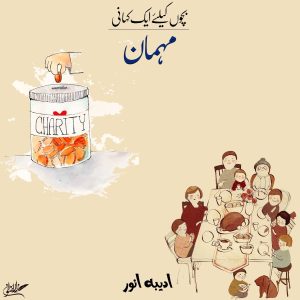
Story of Best charity in Islam Abu Talha’s Guest
Once a guest visited Abu Talha RA in the night when there was very little food in his home. He asked his wife to extinguish the candlelight when they were eating so that the guest would think they were also eating. This is how they slept hungry that night. And Allah told his Prophet about this incident through a revelation.
The hospitality presented to a guest by two companions from the Ansar (Muslims of Madina) – Abu Talha and his wife (ra)- provides a beautiful example best charity in Islam
A hungry man once approached the Prophet (PBUH) . The Prophet (PBUH) asked his wives if they had anything to feed the hungry guest. Each replied that they had nothing except water. The Prophet (PBUH) then asked his companion Abu Talha and Abu Talha welcomed the guest to his home.
When he asked his wife if they had anything for the guest, the wife replied that they had very little only for the children. Abu Talha (RA) instructed his wife to bring the food, light the lamp and put the children to sleep . When they sat down for dinner, Umm Sulaym (RA) got up and, pretending to fix the lamp, extinguished it.
As the guest ate his meal, the couple pretended that they were eating as well. However, they had not touched the food, it was not enough.
The following day Prophet Muhammad (PBUH) gave them the great news that Allah had revealed a verse about them and their generosity:
Dear students, I hope now you will never hesitate to share your lunch or your toys with your friends and even with other children.
May Allah keep all Muslims away from Naar.(Fire)
Let’s recite once.
Allah huma Ajirna minan naar.
Now please write this hadith into your Hadith book and send me a picture.
Share this hadith and stories with your grandparents and your friends.
AslamoAlikum
The video of the Story in English
Written story is available in Urdu as well.
Comment to get pdf of 30 short hadiths with Graphics
Enrol your child for this online course zoom class
Worksheets for this Hadith and story
You can buy This worksheet Book from our courses sign up cost only 5$
What is inside book?
Our Students Activities and worksheets
https://www.youtube.com/watch?v=j4hqo4jxKAU
A video of a students after learning this hadith and story